Note: “Banat County” is used here in a reader-friendly way to describe the Romanian Banat countryside, especially the open fields of Timiș County and nearby rural areas. Banat is a historic region, not a modern Romanian county.
Some places announce themselves with skyscrapers, neon, and a coffee shop every twelve steps. Banat, in western Romania, prefers a gentler introduction: wheat bending in the wind, sunflowers nodding like they know a secret, tractors humming somewhere beyond the horizon, and a country road that looks suspiciously like it was designed for deep thoughts and slightly muddy shoes.
Walking on the Banat County fields is not the kind of travel experience that screams for attention. It whispers. Then it hands you a sky so wide it could host its own weather conference. This historic region sits where Romania leans toward Hungary and Serbia, blending Central European history, Balkan warmth, and Romanian rural rhythm into one peaceful, golden-green landscape.
For travelers who think Romania is only castles, Transylvania legends, and dramatic Carpathian peaks, the Banat fields offer a beautiful plot twist. Here, the adventure is slower. The drama is in the clouds. The luxury is silence. And the main attraction is the feeling that you have briefly stepped into a painting where the artist had an unlimited budget for sky.
Why the Banat Fields Feel Different
The Romanian Banat is part of a larger historic region once shaped by empires, borders, rivers, and migration. It stretches across a landscape connected to the Pannonian Plain, with the Mureș River to the north, the Danube to the south, and cultural influences arriving over centuries from Romanians, Germans, Hungarians, Serbians, and others. That mix still gives the area its open, layered personality.
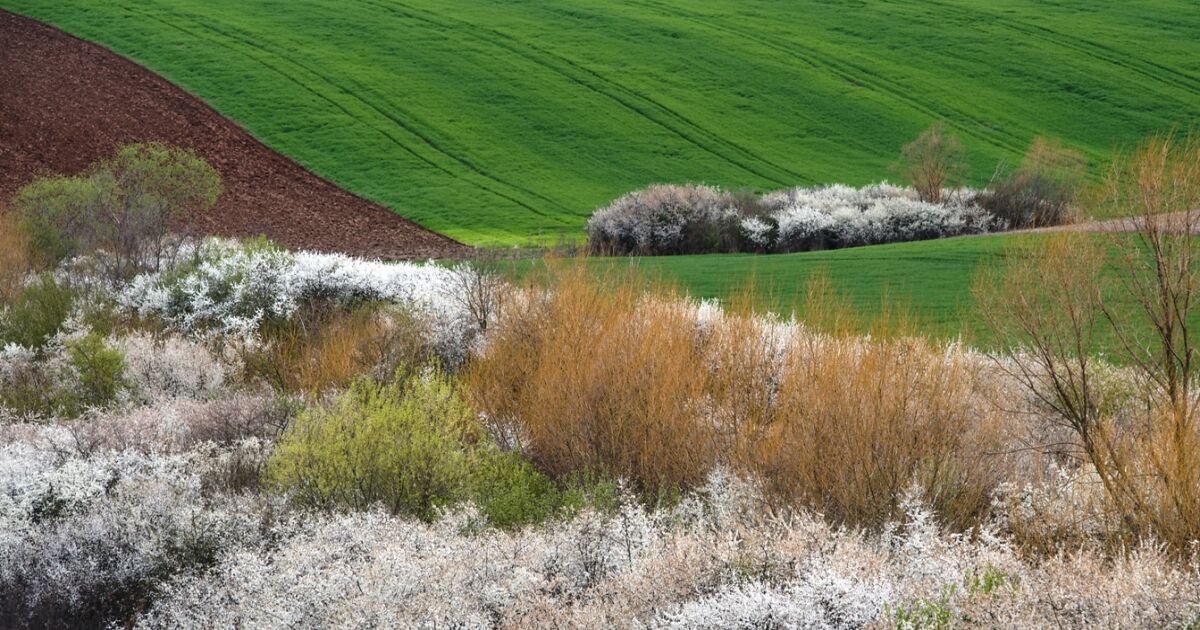
Unlike Romania’s mountain villages, where the hills crowd in close and every road seems to be training for the Olympics, the Banat Plain breathes horizontally. The land spreads out in long, cultivated bands. Wheat, corn, sunflower, rapeseed, soybeans, orchards, vineyards, and vegetable plots create a patchwork that changes color with the season. In spring, the fields flash bright green and yellow. In summer, they turn gold. In autumn, the soil darkens after harvest, and the light becomes soft enough to make even a fence post look poetic.
This is one of Romania’s important agricultural zones, and it shows. But the beauty of the Banat fields is not only agricultural productivity; it is the way working land and rural life sit together. You may pass a line of poplars, a drainage canal, a farm gate, a village church tower, a haystack, and a roadside dog who appears to be the unpaid mayor of the lane.
Picture 1: The Road That Disappears Into Wheat
The first photo practically takes itself: a narrow rural road cutting between wheat fields, the horizon stretching far ahead, and the sky doing dramatic sky things because apparently clouds enjoy showing off in Banat.
Walking here feels simple at first. Left foot, right foot, repeat. But after a few minutes, the rhythm changes. The noise of city life falls away. The wheat moves like water. Birds lift from the field margins. Somewhere nearby, a tractor makes a slow, steady sound that is less “industrial machine” and more “countryside metronome.”
For SEO-minded travelers searching for Banat Romania fields, rural Romania travel, or walking in Timiș County countryside, this is the classic view: long roads, open land, agricultural texture, and a calmness that cannot be downloaded as an app. Believe me, Silicon Valley would have tried by now.
Picture 2: Sunflowers With Main Character Energy
If wheat is Banat’s quiet philosopher, sunflowers are its theater kids. They stand tall, face the light, and behave as if every passing photographer has arrived specifically for them. In parts of western Romania, sunflower fields can become one of the most striking summer scenes, especially when the yellow blooms rise against a clean blue sky.
The sunflower is more than a pretty face. Romania is a major European producer of sunflower seed, and oilseed crops are an important part of the agricultural landscape. In Banat, the fields are not decorative backdrops created for Instagram; they are working farms. That makes the experience richer. You are not walking through a theme park version of rural life. You are seeing real land, real crops, and real seasonal labor.
Still, the sunflowers do not mind being admired. They are generous that way. Just stay on public paths, avoid stepping into crops, and resist the urge to wander into a field for the “perfect shot.” The perfect shot is less perfect when it includes an angry farmer and your shoes full of regret.
Picture 3: The Village Edge
One of the best things about walking through the Banat countryside is how the fields often meet villages gently. The edge of a settlement might appear as a church spire, a line of red-tiled roofs, a gate painted in a cheerful color, or a garden where someone has somehow convinced roses, tomatoes, and laundry to coexist peacefully.
Timiș County, the westernmost and largest county in Romania by land area, is often a gateway to this world. Timișoara, the regional capital and one of Romania’s most vibrant cities, makes a natural starting point. From there, travelers can explore surrounding villages and rural routes, including areas around places such as Lovrin, Gottlob, Tomnatic, Comloșu Mare, Silagiu, and Nițchidorf. Each has its own pace, architecture, food traditions, and agricultural surroundings.
The village edge is where the camera finds quiet stories. A bicycle leaning against a fence. A cat pretending not to notice you. A garden path. A little roadside shrine. A field beginning just beyond a backyard. Banat does not separate culture and landscape with a hard line. It lets them overlap, like conversations at a long family table.
Picture 4: Field Margins, Birds, and the Small Wild Things
At first glance, a cultivated field can look simple: crop, road, sky, repeat. But slow down and the details start waving at you. Field margins support wildflowers, grasses, insects, and birds. Drainage channels and tree lines break up the plain. Pollinators move through the edges. The countryside becomes a living borderland between farming and biodiversity.
This is where walking beats driving. From a car, the landscape becomes a green blur with occasional tractor punctuation. On foot, you notice the tiny yellow flowers beside the road, the beetle crossing with total confidence, the lark rising from the grass, and the way the smell changes after rain. The Banat Plain may be intensely cultivated, but it still has ecological texture. The trick is giving it enough time to introduce itself.
For photographers, this fourth “pic” is a reminder to look down as well as out. The grand view matters, but so does a close-up of cracked soil, a wild poppy, a wheel track, or the shadow of grass on dust. Banat rewards patient eyes.
Picture 5: Clouds Over the Banat Plain
The clouds in Banat deserve their own publicist. Because the land is broad and open, the sky becomes part of the scenery in a very big way. Clouds do not merely float overhead; they perform. They stretch, stack, darken, glow, and occasionally make you wonder whether you should keep walking or begin negotiating with the weather.
Spring and early autumn are especially pleasant for long walks because temperatures are usually more forgiving, the light is softer, and the fields are visually rich. Summer can be beautiful, but it can also bring heat, dry spells, and the kind of sun that makes your hat feel less like an accessory and more like life support. Bring water, use sunscreen, and do not underestimate a flat landscape. Flat does not mean easy when the shade has gone on vacation.
After rain, the fields can smell earthy and clean, but country tracks may become sticky. Banat mud has ambition. It will try to join your trip permanently by attaching itself to your shoes. Consider sturdy footwear, especially if you plan to leave paved roads and follow farm lanes.
Picture 6: Sunset, Stubble, and the Golden Goodbye
The sixth picture should be taken late in the day, when the sun drops low and the harvested fields turn bronze. This is when the Banat countryside becomes cinematic. Stubble glows. Dust hangs softly in the air. Roofs catch the light. A line of trees becomes a silhouette. Even the most ordinary roadside ditch begins acting like it studied lighting design.
Sunset walking in the Banat fields is peaceful, but it also calls for common sense. Rural roads may be narrow, unlit, or shared with cars, bicycles, animals, and farm vehicles. If you are walking near traffic, wear visible clothing and carry a light. If you are exploring unfamiliar paths, start heading back before darkness. The countryside is romantic; getting lost beside a cornfield while your phone battery dies is less romantic, though admittedly memorable.
The reward for planning well is immense. Sunset gives Banat its final daily flourish: a slow fade from gold to pink to blue, with fields becoming shapes and villages turning into clusters of warm windows. It is the kind of view that makes people stop talking for a moment, which is impressive, because people are famously fond of talking.
The Culture Behind the Fields
Banat is not only a landscape. It is a cultural crossroads. For centuries, communities of Romanians, Germans, Hungarians, Serbians, and others lived side by side across the region. That history shaped architecture, language, food, music, and local identity. Timișoara, often called the capital of the Romanian Banat, reflects this multicultural spirit through its squares, Secessionist buildings, churches, cafés, and creative energy.
But the fields tell the same story in a quieter language. Rural Banat has inherited farming techniques, recipes, seasonal customs, and village layouts from generations of people who adapted to the land. Traditional rural food events, local brunches, wine routes near places such as Silagiu, and village festivals help connect travelers to the region through taste as much as scenery.
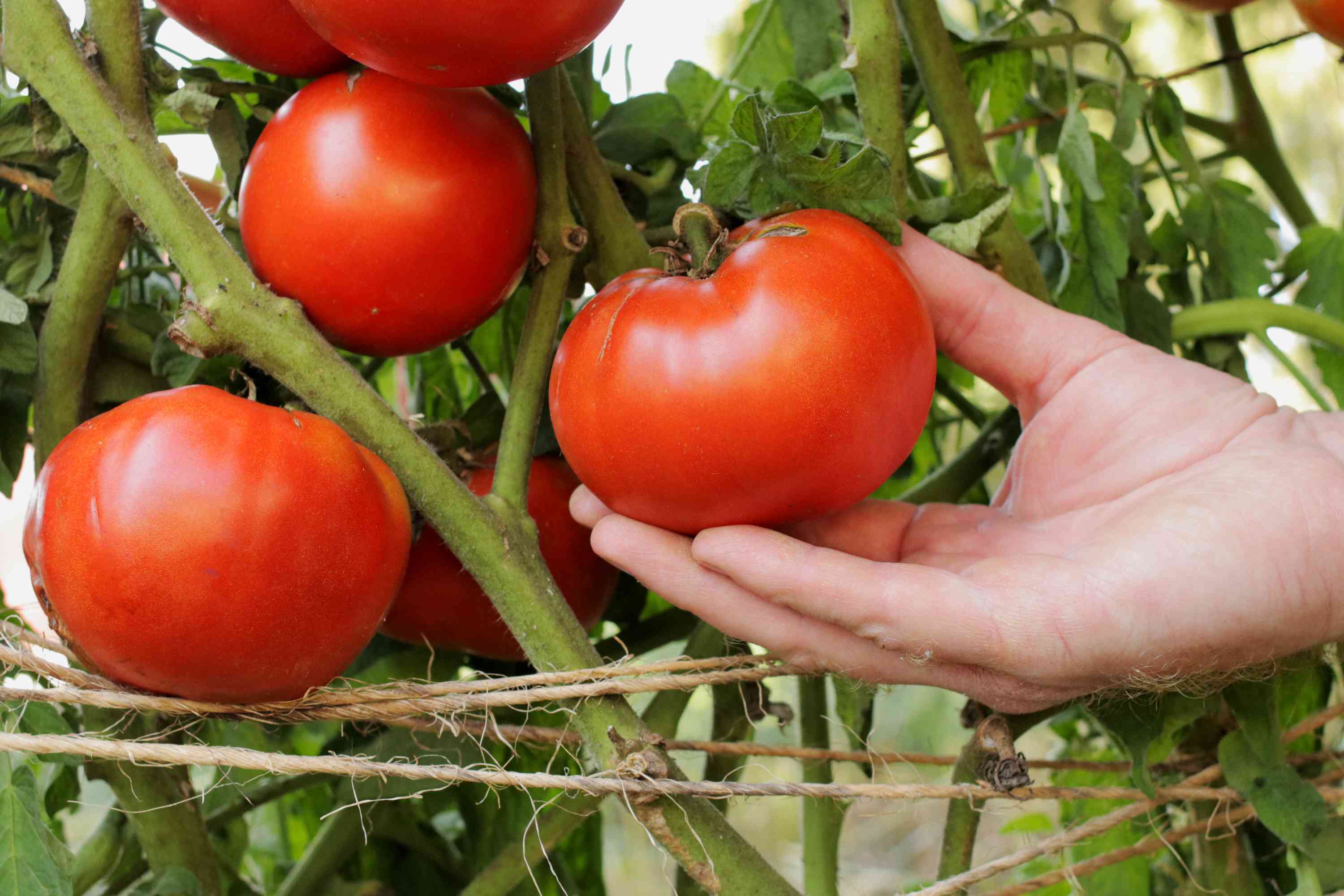
Food is part of the walk, even when you are not eating. Wheat becomes bread. Sunflowers become oil. Corn becomes polenta or feed. Grapes become wine. Vegetables become stews, pickles, and soups. The landscape is basically a menu before it becomes lunch. That may be the most persuasive argument for rural tourism ever invented.
How to Plan a Walk Through the Banat Countryside
Start From Timișoara
Timișoara is the easiest urban base for exploring Romanian Banat. The city has train and road connections, hotels, restaurants, museums, and enough architectural charm to justify several days on its own. From there, travelers can plan day trips into the surrounding countryside by car, local transport, bicycle, or guided rural tour.
Choose the Right Season
Spring brings green crops, rapeseed color, birdsong, and fresh air. Summer brings sunflowers, wheat, and long golden evenings, but also heat. Autumn brings harvest scenes, softer light, and earthy colors. Winter can be atmospheric, but walks require more preparation because roads and sidewalks may be icy and rural visibility can be limited.
Respect Private Land
Many beautiful fields are private working farms. Stay on roads, paths, and marked routes. Do not trample crops, pick flowers from cultivated fields, or climb gates. A respectful traveler gets better photos and fewer awkward conversations involving hand gestures and universal farmer disappointment.
Pack Like a Practical Romantic
Bring water, snacks, sun protection, a light jacket, comfortable shoes, a power bank, and a map saved offline. A small trash bag is also smart because the best travelers leave only footprints, not snack wrappers with international ambitions.
Photography Tips for the Banat Fields
To capture the mood of the Banat countryside, think in layers. Use roads, crop lines, tree rows, canals, fences, and shadows to guide the eye through the image. Early morning and late afternoon provide the best light. Midday can work too, especially for bright sunflower shots, but the contrast may be harsh.
Include human-scale details when possible: a bicycle, a gate, a farm building, a distant walker, or a tractor. These elements help viewers understand the size of the landscape. Wide shots are wonderful, but a six-photo story becomes stronger when it mixes panoramas with close-ups and village details.
Try this simple six-photo structure: road, crop, village, detail, sky, sunset. That sequence gives readers a complete visual walk. It moves from arrival to atmosphere, from the big view to the small detail, and finally to the golden goodbye.
Extended Experience: Walking On The Banat County Fields, Romania
The walk begins with a sound I do not expect: almost nothing. Not silence exactly, because the countryside is never truly silent. There is wind in the wheat, insects in the grass, a distant engine, a dog negotiating with the universe, and the soft crunch of my shoes on the road. But compared with the city, it feels like the volume of life has been turned down to a level where my thoughts can finally stop shouting.
The first field is green and low, stitched with tractor lines so straight they make me question every crooked shelf I have ever installed. Beyond it, a yellow patch of rapeseed glows under a moving cloud. The shadow crosses the land slowly, like someone dragging a gray blanket over the crops. Then the sun returns and the whole field lights up again. Nothing dramatic happens, and somehow that is the drama.
A village appears ahead, although “appears” is too sudden a word. It gathers itself slowly: first a roof, then a church tower, then a line of gardens and fences. I pass a house with grapevines over the gate and a bench outside, positioned with the confidence of a place where people still understand the importance of sitting. A cat watches me with the expression of a customs officer. I am allowed through.
Near the edge of the village, the road bends back into open land. The fields change from green to gold, then to dark soil. Each color seems to mark a different sentence in the same long story. I stop to take a photo of wildflowers beside the path, then realize the better picture is wider: flowers in front, wheat behind, sky above, and a tiny tractor on the horizon doing the kind of honest work that makes laptops look silly.
By late afternoon, the air becomes warmer and softer. I can smell dust, cut grass, and something cooking from a house I cannot see. This is the dangerous part of walking in rural Romania: you may begin the day interested in landscapes and end it emotionally attached to soup. The road stretches ahead, but I slow down. Banat does not reward rushing. It rewards noticing.
At sunset, the fields turn gold in a way that feels almost excessive, as if the landscape is trying to win an award. Birds move through the tree line. The sky opens into pink and blue layers. I take the final photo, then lower the camera because the view is better without trying to own it. Walking here is not about conquering a trail or checking off an attraction. It is about letting a place become familiar one step at a time.
When I finally turn back, my shoes are dusty, my camera is full, and my mind feels unusually tidy. Banat has that effect. It does not overwhelm you. It clears space. It reminds you that travel can be small and still unforgettable, quiet and still rich, flat and still full of depth. And if you are lucky, it sends you home with six pictures and one very strong craving for bread, cheese, tomatoes, and a long countryside dinner.
Conclusion
Walking on the Banat County fields in Romania is not a checklist trip. It is a slow travel experience made of open skies, working farms, multicultural villages, seasonal colors, and the kind of peace that sneaks up on you. The Romanian Banat countryside proves that beauty does not always need cliffs, castles, or dramatic mountain passes. Sometimes it needs a dirt road, a sunflower field, a good pair of shoes, and enough time to notice the wind moving through wheat.
Whether you visit from Timișoara for a short day trip or build a longer rural itinerary through Timiș County and the wider Banat region, the fields offer a memorable look at real Romania: agricultural, historic, generous, and quietly photogenic. Bring curiosity, respect the land, take the six pictures, and leave room for the unexpected. The best part of Banat is often not the photo you planned, but the one you almost walked past.