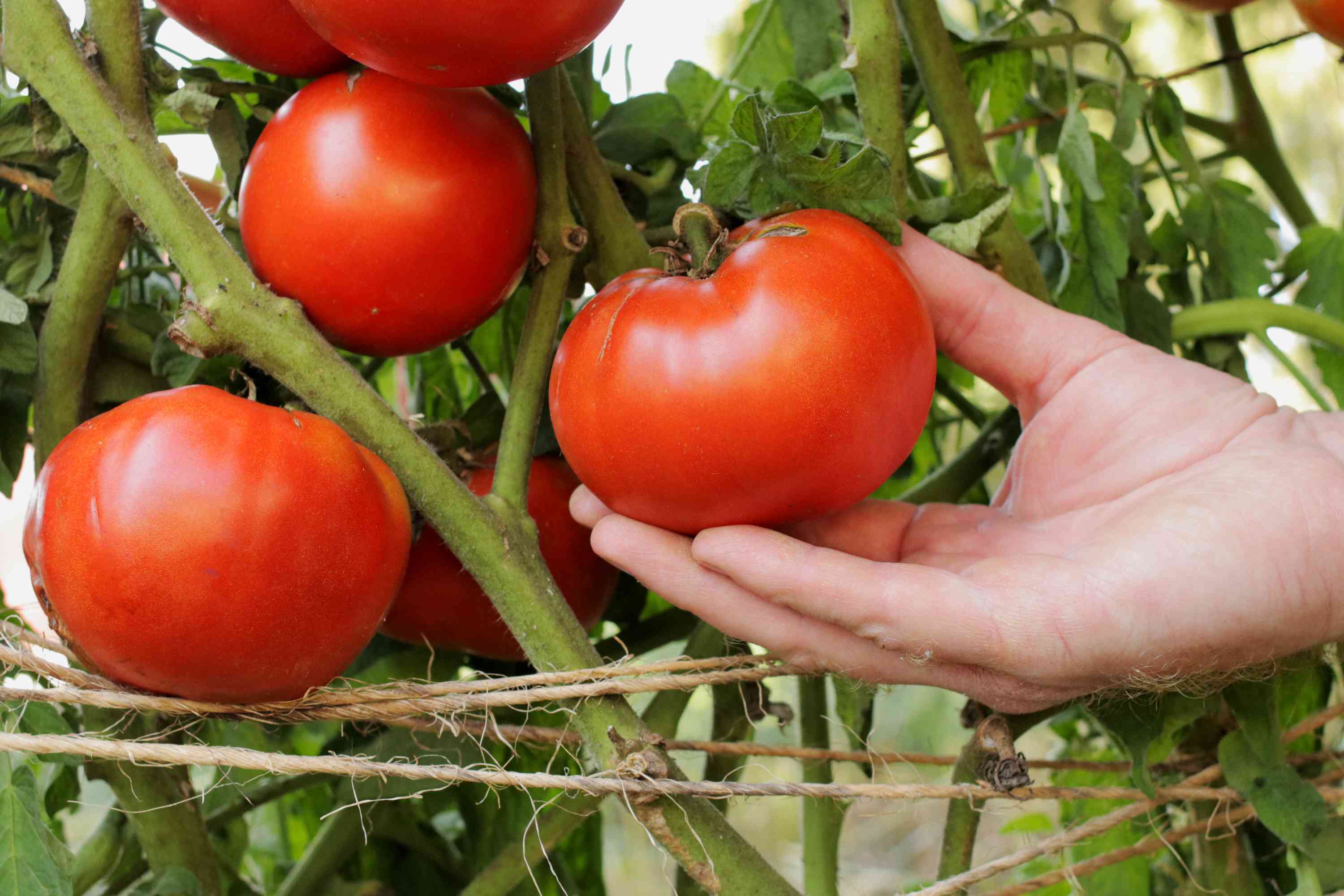
Growing beefsteak tomatoes is a little like adopting a giant dog: they are lovable, dramatic, a bit messy, and absolutely worth it. These oversized slicers are famous for their meaty texture, juicy bite, and sandwich-filling swagger. When they are happy, they produce tomatoes so big they make standard grocery-store tomatoes look like understudies. When they are unhappy, they sulk with cracked fruit, floppy vines, and leaves that seem to collect every garden problem known to humankind.
The good news is that beefsteak tomatoes are not impossible divas. They just need the right setup. Give them strong sun, rich soil, steady moisture, and sturdy support, and they will reward you with hefty fruit that tastes like summer finally got its act together. This guide covers how to plant, grow, feed, prune, protect, and harvest beefsteak tomatoes, plus what real gardeners often experience when growing these big beauties at home.
What Are Beefsteak Tomatoes?
Beefsteak tomatoes are a broad group of large-fruited tomatoes known for their size, thick flesh, and classic slicing quality. Many are red, but beefsteak types can also be pink, yellow, orange, striped, or even deep purple depending on the variety. Some are hybrids bred for productivity and disease resistance, while others are heirlooms grown for flavor and bragging rights.
What sets them apart is the fruit itself. Beefsteaks are typically broader, heavier, and more ribbed than smaller salad tomatoes. They are excellent for burgers, sandwiches, caprese salads, fresh salsa, and thick tomato slices sprinkled with a little salt and black pepper. They are less about dainty snacking and more about making a grand entrance.
Best Growing Conditions for Beefsteak Tomatoes
Sunlight
If there is one thing beefsteak tomatoes do not negotiate on, it is sunlight. These plants want full sun, and the more the better. Aim for at least 6 hours of direct sun a day, though 8 to 10 hours is even better for strong growth and reliable fruit production. A plant tucked into half-day shade may stay alive, but it will not exactly write you a thank-you note with giant tomatoes.
Temperature
Tomatoes are warm-season plants and hate frost with the intensity of a cat hating bath time. Wait to plant outdoors until all danger of frost has passed and the soil has warmed. Cool nights early in the season can lead to poor growth or misshapen fruit later, so patience pays off. In very hot climates, extreme heat can also interfere with fruit set, especially when nighttime temperatures stay high.
Soil
Beefsteak tomatoes grow best in fertile, well-drained soil rich in organic matter. A loamy garden bed amended with compost is ideal. Soil that stays soggy can invite root trouble and disease, while soil that dries out too quickly can lead to cracking and blossom-end rot. Slightly acidic to near-neutral soil is best, with a pH around 6.2 to 6.8 being a comfortable sweet spot.
Air Circulation
Because beefsteak plants often grow large and leafy, good airflow matters. Crowded plants stay damp longer after rain or watering, and damp foliage is basically a handwritten invitation to disease. Give each plant room to breathe and do not treat spacing recommendations like mild suggestions from an overly polite relative.
How to Plant Beefsteak Tomatoes
Start With Strong Transplants
You can start seeds indoors several weeks before your last frost date or buy healthy transplants from a nursery or garden center. Choose sturdy plants with thick stems and rich green leaves. Avoid leggy, pale, or root-bound plants that already look like they have seen some things.
Plant Deeply
Tomatoes are wonderfully weird in the best possible way: they can grow roots along buried stems. That means you should plant beefsteak tomatoes deeper than many other vegetables. Remove lower leaves and bury a good portion of the stem, leaving the top cluster of leaves above the soil. This encourages a stronger root system and helps the plant anchor itself for the heavy fruit it will carry later.
Spacing
Most beefsteak tomatoes are indeterminate, meaning they keep growing, flowering, and fruiting over a long season. These big vines usually need more room than compact tomato types. In most home gardens, spacing plants about 24 to 36 inches apart works well, with more room if you are growing especially vigorous varieties or using cages.
Support at Planting Time
Do not wait until the plant is six feet tall and plotting its escape. Install stakes, cages, or trellises at planting time. Beefsteak tomatoes produce heavy fruit, and flimsy support quickly turns into modern garden art. Tall, sturdy cages or solid stakes are best. The classic tiny wire cone sold for tomatoes often works better as a suggestion than a solution.
Beefsteak Tomato Care Guide
Watering
Steady moisture is the secret sauce. Beefsteak tomatoes generally need about 1 to 2 inches of water per week, depending on temperature, soil type, and rainfall. The goal is deep, even watering rather than daily shallow sprinkles. Water slowly at the base so roots grow downward and foliage stays as dry as possible.
Inconsistent watering is where trouble starts. If the soil swings from bone-dry to soaked, fruit may crack, blossom-end rot may show up, and the plant will behave like it is going through a tiny produce-based crisis. A layer of mulch helps even out soil moisture and reduces evaporation, especially during hot weather.
Mulching
Mulch is one of the simplest upgrades you can give your tomato patch. A 2- to 3-inch layer of straw, shredded leaves, or other organic mulch helps conserve moisture, suppress weeds, and reduce soil splash that can spread disease onto leaves. Just keep mulch slightly away from the main stem to avoid trapping too much moisture right at the base.
Fertilizing
Beefsteak tomatoes are hungry plants, but they can be overfed. Too much nitrogen can produce huge leafy vines with fewer fruits, which is great if your dream is a tomato jungle and not actual tomatoes. Work compost into the soil before planting, and use a balanced vegetable fertilizer according to label directions. Once fruit begins forming, many gardeners switch to a fertilizer that does not push excessive leafy growth.
If you have not done a soil test, keep feeding moderate and steady rather than dramatic. Tomatoes generally do better with consistent nutrition than random fertilizer pep talks every three weeks.
Pruning
Pruning beefsteak tomatoes is partly science and partly personal style. For indeterminate types, removing some suckers can improve airflow and direct more energy into fewer, larger fruits. If your goal is giant slicing tomatoes, moderate pruning may help. If your goal is maximum total harvest, prune less aggressively.
A smart middle ground is to remove the lowest suckers and any leaves touching the soil, then thin selectively for airflow. Avoid going wild with the pruners. A tomato plant with half its leaves removed is not “optimized.” It is just confused.
Weeding and General Maintenance
Keep weeds under control so they do not compete for water and nutrients or reduce airflow around plants. Check ties and cages as vines grow, because beefsteak tomatoes can go from manageable to jungle expedition faster than expected. Regular garden walks are helpful for spotting issues early, especially after rain, heat waves, or strong winds.
Common Problems With Beefsteak Tomatoes
Blossom-End Rot
This common disorder shows up as a dark, sunken patch on the blossom end of the fruit. It is often linked to inconsistent watering and poor calcium movement within the plant rather than a simple lack of calcium in the soil. The fix is usually more about watering evenly, mulching well, and avoiding stress than dumping random miracle powders around the roots.
Cracking
Beefsteak tomatoes are especially prone to cracking because their fruits are so large. A sudden rush of water after dry conditions can cause the skin to split as the fruit swells quickly. Keeping soil moisture more consistent is the best defense. Pick fruit as it ripens instead of leaving giant ripe tomatoes hanging forever like they are waiting for a magazine cover shoot.
Catfacing and Misshapen Fruit
Some beefsteaks naturally grow with ridges and folds, but severe deformities can happen when flowers develop during cool conditions. The result may look odd, though the fruit is often still edible once trimmed. Early planting into chilly weather increases the risk, so it pays to wait for reliable warmth.
Leaf Diseases
Tomatoes can develop fungal or bacterial problems such as early blight, septoria leaf spot, and other foliar diseases. Symptoms often begin on older leaves as spotting, yellowing, or browning. Prevention matters more than heroics. Water at the base, avoid crowding, mulch the soil, rotate crops when possible, and remove badly diseased foliage promptly.
Pests
Tomato hornworms are the most dramatic offenders because they can strip foliage in a hurry while blending in like leafy little criminals. Aphids and other sap-feeding insects may also appear, especially when plants are stressed or heavily fertilized. Hand-picking large pests, washing off light aphid infestations with water, and keeping the garden clean often go a long way in home gardens.
Can You Grow Beefsteak Tomatoes in Containers?
Yes, but choose your setup wisely. Beefsteak tomatoes are not the easiest container crop because they get large, thirsty, and top-heavy. If you grow them in pots, use a very large container, quality potting mix, and an equally serious support system. Containers dry out faster than garden beds, so watering may need to happen more often during hot weather.
Container-grown beefsteaks can be productive, but they are less forgiving than cherry tomatoes. Think of them as advanced-level patio tomatoes: possible, rewarding, and slightly demanding.
When and How to Harvest
Harvest beefsteak tomatoes when they are fully colored and slightly soft to the touch, but not mushy. Because these fruits are large, it is better to support them with one hand while twisting or clipping them from the vine. Avoid yanking unless you enjoy tomato casualties.
Do not refrigerate fresh tomatoes unless they are in danger of spoiling and you have no other choice. Room temperature preserves better flavor and texture. If frost threatens at the end of the season, pick mature green tomatoes and let them finish ripening indoors.
Best Uses for Beefsteak Tomatoes
This is where all your effort pays off. Beefsteak tomatoes shine in thick slices for sandwiches, burgers, BLTs, and tomato toast. They are also excellent chopped into fresh salads, layered with mozzarella and basil, or simply eaten with olive oil and flaky salt. Their juicy, meaty flesh gives you that classic summer tomato experience that makes people suddenly start speaking in poetic food monologues.
Why Beefsteak Tomatoes Are Worth Growing
Beefsteak tomatoes are not the lowest-maintenance crop in the garden, but they are one of the most satisfying. They offer size, flavor, and kitchen versatility that smaller tomatoes cannot quite match. Growing them successfully teaches good gardening habits too: watering consistently, paying attention to support, improving soil, and catching problems early.
And honestly, there is something deeply satisfying about harvesting one tomato that can cover an entire sandwich with a single slice. It feels efficient. It feels luxurious. It feels like winning summer.
Real-World Experiences Growing Beefsteak Tomatoes
One of the most common experiences gardeners report with beefsteak tomatoes is surprise at just how fast the plants outgrow their support. A cage that looked perfectly reasonable in May can seem hilariously undersized by July. Many gardeners start the season feeling organized and end up improvising with extra stakes, twine, and the kind of creative engineering that would make a hardware store proud. That is not failure. That is just beefsteak season.
Another real-world lesson is that the first few fruits often teach patience. New growers sometimes expect every tomato to be smooth, perfectly round, and movie-star pretty. Beefsteaks can be more rugged than that. Some fruits are ribbed, some are oddly shaped, and some develop scars or cracks after summer storms. Yet once sliced, many of those tomatoes are still delicious. In fact, a slightly ugly beefsteak from the backyard often tastes far better than a polished supermarket tomato.
Watering is where experience really changes outcomes. Gardeners often notice that the best weeks are the boring ones: no dramatic drying out, no soaking followed by neglect, no panic watering at sunset because the leaves looked sad at noon. The more stable the soil moisture, the better the fruit quality tends to be. People who mulch early usually say the same thing by midsummer: they are watering less often, pulling fewer weeds, and worrying less about cracked fruit.
There is also the emotional roller coaster of foliage problems. A few yellow leaves near the bottom can send beginners into full detective mode. Experienced growers learn that tomatoes are rarely flawless all season, especially large-fruited varieties. The key is watching the pattern. If the plant is still growing, flowering, and setting fruit, a few imperfect leaves are not the end of civilization. Calm observation beats panic pruning every time.
Many gardeners also describe a moment late in the season when beefsteak tomatoes become less like vegetables and more like household celebrities. Friends ask how the tomatoes are doing. Neighbors get handed oversized fruit over the fence. Family members suddenly become interested in sandwiches. There is a special pride in bringing in a tomato so large it needs its own cutting board strategy.
Perhaps the most relatable experience is learning that beefsteak tomatoes reward consistency more than perfection. You do not need a flawless garden, fancy gear, or mystical tomato powers. You need decent soil, dependable watering, strong support, and a willingness to adjust as the season unfolds. Even when a plant gets a little messy, leans the wrong way, or produces a few cracked fruits, it can still deliver an unforgettable harvest.
That is the charm of growing beefsteaks. They are big, flavorful, a little unruly, and full of personality. They ask for effort, but they give back the kind of tomato experience that reminds you why people keep gardening year after year. One truly good homegrown beefsteak can reset your standards for what a tomato is supposed to taste like. After that, there is really no going back.