A Beautiful Bed That Refuses to Grow Up Too Fast
The Kili Baby Cot & Junior Bed is the kind of nursery furniture that makes parents pause mid-scroll and say, “Wait, why does a baby bed look more stylish than my actual bed?” Originally associated with the Danish brand Sebra, the Kili cot became popular because it offered something parents desperately love: a bed that grows with a child instead of becoming obsolete five minutes after the baby learns to stand.
Today, many shoppers still search for “Kili Baby Cot & Junior Bed,” while Sebra now markets the updated version as the Sebra Bed, Baby & Jr. The idea remains wonderfully practical: a Scandinavian-inspired convertible crib that begins as a baby cot, transitions into a toddler-style bed, and extends into a junior bed suitable for early childhood. In other words, it is not just a crib. It is a tiny sleeping headquarters with long-term ambition.
For parents designing a nursery, the Kili-style cot sits at the intersection of form, function, and “please let this purchase last longer than a season.” It is especially appealing for families who want a timeless wooden crib, a space-conscious footprint, and fewer furniture upgrades as their child grows.
What Is the Kili Baby Cot & Junior Bed?
The Kili Baby Cot & Junior Bed is best understood as a convertible baby cot and junior bed. The original Kili model was known for its rounded corners, slatted sides, birch construction, and extendable design. It could be used in a compact baby-bed format and later lengthened into a junior bed with an extension mattress piece.
The current Sebra Bed, Baby & Jr. builds on that heritage with modern refinements, including an adjustable mattress base, removable sides, and an extendable frame. Depending on the model and retailer, the bed is typically described as suitable from newborn age through approximately six or seven years old. That long usability window is the main attraction. Babies grow quickly. Furniture usually does not. This bed tries to keep up.
Kili vs. Sebra Bed: Why the Names Get Confusing
The name “Kili” is still used online because the original model built a loyal following among design-minded parents. However, Sebra now distinguishes the older Kili bed from the newer Sebra Bed. The older Kili version had details such as a transparent plexiglass panel and a non-adjustable base, while the newer Sebra Bed has updates including a height-adjustable base and revised end-panel shaping.
For shoppers, the practical takeaway is simple: when comparing listings, check whether the product is the older Kili cot or the newer Sebra Bed, Baby & Jr. The names may appear together in search results, but the specifications are not always identical. Nursery shopping already includes enough mental gymnastics; the bed name should not require a detective board with red string.
Design: Scandinavian Calm in Furniture Form
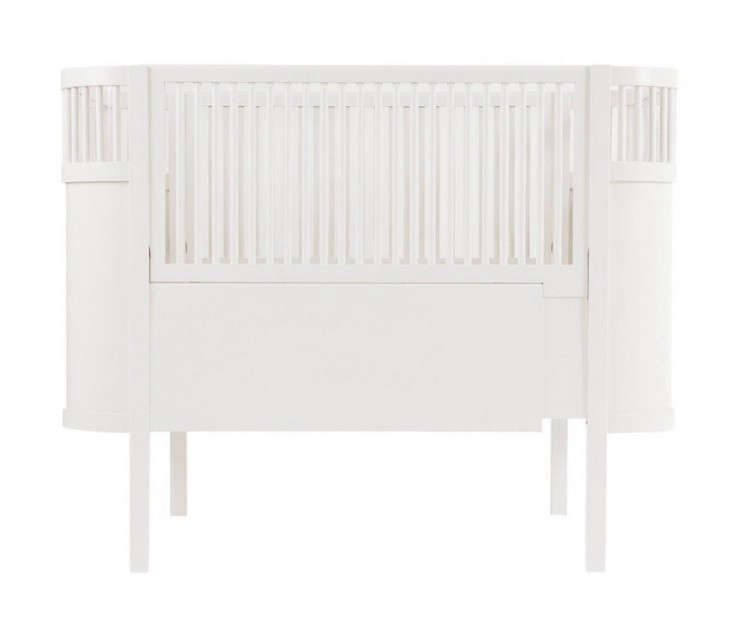
The Kili Baby Cot & Junior Bed is famous for its soft, rounded silhouette. Instead of sharp, boxy crib lines, it has a gentle oval-inspired shape that makes the nursery feel warmer and less like a furniture showroom with a diaper station. The slatted sides keep the design airy, while the curved ends create a vintage-meets-modern look.
This is where Danish design earns its reputation. The bed is not loud, flashy, or covered in cartoon animals wearing suspiciously cheerful expressions. It is simple, balanced, and easy to style with many nursery themes: minimalist, woodland, neutral, boho, coastal, or “we assembled this room while very tired but still have taste.”
Materials and Finish
Depending on the version, the bed is commonly associated with wood materials such as birch, beech, and engineered wood components. Current Sebra models are described as being made with certified wood and finished in soft Nordic colors such as classic white, muted green, beige, rose-toned neutrals, gray, and wood finishes. These shades are practical because they do not demand a complete room redesign every time your child changes favorite colors from “cloud” to “dinosaur volcano.”
The finish matters in a nursery. Babies touch everything. Toddlers taste-test furniture like tiny restaurant critics. A smooth, well-finished cot with rounded details is easier to wipe down and less likely to feel visually dated after a few years.
How the Convertible Design Works
The main reason parents consider the Kili Baby Cot & Junior Bed is its transformable design. In baby mode, it functions as a secure cot with slatted sides. As the child grows, the side panels can be removed when developmentally appropriate. Later, the bed can be extended into a junior bed.
Stage 1: Newborn Cot
In the earliest stage, the bed functions as a baby cot. The newer Sebra Bed includes a mattress base that can be positioned higher for newborn care, making it easier for parents to place the baby down and lift the baby out. This is not a small detail. Your back will notice. Your back will send a thank-you card.
As babies develop more mobility, the mattress base should be lowered according to the manufacturer’s instructions. Lowering the base helps reduce climbing risk once a baby can roll, sit, or pull up. This is one of the reasons adjustable mattress height is such a useful feature in a convertible crib.
Stage 2: Toddler-Style Bed
When a child is ready to climb in and out independently, removable side panels allow the bed to become more open. This stage can help the transition from crib to toddler bed feel less dramatic because the child is still sleeping in a familiar frame. Familiarity matters. A toddler who suddenly receives a brand-new bed may treat bedtime like a hotel grand opening.
Stage 3: Junior Bed
The extension function allows the bed to lengthen into a junior bed. Older Kili product listings commonly referenced a baby mattress size around 70 x 110 cm with an extension piece, while current Sebra Bed listings show an extended exterior length of roughly 157.75 cm. The exact measurements vary by version and market, so parents should always confirm dimensions before buying sheets, mattresses, or accessories.
Safety Considerations Parents Should Know
A beautiful crib is lovely. A safe crib is non-negotiable. The Kili Baby Cot & Junior Bed has been associated with European crib safety standards, and current Sebra models list conformity with EN 716 standards. However, families in the United States should also think about U.S. safe-sleep guidance when choosing and using any crib.
Use a Firm, Snug Mattress
Safe sleep guidance emphasizes a firm, flat sleep surface with a tight-fitting mattress and fitted sheet only. That means no pillows, loose blankets, quilts, bumper pads, or decorative stuffed animals in the crib for an infant. The nursery can still be adorable; the crib itself should be boringly empty. Boring, in this case, is brilliant.
Because the Kili/Sebra bed uses specific rounded dimensions, parents should buy a mattress designed for the exact model or carefully verify fit. A mattress that leaves gaps can create safety risks. Before purchasing third-party bedding, check the manufacturer’s measurements and confirm that the fitted sheet stays tight.
Follow the Mattress-Height Rules
If using the newer height-adjustable Sebra Bed, the highest mattress base position is intended for the newborn stage. Once the child begins rolling, sitting, or showing signs of pulling up, the base should be lowered as directed. Convertible furniture is helpful only when adjusted at the right time.
Transition When Climbing Starts
Many pediatric resources advise moving a child out of a crib setup when climbing becomes a realistic risk. With the Kili-style bed, the removable side and junior-bed conversion make that transition more natural. Still, parents should observe the child, not just the calendar. Some toddlers are cautious. Others appear to have been secretly training for parkour.
Why Parents Like the Kili Baby Cot & Junior Bed
1. It Offers Long-Term Value
A standard crib may last a few years. A convertible baby cot and junior bed can last much longer, potentially carrying a child from infancy into early school age. While the upfront cost is often higher than a basic crib, the longer lifespan may reduce the need to buy a separate toddler bed or early junior bed.
2. It Saves Space
The Kili-style design is especially attractive for smaller nurseries. In baby mode, it is compact enough to fit rooms where a large crib might dominate the floor plan. When extended, it becomes longer, but parents get to choose that stage later. This flexibility is useful in apartments, shared bedrooms, and homes where every square foot has a job.
3. It Looks Good Beyond the Baby Years
Some cribs scream “newborn” so loudly that they look out of place once a child becomes a chatty preschooler with opinions about socks. The Kili Baby Cot & Junior Bed avoids that problem with a refined design that still feels appropriate in junior-bed mode.
4. It Supports a Softer Transition
Moving from crib to bed can be emotional for children and parents. The Kili/Sebra format allows the bed to change gradually. The frame remains familiar, the room layout can stay mostly the same, and the child gains independence without being launched into a totally new sleeping environment.
Potential Downsides to Consider
The Price Can Be High
The Kili Baby Cot & Junior Bed is not usually a bargain-bin crib. It is a design-forward, long-use furniture piece, and the price often reflects that. Parents should factor in the mattress, extension mattress, fitted sheets, and accessories. A “just the frame” price can look friendlier until the bedding math arrives wearing tap shoes.
Mattress Compatibility Requires Attention
Because of the rounded shape and convertible sizing, this is not always a standard crib-mattress situation. Buying the matching mattress is often the simplest route, but it may increase the total cost. If choosing another mattress, exact sizing is essential.
It May Not Fit Every Decor Style
The Scandinavian look is versatile, but it is still a look. Families who prefer heavy traditional furniture, ornate nursery sets, or dark wood statement pieces may find the Kili design too minimal. That is not a flaw; it is a style choice.
Older Kili Listings May Differ From Current Sebra Models
Secondhand shoppers should be extra careful. Older Kili beds may not have the same adjustable base as newer Sebra models. Always request the manual, confirm all parts are included, inspect hardware, and verify that the bed has not been modified. Missing bolts and mystery pieces are not charming. They are furniture red flags.
How to Style the Kili Baby Cot & Junior Bed
The easiest way to style this bed is to let its shape do the work. Choose breathable fitted sheets in soft neutrals, warm whites, muted greens, dusty rose, oatmeal, or gentle blue. Add personality around the crib, not inside it. Wall art, a washable rug, a small bookshelf, and a cozy nursing chair can make the nursery feel complete while keeping the sleep surface safe and clear.
For a modern nursery, pair a white or beige Kili-style bed with pale wood shelves and simple black-and-white prints. For a warmer room, use a wooden-edition frame with cream textiles and woven baskets. For a playful toddler room, let the junior bed sit near low bookshelves, soft lighting, and accessible toy storage.
The key is restraint. Babies already come with colorful gear, tiny laundry piles, and approximately 900 burp cloths. A calm bed design helps the room avoid visual chaos.
Buying Tips Before You Choose the Kili Baby Cot & Junior Bed
Confirm the Exact Model
Check whether the listing is for the original Kili bed, the current Sebra Bed, Baby & Jr., or a secondhand version. Look closely at photos, product names, base adjustability, included parts, and extension details.
Measure the Room Twice
Measure the nursery in both baby-bed and extended junior-bed configurations. Leave space for walking, changing, feeding, and opening drawers. A beautiful bed is less charming if parents have to shuffle sideways like crabs at 2 a.m.
Budget for Accessories
Plan for the mattress, mattress extension, fitted sheets, mattress protector, and possible under-bed storage. If you want the bed to work smoothly through every stage, the accessories matter.
Read the Manual Before Assembly
Convertible beds are more complex than basic cribs. Read the instructions fully, organize the hardware, and assemble the bed with another adult when possible. Keep the manual for future conversions and adjustments.
Who Is the Kili Baby Cot & Junior Bed Best For?
The Kili Baby Cot & Junior Bed is best for parents who value long-term use, timeless design, and a gradual transition from crib to junior bed. It is especially appealing for families who prefer Scandinavian nursery furniture, want to reduce future furniture purchases, or have a smaller nursery that benefits from a compact first-stage cot.
It may not be the best fit for parents who want the lowest possible upfront cost, prefer standard crib mattresses, or need a crib that converts into a full-size adult bed. It is also not ideal for anyone who dislikes checking measurements carefully. This bed rewards detail-oriented shopping.
Overall, the Kili Baby Cot & Junior Bed earns its reputation because it solves a real parenting problem: children grow, furniture gets outgrown, and nobody enjoys replacing large nursery pieces every few years. With its convertible design, soft profile, and heirloom-like aesthetic, it offers a thoughtful alternative to the typical crib-to-toddler-bed shuffle.
Real-Life Experiences With the Kili Baby Cot & Junior Bed
Living with a Kili Baby Cot & Junior Bed is less about one dramatic “wow” moment and more about a series of small conveniences that add up. In the newborn stage, parents often appreciate the compact shape. It feels cozy without being cramped, and it can make a nursery look polished even when the rest of the room is operating under newborn survival law. That law, of course, states that no parent shall ever know where the clean pacifiers went.
One common experience is that the bed becomes a visual anchor for the room. Because the design is rounded and calm, it naturally softens the nursery. Parents who enjoy photography often like how the bed looks in milestone pictures. It does not overpower the baby, the bedding, or the room. It simply sits there looking elegant, as if it has never once witnessed a 3 a.m. diaper emergency.
The adjustable base on newer Sebra versions can also make daily care easier. During the early weeks, when parents are recovering, sleep-deprived, and moving like under-caffeinated robots, a higher mattress position can reduce bending. Later, lowering the base becomes part of the baby-proofing routine. The change is a reminder that the baby is developing, which is both wonderful and slightly alarming. Yesterday they were a sleepy potato; today they are gripping crib rails like a tiny gym coach.
The toddler transition is where the bed’s personality really shows. Instead of introducing a completely new toddler bed, parents can remove a side and keep the familiar frame. This can help some children feel more secure. The bed still smells like their sheets, sits in the same corner, and looks like “their” bed. The change feels like an upgrade rather than an eviction notice from babyhood.
In junior-bed mode, the Kili/Sebra design becomes more than nursery furniture. It starts to feel like a small child’s real bed. Parents may add a low reading light nearby, a small basket of books, or a washable rug beside it. The room shifts from baby care station to early childhood bedroom. That transition can be surprisingly emotional. The bed that once held a swaddled newborn now holds a child who asks for one more story, one more sip of water, and one more extremely important conversation about dinosaurs.
There are practical lessons, too. First, buy the right mattress and sheets from the beginning if possible. The rounded shape is lovely, but it makes accurate sizing more important. Second, keep every conversion part, screw, and manual in a labeled bag. Future-you will be grateful. Future-you does not want to search the garage for “that one curved bed piece” while a toddler announces that sleep is canceled.
Cleaning is usually straightforward: wipe the frame with a damp cloth and avoid harsh cleaners unless the manufacturer allows them. Parents should also inspect hardware occasionally, especially after conversions or moves. A convertible bed is furniture that changes form, so it deserves periodic checkups.
The biggest experience-related benefit is emotional continuity. Children often attach meaning to their sleeping space. A bed that grows with them can become part of their daily rhythm for years. For parents, that continuity also softens the cost. Instead of buying a crib, then a toddler bed, then a junior bed, the Kili Baby Cot & Junior Bed offers one evolving piece with a consistent design language.
Is it perfect? No product is. It can be expensive, accessories matter, and secondhand versions require careful inspection. But for families who love the look and want a long-lasting convertible crib, the Kili Baby Cot & Junior Bed delivers a rare mix of beauty, practicality, and sentimental value. It is furniture with a growth planand honestly, that is more than many adults can say.
Conclusion
The Kili Baby Cot & Junior Bed remains a favorite search term for parents who want a stylish, long-lasting, convertible crib with Scandinavian charm. Whether you are looking at the original Kili bed or the updated Sebra Bed, Baby & Jr., the appeal is clear: rounded design, practical conversion stages, quality materials, and a lifespan that can stretch from babyhood into the junior years.
For parents who want nursery furniture that looks beautiful, adapts thoughtfully, and avoids the waste of constant replacements, this bed deserves serious consideration. Just remember to verify the exact model, choose the correct mattress, follow safe-sleep guidelines, and store the conversion hardware somewhere safer than “that drawer where random things go to retire.”