If your garage, basement, patio, kennel area, or bathroom floor smells like a bad decision that never moved out, concrete is probably the reason. Concrete looks solid and innocent, but it is full of tiny pores. Once urine soaks in, the odor can hang around like an unwanted houseguest who keeps saying, “I’ll just stay five more minutes,” and then somehow lives there for three years.
The good news is that you can remove urine smell from concrete. The bad news is that a quick mop-and-pray routine usually does not work. The best method is to clean the surface first, fully saturate the contaminated concrete with an enzyme cleaner, keep it wet long enough to work, let it dry completely, and repeat if needed. If the odor is old, deep, or severe, sealing the concrete after cleaning is often the final move that wins the match.
This guide breaks down exactly how to do it, what products and tools help most, which shortcuts usually fail, and when it is time to bring in the big guns. Whether the smell came from pets, potty-training accidents, a leaky litter box, or a toilet area that has seen some things, this method gives you the best chance of getting your concrete back to smelling like absolutely nothingwhich, in home care, is a beautiful achievement.
Why Urine Smell Is So Hard to Remove from Concrete
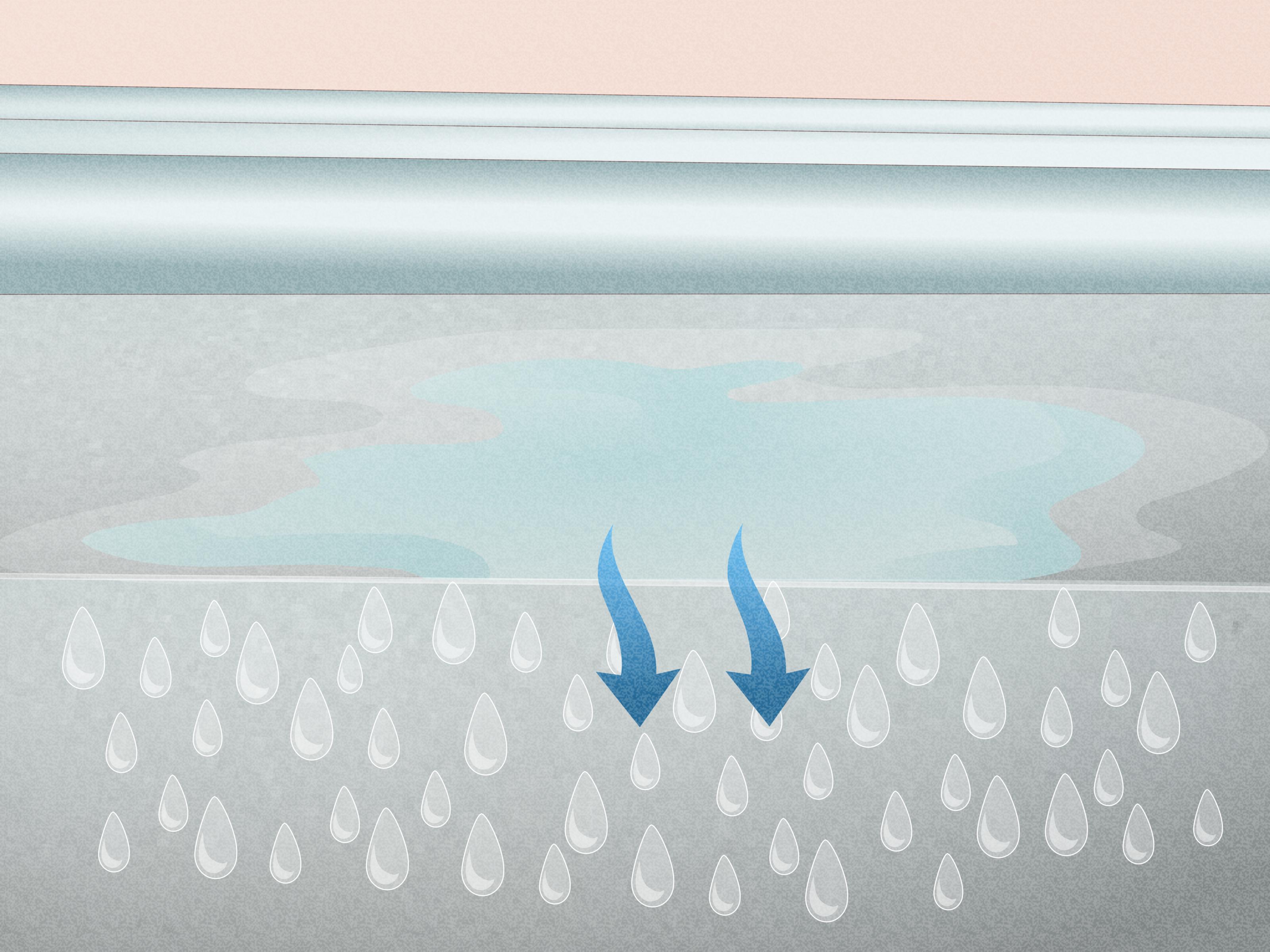
Urine odor is stubborn because concrete is porous. Instead of staying neatly on the surface where you can wipe it away and move on with your life, urine can sink into the pores of the slab. If the concrete is unsealed, cracked, rough-finished, or repeatedly soiled, it can absorb even more. That means the smell is not always “on” the floor. It is often in the floor.
As urine breaks down, the smell becomes stronger and more complicated. Fresh urine may smell sharp, but old urine can develop a nasty, lingering odor that returns in humid weather. That is why some homeowners swear the smell “comes back” after they cleaned it. In reality, the odor was never fully removed. Moisture or warmth simply woke it up again like a villain in a low-budget sequel.
Cat urine is especially notorious, but dog urine, human urine, and accidents around toilets can all create the same general problem: odor-causing residue trapped below the surface. That is why the best concrete urine odor removal strategy focuses on penetration, dwell time, and full dryingnot just fragrance.
The Best Method to Remove Urine Smell from Concrete
If you want the most effective all-around approach, follow these steps in order. This method works best for patios, garages, basements, utility rooms, kennel slabs, and other concrete surfaces where odor has soaked in.
Step 1: Find the worst spots first
Before you clean everything in sight, identify the strongest odor zones. Your nose may be enough, but if the area is large or the stains are old, inspect slowly and carefully. Look near walls, corners, floor drains, litter box areas, garage parking spots, or any place pets repeatedly used. If you are dealing with indoor pet accidents, a UV flashlight can help reveal dried urine spots that are easy to miss in normal light.
This step matters because the most contaminated zones need the deepest saturation. Spraying the whole floor lightly and hoping for a miracle is like brushing one tooth and expecting a full dental makeover.
Step 2: Remove surface dirt and residue
Sweep or vacuum the area thoroughly. Then wash away loose grime, dust, hair, and surface residue with warm water and a mild cleaner. If dried solids or old residue are present, remove them completely. On outdoor concrete, you can hose the area down first. Indoors, mop or wipe it with clean water and a small amount of dish soap if needed.
The point here is simple: enzyme cleaner needs access to the urine contamination, not a layer of random dirt standing in the way like a terrible bodyguard.
Step 3: Apply an enzyme cleaner generously
This is the most important step. Use an enzyme-based urine odor remover or a bacteria-and-enzyme cleaner designed for organic odors. Do not mist it lightly. Do not give the floor a polite little spritz. Saturate the affected area so the cleaner can soak into the same depth as the urine.
If you are treating a small spot, pour or spray enough product to fully wet the area and a little beyond the visible stain. If you are treating a larger slab, work in sections. For heavily contaminated zones, use a stiff nylon brush to help the cleaner move into the concrete pores.
Many people fail right here because they use too little cleaner. If the urine soaked deep, the treatment has to go deep too.
Step 4: Keep the area wet long enough to work
Enzyme cleaners are not magic in a bottle. They need contact time. Let the product sit according to the label directions. In many cases, that means at least 10 to 30 minutes, and old odors may benefit from much longer dwell time. If the area dries too fastespecially outdoors or in warm, breezy spaceslightly reapply to keep it damp.
This is one of the biggest differences between “I cleaned it and it still smells” and “Finally, sweet odorless victory.” If the cleaner dries before it has time to break down the odor source, you are basically ending the movie halfway through and wondering why the villain survived.
Step 5: Scrub, blot, or rinse as appropriate
After the dwell time, scrub the area again with a stiff-bristle nylon brush. For outdoor slabs, rinse with clean water if the product directions allow it. For indoor concrete, do not flood the room unless you can dry it properly. Instead, wipe up excess moisture, use towels, or extract with a wet vacuum if available.
The goal is to remove loosened residue without forcing more moisture into areas that already have drying problems. If you are cleaning a basement or garage, airflow matters. Open windows when possible and run fans to help the slab dry completely.
Step 6: Let it dry all the way
Concrete can hold moisture longer than people expect. Let the area dry completely before judging the result. Sometimes odor is faint during cleaning, then disappears once the slab fully dries. Other times the smell seems gone while wet and sneaks back as the concrete dries, which is your sign that some contamination remains deeper down.
Do not rush this part. Damp concrete can fool you.
Step 7: Repeat for old or severe odors
One treatment is often enough for newer accidents. Older urine smell, repeated pet marking, or contamination that soaked through cracks may need two or three rounds. Repeat the saturation and dwell-time process until the odor is dramatically reduced or gone.
Yes, repeating the process is annoying. No, it is not a sign you failed. It is just how deep-odor cleanup works on absorbent concrete.
Step 8: Seal the concrete if odor still lingers
If you have cleaned thoroughly and the smell still returns, especially in humid weather, the contamination may be too deep to remove completely. At that point, sealing the concrete can be the best finishing step. Use an odor-blocking primer or concrete-compatible sealer made to lock in persistent smells.
This is especially useful in garages, basements, kennel floors, laundry rooms, and rental turnovers where the concrete has seen repeated accidents over time. Sealing is not the first step. It is the finishing move after deep cleaning, when you need to trap any leftover odor in the slab and stop it from re-emerging.
What Not to Do
Do not use bleach as your first solution
Bleach can disinfect certain surfaces, but it is not the best method for deep urine odor in porous concrete. It often does not reach the full depth of the contamination, and the smell problem can remain. More importantly, bleach must never be mixed with ammonia or other cleaners. Since urine can release ammonia-like compounds, careless mixing is a terrible idea.
Do not rely only on vinegar for severe odor
Vinegar can help with light surface deodorizing, and it is a reasonable DIY option for mild smells. But for old, embedded urine in concrete, vinegar alone is often not enough. It may improve the smell without solving the source. Think of it as a decent backup singer, not the lead vocalist.
Do not use fragrance to mask the smell
Sprays, candles, and air fresheners may make the area smell like “lavender regret,” but they do not remove the urine residue in the slab. Masking the odor is temporary. When the scent fades, the concrete will still be there, smug as ever.
Do not oversoak indoor spaces without a drying plan
When treating indoor concrete, too much water can create a new headache. If the slab is in a basement or poorly ventilated room, excessive moisture can encourage musty smells and slow drying. Use enough liquid to treat the urine contamination, but also use fans, ventilation, and extraction when possible.
DIY Options vs. Commercial Enzyme Cleaners
If the odor is mild and recent, a DIY approach can sometimes help. A mix of water and white vinegar may reduce surface smell. Some people also try hydrogen peroxide-based cleaners for spot treatment. These can be useful for light cleanup or follow-up deodorizing, especially around toilet bases or small patio spots.
Still, the best method for stubborn urine smell in concrete is usually a commercial enzyme cleaner made for pet or organic odor removal. These products are designed to break down the source of the smell instead of simply covering it up. They are especially helpful when:
- the odor is old or heavy,
- the concrete is unsealed,
- the same area was soiled repeatedly,
- the smell comes back during humid weather, or
- you are preparing the space for guests, tenants, or resale.
When You May Need Professional Help
Sometimes the odor problem is bigger than a weekend cleaning project. You may want professional odor removal or restoration help if:
- the concrete was soaked repeatedly for months or years,
- the smell has spread into drywall, baseboards, carpet edges, or subfloor materials,
- the slab is cracked and contamination may have traveled deeper,
- you are dealing with a large indoor area such as a basement or kennel, or
- you have cleaned and sealed but still notice persistent odor.
Professional services can be worth it in severe cases, especially when time matters or the area needs to be move-in ready. That is not surrender. That is strategy.
Specific Examples: Best Method by Area
Garage concrete
Garages often need multiple rounds because the slab is usually unfinished and deeply porous. Sweep first, apply enzyme cleaner heavily, scrub, let it dwell, then dry with fans. If odor remains, seal the floor after it fully dries.
Basement concrete floor
Basements require extra attention to airflow. Use fans and possibly a dehumidifier so the slab dries properly. In damp basements, lingering moisture can make any leftover odor seem worse.
Outdoor patio or dog run
Outdoor concrete often responds well to a rinse, enzyme treatment, scrubbing, and a second application to keep the area wet long enough. Warm weather can dry product too quickly, so reapply as needed during dwell time.
Concrete around a toilet
If the smell is around a toilet base in a bathroom with concrete flooring, first make sure the odor is truly surface contamination and not a plumbing issue or failed wax ring. If it is a urine splash problem, enzyme cleaner plus careful scrubbing around the base usually works well.
Experience-Based Advice: What People Learn the Hard Way
Here is the part that rarely makes it onto the label but matters in real life: people often spend days fighting concrete odor because they underestimate how much urine the slab absorbed. They clean what they can see. The slab keeps what it can smell.
One common experience happens in garages where an older dog had a “favorite corner.” The homeowner sprays a cleaner, wipes it up, and feels pretty proud for about six hours. Then the afternoon heat kicks in, the garage door opens, and boomthe smell returns like it paid rent. What finally works is treating an area much larger than the visible spot, soaking it thoroughly, brushing it in, and repeating the process after a full dry cycle. The lesson is simple: the stain you see is often smaller than the odor zone you need to treat.
Another familiar story comes from basements. Someone adopts a rescue pet, notices a smell near one wall, and assumes it is just “general basement funk.” Three weeks later they realize the dog used the same spot during rainy weather. They mop, they light a candle, they blame the house, they blame the weather, they briefly question reality. Once they switch to an enzyme cleaner, keep the area wet long enough, and run fans for a full day, the smell drops dramatically. Then they seal the slab later and stop thinking about it forever, which is the dream.
Cat owners usually report the steepest learning curve. Cat urine has a way of humbling even very confident people. A litter box that leaked, a stressed cat that picked one edge of the room, or a hidden accident behind storage bins can create a smell that seems way larger than the actual spot. In those cases, what works is patience and coverage. Cleaners have to reach every contaminated inch, including the “halo” around the obvious area. Rushing the job is basically volunteering to do it twice.
Rental properties provide another useful example. Property owners often discover that the floor looks fine after scrubbing, but the smell comes back as soon as the place is closed up overnight. That usually means two things: the urine was older than expected, and basic cleaning only touched the surface. Experienced turnover crews know that deep saturation, drying time, and sealing are what make the difference between “smells better” and “ready for the next tenant.”
Outdoor patios bring their own twist. People assume sunshine and rain will take care of pet urine naturally, but repeated use in one area can leave a concentrated odor patch that gets worse in hot weather. Many homeowners are surprised by how much better the patio smells once they stop using regular soap alone and switch to an enzyme product designed for outdoor odor. The biggest mistake outdoors is letting the cleaner evaporate too quickly. If it dries fast, it cannot do its full job.
Perhaps the most valuable experience-based lesson is this: success usually comes from method, not mystery. The people who get rid of the odor are usually the ones who stop trying random tricks and start following a deliberate processclean, saturate, dwell, scrub, dry, repeat, seal if necessary. It is not glamorous. It is not exciting. No one throws a parade because your concrete finally smells neutral. But in the world of home maintenance, a neutral-smelling floor is basically a standing ovation.
Final Thoughts
If you are wondering how to remove urine smell from concrete, the best method is not complicatedbut it does require doing the unglamorous steps well. Start by cleaning the surface, then use a quality enzyme cleaner generously enough to reach the concrete pores. Give it proper dwell time, help it penetrate with scrubbing, let the slab dry fully, and repeat if the smell is old or severe. When deep odor still hangs on, seal the concrete to lock in any remaining residue.
That combination works because it addresses the real issue: urine trapped below the surface. Once you stop treating concrete like tile and start treating it like the odor sponge it secretly is, your results usually improve fast. And when the smell is finally gone, take a moment to appreciate the miracle of walking into the room and smelling absolutely nothing. Boring? Yes. Beautiful? Also yes.