Plating is the culinary version of getting dressed for a first date: the food still needs personality, but presentation decides whether anyone notices it in the first place. You can make an incredible meal, but if it lands on the plate looking like it lost a bar fight with a ladle, the experience starts on the wrong foot. The good news is that beautiful plating is not reserved for white-tablecloth restaurants, celebrity chefs, or people who own suspiciously tiny tweezers. It is a skill anyone can learn.
If you want to know how to present food on a plate, the secret is not “make it fancy.” The secret is to make it intentional. Great plating guides the eye, highlights the star ingredient, adds contrast, and makes every component look like it belongs exactly where it is. In other words, it turns dinner into a little event. Below, you will learn the best plating techniques for home cooks, food bloggers, aspiring chefs, and anyone who wants their meals to look as good as they taste.
Why Food Plating Matters More Than People Admit
We all say flavor is what matters most, and that is true. But presentation shapes expectations before the first bite ever happens. A well-plated dish signals care, balance, freshness, and confidence. It tells people, “Yes, I meant to do that,” which is exactly the energy you want from your dinner.
Good food presentation also makes your cooking feel more memorable. A simple roast chicken becomes dinner-party worthy with a thoughtful herb garnish and a clean sauce swoosh. A bowl of pasta looks restaurant-ready when you give it height, restraint, and a little shine. Even toast can feel elegant if it is plated with color, texture, and breathing room instead of being dropped on a plate like a paperweight.
At home, plating improves more than appearance. It helps with portioning, balance, and flow. Instead of throwing everything onto one overloaded plate, you start thinking about what the dish needs: crunch, brightness, color contrast, or a focal point. That mindset often makes the food itself better.
Start with the Plate: Your Food Needs a Stage, Not a Parking Lot
Choose the right size plate
One of the fastest ways to improve plating is to stop using the wrong plate. A plate that is too small makes the meal look cramped. A plate that is too large can make dinner look lonely, like it is waiting for its friends to arrive. Aim for a plate that frames the food rather than swallowing it.
For many entrees, a medium-to-large dinner plate works well because it gives you room to separate components without forcing them to overlap. Desserts usually benefit from smaller plates, which naturally make portions feel polished and intentional. The plate should support the meal, not steal the scene.
Match the plate to the food’s mood
White plates remain popular for a reason: they make color pop and keep the focus on the food. But they are not your only option. Rustic dishes can look fantastic on stoneware, patterned pottery, cast iron, or even serving platters if the style fits the meal. Think of the plate as part of the visual story. Cozy braised short ribs and minimalist sashimi should not necessarily be dressed the same way.
Use contrast, not chaos
Bright ingredients usually benefit from a simpler background. If your dish already has vivid garnishes, colorful sauces, or lots of tiny components, a clean plate keeps everything from becoming visual confetti. If the food is more neutral in tone, textured or darker serving ware can add depth and warmth.
The Core Principles of Restaurant-Style Plating
Create a focal point
Every good plate needs a star. That might be a seared salmon fillet, a slice of layer cake, a quenelle of mashed potatoes, or a stack of roasted vegetables. The focal point is where the eye lands first. Once you know what the star is, the other elements should support it instead of competing with it.
A focal point does not have to sit dead center. In fact, placing it slightly off-center often looks more natural and modern. Centered plating feels formal and symmetrical. Off-center plating tends to feel dynamic and relaxed.
Use negative space
Negative space is the empty area around the food. New cooks often fear it and try to fill every inch. Resist that urge. Empty space is not wasted space; it is what makes the plate feel elegant. It gives the eye a place to rest and prevents the dish from looking crowded.
If you remember one thing, remember this: just because there is room on the plate does not mean something has to live there.
Build color contrast
A beige plate can taste wonderful and still look like a culinary cry for help. Color is one of the easiest tools for better food presentation. Add a green herb salad to a roast. Top orange soup with white yogurt and green chives. Finish dark chocolate dessert with red berries or bright citrus zest.
The best color contrast feels natural, not forced. Use ingredients that already belong with the dish. A garnish should taste like it has a reason to exist.
Vary texture and shape
Beautiful plates combine visual texture and eating texture. A creamy puree next to crispy shallots looks and tastes better than creaminess piled onto more creaminess. Likewise, shape matters. Rounded dollops, angled vegetables, thin ribbons, neat slices, crunchy shards, and soft folds all add interest.
If everything on the plate is the same size, same color, and same texture, the eye gets bored before the fork shows up.
Add height, but do not build a food skyscraper
Height makes a plate look lively and professional. That can mean layering sliced protein over a puree, leaning crostini against a salad, twirling pasta into a neat mound, or topping soup with a crisp garnish. The goal is dimension, not engineering. If your stack collapses the second someone looks at it, you have crossed from plating into architecture.
Best Plating Techniques to Make Food Look Amazing
1. Plate the largest item first
Start with the main component, then tuck smaller ingredients around it. This creates balance and helps prevent the plate from looking random. Protein, tart, or composed vegetable centerpiece first. Sauces, garnishes, and little accents later.
2. Use the rule of odds
Groups of three or five often look more natural and visually appealing than even numbers. Three scallops, five roasted carrots, or three slices of duck breast usually look better than two or four. Odd numbers create movement and keep the plate from feeling too stiff.
3. Work with lines and diagonals
Diagonal placement can make a dish feel energetic and stylish. Long vegetables, whole fish, piped purees, and arranged slices all benefit from directional movement. Clean lines also guide the eye toward the focal point. Think of the plate like a little map: you are deciding where the viewer looks first, second, and third.
4. Sauce with purpose
Sauce can completely transform food plating when used well. Spoon it under the protein for a clean, composed look. Drag it into a teardrop or swoosh for something more dramatic. Dot it around the plate for modern flair. Drizzle it lightly for motion and softness.
What you should not do is drown the plate. Sauce should support the dish, not flood it like a parking lot after a summer storm.
5. Try classic, free-form, or landscape plating
Classic plating arranges components in a more structured style. It is tidy, balanced, and great for traditional meals.
Free-form plating feels looser and more artistic, with dots, sliced components, or asymmetrical spacing.
Landscape plating creates a low, long composition across the plate. It works especially well for fish, vegetables, and tasting-menu style presentations.
6. Use a quenelle for soft foods
A quenelle is that smooth oval scoop you see in restaurants on mashed potatoes, ice cream, mousse, or tartare. It instantly makes soft food look more refined. You do not need to turn every side dish into a French sculpture, but learning a simple quenelle technique is a fun way to elevate presentation.
7. Garnish intentionally
The best garnishes add color, aroma, texture, or flavor. Fresh herbs, citrus zest, toasted nuts, edible flowers, microgreens, flaky salt, crispy crumbs, and shaved vegetables can all work beautifully. Random parsley flung onto a plate out of guilt does not count as plating. That is just leafy panic.
8. Clean the rim
This step is tiny and mighty. After plating, wipe smudges, drips, and fingerprints from the rim with a clean towel. A clean edge makes the whole dish look sharper and more professional, even if dinner is meatballs on a Tuesday.
How to Plate Different Types of Dishes
Proteins and composed entrees
Set the protein first, then frame it with vegetables, starch, and sauce. Keep each component visible. Sliced steak can be fanned slightly. Fish can sit on a bed of grains or puree. Roasted vegetables should look deliberate, not dumped from the pan at the last second while muttering, “good enough.”
Pasta and grain bowls
Twirl pasta into a mound using tongs or a carving fork for height and polish. Finish with grated cheese, herbs, and a small amount of sauce on top rather than letting everything pool heavily. Grain bowls benefit from contrast: cluster ingredients in sections or arcs rather than mixing them into visual mush.
Salads
Think composition, not pile. Layer larger leaves first, then place colorful or delicate toppings where they can be seen. Use crunchy elements at the end so they stay crisp. Dress just before serving to avoid the “sad salad slump.”
Desserts
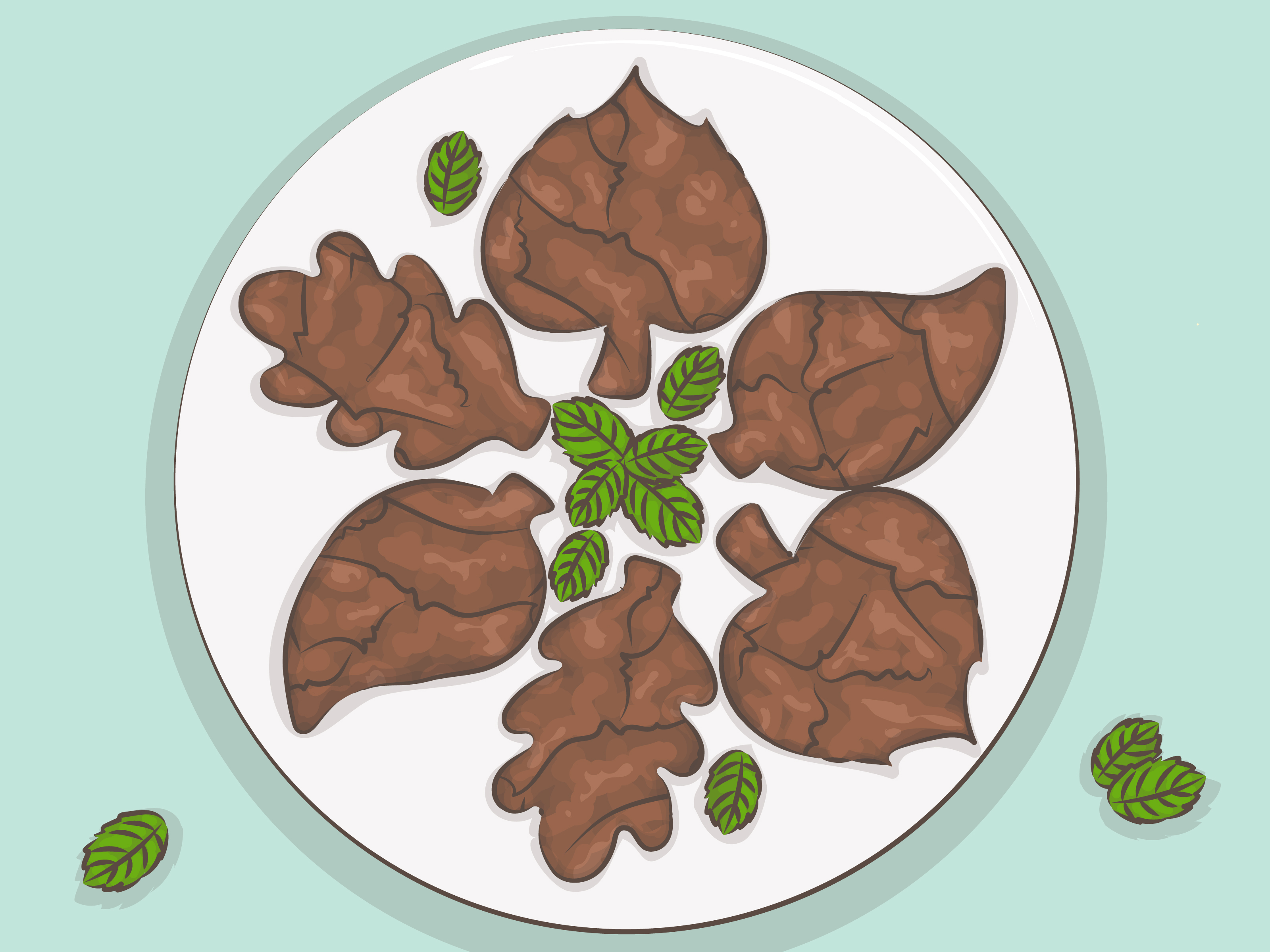
Desserts love contrast. Pair creamy with crisp, dark with bright, smooth with crumbly. A slice of cake can be offset with berry compote, a scoop of ice cream, or a crisp tuile. Dusting with powdered sugar, adding a sauce trail, or using a small garnish like mint can create a polished finish without overcomplicating the plate.
Family-style dishes
Not every meal needs individual restaurant plating. Sometimes the better move is one large, beautiful platter. Family-style presentation works especially well for roast chicken, salads, grilled vegetables, and festive sides. Use generous but organized placement, then finish with one unifying garnish such as herbs, citrus, or crunchy toppings.
Common Food Presentation Mistakes to Avoid
- Overcrowding the plate: Too much food makes everything blur together.
- Using inedible or irrelevant garnishes: Garnishes should belong to the dish.
- Ignoring color: A monochrome plate needs contrast somewhere.
- Drowning food in sauce: Show restraint so textures stay visible.
- Making every plate overly fussy: Simplicity often looks more confident.
- Forgetting temperature and timing: Beautiful food still needs to arrive hot when hot food is meant to be hot, and cold when cold dishes should be cold.
- Skipping the final check: One smear on the rim can undo five minutes of good work.
A Quick Plating Formula You Can Use Tonight
- Choose the right plate.
- Pick the focal point.
- Place the largest item first.
- Add supporting elements with contrast in color and texture.
- Create one sense of movement with height, lines, or diagonal placement.
- Add a purposeful garnish.
- Wipe the rim and serve immediately.
That is it. You do not need tweezers, a culinary degree, or a soundtrack from a cooking competition show. You just need intention and a little repetition.
Real-World Experiences and Lessons from Plating Food
One of the most useful truths about plating is that it usually becomes important the moment people start cooking for someone else. Home cooks often discover this at a birthday dinner, a holiday table, or the first time they post a meal online and realize the camera can be brutally honest. A roast that looked magnificent in the pan can suddenly appear flat and messy on the plate. That is when plating stops sounding like a fancy restaurant term and starts feeling like a practical kitchen skill.
A common experience is the “everything tastes great, but why does it look tired?” moment. Usually the fix is not dramatic. It is often as simple as using a larger plate, reducing the portion slightly, adding a fresh green garnish, and separating the components so they do not collapse into one beige heap. People are often surprised by how quickly a meal changes when mashed potatoes are shaped neatly, vegetables are placed with purpose, and sauce is spooned underneath instead of dumped on top.
Another real-life lesson comes from entertaining. When cooks prepare food for guests, they tend to either over-plate or under-think it. Over-plating happens when every element is fussed over so much that dinner turns into a 20-minute art project and the food goes lukewarm. Under-thinking happens when beautiful food is rushed onto plates without structure. The sweet spot is preparation. Wash herbs early, slice garnishes ahead of time, keep sauces ready, and know where each item will go before the food leaves the pan. Good plating is often won before plating begins.
There is also the experience of learning that not every dish wants the same treatment. Pasta behaves differently from steak. Salad needs lift and air. Desserts can handle a little drama. A composed fish plate may love diagonals and negative space, while macaroni and cheese looks better with comfort and abundance than with minimalist restraint. The more people cook, the more they realize plating is not about following one rigid style. It is about matching the presentation to the personality of the food.
Many cooks also discover that garnishes are either heroes or villains. The hero garnish adds flavor, color, and a final spark: chopped chives on soup, dill on salmon, citrus zest on cake, toasted nuts on vegetables. The villain garnish is added because the plate “needed something,” and now everyone is politely moving an inexplicable rosemary branch around with a fork. Experience teaches that the best garnishes make sense.
Finally, there is the confidence factor. The first few attempts at careful plating can feel awkward, slow, and a little theatrical. Then, suddenly, it clicks. You stop guessing. You see balance faster. You notice empty space, color gaps, and crooked angles almost automatically. That is the moment plating becomes fun. Not fussy. Not intimidating. Just another part of cooking well. And once that happens, even a simple weeknight dinner can arrive at the table looking like it knew exactly what it was doing.
Conclusion
If you want to present food on a plate beautifully, focus on intention over complexity. Choose a plate that fits the meal, create a clear focal point, use negative space wisely, add contrast through color and texture, and garnish with purpose. The best plating techniques are not about showing off. They are about making food look as delicious as it actually is.
So the next time you plate dinner, slow down for one extra minute. Swipe the rim. Add the herbs. Move the carrots. Give the sauce a little shape. Your food deserves a better entrance than “here, I guess.”