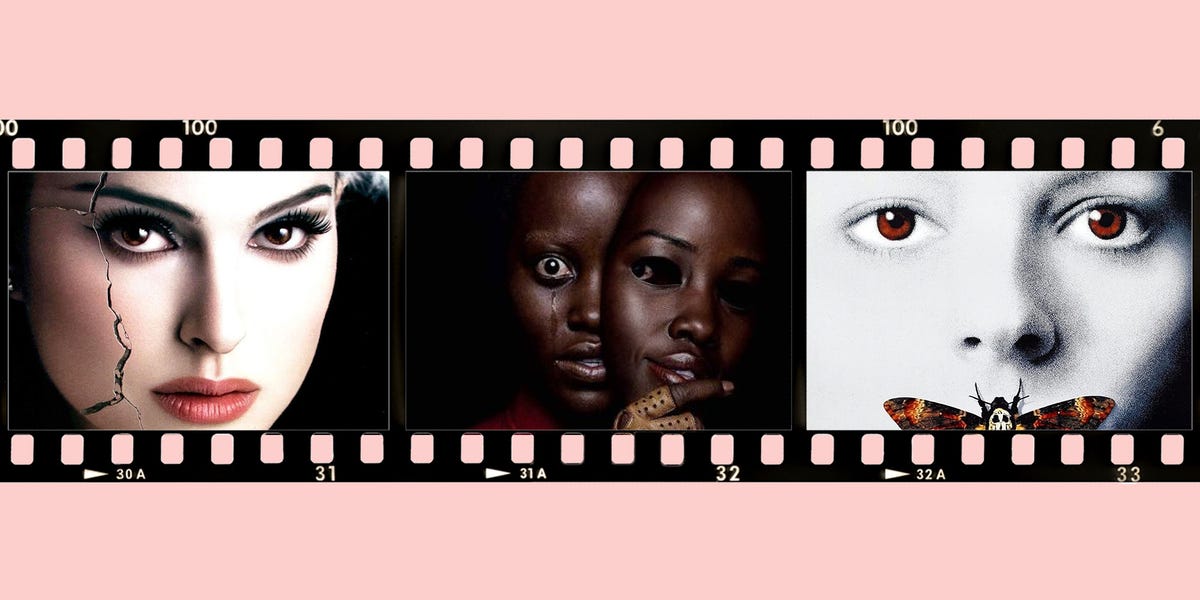
Some movies make you jump. Psychological thrillers make you question the chair you’re sitting in. The best psychological thrillers do not merely ask, “Who did it?” They whisper, “Are you sure you understood what just happened?” Then they dim the lights, rearrange your assumptions, and leave you staring at the credits like you just lost a chess match to a refrigerator.
This guide to the 40 best psychological thrillers of all time to watch in 2024 is built for movie lovers who enjoy suspense, unreliable narrators, mind games, moral puzzles, eerie atmospheres, and twisty stories that live rent-free in your head. From Alfred Hitchcock’s old-school mastery to David Fincher’s razor-sharp dread, from Korean revenge cinema to modern social thrillers, these films prove that fear is often most powerful when it starts in the mind.
Whether you are planning a weekend movie marathon, building a “films I should have watched by now” list, or simply looking for something more intelligent than another predictable chase scene, these psychological thriller movies deserve a spot on your watchlist.
What Makes a Great Psychological Thriller?
A great psychological thriller is not just a mystery with a moody soundtrack. It usually has a few key ingredients: emotional pressure, unstable perception, moral ambiguity, and a story that keeps shifting under your feet. The villain may be outside the house, inside the system, or sitting quietly inside the main character’s own mind. Fun! Terrible for sleep, excellent for cinema.
The films below were chosen for their cultural impact, storytelling craft, performances, direction, rewatch value, and ability to make viewers say, “Wait, pause itI need to think.”
40 Best Psychological Thrillers of All Time
1. Psycho (1960)
Alfred Hitchcock’s landmark thriller remains one of cinema’s greatest lessons in tension, misdirection, and atmosphere. Psycho changed how audiences watched suspense films, proving that the scariest room in a motel is not always the one with bad wallpaper.
2. The Silence of the Lambs (1991)
Few psychological thrillers balance crime, character, and dread as brilliantly as Jonathan Demme’s Oscar-winning classic. Jodie Foster’s Clarice Starling and Anthony Hopkins’ Hannibal Lecter create a battle of intellects that is gripping without needing constant spectacle.
3. Se7en (1995)
David Fincher’s bleak crime thriller follows two detectives through a case that grows more disturbing with every clue. Its power comes from atmosphere, moral tension, and a final act that has become one of the most discussed endings in modern thriller history.
4. Vertigo (1958)
Another Hitchcock masterpiece, Vertigo is less about solving a case and more about obsession, identity, and emotional manipulation. It is elegant, haunting, and quietly devastatingthe cinematic equivalent of a beautiful spiral staircase you should probably not climb.
5. Rear Window (1954)
A photographer stuck at home begins watching his neighbors and suspects something sinister. Hitchcock turns one apartment view into a pressure cooker of suspicion, voyeurism, and suspense. It is proof that sometimes the nosiest person in the building is also the plot.
6. Memento (2000)
Christopher Nolan’s breakout film tells its story in a fragmented structure that mirrors the main character’s memory condition. The result is a puzzle thriller that forces viewers to become detectives, editors, and mildly stressed philosophers all at once.
7. Fight Club (1999)
David Fincher’s cult favorite explores consumer culture, masculinity, identity, and self-destruction through a darkly comic psychological lens. It is stylish, provocative, and still widely debatedexactly the kind of movie that makes a group chat suddenly too intense.
8. Black Swan (2010)
Darren Aronofsky turns the world of ballet into a psychological pressure chamber. Natalie Portman’s performance anchors a story about perfectionism, rivalry, identity, and artistic obsession. It is graceful, unsettling, and definitely not the film to watch before dance class.
9. Gone Girl (2014)
Based on Gillian Flynn’s bestselling novel, Gone Girl is a sharp, icy thriller about marriage, media, performance, and public perception. Fincher’s direction keeps every smile suspicious and every headline dangerous.
10. The Sixth Sense (1999)
M. Night Shyamalan’s supernatural psychological thriller became famous for its twist, but the film works because of its emotional storytelling. It is quiet, sad, eerie, and carefully constructed, rewarding viewers who pay attention to the smallest details.
11. Shutter Island (2010)
Martin Scorsese sends Leonardo DiCaprio into a stormy island institution where every conversation feels like a trapdoor. The film blends noir, trauma, paranoia, and mystery into one fog-covered nightmare with excellent production design.
12. Mulholland Drive (2001)
David Lynch’s dreamlike thriller is not interested in easy answers, and that is part of its strange magic. Mulholland Drive explores Hollywood fantasy, identity, desire, and dread in a way that feels like decoding a nightmare written in cursive.
13. Oldboy (2003)
Park Chan-wook’s Korean thriller is intense, stylish, and emotionally brutal without losing its visual elegance. Its story of imprisonment, revenge, and manipulation remains one of international cinema’s most unforgettable psychological gut-punches.
14. Parasite (2019)
Bong Joon-ho’s Oscar-winning masterpiece blends social satire, family drama, suspense, and psychological unease. It begins with clever class commentary and gradually tightens into something darker, stranger, and impossible to forget.
15. Get Out (2017)
Jordan Peele’s debut redefined the modern social thriller. Smart, funny, unsettling, and sharply observed, Get Out uses genre tension to explore race, politeness, exploitation, and the terror hiding behind a very friendly smile.
16. The Shining (1980)
Stanley Kubrick’s adaptation of Stephen King’s novel is a masterclass in isolation and psychological collapse. The Overlook Hotel feels alive, the camera seems to know too much, and every hallway looks like a bad decision waiting to happen.
17. Taxi Driver (1976)
Martin Scorsese’s portrait of urban loneliness and alienation is one of the most influential psychological character studies ever made. Robert De Niro’s Travis Bickle is disturbing not because he is loud, but because the film lets us sit too close to his worldview.
18. The Machinist (2004)
Christian Bale gives a haunting performance as a factory worker losing his grip on reality. The Machinist is grim, atmospheric, and built around guilt, insomnia, and the terrifying feeling that the mind can become its own locked room.
19. Prisoners (2013)
Denis Villeneuve’s thriller asks how far desperation can push ordinary people. Hugh Jackman and Jake Gyllenhaal deliver tense performances in a story full of moral uncertainty, dread, and slow-burning suspense.
20. Zodiac (2007)
Rather than focusing on easy answers, Fincher’s Zodiac studies obsession: the need to solve, prove, and understand. It is one of the best investigative thrillers ever made because it shows how a mystery can consume everyone who touches it.
21. The Game (1997)
Michael Douglas plays a wealthy man pulled into a mysterious experience that may be entertainment, conspiracy, or psychological warfare. Fincher’s sleek direction keeps the viewer guessing until reality itself feels negotiable.
22. Perfect Blue (1997)
Satoshi Kon’s animated psychological thriller follows a pop idol whose identity begins to fracture under fame, fandom, and fear. Its influence can be felt across modern cinema, especially in stories about performance, celebrity, and unstable reality.
23. Misery (1990)
Based on Stephen King’s novel, Misery is a claustrophobic thriller about fandom gone horribly wrong. Kathy Bates gives a legendary performance, turning cheerful hospitality into something deeply unnerving.
24. Cape Fear (1991)
Scorsese’s remake is a sweaty, intense psychological revenge thriller with Robert De Niro at his most menacing. The film explores guilt, family pressure, and the fear of being watched by someone who refuses to go away.
25. Blue Velvet (1986)
David Lynch peels back the surface of small-town America to reveal a surreal world of secrets and danger. Blue Velvet is strange, stylish, and deeply influential, mixing innocence and corruption in a way only Lynch can make feel oddly poetic.
26. No Country for Old Men (2007)
The Coen brothers’ thriller is quiet, tense, and philosophical. Its psychological power comes from fatalism, silence, and a villain who seems less like a person than a walking coin toss with terrible customer service.
27. Nightcrawler (2014)
Jake Gyllenhaal is unforgettable as Lou Bloom, a driven outsider who discovers a market for sensational crime footage. Nightcrawler is a razor-sharp media satire and a chilling portrait of ambition without empathy.
28. The Others (2001)
Nicole Kidman leads this elegant gothic thriller about a mother protecting her children in a dark, isolated house. The film uses mood, silence, and uncertainty beautifully, proving that a closed door can be scarier than a loud monster.
29. Donnie Darko (2001)
A cult favorite blending teen alienation, time loops, dark humor, and psychological mystery, Donnie Darko is strange in the best possible way. It feels like a suburban nightmare wearing a bunny mask and quoting philosophy homework.
30. The Talented Mr. Ripley (1999)
Patricia Highsmith’s charming, dangerous antihero gets a lush adaptation filled with envy, identity theft, longing, and deception. Matt Damon’s performance makes Tom Ripley both sympathetic and deeply alarming.
31. Rosemary’s Baby (1968)
This classic thriller builds terror through gaslighting, suspicion, and the loss of control. Its horror is psychological first, supernatural second, making it one of the most influential films about paranoia and isolation.
32. Inception (2010)
Christopher Nolan’s dream-heist blockbuster is more action-heavy than many titles here, but its psychological ideas are central: grief, memory, guilt, and the fragile line between dreams and reality. Also, yes, the spinning top still has fans arguing.
33. The Girl with the Dragon Tattoo (2011)
Fincher’s adaptation is cold, precise, and deeply atmospheric. Rooney Mara’s Lisbeth Salander gives the film its sharpest edge, while the mystery unfolds through family secrets, trauma, and institutional corruption.
34. American Psycho (2000)
Part satire, part psychological horror, American Psycho examines vanity, status, and emptiness through a deeply unreliable lens. Christian Bale’s performance turns corporate polish into something absurd and frightening.
35. The Handmaiden (2016)
Park Chan-wook’s elegant thriller is full of deception, shifting perspectives, and elaborate emotional games. It is stylish, clever, and beautifully constructed, with each reveal changing how viewers understand the story.
36. Memories of Murder (2003)
Bong Joon-ho’s crime thriller follows detectives investigating a difficult case in rural South Korea. More than a procedural, it becomes a study of frustration, ego, uncertainty, and the psychological damage of unanswered questions.
37. Mother (2009)
Another Bong Joon-ho standout, Mother follows a woman determined to clear her son’s name. The film mixes maternal devotion, mystery, and moral ambiguity into a thriller that feels both intimate and devastating.
38. The Invisible Man (2020)
This modern reinvention uses science-fiction horror to explore control, fear, and disbelief. Elisabeth Moss gives a gripping performance, and the film turns empty space into a source of constant tension.
39. Burning (2018)
Lee Chang-dong’s slow-burn thriller is mysterious, quiet, and psychologically rich. It explores jealousy, class tension, loneliness, and uncertainty without handing the viewer a neatly wrapped explanation.
40. The Menu (2022)
A darkly funny thriller set inside an exclusive dining experience, The Menu skewers wealth, status, foodie culture, and artistic ego. It is tense, stylish, and may make you look suspiciously at foam-based appetizers forever.
Best Psychological Thrillers to Watch First in 2024
If you are new to the genre, start with The Silence of the Lambs, Gone Girl, Get Out, Shutter Island, and Prisoners. These films are accessible, tightly paced, and packed with the kind of suspense that hooks even casual viewers. For classic cinema fans, begin with Psycho, Rear Window, and Vertigo. For viewers who like puzzle-box storytelling, go straight to Memento, Inception, Mulholland Drive, and Perfect Blue.
For international psychological thrillers, Oldboy, Parasite, The Handmaiden, Memories of Murder, Mother, and Burning prove that suspense speaks every language. Subtitles are not homework here; they are your passport to some of the most gripping films ever made.
How to Plan the Perfect Psychological Thriller Movie Marathon
A psychological thriller marathon should be planned carefully. This is not the genre where you casually stack six emotionally exhausting films and expect to wake up cheerful. Start with something stylish and accessible, like Rear Window or Get Out. Move into a heavier film like Prisoners or Zodiac. Then end with a mind-bender like Memento or Mulholland Drive if you enjoy going to bed with question marks floating over your head.
Keep snacks simple. Psychological thrillers and complicated nachos are a risky pairing. You do not want to be decoding a nonlinear narrative while also wondering whether the cheese has migrated onto the remote. Also, check ratings and content advisories before watching with younger viewers or mixed groups, because many of these films include mature themes, intense suspense, and disturbing situations.
Why Psychological Thrillers Still Matter
Psychological thrillers remain popular because they tap into timeless fears: losing control, being deceived, not knowing whom to trust, and discovering that reality may not be as stable as it looks. Unlike simple action thrillers, they ask viewers to participate. You watch faces, listen for contradictions, study rooms, question motives, and occasionally accuse the wrong character with total confidence. That is part of the fun.
The best psychological thriller movies also age well because they are rooted in human behavior. Technology changes, fashion changes, and movie phones get hilariously larger the farther back you go, but obsession, guilt, fear, envy, and paranoia remain very reliable engines of suspense.
Personal Viewing Experience: What These Movies Feel Like to Watch
Watching the 40 best psychological thrillers of all time is less like checking films off a list and more like traveling through different rooms in the same haunted mansion. Each room has its own wallpaper, its own rules, and its own suspiciously creaky floorboard. What makes the experience so addictive is that every film plays a slightly different game with your attention.
A movie like Rear Window makes you feel like an accomplice. You know you should not enjoy spying on the neighbors, but Hitchcock turns curiosity into suspense so smoothly that you are leaning forward before you realize it. Psycho feels different: it teaches you that a story can change direction suddenly and still hold you completely. Even decades later, it has the confidence of a magician who knows exactly where your eyes are looking.
Modern thrillers create a different kind of pressure. Gone Girl feels like scrolling through a media scandal while realizing every headline is part of a larger performance. Nightcrawler feels uncomfortably close to the attention economy, where ambition and exploitation wear the same cheap suit. Get Out is especially powerful because its tension grows out of social behavior that looks polite on the surface. The horror is not only in what happens, but in how long everyone pretends things are normal.
Then there are the films that make your brain feel like it needs a software update. Memento forces you to assemble meaning backward. Mulholland Drive asks you to trust emotion more than logic. Perfect Blue blurs identity, performance, and perception until the viewer feels as trapped as the character. These are not passive movies. They ask you to work, but they reward that work with images and ideas that linger for years.
The international selections add even more depth to the genre. Oldboy is operatic and relentless. Burning is quiet, patient, and slippery. Parasite moves so elegantly between comedy, suspense, and tragedy that the tonal shifts feel effortless. These films remind viewers that psychological tension does not need one specific formula. Sometimes it is loud and shocking. Sometimes it is a silence that stretches too long at dinner.
The best way to experience these thrillers is to watch them without multitasking. Put the phone away, dim the lights, and let the movie control the room. Psychological thrillers depend on tiny details: a glance, a repeated phrase, a strange object, a room that feels slightly wrong. Miss those, and the film still works. Catch them, and the whole story becomes richer.
That is why these movies are still worth watching in 2024. They do not simply deliver suspense; they create conversations. You finish them and immediately want to ask someone else what they noticed, what they believed, and when they realized the movie had quietly stolen the steering wheel. A great psychological thriller does not end when the credits roll. It follows you into the kitchen, sits beside you while you brush your teeth, and politely waits for you to rethink everything.
Conclusion
The best psychological thrillers of all time are not just “scary movies” or “twist movies.” They are stories about perception, pressure, identity, and the strange ways people behave when pushed into corners. From Psycho and Vertigo to Gone Girl, Get Out, Parasite, and Burning, these films prove that the most thrilling battleground is often the human mind.
If you are building a 2024 watchlist, use this guide as your roadmap. Start with the classics, explore the modern favorites, give international cinema the attention it deserves, and save the most surreal titles for nights when you are ready to question reality, memory, and possibly your own snack choices.