Amniotic fluid is one of pregnancy’s quiet superheroes. It does not get the same attention as baby kicks, ultrasound photos, or the dramatic “we need pickles at midnight” cravings, but it has an enormous job. This clear, protective fluid cushions your baby, supports lung and digestive development, helps regulate temperature, allows movement, and keeps the umbilical cord from being squeezed like a garden hose under a bicycle tire.
So when a healthcare provider says your amniotic fluid is “low,” it is completely normal to feel worried. The medical term is oligohydramnios, and it means there is less amniotic fluid than expected for your baby’s gestational age. The good news: many people with low amniotic fluid go on to have healthy pregnancies and healthy babies. The important part is not to treat it like a DIY home project. This is one situation where “I saw it on the internet” should stay in the back seat while your OB-GYN, midwife, or maternal-fetal medicine specialist drives.
This guide explains how to increase amniotic fluid during pregnancy in expert-supported ways, what may actually help, what probably will not, and when to call your healthcare team right away.
What Is Amniotic Fluid and Why Does It Matter?
Amniotic fluid surrounds your baby inside the amniotic sac. In early pregnancy, the fluid mostly comes from the parent’s body. As pregnancy progresses, fetal urine becomes a major contributor. That may sound less glamorous than “magical baby water,” but it is a normal and important part of fetal development.
Amniotic fluid helps your baby move, stretch, swallow, practice breathing movements, and develop muscles, bones, lungs, and the digestive system. It also helps protect against infection and provides a cushion from outside pressure. Think of it as your baby’s tiny climate-controlled swimming pool, except the lifeguard is your placenta, uterus, and prenatal care team.
Fluid levels naturally change throughout pregnancy. They generally increase as pregnancy advances, often peaking around the third trimester, then gradually decline as the due date approaches. A mild decrease near term may be part of the normal pattern, but a level that falls below expected ranges needs medical attention.
How Doctors Know Amniotic Fluid Is Low
You usually cannot diagnose low amniotic fluid by how your belly looks or how you feel. Some people have no symptoms at all. Others may notice leaking fluid, reduced fetal movement, or that their belly measures smaller than expected during a prenatal visit.
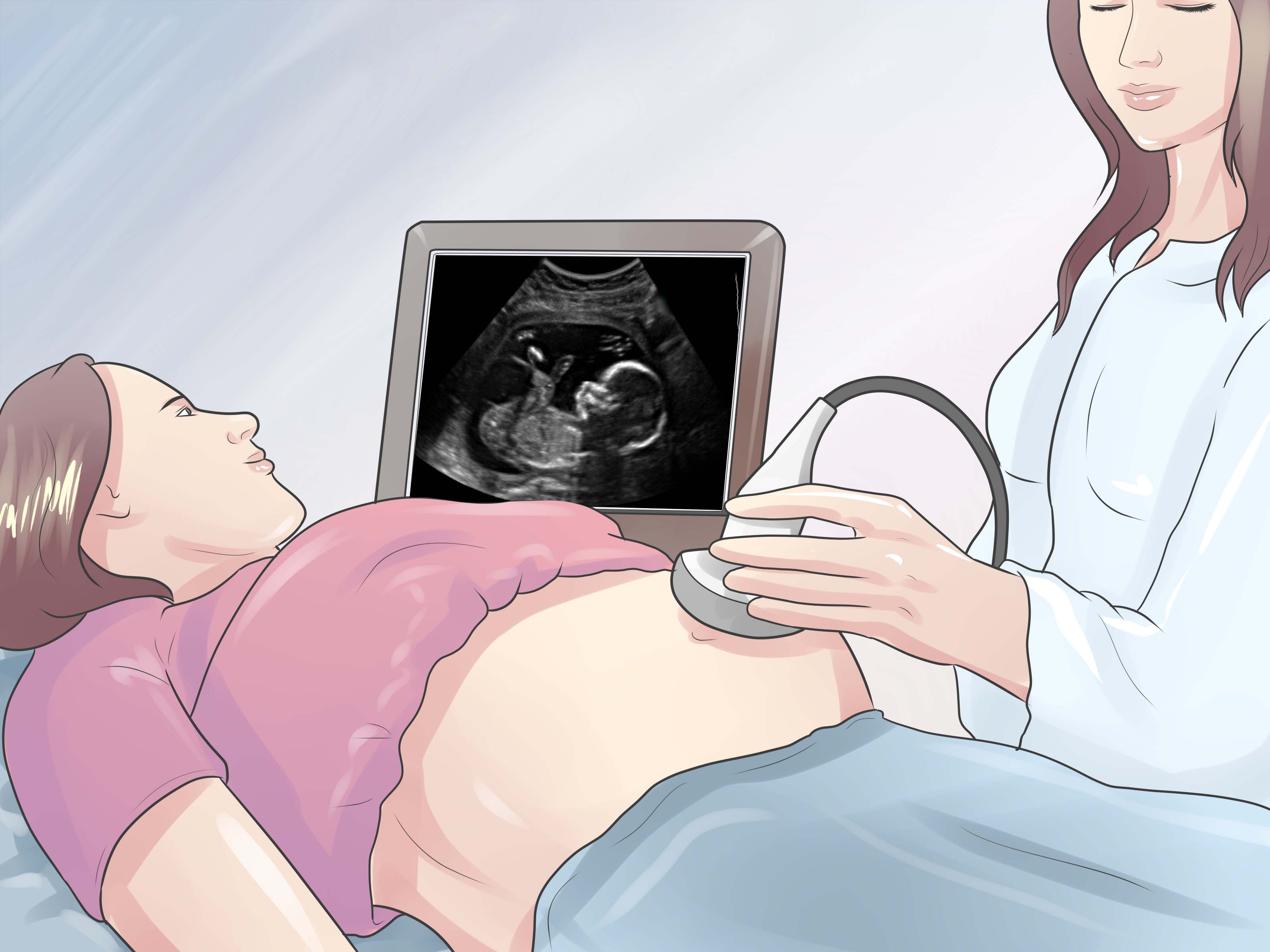
Healthcare providers diagnose low amniotic fluid with an ultrasound. They may use measurements such as:
- Amniotic Fluid Index (AFI): A measurement that adds fluid pockets from different areas of the uterus.
- Single Deepest Pocket or Maximum Vertical Pocket: A measurement of the deepest visible pocket of fluid that does not contain the umbilical cord or fetal body parts.
Depending on the result, your provider may recommend repeat ultrasounds, nonstress tests, a biophysical profile, Doppler studies, or closer prenatal monitoring. Translation: they are not just checking the “water level.” They are checking the whole baby-support system.
Common Causes of Low Amniotic Fluid
Before trying to increase amniotic fluid, your provider will want to understand why it is low. The cause matters because the right plan for dehydration is very different from the right plan for ruptured membranes or placental concerns.
1. Dehydration
Sometimes low fluid may be related to not getting enough fluids, especially in hot weather, during vomiting, or after illness. In these cases, improving hydration may help increase amniotic fluid temporarily.
2. Leaking or Ruptured Membranes
If your water breaks early or leaks slowly, amniotic fluid may drop. This needs prompt medical care because it can raise the risk of infection, preterm birth, and other complications. If you notice a gush or steady trickle of fluid, do not wait to “see what happens.” Call your provider.
3. Placental Problems
The placenta delivers oxygen and nutrients to your baby. If it is not working as well as expected, the baby may produce less urine, lowering amniotic fluid levels. This may happen with conditions such as high blood pressure, preeclampsia, fetal growth restriction, diabetes-related complications, or pregnancies that go past the due date.
4. Certain Medications
Some medications can affect amniotic fluid levels, including certain blood pressure medicines and nonsteroidal anti-inflammatory drugs such as ibuprofen, especially later in pregnancy. Never stop a prescribed medication on your own, but do tell your provider everything you take, including over-the-counter products. Pregnancy is not the season for mystery pills hiding in the cabinet.
5. Fetal Kidney or Urinary Tract Problems
Because fetal urine contributes to amniotic fluid later in pregnancy, kidney or urinary tract differences can reduce fluid. This is one reason low fluid earlier in pregnancy requires careful evaluation.
Can You Really Increase Amniotic Fluid During Pregnancy?
Sometimes, yes. But the realistic answer is: it depends on the cause, timing, and severity.
If low amniotic fluid is related to dehydration, increasing fluids may help. If it is caused by ruptured membranes, placental insufficiency, fetal kidney issues, or a pregnancy that has gone well past term, drinking water alone will not “fix” the underlying problem. It may still be part of the care plan, but it is not the whole plan.
The safest approach is to work with your healthcare provider and ask: “What do you think is causing the low fluid, and what is the goal of treatment?” That one question can turn a scary ultrasound finding into a clearer action plan.
Expert Ways to Increase Amniotic Fluid During Pregnancy
1. Drink More Fluids, but Do It Wisely
Maternal hydration is one of the most commonly discussed ways to increase amniotic fluid. Research suggests that oral hydration and, in some cases, IV fluids may temporarily increase amniotic fluid volume, especially when the condition is isolated and mild. This does not mean you should start chugging water like you are training for an Olympic hydration event.
Ask your provider how much fluid is appropriate for your body, pregnancy stage, activity level, and medical history. A common practical strategy is to sip water steadily throughout the day rather than trying to drink a huge amount at once. Your body prefers a calm hydration routine over a “panic gallon” at 10 p.m.
Helpful hydration habits may include:
- Keeping a water bottle nearby during the day
- Drinking before you feel very thirsty
- Adding fruit slices if plain water feels boring
- Eating water-rich foods such as watermelon, oranges, cucumbers, soups, and smoothies
- Replacing fluids after sweating, vomiting, or diarrhea
Call your provider if you cannot keep fluids down, feel dizzy, have signs of dehydration, or notice fewer baby movements.
2. Rest on Your Side When Recommended
Your provider may suggest more rest or side-lying rest, especially if there are concerns about blood flow to the placenta. Lying on your side, particularly the left side, may help circulation in some situations. It is not magic, and it will not refill amniotic fluid like topping off a gas tank, but it may be part of a supportive care plan.
For example, someone with mild low fluid in the third trimester may be told to hydrate, reduce strenuous activity, rest more, and return for repeat testing. The goal is to support blood flow, watch the baby closely, and avoid unnecessary risk.
3. Treat the Underlying Cause
The best way to improve low amniotic fluid is often to address what is causing it. If high blood pressure, diabetes, fetal growth restriction, medication exposure, or possible membrane rupture is involved, your provider will create a more specific plan.
This may include:
- More frequent ultrasounds
- Nonstress tests to monitor fetal heart rate
- Biophysical profiles
- Medication adjustments
- Blood pressure management
- Diabetes monitoring
- Evaluation for leaking amniotic fluid
- Referral to a maternal-fetal medicine specialist
In other words, the expert way to increase amniotic fluid is not always “drink more water.” Sometimes it is “find the reason and manage it before it manages you.”
4. Avoid Medications That May Lower Fluid Unless Approved
Some medications are not recommended during pregnancy unless specifically prescribed. NSAIDs such as ibuprofen can affect fetal circulation and may reduce amniotic fluid, particularly later in pregnancy. Certain blood pressure medicines are also avoided in pregnancy because of fetal risks.
If you have pain, fever, headaches, or chronic medical conditions, ask your healthcare provider which medications are safe for you. Do not assume “over the counter” means “pregnancy-approved.” Pregnancy has a way of turning the medicine cabinet into a pop quiz.
5. Consider IV Hydration if Your Provider Recommends It
If you are dehydrated or if oral hydration is not enough, your provider may recommend IV fluids. This can be helpful in certain short-term situations, especially when repeat fluid assessment is planned. IV hydration is usually done in a clinical setting where your baby and your condition can be monitored.
IV fluids are not a universal cure for oligohydramnios, but they may be useful when dehydration is part of the picture or when your care team wants to see whether fluid levels respond.
6. Ask About Amnioinfusion in Labor or Special Situations
Amnioinfusion is a medical procedure where sterile fluid is added into the uterus, most often during labor, through a catheter. It may be used when low fluid contributes to umbilical cord compression or certain fetal heart rate concerns. It is not a routine “refill” procedure for every case of low amniotic fluid.
Your provider may consider it only in specific circumstances. Like many pregnancy interventions, it belongs in the “expert hands only” category, right next to interpreting fetal monitoring strips and assembling cribs without losing one mysterious screw.
7. Keep Every Follow-Up Appointment
Low amniotic fluid can change quickly, especially near the end of pregnancy. Follow-up testing helps your provider decide whether the pregnancy can safely continue or whether delivery may be the safer option.
Depending on your situation, monitoring may be once or twice weekly, or more often if there are additional concerns. These visits are not just formalities. They help answer big questions: Is the baby growing? Is the placenta doing its job? Is the baby moving well? Is the fluid stable, improving, or dropping?
Foods That Support Hydration During Pregnancy
No food has been proven to magically increase amniotic fluid overnight. Still, food can support hydration and overall pregnancy nutrition. Water-rich foods can be especially helpful if plain water makes you feel like you are drinking homework.
Good options include:
- Watermelon
- Strawberries
- Oranges
- Cucumbers
- Tomatoes
- Lettuce
- Broth-based soups
- Plain yogurt
- Smoothies made with fruit and milk or yogurt
Also focus on balanced meals with protein, whole grains, healthy fats, and fruits or vegetables. Amniotic fluid is not created from water alone; pregnancy depends on the whole nutrition picture, including blood flow, placental health, and fetal well-being.
What Not to Do When Amniotic Fluid Is Low
When you are worried, the internet can feel like a giant buffet of advice. Unfortunately, not every dish on that buffet is safe.
Do Not Overdrink Water Without Guidance
More is not always better. Excessive water intake can be dangerous and may affect electrolyte balance. Ask your provider what amount is appropriate.
Do Not Ignore Leaking Fluid
If you think your water broke or you are leaking fluid, call your provider or go to labor and delivery as instructed. A slow leak can be easy to dismiss, but it matters.
Do Not Skip Monitoring Because You Feel Fine
Low amniotic fluid may not cause obvious symptoms. Feeling fine is wonderful, but it does not replace ultrasound and fetal monitoring.
Do Not Take Herbal Remedies Without Approval
Herbal teas, supplements, and “natural” remedies may interact with medications or affect pregnancy. Natural does not automatically mean safe. Poison ivy is natural too, and nobody invites it to a baby shower.
When to Call Your Healthcare Provider Right Away
Contact your healthcare provider immediately or follow your hospital’s instructions if you notice:
- Decreased fetal movement
- A gush or steady leaking of fluid from the vagina
- Vaginal bleeding
- Fever or chills
- Severe abdominal pain or strong regular contractions
- Severe headache, vision changes, or sudden swelling
- Dizziness, fainting, or inability to keep fluids down
These symptoms do not always mean something terrible is happening, but they do mean you should be checked. Pregnancy is one area of life where “better safe than sorry” deserves a permanent parking spot.
Will Low Amniotic Fluid Mean Early Delivery?
Not always. Delivery decisions depend on gestational age, fluid level, fetal growth, fetal testing, maternal health, and whether there are additional complications. If low fluid happens near term, your provider may discuss induction or delivery. If it happens earlier, the care plan may focus on monitoring, treating the cause, and continuing the pregnancy safely when possible.
For isolated low amniotic fluid late in pregnancy, many expert guidelines discuss delivery around the late-preterm or early-term period, depending on the exact gestational age and clinical picture. However, timing should be individualized. Your provider will weigh the risks of continuing pregnancy against the risks of early delivery.
Practical Daily Plan to Support Amniotic Fluid
If your provider says it is safe to try supportive measures at home, a daily plan may look like this:
- Morning: Drink water with breakfast and include a hydrating food such as fruit.
- Midday: Sip fluids regularly instead of waiting until you feel very thirsty.
- Afternoon: Rest on your side if your provider recommended it.
- Evening: Pay attention to fetal movement patterns and call if movement is reduced.
- All day: Avoid unapproved medications and keep follow-up appointments.
This plan is not a replacement for medical care, but it can help you follow the basics without turning your day into a pregnancy spreadsheet with 47 tabs.
Real-Life Experiences: What Low Amniotic Fluid Can Feel Like
Every pregnancy story is different, but many people describe the same emotional pattern when they first hear the words “low amniotic fluid.” First comes confusion. Then comes worry. Then comes the sudden urge to drink three bottles of water, Google every possible outcome, and stare at the baby’s ultrasound picture like it might answer questions. Very human. Very understandable.
One common experience is discovering low fluid during a routine growth scan. The parent may feel completely normal, with no pain, no leaking, and no obvious warning signs. That can make the diagnosis feel even stranger. “How can something be wrong if I feel fine?” The answer is that amniotic fluid is usually measured, not felt. This is why prenatal visits matter so much. They catch things your body may not announce with a marching band.
Another common experience is being told to hydrate and come back for repeat testing. For some, the fluid measurement improves after a day or two of better hydration and rest. For others, it stays the same or drops, leading to closer monitoring. This can feel frustrating because people naturally want a simple fix. Unfortunately, pregnancy does not always read the instruction manual. Sometimes hydration helps; sometimes the placenta, membranes, or fetal condition is the bigger issue.
People near the end of pregnancy may hear their provider discuss induction. That conversation can feel intense, especially if the birth plan involved waiting for labor to start naturally. But when fluid is low near term, the decision is usually about balancing safety. If the baby is mature enough and the uterine environment is becoming less supportive, delivery may become the better option. It is not a failure of the body. It is a care decision based on the information available.
For people diagnosed earlier in pregnancy, the experience can be more emotionally complicated. There may be more testing, more ultrasounds, more waiting, and sometimes referral to specialists. In these cases, having a written list of questions can help: What is my fluid measurement? Is the baby growing normally? Are the kidneys and bladder visible? Is the placenta working well? Do you think membranes are leaking? How often should I be monitored? What symptoms mean I should call immediately?
Many parents also learn that “rest” sounds easy until they try to do it. Resting while pregnant can be surprisingly difficult when there is work, family, errands, and a brain that insists on worrying at 2 a.m. A realistic approach is better than a perfect one. Keep water nearby, accept help when possible, simplify meals, and reduce nonessential tasks. The laundry can be dramatic, but it is rarely more important than a follow-up appointment.
Emotionally, low amniotic fluid can make people feel responsible, as if they caused it by not drinking enough water one afternoon. In most cases, that guilt is not fair or useful. Low fluid can happen for many reasons, and some have nothing to do with daily habits. The most productive response is not self-blame; it is communication, monitoring, and following the care plan.
The best “experience-based” advice is simple: do not manage low amniotic fluid alone. Ask questions. Write down instructions. Track fetal movement as recommended. Call when something feels off. And remember that many people with this diagnosis deliver healthy babies, especially when the condition is found and monitored appropriately.
Conclusion
Increasing amniotic fluid during pregnancy is not about chasing internet tricks. It is about understanding the cause, staying well hydrated when appropriate, resting if recommended, avoiding unsafe medications, keeping close monitoring appointments, and working with your healthcare provider. Hydration may improve fluid levels in some cases, especially when dehydration is involved, but low amniotic fluid can also signal membrane rupture, placental issues, fetal growth concerns, or other conditions that need expert care.
If you have been told your amniotic fluid is low, take a deep breath and ask your provider for a clear plan. Most importantly, do not ignore leaking fluid, reduced fetal movement, or concerning symptoms. Pregnancy already comes with enough mysteries. Low amniotic fluid should not be one you solve alone with a water bottle and a search bar.