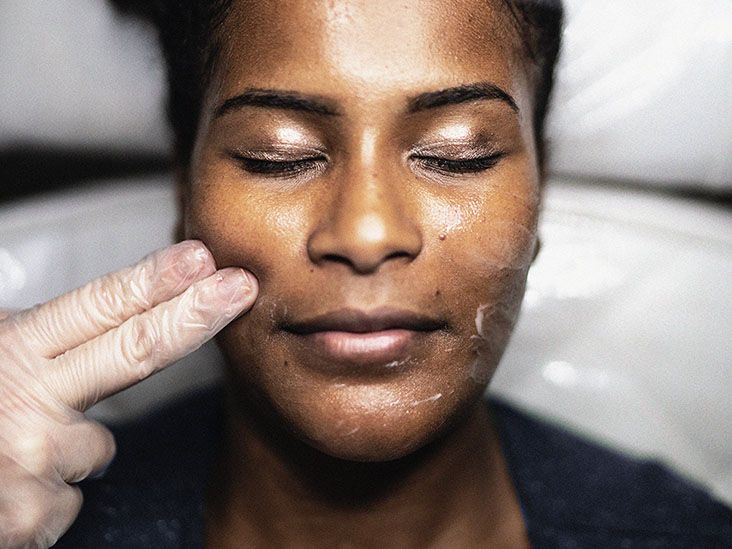
If your skin has been looking tired, blotchy, rough, or a little too “I forgot sunscreen existed,” a TCA peel may already be on your radar. Short for trichloroacetic acid peel, a TCA peel is a professional chemical peel used to improve texture, discoloration, fine lines, mild acne scars, and some types of sun damage. It is one of those treatments that sounds dramatic, looks dramatic for a few days, and then often delivers the kind of smoother, brighter skin that makes people start saying things like, “Did you change your skincare routine?”
But a TCA peel is not a casual face mask with delusions of grandeur. It is a real procedure that creates a controlled injury in the skin so fresher, more even-looking skin can replace it. That means real benefits, real downtime, real safety considerations, and very real questions about cost and results.
This guide breaks down how effective a TCA peel really is, what it can and cannot do, how much it may cost, what recovery looks like, and why choosing the right medical professional matters just as much as the peel itself.
What is a TCA peel?
A TCA peel is a chemical peel that uses trichloroacetic acid to exfoliate and resurface the skin. Depending on the concentration, number of layers applied, and your skin goals, it can work at a light, light-to-medium, or medium depth. In real-world cosmetic practice, most people mean a professional medium-depth peel when they say “TCA peel.”
The treatment is commonly used on the face, and in some cases on the neck, chest, or hands. It is often chosen for concerns such as:
- Fine lines and early wrinkles
- Uneven skin tone and sun damage
- Hyperpigmentation and post-acne marks
- Rough texture and dullness
- Mild acne scars and superficial blemishes
- Some precancerous sun-related spots when used medically
A TCA peel is stronger than the average “lunchtime peel,” but not usually as aggressive as a phenol peel. Think of it as the middle child of chemical peels: more serious than a superficial peel, less chaotic than the deepest options.
How does a TCA peel work?
TCA works by causing controlled damage to the outer layers of skin. That sounds alarming, but controlled is the key word. The peel breaks down damaged surface cells, encourages turnover, and can stimulate new collagen and elastin formation as the skin heals. Over time, that process can make skin look smoother, brighter, and more even.
During treatment, the solution is applied in the office by a qualified clinician. The skin may temporarily turn white, a reaction often called “frosting,” which helps show how deeply the peel is working. A medium-depth TCA peel usually stings or burns for several minutes. Cool compresses or a fan may be used to make the experience more tolerable.
Afterward, the skin often feels tight, dry, and sunburned. Then comes the peeling phase, which is exactly what it sounds like and exactly why you should not schedule the procedure the day before a wedding, reunion, or close-up photo shoot.
How effective is a TCA peel?
A TCA peel can be very effective for the right problems. That last part matters. It is not magic, and it is not the best treatment for every skin concern. But for surface texture, discoloration, photoaging, and mild scarring, it can produce meaningful improvement.
What a TCA peel usually does well
For people with fine lines, mild sun damage, shallow acne scars, or uneven pigment, a TCA peel often improves:
- Skin brightness and overall tone
- Rough or crepey texture
- Superficial brown spots and dullness
- The look of mild acne scarring
- Fine wrinkles around the mouth and eyes
Results are often better with a series of treatments rather than one heroic session. Many mild and medium peels are repeated over time, depending on your skin type, goals, and how aggressively the peel is performed.
What a TCA peel does not do especially well
A TCA peel is not the best option for every concern. It may not fully correct:
- Deep wrinkles
- Severe acne scars
- Significant skin laxity or sagging
- Persistent melasma without a broader treatment plan
- Volume loss, hollowness, or deeper structural aging
For those issues, dermatologists may recommend combining treatments or choosing something else entirely, such as microneedling, radiofrequency microneedling, laser resurfacing, fillers, or prescription topical therapy.
Who is a good candidate for a TCA peel?
You may be a good candidate if you want improvement in early photoaging, texture, discoloration, or mild scarring and you can commit to both downtime and careful aftercare. Good candidates also tend to have realistic expectations. In other words, they are not expecting one peel to erase ten years of sun damage and one regrettable tanning phase from college.
Skin tone matters too, but not in the simplistic “light skin only” way outdated advice sometimes suggests. People with medium to deep skin tones can absolutely be treated, but the risk of post-inflammatory hyperpigmentation or light spots can be higher, especially with stronger peels. That is why experience matters so much. If you have skin of color, it is smart to choose a board-certified dermatologist or dermatologic surgeon who regularly treats patients with your skin tone.
Safety: Is a TCA peel safe?
When performed by a qualified professional on the right patient, a TCA peel is generally considered safe. When performed poorly, done too aggressively, or copied from a questionable “DIY beauty hack,” it can go sideways fast.
Common side effects
Most people experience temporary side effects that are expected rather than dangerous, including:
- Redness
- Tightness and dryness
- Swelling
- Flaking and visible peeling
- Crusting or darkening before peeling off
- Sun sensitivity
With a medium-depth peel, healing often takes about seven to fourteen days, though redness can linger longer. The skin can feel stingy and swollen at first, then transition into the classic “my face is molting” phase.
Potential risks and complications
Less common but more serious risks include:
- Hyperpigmentation or hypopigmentation
- Scarring
- Bacterial, fungal, or viral infection
- Cold sore reactivation if you are prone to herpes simplex outbreaks
- Prolonged redness or delayed healing
The risk of pigmentation changes is especially important in darker skin tones and in anyone with melasma, a history of discoloration, or lots of recent sun exposure.
Who should be cautious or avoid a peel
A clinician may advise against a TCA peel, or delay it, if you:
- Are pregnant
- Have taken isotretinoin recently
- Have active skin infection, irritation, or broken skin
- Have frequent or severe cold sores
- Have a personal or family history of keloids
- Have very sensitive skin or an active eczema flare in the treatment area
This is also why strong at-home TCA peels are a bad idea. Medical experts have warned that high-strength DIY TCA products can cause burns, permanent scarring, and severe pigment problems. If a product markets itself like a spa facial but behaves like industrial drama, step away.
What happens before, during, and after a TCA peel?
Before the peel
Your provider may recommend a prep routine, sometimes called priming, for a couple of weeks before treatment. This can include retinoids, hydroquinone, antiviral medication if you get cold sores, and strict sun protection. You may also be told to stop retinoids a few days before the procedure and avoid scrubs, waxing, depilatories, or shaving right before the peel.
During the peel
Your skin is cleansed, protected, and then the TCA solution is applied. Expect burning or stinging that can last several minutes. Medium peels are often uncomfortable but manageable. Some people compare the sensation to a spicy sunburn that arrived early and with confidence.
After the peel
After a medium TCA peel, the skin is usually red and swollen at first. Over the next few days it may darken, tighten, and begin to peel in sheets or patches. Moisturizer, ointment, gentle cleansing, and sunscreen become your new personality for a while.
Do not pick at peeling skin. Do not scrub. Do not test a “just one active serum” idea. And absolutely do not chase the peel with intense sun exposure unless your goal is sabotaging your results.
How much does a TCA peel cost?
The cost of a TCA peel varies a lot. Depth, provider experience, geographic location, whether anesthesia or sedation is used, and whether the treatment is bundled with other care all affect price.
A national average for skin resurfacing procedures like chemical peels has been reported by the American Society of Plastic Surgeons at $1,829, but that figure is broader than TCA alone and does not mean every TCA peel costs that much. In many offices, a light-to-medium TCA peel may cost less than a more extensive resurfacing treatment, while a more aggressive peel with additional monitoring or follow-up may cost more.
When comparing prices, ask what is included. The final bill may involve:
- The procedure itself
- Consultation fees
- Prescription antivirals or other medications
- Post-procedure ointments or skincare
- Facility fees
- Sedation or pain-control costs in some settings
The cheapest peel is not always the bargain it appears to be. With medium-depth peels, technique matters. Paying for expertise is often cheaper than paying for complication management later.
How long does it take to see results?
You may notice some immediate tightness and brightness, but the real results show up after healing. For most medium TCA peels, that means visible improvement begins around one to two weeks after treatment, with continued refinement over the following weeks as redness settles and skin remodeling continues.
What you can realistically expect includes:
- Smoother texture
- Brighter skin
- More even tone
- Softer appearance of fine lines
- Improvement in mild acne scars or superficial spots
Results are often not permanent. Skin keeps aging, sun damage can return, and pigment issues like melasma may come back if you do not stay consistent with sun protection and maintenance care.
TCA peel vs. other chemical peels
TCA vs. glycolic acid
Glycolic acid peels are usually more superficial, gentler, and easier to fit into normal life. TCA goes deeper and tends to deliver stronger results, but with more downtime and more risk.
TCA vs. salicylic acid
Salicylic acid is especially popular for oily and acne-prone skin. TCA is often chosen when texture, pigment, fine lines, or mild scarring are more central concerns.
TCA vs. phenol
Phenol peels are much deeper and more intense, with more dramatic results and more demanding recovery. TCA is typically the more approachable option for people who want meaningful resurfacing without going full “hide at home for weeks.”
How to get the best results from a TCA peel
- Choose a board-certified dermatologist or dermatologic surgeon
- Be honest about your history of cold sores, keloids, and discoloration
- Follow pre-peel priming instructions exactly
- Use sunscreen daily before and after treatment
- Do not pick peeling skin
- Use only the products your clinician recommends during healing
- Understand that more aggressive is not always better
The best TCA peel is not the strongest peel. It is the peel matched to your skin, your goals, your downtime tolerance, and your risk profile.
Common experiences with a TCA peel
Ask a few people about their TCA peel experience and you will hear some variation of the same story: excitement before the appointment, a little regret during the stinging phase, confusion during the peeling phase, and then cautious optimism once the new skin shows up.
For many patients, the consultation is the first reality check. They walk in hoping for glow, clearer marks, smoother texture, and maybe a little “I drink green juice and sleep eight hours” energy. Then the clinician explains that a TCA peel is not a magic filter. It is a controlled injury. That means prep, downtime, and aftercare. Suddenly the glow sounds earned, because it is.
On procedure day, one of the most common experiences is surprise at how intense the peel feels even though it is brief. People often expect “mild tingling” and instead get a few minutes of heat, stinging, and the urgent desire to make eye contact with a fan. The good news is that the discomfort usually peaks quickly and then eases. Most patients get through it just fine, especially when the provider talks them through each step.
The first twenty-four to forty-eight hours afterward are often described as a tight, sunburned feeling. Skin may look red, feel dry, and seem a little angry. Some people start wondering whether they have made a terrible mistake. This is a classic part of the emotional arc. Then, around days two to four, the skin may darken and begin peeling around the mouth, nose, or cheeks. That is when patience becomes the whole game.
During the peeling stage, people often say they feel tempted to help the skin along. They should not. Picking turns a routine recovery into a possible pigment problem or scar. Gentle cleansing, bland moisturizer, ointment where recommended, and obsessive sun protection are the boring heroes of the whole experience. Glamorous? No. Effective? Very.
By the end of the first week or into the second, many patients start seeing why the peel was worth it. Texture can feel smoother. Makeup may sit better. Skin may look brighter and more even. Acne marks can appear softer. Fine lines may look less obvious. But people also notice that results are not always instant perfection. Redness can linger. A stubborn spot may remain. Deep scars do not usually vanish. The most satisfied patients are often the ones who expected improvement, not miracles.
Another common experience is realizing that the peel was not the whole treatment plan. The best results usually come when the peel is paired with sunscreen, thoughtful skincare, and sometimes repeat sessions. In that sense, a TCA peel is less like pressing a reset button and more like hiring a very strict editor for your skin. It cuts what is damaged, keeps what is useful, and reveals a cleaner final draft.
Final thoughts
A TCA peel can be a strong option for improving fine lines, rough texture, uneven pigment, and mild acne scarring. It is effective when used appropriately, but it is not casual, risk-free, or one-size-fits-all. The best outcomes come from smart patient selection, careful prep, professional application, and disciplined aftercare.
If you are considering a TCA peel, think beyond before-and-after photos. Ask about your skin type, your risk of discoloration, how much downtime to expect, whether you need priming, and what kind of improvement is realistic for your specific concerns. That conversation will tell you more than any flashy ad ever could.
In the end, a TCA peel can absolutely help your skin look fresher and smoother. Just make sure the person holding the acid also holds the credentials.