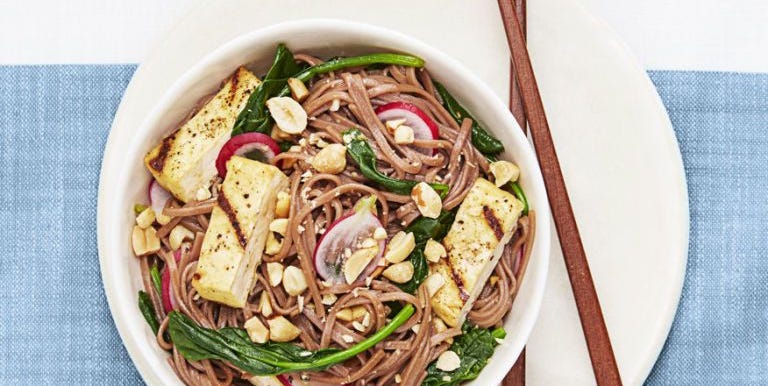
Tofu has a public relations problem. Too many people meet it as a pale, wobbly cube floating sadly in a bowl, then decide it tastes like wet cardboard wearing a protein badge. But tofu is not the villain. The problem is usually the cooking method. Treat tofu like an ingredient with texture, moisture, and flavor needsnot like a meat substitute that should magically behave like chickenand it becomes crispy, chewy, saucy, creamy, smoky, spicy, or snackable enough to disappear straight from the pan.
This guide explains how to cook tofu that actually tastes good, whether you want crispy tofu for rice bowls, baked tofu for meal prep, air fryer tofu for weeknights, or a tofu scramble that does not taste like punishment. The secret is simple: choose the right tofu, remove or manage excess water, season boldly, and cook with enough heat to build texture. Tofu is naturally mild, which is polite culinary code for “please give me sauce.” Luckily, it is also one of the most flexible plant-based proteins you can keep in the fridge.
Why Tofu Sometimes Tastes Bland
Tofu is made from soybeans, water, and a coagulant that helps it form into curds, which are then pressed into blocks. Because it contains a lot of moisture and has a gentle flavor, tofu needs help in two departments: taste and texture. If you slice it, toss it into a pan, and whisper “good luck,” it will probably steam instead of brown. That is how you get beige cubes with the emotional range of a napkin.
The goal is to create contrast. A great tofu dish often has a crisp or browned outside, a tender inside, and a sauce or seasoning that brings salt, acid, sweetness, spice, fat, and umami. Once you understand that formula, tofu becomes less mysterious and much more fun.
Start by Choosing the Right Type of Tofu
Not all tofu is interchangeable. Picking the right type is the difference between dinner and a small kitchen tragedy.
Extra-Firm Tofu
Extra-firm tofu is the best choice for beginners who want crispy tofu, stir-fried tofu, grilled tofu, or baked tofu. It holds its shape well and contains less water than softer varieties. Use it for cubes, slabs, nuggets, sheet-pan dinners, and air fryer tofu.
Firm Tofu
Firm tofu is slightly softer but still sturdy. It works well in stir-fries, braises, tofu steaks, scrambles, soups, and saucy dishes. If you want tofu that is tender but not fragile, firm tofu is a reliable middle ground.
Medium Tofu
Medium tofu is delicate and better for soups, simmered dishes, and recipes where you want a soft texture. It can break if handled aggressively, so do not bully it with a spatula like you are defending your honor.
Silken Tofu
Silken tofu is smooth, custardy, and not meant for pressing. Use it in smoothies, creamy sauces, puddings, dips, dressings, vegan desserts, miso soup, or soft tofu dishes. Do not try to make crispy cubes from silken tofu unless you enjoy chaos.
The Golden Rule: Manage Moisture
Water is the enemy of crispiness. When tofu is too wet, it steams in the pan instead of browning. That does not mean every tofu dish requires a long press, but for crispy tofu, dryness matters.
How to Press Tofu Without Fancy Equipment
Drain the tofu, wrap it in a clean kitchen towel or paper towels, place it on a plate, and set a heavy skillet or a few cans on top. Let it sit for 20 to 30 minutes. This removes extra water and helps the tofu brown better. For grilled tofu or pan-fried tofu, pressing is especially useful.
When You Can Skip Pressing
If you are adding tofu to soup, curry, mapo tofu, or a quick saucy braise, you may only need to pat it dry. Pressing is helpful, but it is not a sacred ritual involving candles and a tiny tofu altar. For many everyday recipes, a quick towel-dry is enough.
The Hot Salt Water Trick
For firmer, bouncier tofu, pour hot salted water over tofu cubes or slabs and let them sit for about 10 to 15 minutes. Drain well and pat dry before cooking. This trick seasons the tofu lightly and helps tighten the surface, which can improve texture before frying, baking, or stir-frying.
Freeze Tofu for a Chewier Texture
Freezing tofu changes its structure. The water inside expands, creating small pockets that make tofu spongier, chewier, and better at soaking up sauce. Freeze firm or extra-firm tofu, thaw it, squeeze out excess moisture, then marinate or cook it. The texture becomes almost meaty, which is ideal for nuggets, stir-fries, tacos, and spicy braises.
Cut Tofu for Maximum Flavor
Surface area matters. Smaller pieces get more browned edges and absorb more seasoning. Large slabs feel steak-like and are great for grilling or sandwiches. Torn tofu pieces have rough edges that crisp beautifully because all those little craggy bits catch oil, starch, and sauce. In other words, tofu rewards imperfection. Finally, a cooking tip that supports your lifestyle.
- Cubes: Best for bowls, stir-fries, curries, and salads.
- Slabs: Best for grilling, sandwiches, and tofu “steaks.”
- Triangles: Best for pan-frying and dipping.
- Crumbles: Best for tacos, scrambles, pasta sauces, and chili.
- Torn chunks: Best for crispy baked tofu and air fryer tofu.
Season Tofu Like You Mean It
Tofu is mild, so timid seasoning will not do much. A good tofu marinade or sauce usually includes five flavor builders: salt, acid, fat, sweetness, and umami.
Easy Tofu Marinade Formula
Use this basic ratio as a starting point:
- 3 tablespoons soy sauce or tamari for salt and umami
- 1 tablespoon rice vinegar, lime juice, or lemon juice for brightness
- 1 tablespoon sesame oil, olive oil, or neutral oil for richness
- 1 tablespoon maple syrup, honey, or brown sugar for balance
- 1 to 2 teaspoons garlic, ginger, chili paste, miso, or spices for personality
Marinate tofu for at least 15 minutes, or longer if you have time. But here is the important part: if you want crispy tofu, do not drown it in marinade right before it hits the pan. Wet tofu does not crisp well. For the best result, marinate, drain, pat lightly, coat with starch if desired, cook until crisp, then toss with sauce at the end.
How to Make Crispy Pan-Fried Tofu
Pan-fried tofu is the classic gateway tofu. It is fast, golden, and deeply satisfying when done right.
- Use firm or extra-firm tofu.
- Press or thoroughly pat dry.
- Cut into cubes, triangles, or slabs.
- Toss with soy sauce, garlic powder, and a little oil.
- Coat lightly with cornstarch or potato starch.
- Heat a nonstick or well-seasoned cast-iron skillet over medium-high heat.
- Add oil, then cook tofu in a single layer without crowding.
- Let each side brown before turning.
- Add sauce only after the tofu has crisped.
The biggest mistake is moving tofu too often. Let it sit. Browning takes patience. If you keep poking it every five seconds, the tofu will stick, tear, and look like it lost a bar fight.
How to Bake Tofu
Baked tofu is perfect for meal prep because it is hands-off and reheats well. Press the tofu, cut it into cubes or torn chunks, toss with oil, soy sauce, spices, and cornstarch, then spread it on a parchment-lined baking sheet. Bake at 400°F until browned and firm, flipping halfway through.
For a deeper flavor, marinate tofu first, then bake until the edges turn golden. Baked tofu works beautifully in grain bowls, wraps, salads, noodle dishes, and lunch boxes. It is also excellent cold, which means future-you can eat directly from the fridge while pretending to “assemble a balanced meal.”
How to Air Fry Tofu
Air fryer tofu is one of the easiest ways to get crisp edges with less oil. Use extra-firm tofu, press or pat it dry, tear or cube it, toss with oil and seasoning, then add a light coating of cornstarch. Arrange in a single layer and air fry at 375°F to 400°F until browned and crisp, shaking the basket halfway through.
The air fryer is especially useful for busy weeknights because it gives tofu a crunchy exterior without babysitting a skillet. Serve it with peanut sauce, teriyaki glaze, buffalo sauce, sweet chili sauce, or a quick squeeze of lime.
How to Stir-Fry Tofu Without Making It Soggy
For tofu stir-fry, cook the tofu first, remove it from the pan, cook the vegetables separately, then combine everything with sauce at the end. This keeps the tofu browned and prevents the vegetables from releasing water all over your hard-earned crispiness.
Use high heat, a large skillet or wok, and do not overcrowd the pan. If needed, cook tofu in batches. A simple stir-fry sauce can be made with soy sauce, garlic, ginger, a little sugar, rice vinegar, and cornstarch mixed with water. Add it at the end and let it bubble until glossy.
How to Grill Tofu
Grilled tofu needs structure, so use extra-firm tofu and press it well. Cut it into thick slabs, brush with oil, season generously, and grill over medium-high heat until grill marks appear. A marinade with soy sauce, garlic, sesame oil, and a touch of sweetness works well, but avoid too much sugar early in cooking because it can burn.
Grilled tofu is fantastic in sandwiches, summer salads, rice plates, and noodle bowls. Add a bold finishing sauce after grilling, such as chimichurri, spicy peanut sauce, barbecue sauce, or miso glaze.
How to Make Tofu Scramble
Tofu scramble is not scrambled eggs, and that is okay. It is its own delicious thing. Crumble firm tofu into a skillet with oil, turmeric, garlic powder, onion powder, nutritional yeast, salt, pepper, and a splash of plant milk or broth. Cook until warm and slightly creamy. Add spinach, mushrooms, peppers, salsa, or black beans.
For an eggy flavor, use a tiny pinch of black salt, also called kala namak. A little goes a long way. Too much and your breakfast will smell like a volcano with opinions.
Best Sauces for Tofu
The fastest way to make tofu taste good is to pair it with a sauce that knows what it is doing. Try these easy combinations:
- Peanut-lime sauce: Peanut butter, lime juice, soy sauce, maple syrup, garlic, and warm water.
- Teriyaki glaze: Soy sauce, brown sugar, ginger, garlic, and cornstarch slurry.
- Buffalo tofu sauce: Hot sauce, melted butter or vegan butter, garlic powder, and a little honey or maple syrup.
- Miso-sesame sauce: White miso, sesame oil, rice vinegar, soy sauce, and ginger.
- Garlic chili crisp tofu: Chili crisp, soy sauce, rice vinegar, scallions, and a touch of sugar.
- Lemon-herb tofu: Lemon juice, olive oil, garlic, parsley, oregano, salt, and pepper.
Common Tofu Mistakes to Avoid
Using the Wrong Tofu
Silken tofu will not behave like extra-firm tofu. Choose based on the dish. Crispy recipes need firm structure; creamy recipes need softness.
Skipping Salt
Tofu needs seasoning. Even a great sauce can taste flat if the tofu itself is unsalted.
Overcrowding the Pan
Too much tofu in one pan creates steam. Give the pieces space so they brown instead of sulk.
Adding Sauce Too Early
Sauce contains moisture and sugar. Add it too early and crispy tofu turns soft or burns. Crisp first, sauce second.
Expecting Tofu to Taste Like Meat
Tofu can be hearty, chewy, smoky, and savory, but it does not need to impersonate chicken to earn its spot on your plate. Let tofu be tofu, just a better-dressed version.
A Simple Beginner Recipe: Crispy Soy-Garlic Tofu
Ingredients
- 1 block extra-firm tofu, drained and pressed
- 1 tablespoon soy sauce
- 1 tablespoon neutral oil
- 1 tablespoon cornstarch
- 1/2 teaspoon garlic powder
- 1/2 teaspoon smoked paprika
- 2 tablespoons soy sauce
- 1 tablespoon maple syrup
- 1 tablespoon rice vinegar
- 1 teaspoon grated ginger
- 1 teaspoon sesame oil
Instructions
- Cut tofu into cubes or tear it into bite-size chunks.
- Toss with 1 tablespoon soy sauce, neutral oil, garlic powder, smoked paprika, and cornstarch.
- Pan-fry in a single layer over medium-high heat until golden on most sides.
- Whisk the remaining soy sauce, maple syrup, rice vinegar, ginger, and sesame oil.
- Pour the sauce into the pan and toss for 30 to 60 seconds until glossy.
- Serve over rice with cucumber, carrots, scallions, and sesame seeds.
This recipe is simple, fast, and flexible. Add broccoli, snap peas, mushrooms, cabbage, noodles, or whatever vegetable is currently giving you guilt from the crisper drawer.
Easy Meal Ideas With Tofu
- Tofu rice bowl: Crispy tofu, jasmine rice, cucumber, avocado, carrots, and spicy mayo.
- Tofu tacos: Crumbled tofu with chili powder, cumin, smoked paprika, salsa, and lime.
- Tofu noodle salad: Baked tofu, rice noodles, herbs, crunchy vegetables, and peanut dressing.
- Tofu sandwich: Grilled tofu slab, lettuce, tomato, pickles, and garlic mayo.
- Tofu curry: Firm tofu simmered in coconut milk, curry paste, vegetables, and basil.
- Tofu breakfast hash: Tofu scramble with potatoes, peppers, onions, and hot sauce.
Experience Notes: What Actually Makes Tofu Better in a Real Kitchen
After cooking tofu many different ways, the biggest lesson is that tofu rewards confidence. The first time many home cooks make tofu, they treat it gently because it looks fragile. They use low heat, a tiny drizzle of oil, and a nervous spatula. The result is usually pale tofu that sticks to the pan and breaks apart. The fix is not complicated: use enough heat, enough seasoning, and enough patience to let browning happen.
The most reliable weeknight method is the “dry, starch, hot pan, sauce later” approach. Pressing tofu helps, but even when there is no time, a firm squeeze between towels and a serious pat-down can make a big difference. Cornstarch is the tiny kitchen wizard here. It creates a light coating that crisps quickly and grabs sauce at the end. The coating should be thin, not snowy. If the tofu looks like it fell into a powdered doughnut factory, you used too much.
Tearing tofu instead of cutting it is another small trick with a big payoff. Cubes are neat, but torn pieces have rugged edges that crisp in random, delicious ways. They also look more homemade and less like protein dice. Torn tofu works especially well in the air fryer or oven because the uneven surfaces catch seasoning and turn golden.
Another useful discovery is that tofu does not need one “perfect” marinade. It needs balance. Soy sauce alone makes it salty, but soy sauce plus acid, sweetness, fat, and aromatics makes it craveable. A spoonful of maple syrup or brown sugar helps browning. Rice vinegar or lime juice keeps the flavor awake. Garlic and ginger make it taste intentional. Sesame oil adds richness, but too much can dominate, so use it like cologne: noticeable, not announcing itself from across the room.
For meal prep, baked tofu is the winner. It keeps its texture better than many pan-fried versions and can be used in several meals. Make one tray with a neutral soy-garlic seasoning, then change the sauce during the week. Monday can be peanut noodles, Tuesday can be teriyaki bowls, and Wednesday can be buffalo tofu wraps. This prevents the classic meal-prep problem where every lunch tastes like the same responsible decision.
For tofu skeptics, start with crispiness. Soft tofu dishes can be wonderful, but crispy tofu is the easiest introduction because it offers familiar pleasure: browned edges, savory sauce, and a snack-like texture. Serve it with rice, crunchy vegetables, and a bold sauce. Do not announce, “Tonight we are having tofu.” Say, “I made crispy soy-garlic bowls.” Branding matters. Even dinner has a marketing department.
The final experience-based tip is to taste before serving. Tofu dishes often need one last adjustment: a squeeze of lime, a pinch of salt, a drizzle of chili oil, or a handful of scallions. Fresh toppings make cooked tofu feel brighter and more complete. The difference between “pretty good” and “wait, there’s no more?” is often that final hit of acid, crunch, or heat.
Conclusion
Learning how to cook tofu that actually tastes good is mostly about technique, not culinary wizardry. Choose the right tofu, manage moisture, cut it for texture, season boldly, and cook it with enough heat to brown. Press it when crispiness matters, freeze it when you want chew, brine it when you want bounce, and sauce it after cooking when you want maximum flavor. Tofu is affordable, flexible, protein-rich, and surprisingly fun once you stop treating it like a blank block of obligation. Give it salt, heat, crunch, and sauce, and tofu will finally stop whispering “health food” and start shouting “seconds, please.”