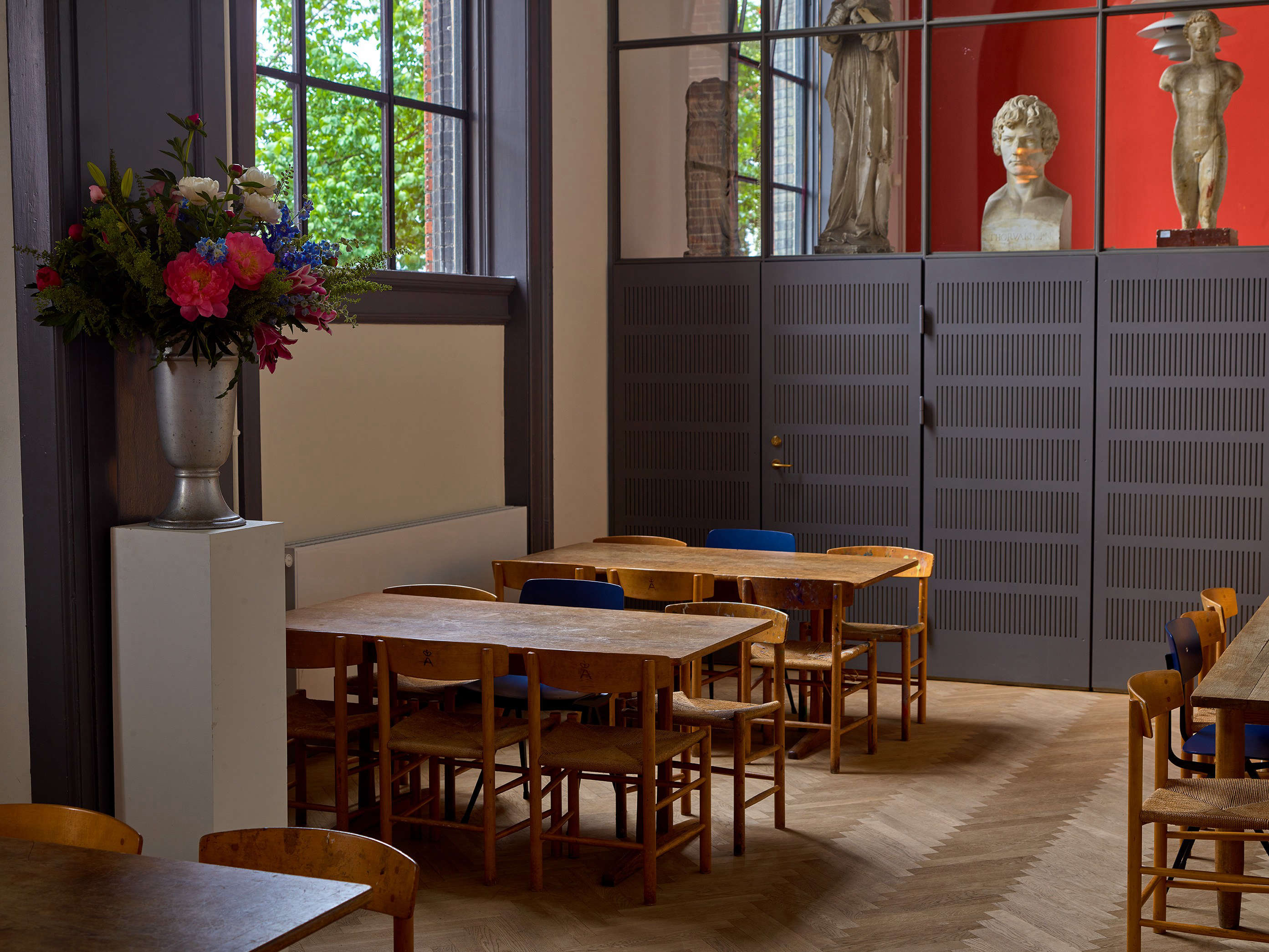
Some dining tables try very hard to be interesting. They arrive with dramatic legs, sculptural silhouettes, or enough visual attitude to make your salad feel underdressed. Børge Mogensen’s C18 Dining Table takes the opposite approach. It does not shout. It does not perform. It simply shows up, looks quietly excellent, and gets on with the important business of holding dinner, coffee, homework, elbows, and the occasional bouquet that says, “Yes, I do have my life together,” even when the rest of the room says otherwise.
That understated confidence is exactly why the C18 has lasted. Designed in 1947, the table sits at the crossroads of Shaker restraint and Danish Modern warmth. It is practical without looking plain, refined without looking fussy, and sturdy without feeling heavy. In a world of fast furniture and trend-chasing dining sets, the C18 feels almost rebellious in its calm. It is the kind of table that makes you rethink what luxury really means. Spoiler: it is not chrome for chrome’s sake.
For anyone drawn to timeless furniture, Scandinavian design, or dining spaces that feel inviting instead of overdesigned, the C18 is more than a handsome wood table. It is a lesson in proportion, utility, and the strange magic of getting the basics exactly right.
Why the C18 Still Matters
Børge Mogensen built his reputation on furniture made for real life. His work was never about decorative gymnastics. Instead, he focused on human scale, honest materials, comfort, and durability. That philosophy is all over the C18 Dining Table. Every line feels deliberate. Every detail has a job. The result is a piece that still feels current decades after its debut.
Part of the table’s appeal is that it solves practical problems without advertising the solution with neon arrows. The C18’s retracted leg construction means there are no legs parked awkwardly in the corners. That gives diners more flexibility when placing chairs and makes the table friendlier for gatherings where one extra guest always appears five minutes before the food is served. It is elegant engineering disguised as simplicity, which is often the most impressive kind.
This is also a table that fits the way people actually live now. Open-plan homes, multipurpose rooms, and hybrid dining spaces all benefit from furniture that can look polished without becoming precious. The C18 manages that balancing act beautifully. It feels equally at home in a dedicated dining room, a kitchen eating area, a creative studio, or a meeting room where you want the atmosphere to feel thoughtful rather than corporate.
The Design DNA: Shaker Discipline Meets Danish Warmth
The phrase Shaker-inspired gets tossed around often in furniture writing, but in the case of the C18, it actually means something. Shaker furniture has long been admired for its straightforward construction, useful forms, and visual restraint. Mogensen borrowed that discipline and translated it into a Danish Modern language that feels softer, more domestic, and more tactile.
The C18’s silhouette is spare, but not severe. Its lines are clean, yet the table never feels cold. That is the trick. Mogensen understood that minimalism only works when proportion carries the emotional weight. If the width is off, the table looks clumsy. If the legs are too dominant, it feels stiff. If the details become too polite, the piece disappears. The C18 avoids all of those traps.
The brass fittings are a particularly smart touch. They add a note of warmth and craft without turning the design flashy. Over time, the brass develops patina, giving the table a little character and a reminder that good furniture is supposed to age, not remain frozen in a showroom fantasy where nobody has ever spilled wine.
Clean Lines, Strong Materials, and a Human Point of View
The C18 is typically crafted in solid oak, a material that suits Mogensen’s philosophy perfectly. Oak has enough grain to feel alive, enough durability to survive daily use, and enough visual depth to make a simple form feel rich. Depending on finish, the table can read airy and pale, mellow and natural, or moodier and more architectural. That versatility is one reason the C18 slips so easily into different interiors.
There is also a certain honesty to the way the table is made. It does not pretend to be lighter, softer, or more glamorous than it is. It embraces wood as wood, structure as structure, and utility as beauty. That sounds obvious, but it is surprisingly rare. Many dining tables try to hide how they work. The C18 makes function part of the aesthetic.
And that, more than anything, is what gives it lasting charm. You feel that it was designed for people first. Not for a catalog photo. Not for a trend report. Not for the algorithm. For people.
Sizes, Extensions, and Everyday Function
One reason the C18 remains so relevant is that it is not a one-size-fits-all icon. Current retail versions are commonly offered in multiple lengths, including compact and larger formats, which makes the design accessible for both city apartments and more expansive dining rooms. The optional extension leaves add even more flexibility, allowing the table to expand when needed without permanently occupying extra square footage.
That feature matters more than it might seem. A dining table is one of the hardest-working pieces in a home. It hosts weeknight meals, holiday gatherings, laptop sessions, kids’ art projects, wrapping paper explosions, and conversations that stretch longer than expected because nobody wants to be the first person to stand up. A table that can shift with those rhythms earns its keep.
The C18 does exactly that. In its standard form, it feels composed and efficient. Add extension leaves, and it becomes noticeably more social. The transition feels natural because the design was always built around utility, not spectacle. When extended, it still looks like itself, which is not something every expandable dining table can claim with a straight face.
Why the Leg Placement Is Such a Big Deal
Let’s give the corner-free seating layout the respect it deserves. Dining comfort depends on more than chair cushions and a flattering pendant light. Table leg placement can make or break the experience. Nobody enjoys performing a small yoga sequence just to get a chair tucked in.
Because the C18 keeps the legs retracted from the corners, it allows more seating flexibility and a cleaner visual rhythm around the perimeter. That makes the table especially useful if you like to mix chair styles, add a bench, or squeeze in guests without turning dinner into a spatial negotiation. It is one of those details that people may not notice immediately, but they absolutely feel it.
How to Style the C18 Without Making It Look Like a Museum Exhibit
The easiest mistake with an iconic table is treating it like a fragile relic. The C18 is far more interesting when it is lived with. You do not need to build an entire room that whispers “Danish design scholar at work.” In fact, the table looks best when paired with warmth, texture, and a little personality.
Start with chairs that respect the table’s quiet confidence. Natural wood chairs, paper cord seats, leather accents, or gently upholstered forms all work well. The key is to keep seat height consistent and comfort high. Dining rooms are for lingering, not for teaching guests endurance.
Lighting matters too. A pendant centered above the table helps create a visual anchor, especially in open-plan homes. Adjustable or dimmable lighting is ideal because the C18 shifts beautifully from bright brunch mode to low-glow dinner-party mode. Add a rug if the room needs softness, but choose one with enough texture or subtle pattern to ground the setup rather than compete with it.
The table also plays nicely with contrast. It can hold its own against plaster walls, stone floors, moody art, or even a more contemporary kitchen backdrop. That is part of its genius. The design is disciplined enough to feel classic but neutral enough to support other personalities in the room. It is the rare table that can be the foundation of a space without becoming the whole conversation.
Is the C18 Worth the Investment?
If you are only comparing price tags, a solid oak designer table will always look like a serious purchase. And it is. But the better question is whether the C18 delivers long-term value. In that respect, the answer is much more favorable.
The table offers durable materials, a time-tested design language, flexible sizing, and everyday usability. More importantly, it avoids the style fatigue that hits trendier furniture after a few years. You are not buying a novelty. You are buying a table that has already survived changing tastes for generations and still looks composed in contemporary interiors.
It also has the intangible value that the best furniture carries: it changes how a room feels. The C18 introduces calm. It makes a space look considered. It nudges the atmosphere toward conversation, rituals, and slower living without becoming self-righteous about it. No table can fix every problem in a household, but a good one can absolutely improve the mood of a room. That counts for something.
The Experience of Living With Børge Mogensen’s C18 Dining Table
Living with a C18 is less like owning a flashy centerpiece and more like having an extremely competent host in the room. At first, you notice the shape: the disciplined top, the confident stance, the way the wood catches light without showing off. But after the visual first impression fades, the real experience begins. You start noticing how easy it is to pull up a chair. How the table does not dominate the room, yet somehow gives the room more structure. How it makes even simple meals feel a little more intentional.
Breakfast on a table like this feels different. A bowl of fruit, a mug of coffee, a newspaper or laptop, and suddenly the table is doing exactly what Mogensen intended: supporting everyday life without drama. It feels stable, generous, and unfussy. There is no fear that you are “using it wrong.” The C18 is beautiful, but it does not come with the emotional baggage of furniture that seems offended by normal human behavior.
Then there is the social experience. When friends come over, the table earns its reputation quietly. People settle in more easily because the seating arrangement feels natural. Nobody is battling corner legs. Nobody is awkwardly half-turned because the layout is working against them. Conversation flows, plates circulate, and the table becomes what a good dining table should be: a platform for people, not an ego trip in wood form.
Over time, the sensory details become part of the pleasure. The oak develops depth. The brass feels warmer and more lived-in. The table stops looking “new” and starts looking established, like it belongs to the house and the house belongs around it. That patina is part of the appeal. It is not damage. It is biography.
There is also something satisfying about how the C18 handles changing routines. On one day it is the place for a solo lunch and a stack of mail. On another, it becomes a worktable for sketches, fabric swatches, or a thousand-piece puzzle you swear will be relaxing. Then, with a few chairs and better lighting, it is back in dinner-party mode, behaving as though it has been preparing for the occasion all along.
Emotionally, the experience is one of quiet reassurance. The C18 does not demand constant admiration, but it rewards attention. The longer you live with it, the more it reveals how carefully it was designed. That is often the difference between iconic furniture and merely fashionable furniture. Fashion makes a fast impression. Character takes time.
Perhaps the most interesting thing about the C18 is that it can make a homeowner feel slightly more organized, slightly more design-literate, and slightly more adult, even if the nearby chair is currently wearing yesterday’s sweater. It brings order without stiffness. Beauty without fuss. Presence without performance. That is not easy to achieve.
In the end, the experience of the C18 is not about owning a famous design for bragging rights. It is about daily ease. It is about sitting down, staying a little longer, and realizing that the best furniture does not interrupt life. It improves it, quietly, one meal and one conversation at a time.
Conclusion
Børge Mogensen’s C18 Dining Table remains a standout in Scandinavian furniture because it understands something many modern designs forget: usefulness is not the enemy of beauty. In fact, when handled with enough intelligence and restraint, usefulness becomes beauty.
With its Shaker-inspired clarity, solid oak construction, flexible seating layout, and timeless proportions, the C18 offers more than midcentury charm. It offers a blueprint for what a dining table should be: sturdy, adaptable, inviting, and quietly elegant. It works in contemporary homes not because it follows trends, but because it was never built to chase them in the first place.
If you are looking for a dining table that can age gracefully, adapt to real life, and still look good long after trendier pieces have gone to the great resale listing in the sky, the C18 deserves serious attention. It is proof that design does not need to be loud to be unforgettable.