Changing a joint bank account to a single account sounds like it should be as simple as clicking “remove person” and celebrating with a responsible cup of coffee. Unfortunately, banking paperwork rarely believes in fairy tales. In the United States, most banks and credit unions treat joint account ownership seriously because each owner may have legal access to the money, debit cards, statements, overdraft responsibilities, and account history.
The good news? You can usually separate your banking life without chaos. The key is knowing whether your bank allows a joint owner to be removed, whether both owners must consent, or whether the cleanest option is to close the joint account and open a new individual checking or savings account.
This guide explains how to change a joint bank account to a single account in seven easy steps, with practical examples, common mistakes, and real-world experience tips to help you avoid missed bills, awkward branch visits, and the classic “Why did Netflix still charge the old account?” surprise.
Can You Change a Joint Bank Account to a Single Account?
Sometimes, yes. But the answer depends on your bank’s policy, state law, the type of account, and whether the other joint owner agrees. Many banks do not simply “convert” a joint checking account into a single account by deleting one name. Instead, they may require one of these options:
- The joint owner voluntarily removes themselves from the account.
- All account owners visit a branch and sign removal paperwork.
- The joint account is closed, and a new single account is opened.
- Special documentation is provided, such as a death certificate, divorce decree, or court order.
For everyday situations such as a breakup, divorce, roommate move-out, parent-child account separation, or simply wanting financial independence, closing the joint account and opening a new individual account is often the cleanest path. It creates a fresh account number, fresh debit card, fresh online banking setup, and a much lower chance of old shared access causing drama.
Step 1: Review Your Joint Account Agreement
Before moving money or calling customer service, read your account agreement or check your bank’s online help center. Yes, this is the financial version of reading the instruction manual, but it can save you a second branch trip and a heroic amount of irritation.
What to Look For
Search for terms such as “joint owner,” “account ownership,” “removing an owner,” “closing an account,” “survivorship,” and “authorized signer.” A joint owner is not the same as an authorized user or authorized signer. A joint owner typically owns the account with you and may have equal rights to withdraw funds. An authorized signer may have permission to transact but may not legally own the funds in the same way.
You should also check whether one owner can close the account alone. Some banks allow one joint owner to close a joint account, especially after the balance is zero. Others may require both owners’ signatures or separate online approvals.
Step 2: Talk to the Other Joint Owner If It Is Safe and Appropriate
If the other account holder is a spouse, former partner, parent, adult child, roommate, or business-like household partner, communication can make the process easier. A short written agreement can help both sides understand how the remaining balance, pending payments, and future bills will be handled.
For example, if the joint account is used for rent, utilities, pet expenses, or family bills, decide who pays what before the account is closed. Money conversations can be spicy, but overdraft fees are spicier.
When Not to Handle It Casually
If there is conflict, divorce, financial abuse, suspected fraud, or a court order involved, do not rely on a handshake agreement. Contact your bank, lawyer, or appropriate support organization. A bank employee can explain bank procedures, but they cannot give legal advice or decide who “morally deserves” the money.
Step 3: Open a New Single Bank Account First
Before closing or changing the joint account, open a new checking or savings account in your name only. This is the financial equivalent of building the new bridge before removing the old one. Your new account gives you a safe place for direct deposits, bill payments, emergency savings, and everyday spending.
What You Usually Need
Most banks and credit unions ask for a government-issued photo ID, Social Security number or taxpayer identification number, date of birth, contact information, and an opening deposit if required. Online banks may verify your identity digitally, while traditional banks may ask you to visit a branch.
When choosing the new account, compare monthly fees, minimum balance rules, ATM access, mobile deposit limits, overdraft policies, transfer speeds, and customer support. A single account should make your life easier, not turn every Tuesday into a banking scavenger hunt.
Step 4: Move Direct Deposits and Automatic Payments
Once your new single account is open, update every deposit and payment connected to the old joint account. This step is where many people trip, not because it is complicated, but because automatic payments hide everywhere like socks in a dryer.
Common Deposits to Update
- Paychecks from your employer
- Social Security or government benefits
- Tax refunds
- Freelance or gig income
- Investment transfers
- Payment apps and marketplace payouts
Common Payments to Update
- Rent or mortgage payments
- Utilities
- Car loans and insurance
- Credit card autopay
- Student loans
- Phone and internet bills
- Streaming subscriptions
- Gym memberships
- Childcare, tuition, or medical payments
Use your last two or three bank statements as a checklist. Look for ACH withdrawals, debit card subscriptions, checks that have not cleared, and transfers scheduled through third-party apps. Do not forget annual subscriptions. They are quiet for eleven months and then appear like a raccoon at midnight.
Step 5: Decide Whether to Remove a Joint Owner or Close the Account
Now it is time to choose the correct route. Ask your bank directly: “Can this joint account be changed to an individual account, or do I need to close it and open a new one?” The answer may vary even between account types at the same institution.
Option A: Remove the Joint Owner
If your bank allows removal, expect paperwork. The joint owner being removed may need to sign a form, visit a branch, provide ID, or submit a notarized request. Some banks require all owners to be present. Once removal is complete, ask whether the account number, debit card, checks, online access, and overdraft settings will change.
Option B: Close the Joint Account and Use Your New Single Account
If the bank does not allow removal, close the joint account after all pending items clear. Transfer your share of the funds according to your agreement, legal documents, or bank instructions. Keep records of transfers, closure confirmation, and final statements.
Closing and reopening may feel less convenient at first, but it often gives the cleanest separation. The former joint owner cannot access the new account, old checks cannot pull from it, and you avoid confusion over who changed what.
Step 6: Clear Pending Transactions and Bring the Balance to Zero
Before closing the joint account, make sure all pending deposits, debit card charges, checks, and ACH payments have posted. If you close too soon, a forgotten bill may bounce, or a pending debit may create a negative balance. That can lead to fees or account problems.
Smart Waiting Period
Many people keep a small cushion in the old account for one full billing cycle while they confirm that all payments have moved. If the relationship with the other owner is cooperative, agree in writing on how much stays temporarily and when the final transfer happens.
Once everything has cleared, transfer the remaining funds or request a cashier’s check. Then ask the bank for written confirmation that the account is closed or that the joint owner has been removed.
Step 7: Confirm the Change and Protect Your Financial Life
After the account is changed or closed, do not assume the job is finished. Confirm it. Log in online, check that the joint account no longer appears, verify that your new account receives deposits, and watch your first round of bill payments carefully.
Final Checklist
- Save the final statement from the joint account.
- Keep copies of removal or closure forms.
- Destroy old checks and debit cards safely.
- Update payment apps with the new account.
- Remove the old account from digital wallets.
- Check for fees, pending transactions, or returned payments.
- Review deposit insurance coverage if your balances are high.
For bank accounts, FDIC insurance and credit union share insurance have different ownership categories, including single and joint accounts. When you move from a joint account to a single account, your coverage category may change, so review the rules if your balances are near insurance limits.
Special Situations: Divorce, Death, and Disputes
If You Are Divorcing
A divorce decree may say who owns certain funds, but the bank may still need proper paperwork before changing account ownership. Do not assume your divorce documents automatically remove a person from a bank account. Ask your attorney and your bank what steps are required.
If the Joint Owner Has Died
The process depends on how the account was titled and whether it included rights of survivorship or beneficiaries. The bank may ask for a certified death certificate and other estate documents. Do not withdraw or transfer funds until you understand the bank’s procedure and any legal requirements.
If the Other Owner Will Not Cooperate
If the other owner refuses to sign removal paperwork, your bank may still allow you to close the account, depending on its rules. If not, you may need legal help. In the meantime, open your own single account, move your deposits, stop using the joint account, and document all communications.
Common Mistakes to Avoid
Moving All the Money Without an Agreement
Just because you can access the money does not always mean you should move all of it without discussion. Joint account funds can become disputed, especially during divorce or separation. Keep records and get advice when ownership is unclear.
Forgetting Automatic Payments
This is the most common practical mistake. One forgotten autopay can cause late fees, returned payments, or service interruption. Review statements carefully and track every payment for at least one full month.
Assuming Your Credit Score Will Drop
Closing a checking or savings account usually does not directly affect your credit score because deposit accounts are not credit accounts. However, missed payments caused by a messy account transition can hurt your credit if bills go unpaid. The account itself is not the villain; the forgotten car payment is.
Real-Life Experience Tips for Changing a Joint Bank Account to a Single
From a practical point of view, the smoothest account separation usually starts before anyone steps into a bank branch. People often think the hardest part is signing the form, but the real work is making sure daily life keeps moving. Your paycheck still needs a place to land. Your electric bill still wants its money. Your debit card still needs to buy groceries, because apparently humans insist on eating.
One helpful experience-based strategy is to create a “money migration list.” Open your last three statements and write down every deposit, withdrawal, subscription, and transfer. Then mark each item as updated, canceled, or no longer needed. This makes the process visible. Without a list, you may remember the mortgage and phone bill but forget the cloud storage plan, toll account, pet insurance, or yearly software renewal.
Another useful tip is to keep the tone businesslike with the other joint owner. Even if the relationship is emotional, the account process works better with short, clear messages: “I opened my new account. Please confirm whether you agree to split the remaining balance 50/50 after pending bills clear.” That is much better than sending a dramatic paragraph that begins with “Since you never respected my budgeting spreadsheet…” Save the emotional essay for your journal, not the bank file.
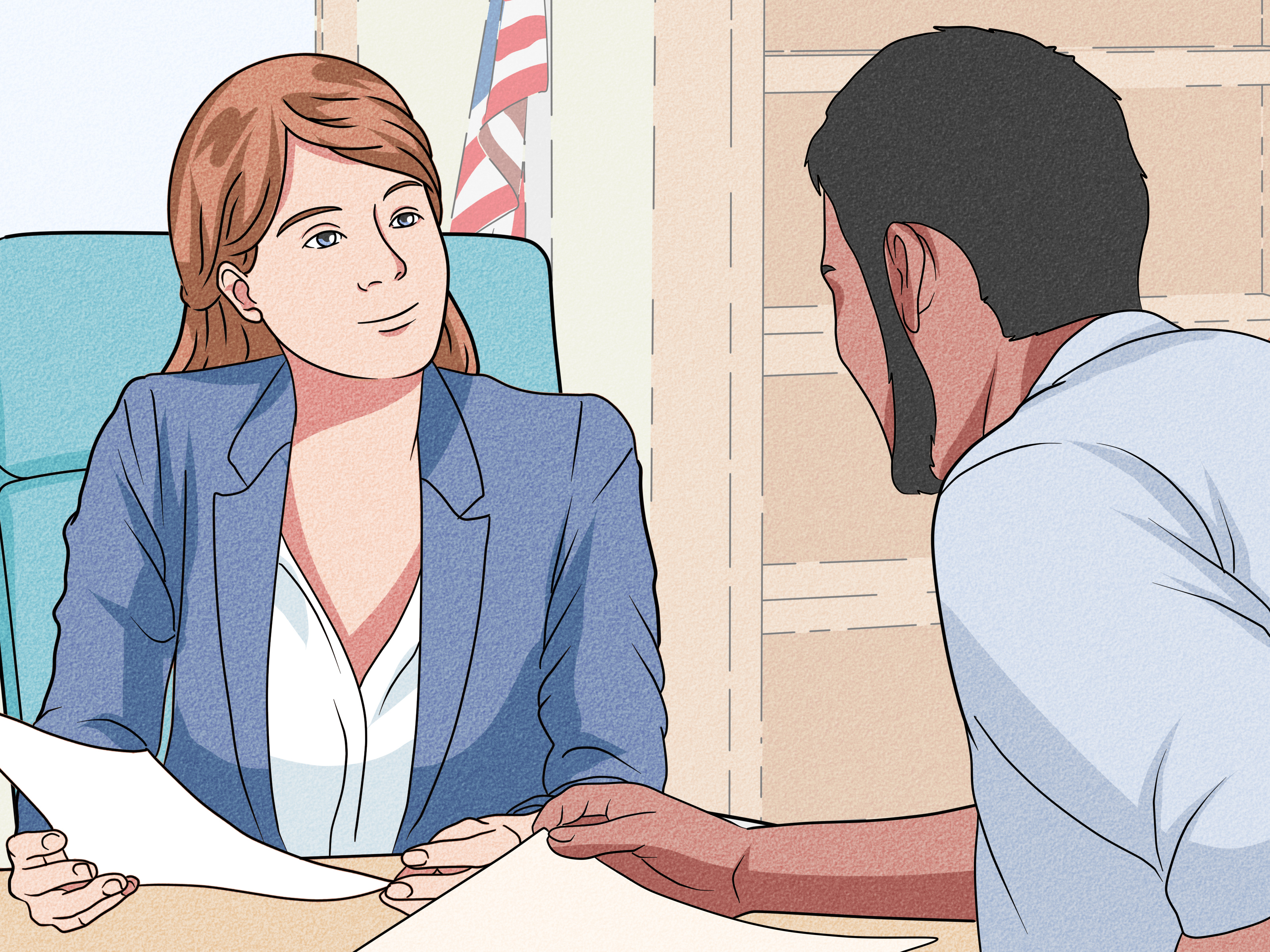
If both owners must visit a branch, schedule an appointment instead of walking in randomly. Bring IDs, account numbers, debit cards, checkbooks, and any legal documents. Ask the banker exactly what will happen after the change: Will the account number stay the same? Will online banking access change? Will debit cards be replaced? Will old checks still work? Will bill pay be canceled? These questions may feel small, but they prevent expensive confusion later.
For parents and adult children, the conversation can be surprisingly delicate. A parent may have helped open the account when the child was a minor, and years later the adult child wants independence. The best approach is respectful but direct: “I appreciate your help setting this up. I’m moving to an individual account now so I can manage my finances separately.” That message keeps the focus on adulthood, not accusation.
For couples separating, the safest experience-based advice is to avoid using the joint account as a battlefield. Do not drain it impulsively, do not ignore shared bills, and do not rely on verbal promises if the situation is tense. Keep screenshots, receipts, final statements, and written agreements. If attorneys are involved, ask before making large transfers.
Finally, give yourself a transition window. The best account changes are rarely instant. Let one paycheck arrive in the new account before closing the old one. Watch one round of bill payments clear. Confirm payment apps are updated. Then close the joint account or finalize the ownership change. A little patience here is cheaper than late fees, returned payments, and a Saturday morning spent arguing with customer support while your coffee gets cold.
Conclusion
Changing a joint bank account to a single account is not always a simple name-removal process. Depending on your bank, you may need the other owner’s consent, signed paperwork, a branch visit, or a completely new individual account. The easiest path is usually to open a new single account first, move direct deposits and automatic payments, clear pending transactions, then either remove the joint owner or close the old account.
Handled carefully, this process can protect your money, reduce confusion, and give you a clean financial fresh start. Handled casually, it can create missed payments, lingering access, and the kind of banking headache that makes people say, “I’ll deal with it next week” for six months. Follow the seven steps, keep records, and when in doubt, ask your bank exactly what it requires.