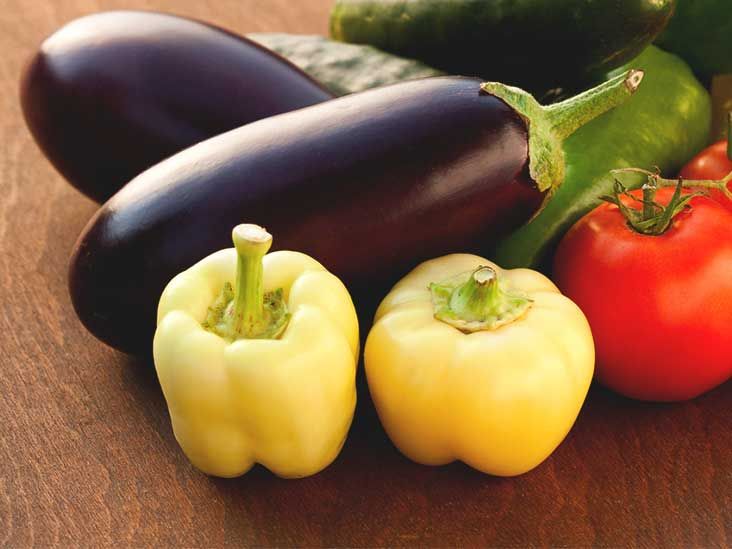
Tomatoes, potatoes, peppers, and eggplants are kitchen regulars. They appear in pizza, fries, salsa, curry, soups, spice blends, and approximately every snack that promises to be “flamin’ hot.” For most people, these foods are nutritious and harmless. For a small number, however, one or more nightshade foods may trigger an allergic reaction.
The phrase nightshade allergy can be misleading. Someone is not necessarily allergic to every plant in the nightshade family. A person may react to tomatoes but comfortably eat potatoes, or develop symptoms from bell peppers while having no problem with eggplant. Symptoms may also come from food intolerance, pollen-food allergy syndrome, another ingredient in the meal, or even naturally occurring toxins in green potatoes.
This guide explains the symptoms, possible causes, diagnostic process, and treatments associated with nightshade food allergieswithout putting an innocent tomato on trial before the evidence arrives.
What Are Nightshade Foods?
Nightshades belong to the botanical family Solanaceae. The family includes thousands of plant species, although only a relatively small number are commonly eaten.
Common edible nightshades
- Tomatoes and tomato-based sauces
- White, red, yellow, and purple potatoes
- Bell peppers
- Chili peppers, jalapeños, habaneros, and other Capsicum varieties
- Eggplant
- Tomatillos
- Goji berries
- Paprika and cayenne pepper
Sweet potatoes are not nightshades. Neither are yams, black pepper, or peppercorns. Their names may sound suspiciously similar, but botanically they live in different neighborhoods.
Tobacco is also a member of the nightshade family, but it is not an edible nightshade and should not be grouped with vegetables when planning a diet.
What Is a Nightshade Allergy?
A true food allergy occurs when the immune system mistakenly identifies a food protein as dangerous. In many immediate allergic reactions, the body produces immunoglobulin E, or IgE, antibodies. Exposure can then activate immune cells and release chemicals such as histamine.
The resulting reaction may affect the mouth, skin, digestive tract, lungs, heart, or several systems at once. Although allergies to individual nightshade foods have been documented, they are much less commonly discussed than allergies to peanuts, milk, eggs, wheat, soy, sesame, fish, shellfish, or tree nuts.
Being allergic to one nightshade does not automatically prove an allergy to the entire botanical family. Different nightshades contain different combinations of proteins, and individual immune systems can recognize those proteins differently.
Nightshade Allergy Symptoms
Symptoms often begin within minutes to two hours after eating the trigger, although timing can vary. Reactions may also differ from one exposure to the next. A previously mild reaction does not guarantee that every future reaction will remain mild.
Mouth and throat symptoms
- Itching, tingling, or burning in the mouth
- Itchy lips, tongue, palate, or throat
- Swelling of the lips or tongue
- A scratchy or tight-feeling throat
- Hoarseness or difficulty swallowing
Skin symptoms
- Hives or raised, itchy welts
- Facial swelling
- Redness or flushing
- Itching without a visible rash
- Worsening eczema in some individuals
Digestive symptoms
- Nausea
- Stomach cramps
- Vomiting
- Diarrhea
Breathing and circulation symptoms
- Coughing or wheezing
- Shortness of breath
- Chest tightness
- Dizziness, confusion, or fainting
- Weak pulse or a sudden drop in blood pressure
Symptoms involving breathing, circulation, severe throat swelling, or multiple body systems can indicate anaphylaxis, a potentially life-threatening emergency. Epinephrine is the first-line treatment for anaphylaxis. Use the prescribed epinephrine device immediately and call 911. Antihistamines cannot reverse dangerous breathing problems or shock.
Nightshade Allergy vs. Nightshade Intolerance
The words allergy, intolerance, and sensitivity are frequently used as though they were interchangeable. They are not.
A true food allergy involves the immune system
Even a small quantity of an allergenic food may cause symptoms. Reactions can include hives, swelling, wheezing, vomiting, or anaphylaxis. Immediate reactions are often IgE-mediated, although other immune mechanisms can also cause food-related conditions.
An intolerance usually centers on digestion
A food intolerance does not typically involve the same IgE-driven immune response. Symptoms may include bloating, gas, abdominal discomfort, loose stools, or nausea. They may depend on how much food was eaten and can take longer to develop.
A sensitivity is a broad, imprecise label
“Nightshade sensitivity” is commonly used online to describe fatigue, headaches, joint discomfort, digestive trouble, or skin changes. These experiences may be real, but the label does not identify a single established medical mechanism. Similar symptoms can be caused by irritable bowel syndrome, reflux, migraines, infections, medication effects, another food ingredient, or an underlying inflammatory condition.
This distinction matters because the safety plan for anaphylaxis is very different from the dietary strategy used for bloating after a large bowl of spicy tomato pasta.
What Causes an Allergy to Nightshades?
Allergenic proteins in individual foods
Nightshade plants contain proteins that can act as allergens in susceptible people. Researchers have identified several tomato allergens, including profilins, pathogenesis-related proteins, beta-fructofuranosidase, and nonspecific lipid transfer proteins. Potato allergy may involve proteins such as patatin, while peppers and eggplants contain their own potential allergens.
Some proteins are easily altered by cooking and digestion. Others, including certain lipid transfer proteins, may be relatively stable. That difference helps explain why one person may react only to raw tomato while another reacts to tomato sauce, paste, and cooked dishes as well.
Pollen-food allergy syndrome
Some reactions occur because a food protein resembles a protein in pollen. This is called pollen-food allergy syndrome, also known as oral allergy syndrome. Tomato and potato have been associated with cross-reactions involving certain grass pollens.
Typical symptoms include itching or tingling of the lips, mouth, tongue, or throat after eating a raw food. Symptoms are often localized and may improve when the food is cooked because heat changes the responsible protein. Serious reactions are uncommon but possible, so recurring mouth symptoms still deserve medical evaluation.
Cross-reactivity between related plants
Proteins shared by plants in the same family may produce cross-reactivity. However, a positive laboratory result does not always mean a person will develop symptoms when eating every related food. Clinical history remains essential.
Personal allergy risk factors
Food allergies are more likely in people who have other allergic conditions, such as eczema, asthma, allergic rhinitis, or an existing food allergy. Family history may also contribute to a person’s overall tendency to develop allergic disease, although it cannot predict a specific tomato or potato allergy with certainty.
Are Nightshade Alkaloids Responsible?
Nightshades contain naturally occurring compounds called alkaloids. Solanine and chaconine in potatoes are among the best-known examples. Online discussions sometimes describe all reactions to nightshades as “alkaloid allergy,” but toxicity, intolerance, and IgE-mediated allergy are different biological events.
Green or heavily sprouted potatoes can contain elevated glycoalkaloid levels. Eating enough may cause vomiting, abdominal pain, or diarrhea. Those symptoms are related to toxicity rather than a classic food allergy. Green potatoes should be discarded instead of promoted to “rustic gourmet ingredient.”
Ripe, properly stored, conventionally prepared nightshade vegetables are safely eaten by millions of people. There is no good reason for everyone to remove the entire family from a balanced diet.
How Doctors Diagnose a Nightshade Food Allergy
There is no single test that can diagnose a blanket allergy to all nightshades. An allergist usually investigates specific foods and considers the complete pattern of symptoms.
1. A detailed medical history
The clinician may ask what was eaten, how much was consumed, how quickly symptoms started, whether the food was raw or cooked, how long symptoms lasted, and whether exercise, alcohol, illness, or medication may have influenced the reaction.
2. A food and symptom diary
A diary can reveal whether reactions consistently follow tomatoes, potatoes, peppers, or another ingredient. This is especially useful with complex foods. For example, pizza contains wheat, milk, tomato, herbs, yeast, and possible cross-contactnot just a suspicious red sauce wearing a tiny villain’s cape.
3. Skin-prick testing
A small amount of allergen extract, or occasionally fresh food, is introduced to the skin. A raised bump may indicate sensitization. It does not prove by itself that eating the food causes symptoms.
4. Food-specific IgE blood testing
A blood test can look for IgE antibodies associated with a suspected food. As with skin testing, results must be interpreted alongside the reaction history. False-positive or clinically irrelevant results can occur.
5. A medically supervised oral food challenge
When the history and test results remain unclear, an oral food challenge may be used to confirm or rule out an allergy. Small, gradually increasing portions are eaten while medical professionals monitor for symptoms. Because a challenge can provoke a serious reaction, it should never be improvised at home.
Nightshade Allergy Treatment
Avoid the confirmed trigger
The primary treatment is avoiding the specific food shown to cause allergic reactions. Complete removal of every nightshade is not always necessary. An allergist can help determine whether related foods are safe.
A registered dietitian may be helpful when several foods must be removed. Tomatoes, potatoes, and peppers contribute vitamins, potassium, fiber, antioxidants, and variety to many diets. Suitable replacements help prevent an unnecessarily narrow menu.
Read the full ingredient list
Nightshades are not included among the nine major allergens that receive special labeling treatment under U.S. federal rules. A package may therefore contain tomato, potato, paprika, cayenne, or pepper ingredients without a separate “Contains” statement highlighting them.
Check complete ingredient lists for terms such as tomato powder, potato starch, potato protein, paprika, chili powder, red pepper, vegetable seasoning, and spice blends. When an ingredient source is unclear, contact the manufacturer.
Use extra care when dining out
Tell restaurant staff about the diagnosed allergy rather than saying you merely “prefer no tomatoes.” Ask about marinades, sauces, fryers, seasoning mixtures, soup bases, garnishes, and cross-contact. Potato ingredients can appear in bread, shredded cheese coatings, baked goods, soups, and snack seasonings.
Medications for mild reactions
An antihistamine may help relieve isolated itching or hives when recommended in an individual treatment plan. It should not be used as a substitute for epinephrine when severe symptoms occur.
Epinephrine for anaphylaxis
Anyone considered at risk for anaphylaxis should discuss emergency epinephrine with an allergist. Learn how to use the prescribed device, keep it accessible, monitor expiration dates, and make sure family members, coworkers, caregivers, or school staff know where it is stored.
After using epinephrine, follow the personalized emergency plan and seek emergency medical care. Symptoms can persist or return, and additional treatment may be necessary.
Do not attempt DIY desensitization
There is no standard at-home desensitization program for tomato, potato, pepper, or eggplant allergy. Eating increasingly large amounts without medical supervision can trigger a dangerous reaction. Any discussion of food challenges or immunotherapy belongs in an allergist’s office.
Can an Elimination Diet Help?
A structured elimination and reintroduction process may help investigate suspected intolerance when immediate allergic reactions are not occurring. It usually involves temporarily removing specific foods, recording symptoms, and reintroducing foods one at a time.
Elimination diets have limits. Symptoms may improve because several ingredients were removed at once, meals became less processed, portion sizes changed, or the original problem naturally settled. That is why reintroduction is important.
People with a history of hives, swelling, wheezing, throat symptoms, fainting, or rapid vomiting after a food should not perform an unsupervised reintroduction. They need an allergy evaluation first.
Practical Nightshade Substitutes
- Instead of tomato sauce: Try roasted red beet sauce, pumpkin sauce, carrot-based sauce, pesto without pepper ingredients, or an olive-oil-and-herb sauce.
- Instead of white potatoes: Use sweet potatoes, cauliflower, turnips, parsnips, rutabaga, rice, or squash.
- Instead of bell peppers: Add carrots, celery, zucchini, radishes, fennel, or snap peas for crunch.
- Instead of paprika or cayenne: Depending on the recipe, experiment with ginger, turmeric, cumin, coriander, mustard, garlic, horseradish, or black pepper.
- Instead of eggplant: Mushrooms, zucchini, squash, or artichoke hearts may provide a similar hearty texture.
Check every substitute against other allergies and dietary restrictions. “Free from nightshades” does not automatically mean “free from everything else that has ever caused trouble.”
When to See an Allergist
Schedule an evaluation when symptoms repeatedly occur after a particular nightshade, especially when they include hives, lip swelling, mouth itching, wheezing, vomiting, or throat discomfort.
Seek immediate emergency care for:
- Difficulty breathing or swallowing
- Throat tightness or significant tongue swelling
- Fainting, confusion, or severe dizziness
- Blue, gray, or unusually pale skin
- Rapid progression of symptoms
- Symptoms affecting more than one body system after eating
When an emergency plan calls for epinephrine, administer it promptly. Delaying epinephrine while waiting to see whether an antihistamine works can allow anaphylaxis to become more severe.
Experiences With Suspected Nightshade Allergy
The following composite experiences illustrate common diagnostic puzzles. They are educational examples rather than accounts of specific patients.
The “tomato allergy” that started with pizza
Imagine someone who develops hives twice after eating pepperoni pizza. Tomato sauce looks like the obvious suspect, so every tomato product disappears from the kitchen. Weeks later, the same person eats plain roasted tomatoes without symptoms but develops hives after a cheese-heavy sandwich.
An allergy evaluation ultimately focuses on milk rather than tomatoes. The lesson is that mixed dishes are terrible eyewitnesses. They contain too many possible triggers, and cross-contact adds even more suspects. Recording the complete ingredient list, restaurant, portion, timing, medications, and symptoms gives the allergist much better evidence than writing “pizza attacked me” in a food diary.
Raw tomatoes itch, but cooked tomatoes do not
Another person notices that fresh tomato slices make the lips and roof of the mouth itch during grass-pollen season. Ketchup and well-cooked pasta sauce cause no problem. The symptoms resolve quickly and never include hives elsewhere, vomiting, wheezing, or dizziness.
This pattern may suggest pollen-food allergy syndrome. Certain raw-food proteins resemble pollen proteins and can be altered by heating. However, the individual still needs professional guidance because mouth and throat symptoms should not be self-diagnosed. The practical result may be permission to eat certain cooked tomato products rather than a lifelong farewell to every marinara sauce in America.
A green potato incident mistaken for allergy
A family prepares potatoes that have been sitting near a sunny window. Several potatoes have green areas and sprouts, but the cook trims the most obvious spots and continues. Later, two family members experience nausea, stomach pain, and diarrhea.
Because potatoes are nightshades, the family assumes they have suddenly developed a shared allergy. In reality, simultaneous digestive illness after green or sprouted potatoes raises concern about glycoalkaloid toxicity. Allergy usually reflects an individual immune response; toxicity can affect several people who consume enough of the same contaminated or naturally toxic food.
The experience reinforces two rules: discard heavily green or sprouted potatoes, and do not label every food-related stomachache as an allergy.
The overly ambitious nightshade elimination
A person with bloating and joint discomfort reads that nightshades are “inflammatory” and removes tomatoes, potatoes, peppers, eggplants, spice blends, restaurant meals, and several packaged foods overnight. Symptoms improve somewhat, but the new diet also eliminates fast food, large portions, alcohol-heavy meals, and ultra-processed snacks.
When nightshades are cautiously reintroduced one at a time with professional guidance, most cause no reaction. Very spicy pepper dishes still trigger reflux and abdominal discomfort, but bell peppers and potatoes are tolerated. The useful discovery is not a family-wide allergy. It is that high-capsaicin meals aggravate an existing digestive problem.
This scenario shows why broad restriction without reintroduction can create false certainty. Improvement proves that something changed; it does not automatically prove which change mattered.
What these experiences have in common
Food reactions are rarely solved by botanical category alone. Timing, preparation, dose, accompanying ingredients, pollen exposure, exercise, medications, and the exact symptoms all matter. A precise diagnosis can protect someone from a dangerous allergen while also preventing unnecessary restrictions.
Conclusion
A nightshade allergy is an immune reaction to a specific food protein found in a tomato, potato, pepper, eggplant, or another member of the nightshade family. It is not the same as digestive intolerance, pollen-food allergy syndrome, or illness caused by excessive glycoalkaloids in green potatoes.
Because the symptoms overlap, diagnosis should be based on a detailed reaction history and appropriately selected testing. Skin tests and blood tests can support the investigation, while a supervised oral food challenge may be needed when the diagnosis remains uncertain.
People with a confirmed allergy should avoid the specific trigger, study full ingredient lists, communicate clearly in restaurants, and follow an individualized emergency plan. Severe symptoms require epinephrine and emergency carenot a glass of water, a search-engine rabbit hole, or a brave decision to “wait another ten minutes.”
Medical note: This article provides general educational information and does not replace diagnosis or treatment from a qualified physician or board-certified allergist. Never conduct an at-home food challenge after a suspected allergic reaction.