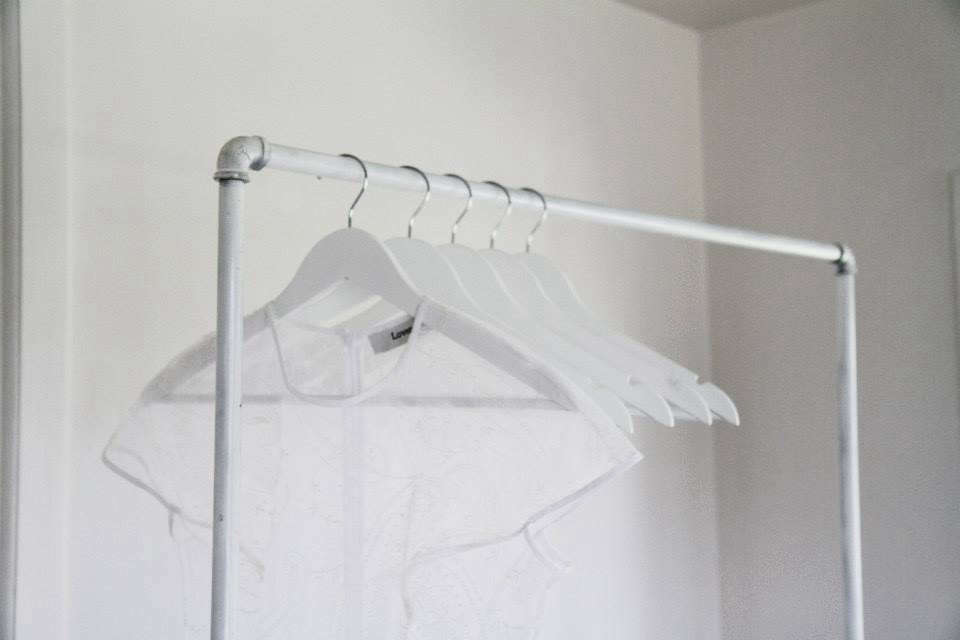
If your closet is so full that one more jacket might trigger a small avalanche, a bespoke clothing rack may be the stylish rescue mission your home has been waiting for. The idea behind “Hang It Anywhere: Bespoke Clothing Racks from New Zealand” is wonderfully simple: take everyday garment storage, strip away the bulky wardrobe drama, and turn it into a flexible design feature that can live in a bedroom, hallway, laundry room, guest space, studio, boutique, or even that awkward corner currently occupied by one lonely tote bag.
New Zealand design has a reputation for being practical without looking plain, minimal without feeling cold, and handmade without trying too hard to announce itself. That is exactly why bespoke clothing racks from New Zealand have caught the attention of design lovers. They solve a real problemwhere to hang clothes when storage is limitedwhile adding a clean, architectural detail to the room. In other words, they do not just hold your linen shirt. They make the linen shirt look like it has a better social life than you do.
What Makes a Bespoke Clothing Rack Different?
A standard garment rack is usually a quick storage fix. It may roll, fold, wobble, or quietly surrender under the weight of winter coats. A bespoke clothing rack is different because it is designed around a space, a style, and a purpose. Instead of forcing your room to accept a one-size-fits-all product, a custom rack can be shaped around the way you actually live.
That might mean a slim-line black metal rack for a modern apartment, a copper hanging rail for a warm boutique look, a corner rack for a tiny bedroom, or a wheeled rack that moves between dressing area and laundry day like a very fashionable shopping cart. The charm is in the balance: practical enough for daily use, attractive enough to leave out in the open.
The New Zealand Connection: Simple, Smart, and Handmade
One of the most interesting examples of this design movement came from Auckland, New Zealand, where handcrafted clothing racks by I’ll Hang It Here gained attention for their made-to-order, slim-line approach. The brand’s story reflects a common design truth: sometimes the best products begin when someone cannot find exactly what they want, so they make it themselves.
The racks associated with this New Zealand-made concept were known for industrial pipe-inspired forms, simple profiles, and adaptable finishes. Designs included classic freestanding racks, corner styles that tucked neatly into small spaces, and metal or copper options that looked more like intentional furniture than emergency storage. Some versions even offered wheels, which is a small detail until you try moving a fully loaded clothing rack and realize furniture mobility should probably be taught in schools.
Why Clothing Racks Are Having a Design Moment
Open clothing storage is no longer just for retail stores, photo studios, or people who accidentally own more jackets than closet rods. Clothing racks have become popular because modern homes often need flexible storage. Apartments are smaller, closets are inconsistent, and many renters cannot install built-in wardrobe systems. A freestanding or wall-mounted clothing rack solves that problem without requiring demolition, carpentry, or a conversation with a landlord that begins with, “Technically, this is removable.”
Design publications, home retailers, and professional organizers often point to the same benefits: racks make clothes easier to see, reduce closet crowding, create extra hanging space, and can turn everyday garments into part of the room’s visual story. Instead of hiding your favorite coat in a dark closet, you can display it like it has finally earned its gallery opening.
Space-Saving Storage for Small Homes
The strongest reason to choose a bespoke clothing rack is space efficiency. A slim rack can fit where a wardrobe cannot: beside a bed, behind a door, along a narrow wall, in a guest room, or inside a walk-in closet as a secondary rail. For studio apartments and small bedrooms, this is especially useful because open racks create storage without visually closing in the room.
A corner clothing rack is a clever example. Corners are often underused because conventional furniture does not always fit there gracefully. A custom corner rack can transform that dead zone into a useful hanging area for jackets, dresses, bags, or tomorrow’s outfit. Add a hook for an umbrella or tote, and suddenly the corner has gone from “dust museum” to “organized lifestyle moment.”
Best Small-Space Uses
- Bedroom overflow: Use a rack for seasonal pieces, work outfits, or frequently worn items.
- Entryway storage: Hang coats, scarves, bags, and umbrellas without needing a bulky hall tree.
- Guest room function: Give visitors a place to hang clothes without installing a full closet.
- Laundry zone: Air-dry delicate garments or stage clothes before ironing.
- Retail display: Present curated pieces in a boutique, market stall, or showroom.
Materials That Make the Look
The material of a clothing rack determines both its strength and its personality. Metal racks tend to feel clean, industrial, and durable. Black steel offers a bold modern look, white metal feels lighter and Scandinavian-inspired, galvanized steel leans utilitarian, and copper brings warmth without becoming overly decorative.
Wooden clothing racks, often made from pine, oak, or other solid timber, create a softer and more natural impression. They work beautifully in bedrooms, children’s rooms, and homes with warm minimalist or Japandi-inspired interiors. A timber rack can feel less like retail equipment and more like furniture.
Metal Clothing Racks
Metal is ideal when strength and slimness matter. It allows for narrow profiles, long rails, and industrial-inspired details. Powder-coated finishes can help protect the surface and create a polished look. Copper and brass-like tones, meanwhile, add a decorative quality that works well with neutral walls, linen bedding, leather accessories, and warm lighting.
Wood Clothing Racks
Wood is excellent for homes that need storage to feel calm and approachable. A solid wood rack can double as a design object, especially when the grain is visible and the shape is simple. However, wooden racks should still be chosen carefully. The joints, base width, and weight capacity matter, especially if you plan to hang coats, denim, or heavy garments.
Freestanding, Wall-Mounted, or Ceiling-Hung?
Choosing the right rack style depends on your room and your habits. A freestanding rack is the easiest to move and rearrange. A wall-mounted clothing rack saves floor space and works well in narrow rooms. A ceiling-hung rack has the most dramatic visual effect, especially in boutiques or minimal interiors, but it requires secure installation.
If you rent, freestanding is usually the friendliest option. If you own your home or have permission to install hardware, a wall-mounted or ceiling-mounted rack can look exceptionally clean. Just remember: clothes are heavier than they appear. A rack must be fixed into appropriate structural support, not into a wall that responds with a sad little crunch.
How to Choose the Right Bespoke Clothing Rack
A good clothing rack starts with measurement. Before choosing a design, measure the wall, floor area, ceiling height, and clearance around doors or drawers. Think about what you will hang: shirts need less vertical space than long coats or dresses, while bags and shoes may require shelves or hooks.
Next, consider your daily routine. Do you want a rack for outfit planning? A guest room? Retail display? Laundry? Wardrobe overflow? Each use case points to a slightly different design. A boutique may need a strong, stable rail with visual impact. A bedroom may need a slim rack that looks calm and uncluttered. A laundry area may need practical metal that handles moisture better than delicate finishes.
Key Features to Look For
- Stable base: A wider or well-balanced base helps prevent tipping.
- Appropriate weight capacity: Heavy coats, suits, and denim need a stronger rack.
- Quality joints: Connections should feel firm, not loose or rattly.
- Useful height: Make sure long garments will not drag on the floor.
- Finish durability: Choose finishes that resist scratches, moisture, and daily handling.
- Mobility: Wheels are useful if you like rearranging or cleaning underneath.
- Extra storage: Shelves and hooks can hold shoes, hats, bags, scarves, or baskets.
Styling an Open Clothing Rack Without Creating Visual Chaos
An open clothing rack is honest. It will not hide your clutter. That is both its superpower and its warning label. The secret is curation. Treat the rack as a visible wardrobe zone, not a dumping ground for everything that escaped laundry day.
Start by choosing a limited color palette. Neutrals, denim, black, white, camel, navy, and soft seasonal colors usually work well. Use matching hangers for a cleaner look. Keep bulky knits folded elsewhere, because sweaters can stretch when hung and may make the rack look crowded. Place shoes or baskets neatly below if the design includes a shelf, and leave some breathing room between garments.
Simple Styling Formula
A practical formula is: hang 60 percent everyday clothing, 20 percent statement pieces, and leave 20 percent empty space. That final empty space is important. It makes the rack look intentional instead of panicked. Think of it as negative space for your wardrobe, or the closet equivalent of taking a deep breath.
Bespoke Clothing Racks for Retail Spaces
Retailers understand something homeowners sometimes forget: how clothing is displayed changes how it is perceived. A beautiful rack makes garments easier to browse, easier to style, and easier to appreciate. That is why bespoke clothing racks are especially useful for boutiques, pop-up shops, market stalls, and small showrooms.
A custom rack can match brand identity. A black metal rail may suit a modern streetwear label. Copper might fit a lifestyle boutique with handmade goods. Timber could work beautifully for children’s clothing, linen garments, or sustainable fashion. Double rails can increase capacity, while single rails can create a more curated, premium display.
For retail use, durability matters. Customers will slide hangers, remove items, return them imperfectly, and occasionally treat the display like it owes them money. A rack used in a store should have reinforced joints, strong feet, and enough spacing for easy browsing.
Sustainability and the Case for Buying Better
Bespoke racks also fit into a broader shift toward buying fewer, better home goods. A cheap rack can be tempting, especially when it promises instant organization. But if it bends, rusts, wobbles, or breaks after a short time, it becomes clutter in disguise. A well-made rack, especially one crafted locally or made to order, can last longer and suit the space better.
New Zealand-made and artisan-style racks often appeal to shoppers who value craftsmanship and longevity. The goal is not simply to buy storage. It is to choose a piece that works hard, looks good, and does not need replacing every time you buy a heavier coat.
Where a Bespoke Rack Works Best
The beauty of a clothing rack is that it can adapt to rooms that do not have obvious storage. In the bedroom, it can function as an open wardrobe. In the entryway, it becomes a coat station. In a laundry room, it handles drying and sorting. In a studio, it separates zones. In a boutique, it becomes part of the brand experience.
Even a hallway can benefit from the right rack, as long as the design is narrow and the placement does not block movement. Wall-mounted rails are especially helpful in tight passageways. Add a small shelf above or below, and the result is a compact drop zone for coats, shoes, bags, and daily essentials.
Common Mistakes to Avoid
The first mistake is buying a rack before editing your wardrobe. More storage does not automatically create more order. Sometimes it simply gives clutter a nicer stage. Before choosing a bespoke rack, remove items you no longer wear, repair what is worth saving, and donate or sell pieces that no longer fit your life.
The second mistake is ignoring weight. A rack that looks elegant in a photo may not be right for heavy coats, wet laundry, or commercial stock. Always match the rack to the job. The third mistake is overloading the rail. When clothes are packed too tightly, they wrinkle, become hard to find, and visually overwhelm the room.
The final mistake is treating the rack like a temporary fix when it could be a design feature. Choose hangers, baskets, and placement intentionally. A clothing rack should make the room feel more useful and more beautiful, not like your closet gave up and moved into the open.
Experience Notes: Living With a Bespoke Clothing Rack
Using a bespoke clothing rack changes the way you interact with your wardrobe. The first thing you notice is visibility. When clothes are hanging in the open, you remember what you own. That navy jacket you forgot about? There it is. The white shirt you keep saving for the perfect day? Also there, silently judging your snack choices. Open storage encourages you to wear your favorite pieces more often because they are not buried behind a wall of “maybe someday” outfits.
The second experience is speed. Planning outfits becomes easier when your most-used clothing is grouped in one place. A slim rack near the bedroom mirror can hold the week’s workwear, a few jackets, and shoes below. Instead of digging through the closet each morning, you can build outfits visually. This is especially helpful for people who like capsule wardrobes, uniforms, seasonal edits, or simply leaving the house without conducting an archaeological dig through laundry baskets.
A bespoke rack also teaches restraint. Because it is visible, it rewards tidiness. You quickly learn that ten carefully chosen pieces look elegant, while forty-two random items look like a fabric thunderstorm. This is not a flaw. It is a gentle organizational nudge. The rack becomes a daily reminder to keep only what is useful, beautiful, or genuinely loved.
In small apartments, the best experience comes from using the rack as a flexible zone. A wheeled rack can move from bedroom to laundry area, from closet corner to guest room, or from styling space to storage wall. This flexibility is valuable for renters and anyone who rearranges furniture often. The rack does not demand a permanent commitment. It simply says, “I can go over there too,” which is more than most furniture offers.
For families, a rack can become a practical staging station. Children’s outfits can be planned for the school week. Sports uniforms can hang where they are easy to grab. Coats and bags can live near the door instead of forming a small mountain on the nearest chair. In a guest room, a simple rack makes visitors feel considered, even if the room also contains a treadmill everyone promised to use.
In retail or creative studios, the experience is more visual. A bespoke clothing rack helps tell a story. It can display a seasonal collection, organize samples, hold costumes, or create a clean backdrop for photography. Because the rack itself is attractive, it supports the clothing rather than distracting from it. That is the key difference between storage and presentation.
The most satisfying part of living with a well-made clothing rack is that it turns organization into something visible and enjoyable. It is not hidden behind closet doors. It becomes part of the room’s rhythm. A good rack gives clothes space to breathe, gives the owner fewer reasons to panic, and gives the home a touch of practical design charm. That is a lot of emotional support from a rail and a few joints.
Conclusion
“Hang It Anywhere: Bespoke Clothing Racks from New Zealand” is more than a catchy title. It captures a smart approach to modern storage: flexible, handcrafted, space-saving, and good-looking enough to leave in plain sight. Whether inspired by Auckland-made metal racks, minimalist timber rails, copper hanging designs, or custom retail displays, the best clothing rack is one that fits your space and your routine.
For small homes, it can create storage where no closet exists. For boutiques, it can elevate merchandise. For laundry rooms, entryways, and guest spaces, it can turn awkward corners into practical zones. The real magic is that a bespoke clothing rack does not ask your home to become bigger. It simply helps the space you already have work harder, look better, and behave itself.
Note: This copy-ready article is written in original American English and synthesized from publicly available design, storage, home organization, and New Zealand-made clothing rack information.