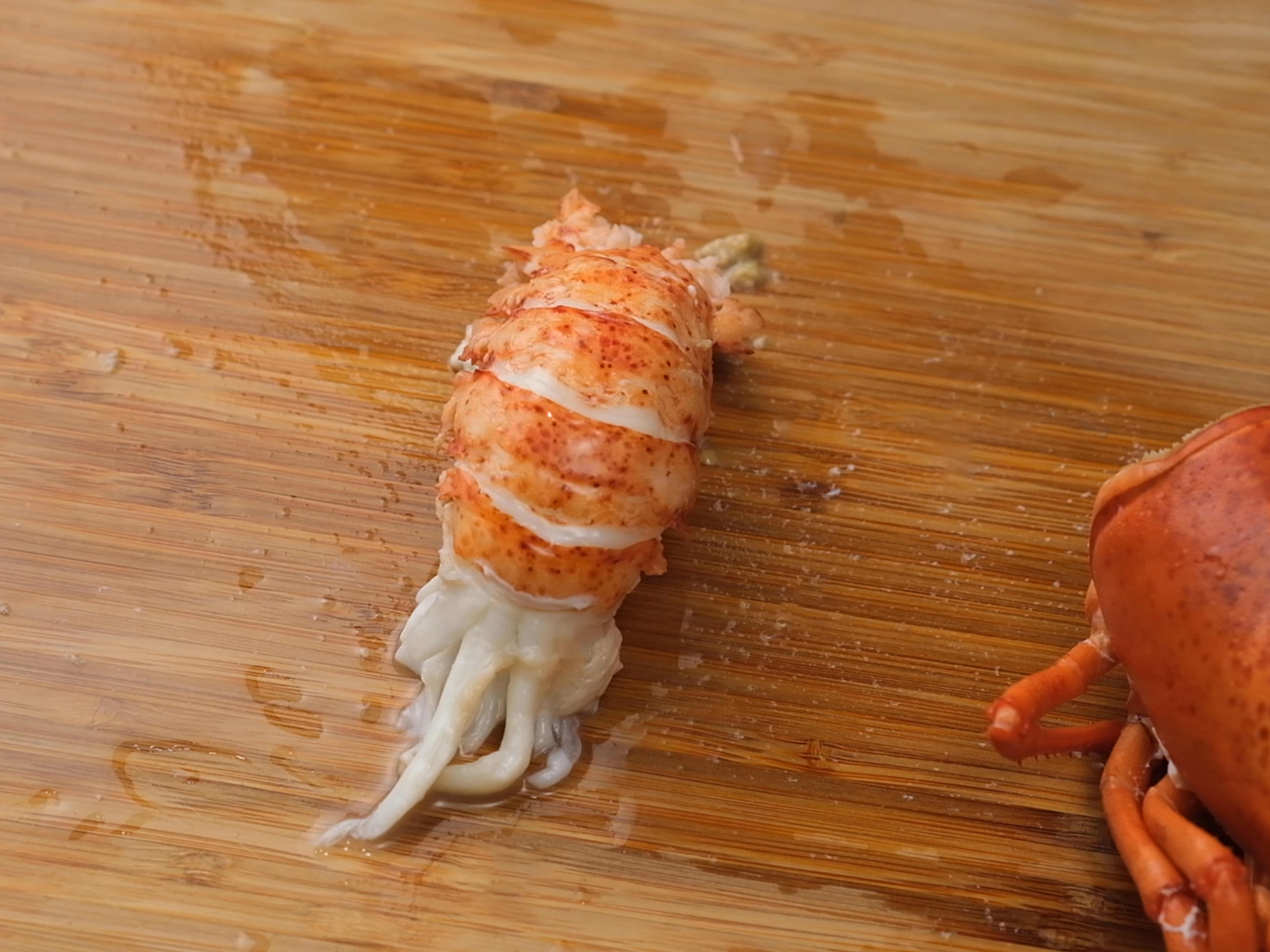
Getting a lobster tail out of its shell sounds like the sort of kitchen task that should come with dramatic music, a white chef coat, and someone named “Jean-Pierre” shouting encouragement from across the stove. In reality, it is much easier than it looks. With a sturdy pair of kitchen shears, a gentle hand, and a little patience, you can remove lobster tail meat cleanly without turning dinner into a seafood wrestling match.
This guide explains how to get a lobster tail out of its shell in six practical steps. You will learn how to thaw it safely, cut the shell properly, loosen the meat, remove it whole, and prepare it for cooking or serving. Whether you are making lobster rolls, lobster pasta, broiled lobster tails, grilled lobster, or a fancy date-night plate that says “I tried very hard,” these steps will help you handle lobster tail like a calm, confident human instead of a panicked crab.
The key is understanding the shell. Lobster tail shells are firm on top, softer underneath, and narrow toward the fan. If you attack the shell randomly, it fights back. If you cut along the right line and loosen the meat slowly, the tail usually releases beautifully. Think of it less like cracking open a vault and more like opening a very expensive zipper.
Before You Start: Raw, Cooked, or Frozen Lobster Tail?
Before learning how to remove lobster tail from shell, check what kind of tail you have. Most grocery-store lobster tails are frozen and raw. Some are sold cooked. Both can be removed from the shell, but the best approach changes slightly.
Raw lobster tail
Raw lobster tail is usually grayish, translucent, or slightly blue-green before cooking. It is flexible when thawed and can be butterflied, removed whole, or cooked in the shell. Removing raw meat takes a gentle touch because it clings more firmly to the shell.
Cooked lobster tail
Cooked lobster tail has a bright red shell and white, opaque meat. It often releases more easily because cooking firms the meat and separates it from the shell. If you are making lobster salad, lobster rolls, tacos, or pasta, cooked tail meat is often the easiest to pull out cleanly.
Frozen lobster tail
Frozen lobster tail should be thawed before you try to remove the meat. Do not hack into a frozen tail unless you enjoy slippery countertops, jagged shell pieces, and questioning your life choices. Thawing overnight in the refrigerator is the safest and easiest method. For a faster option, seal the tail in a leakproof bag and submerge it in cold water, changing the water every 30 minutes until thawed.
Tools You Need
You do not need fancy seafood tools to get lobster tail meat out of the shell. A simple setup works best:
- Sturdy kitchen shears or sharp kitchen scissors
- A small paring knife
- Cutting board
- Paper towels
- A bowl for the meat
- Optional: seafood crackers for cooked tails with extra-hard shells
Kitchen shears are the star of the show. A chef’s knife can help, but shears give you better control because you can cut along the shell without smashing the meat. Lobster is not cheap, so this is not the moment to freestyle with dull scissors from the junk drawer.
How to Get a Lobster Tail out of Its Shell: 6 Steps
Step 1: Thaw and Dry the Lobster Tail
Start with a fully thawed lobster tail. If it is still icy in the center, the meat will cling tightly to the shell and may tear when you pull it out. Place frozen lobster tails in the refrigerator overnight, ideally on a plate or tray to catch any liquid. If you need a quicker method, put the tail in a sealed plastic bag and submerge it in cold water. Never use hot water, because it can warm the outside too quickly while the center remains frozen.
Once thawed, rinse the outside of the shell briefly under cold running water to remove any grit or shell dust. Pat it dry with paper towels. Drying matters because a wet lobster tail is slippery, and slippery lobster plus sharp shears is a comedy sketch nobody ordered.
If you notice a strong sour smell, sliminess, or discoloration, do not use the lobster. Fresh lobster tail should smell clean and mildly ocean-like, not like it has been keeping secrets in the fridge.
Step 2: Place the Tail Shell-Side Up
Set the lobster tail on a cutting board with the hard, rounded top shell facing up and the tail fan pointing away from you. Hold the tail firmly near the sides, keeping your fingers away from the center line where you will cut.
The top shell is where most butterflying and shell-removal methods begin. Cutting here lets you open the tail like a book while keeping the bottom shell mostly intact. If your goal is a restaurant-style lobster tail presentation, you can leave the tail fan attached and lift the meat over the shell. If your goal is to remove the meat completely for lobster rolls, pasta, or soup, you will keep loosening until the entire piece slides free.
For cooked lobster tails, you can also flip the tail over and cut along the softer underside. This is especially useful when you want to remove the meat whole without making a decorative presentation.
Step 3: Cut Down the Top of the Shell
Using kitchen shears, cut lengthwise down the center of the top shell. Start at the wide, open end of the tail and cut toward the tail fan. Stop just before the fan so the shell remains connected at the end.
Try to cut only the shell, not deeply into the meat. A shallow cut is fine. If the shears lightly graze the top of the meat, no disaster has occurred. The lobster will forgive you. Probably. But avoid slicing the meat in half unless your recipe specifically calls for split tails.
Once the top shell is cut, gently spread the shell apart with your thumbs. You may hear small cracking sounds. That is normal. Lobster shells are dramatic by nature. The goal is to widen the opening enough to reach the meat without breaking the shell into sharp fragments.
Step 4: Loosen the Meat from the Shell
Slide your thumbs or fingers between the lobster meat and the shell. Work slowly along both sides, loosening the meat from the top shell first. Then gently separate it from the bottom shell. If the meat resists, do not yank. Lobster meat is delicate, and a rough pull can tear it into pieces.
If you are working with raw lobster tail and the meat refuses to release, there is a simple fix: briefly parboil the tail for about 2 to 3 minutes, then cool it before trying again. This firms the outer layer of meat just enough to help it separate from the shell. This trick is especially helpful with small tails or tails that were frozen very hard.
For cooked lobster tail, loosen the meat with your fingers or the handle of a spoon. Cooked meat often releases in one firm piece if you crack the shell enough. Work from the wide end toward the fan, easing the meat out instead of pulling straight up.
Step 5: Pull the Meat Out Cleanly
Now decide whether you want the lobster meat attached to the fan or completely removed.
For a butterflied lobster tail, keep the meat attached at the tail fan. Lift the loosened meat up and out through the cut shell, then rest it on top of the shell. Press the shell halves together underneath so the meat sits neatly on top. This is the classic “fancy steakhouse” look, ideal for broiling, baking, or grilling.
For fully removed lobster tail meat, continue loosening the meat near the fan until it releases completely. Hold the shell with one hand and gently pull the meat with the other. If a small piece remains stuck near the tail end, use a paring knife to free it. Avoid scraping aggressively, because shell fragments can break off and cling to the meat.
Once removed, inspect the lobster meat. If you see a dark vein running along the top, remove it with the tip of a knife or your fingers. Rinse quickly only if needed, then pat dry again. Too much rinsing can water down the flavor.
Step 6: Cook, Serve, or Store the Lobster Meat
After removing the lobster tail from its shell, cook it promptly or refrigerate it until ready to use. Raw lobster meat should be kept cold and cooked the same day for best quality. Cooked lobster meat can be chilled and used in lobster rolls, salads, bisque, omelets, risotto, or pasta.
Lobster tail meat cooks quickly. Overcooking is the fastest way to turn luxury seafood into a rubber band with butter. The meat is done when it turns white and opaque, feels firm but not tough, and reaches an internal temperature of 145°F. Depending on size and method, lobster tails may need only a few minutes under the broiler, on the grill, in boiling water, or in a steamer.
For simple flavor, brush the meat with melted butter, garlic, lemon juice, parsley, paprika, salt, and black pepper. Lobster does not need a costume party of seasonings. It already knows it is the main character.
Best Uses for Removed Lobster Tail Meat
Once you know how to get lobster tail out of shell, you can use the meat in many dishes beyond the classic butter-dipped plate. Here are a few delicious options:
- Lobster rolls: Chop cooked lobster meat and toss it lightly with mayo, lemon, celery, herbs, or warm butter.
- Lobster pasta: Add bite-size pieces to garlic butter pasta, creamy Alfredo, or spicy tomato sauce.
- Lobster tacos: Pair lobster with lime, avocado, cabbage, and a mild chili crema.
- Lobster bisque: Save the shells to build a rich seafood stock before adding the meat at the end.
- Lobster salad: Mix chilled lobster with cucumber, herbs, lemon, and a light dressing.
- Surf and turf: Serve the whole tail beside steak, roasted potatoes, and vegetables.
If you remove the meat before cooking, keep the shell. Lobster shells are packed with flavor and can be simmered with onion, celery, carrot, tomato paste, white wine, and herbs to create stock. That stock can become soup, risotto liquid, or sauce. In other words, the shell may look like trash, but it is secretly wearing a cape.
Common Mistakes to Avoid
Using dull scissors
Dull scissors crush the shell instead of cutting it. This creates jagged pieces that can tear the meat or poke your fingers. Use sturdy kitchen shears.
Cutting through the tail fan
If you want a neat presentation, stop before the tail fan. Cutting through it makes the tail look messy and removes the natural handle that helps hold the meat in place.
Pulling too hard
Lobster meat should be loosened before it is pulled. If it feels stuck, slide your fingers under the meat again or use a spoon handle to separate it gently.
Cooking too long
Overcooked lobster becomes chewy. Watch for opaque white meat and check the temperature instead of guessing wildly while staring into the oven like it owes you money.
Forgetting to pat dry
Dry lobster meat browns better, holds butter better, and tastes richer. Water on the surface can dilute seasoning and make broiled or grilled lobster steam instead of sear.
Raw vs. Cooked: Which Is Easier to Remove?
Cooked lobster tail is usually easier to remove from the shell because the meat firms up and shrinks slightly. That shrinkage helps it pull away from the shell. If you are nervous, cook the tail first, cool it slightly, then remove the meat.
Raw lobster tail is better when you want to butterfly the meat for broiling or grilling. The meat can be lifted onto the shell and cooked in a beautiful curved shape. This method gives you that impressive restaurant presentation, especially when brushed with garlic butter.
For lobster rolls, salads, and pasta, either method works. If presentation does not matter, remove the meat after cooking. If you want the lobster to look dramatic on the plate, butterfly it before cooking.
How to Keep Lobster Tail Meat Whole
Removing lobster tail meat in one piece is mostly about patience. Start by thawing properly, then cut the shell cleanly. Use your thumbs to loosen both sides evenly. Do not pull from one corner, because that can tear the meat. Instead, lift from the center while supporting the sides.
If the tail is small, the meat may be more fragile. If the tail is large, the shell may be harder. In both cases, slow movement wins. A whole piece of lobster meat looks elegant and cooks more evenly, but torn pieces are not a failure. They are simply volunteering for lobster mac and cheese.
Flavor Tips After Removing the Shell
Lobster has a sweet, delicate flavor, so simple seasoning works best. Melted butter and lemon are classic for a reason. Garlic adds warmth, parsley brings freshness, and paprika gives color without overpowering the meat. A pinch of cayenne can add gentle heat.
If you are grilling, brush the meat lightly with oil or butter so it does not dry out. If you are broiling, place the meat on a baking sheet and baste once during cooking. If you are boiling or steaming, season after cooking so the flavor stays bright.
For a richer dish, poach removed lobster meat gently in butter over low heat. Keep the heat controlled. Butter-poached lobster should feel silky and tender, not fried or tough. This is the cooking method that makes people close their eyes after the first bite and pretend they are on a coastal vacation.
Experience Notes: What Actually Happens in a Real Kitchen
The first time many home cooks try to remove a lobster tail from its shell, they expect elegance. What often happens instead is a small seafood negotiation. The shell cracks louder than expected, the meat sticks in one stubborn spot, and suddenly the cook is holding a luxury ingredient with the seriousness of a surgeon and the confidence of someone assembling furniture without instructions.
In real kitchens, the best results come from slowing down. One helpful experience is to place the lobster tail on a towel before cutting. The towel keeps it from sliding, especially when the shell is wet. Another useful habit is to cut less deeply than you think you need to. Once the shell is open, your fingers can do most of the work. The shears create access; they do not need to perform the whole rescue mission.
Another practical lesson: not all lobster tails behave the same. Cold-water lobster tails often have a sweet, firm texture and may release cleanly after thawing. Warm-water or spiny lobster tails can be delicious too, but their shells and meat texture may feel slightly different. Some tails pop out easily, while others cling like they signed a lease. That does not mean you are doing it wrong. It means seafood is natural, and natural ingredients do not always follow the same script.
When preparing lobster for guests, remove or butterfly the tails before people arrive. This gives you time to work carefully without an audience asking, “Is it supposed to look like that?” Once the meat is loosened, you can refrigerate it briefly, then season and cook when ready. For a dinner party, butterflied lobster tails are a great choice because they look impressive but do not require guests to fight with shells at the table.
If you are making lobster rolls, do not worry about keeping the meat perfectly whole. In fact, slightly uneven pieces can be better because they create a mix of tender chunks and smaller bites that hold dressing well. For pasta, cut the meat into generous pieces and add it near the end so it warms without overcooking. For bisque, use the shells for stock and add the meat just before serving. That one move makes the dish taste deeper and more expensive, even if you are wearing pajama pants while cooking.
The biggest experience-based tip is this: lobster tail is less intimidating once you do it once. The shell looks armor-plated, but it opens predictably when cut down the center. The meat looks delicate, but it can be loosened cleanly with patient fingers. After a little practice, removing lobster tail from its shell becomes a quick prep task, not a special-occasion panic event. And yes, serving it with extra melted butter still improves morale by approximately one thousand percent.
Conclusion
Learning how to get a lobster tail out of its shell is a simple kitchen skill that makes lobster easier to cook, serve, and enjoy. The process comes down to six steps: thaw the tail, dry it, cut the shell, loosen the meat, pull it out carefully, and cook or store it properly. With kitchen shears and a gentle hand, you can remove lobster tail meat whole for elegant entrées or chop it for rolls, pasta, soup, tacos, and salads.
The most important rule is not to rush. Lobster rewards patience. Cut cleanly, loosen slowly, and cook briefly. Once you master the technique, lobster tail stops feeling like an intimidating restaurant-only ingredient and starts feeling like a surprisingly manageable treat you can make at home. Add lemon butter, take the credit, and let everyone assume you trained beside a seaside chef with a dramatic backstory.