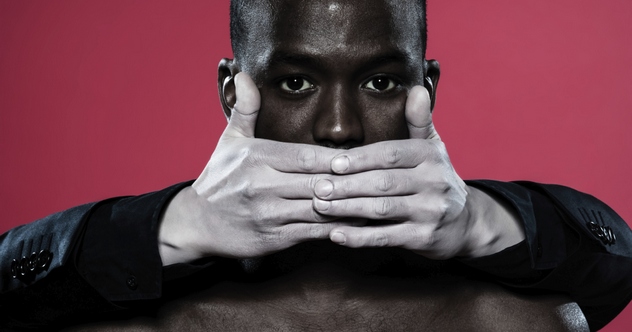
Censorship is supposed to make things safer, cleaner, softer, and less likely to make Grandma drop her tea. But sometimes the censor’s broom doesn’t sweep away the messit flips the entire table, knocks over the lamp, and somehow teaches the parrot three new curse words. That is the strange magic of censorship backfire: the moment when an attempt to hide, soften, or sanitize something makes it louder, weirder, dirtier, funnier, or far more uncomfortable than the original.
From censored movie lines that sound like fever dreams to book edits that accidentally erase historical meaning, media censorship has a long track record of stepping on rakes. The internet made this even more dramatic. Today, if a company, celebrity, publisher, or platform tries too hard to bury something, people often sprint toward it with snacks. That’s why the phrase “Streisand effect” exists: attempts to suppress information can make it famous.
Below are 10 real examples of censorship making something way more offensiveor at least more awkward, suspicious, insulting, or unintentionally hilarious. Consider it a museum tour through the Hall of Bad Redactions. Please keep your hands inside the exhibit, and do not feed the algorithm.
Why Censorship Backfires So Often
Censorship usually fails when it removes a word but leaves the context bleeding on the floor. A swear word can be muted, but the anger remains. A slur can be replaced, but the historical violence behind it does not vanish. A photo can be flagged, but curiosity multiplies. A platform can ban a term, but users invent slang that sometimes sounds even more disturbing.
The problem is not always the goal. Many censorship attempts come from reasonable concerns: protecting children, reducing harassment, avoiding hate speech, meeting broadcast rules, or making classroom material easier to discuss. The problem is execution. When edits are clumsy, secretive, or overly broad, audiences feel manipulated. Instead of saying, “Thanks for cleaning that up,” people say, “Waitwhat exactly were you trying to hide?” That is when the clean version starts smelling funny.
1. The Big Lebowski TV Edit Sent a Stranger to the Alps
What happened
In The Big Lebowski, Walter Sobchak has one of cinema’s most memorably profane meltdowns while smashing what he thinks is a teenager’s car. For television, the explicit insult was replaced with the now-famous line: “This is what happens when you find a stranger in the Alps.”
Why it became worse
The original line was crude, aggressive, and unmistakably adult. The censored version, however, sounds like a threat delivered by a deranged hiking guide. Instead of removing the offensive energy, the edit created a bizarre new mental image: Walter is no longer just angry; he is apparently warning America about suspicious alpine encounters.
This is a classic problem with censored movie lines. A replacement phrase may match the actor’s mouth movement, but not normal human speech. The result feels less like family-friendly editing and more like a ransom note assembled from refrigerator magnets.
2. Snakes on a Plane Introduced “Monkey-Fighting Snakes”
What happened
Snakes on a Plane became famous partly because of Samuel L. Jackson’s gloriously unprintable line about being tired of snakes on a plane. For television, the line was changed to: “I have had it with these monkey-fighting snakes on this Monday-to-Friday plane.”
Why it became worse
The clean version is not merely less profane. It is a tiny surrealist poem. Suddenly, the audience must ask: Are the snakes fighting monkeys? Is the plane only dangerous on weekdays? Do reptiles observe a work schedule?
The censorship did not erase the profanity; it turned the scene into a meme. The sanitized line became more memorable because it was so strange. That is the funny danger of TV edits: when the substitute phrase is ridiculous, it pulls attention directly toward the missing swear word. The censor politely covers the hole with a neon sign that says, “Something naughty used to live here.”
3. Die Hard 2 Gave Us the Mysterious Mr. Falcon
What happened
John McClane’s famous catchphrase in the Die Hard franchise contains one of the best-known profane punchlines in action movie history. In a television version of Die Hard 2, the final word was swapped for “Mr. Falcon.”
Why it became worse
Instead of a hard-edged action line, viewers got the sudden appearance of an invisible gentleman named Falcon. Who is he? Why is John McClane addressing him? Is Mr. Falcon a villain, a pilot, a bird enthusiast, or Bruce Willis’s tax attorney?
The edit is funny because it reveals the machinery of censorship. We can hear the panic behind the decision: “We need two syllables, it has to sound vaguely similar, and it cannot make the FCC angry.” The result is not cleaner drama. It is accidental comedy with a mustache.
4. The Good Place Turned Swearing Into “Forking Shirtballs”
What happened
NBC’s The Good Place used censorship as a running joke. In the afterlife, characters cannot swear, so profanity automatically transforms into words like “fork,” “shirt,” “bench,” and “ash.” The phrase “holy forking shirtballs” became one of the show’s signature clean-but-not-clean expressions.
Why it became worse
This example is more playful than disastrous, but it proves a point: censoring profanity can make audiences think about profanity more often. Every fake curse word becomes a puzzle. Viewers instantly translate it back into the original. In other words, the censorship does not hide the bad word; it invites the audience to mentally supply it.
The show understood the joke. Many real-life censors do not. A fake swear can be funnier, stickier, and sometimes ruder than the word it replaces because the audience participates in completing it.
5. E.T. Replaced Guns With Walkie-Talkiesand Made the Scene Weirder
What happened
For the 20th-anniversary version of E.T. the Extra-Terrestrial, Steven Spielberg changed a scene so government agents carried walkie-talkies instead of guns. The idea was to soften the image of armed adults chasing children.
Why it became worse
The replacement did not make the scene feel more honest. It made it feel digitally airbrushed. The danger of the moment became confusing: why are these agents sprinting so dramatically with communication devices? Are the kids being pursued by a very intense neighborhood watch?
Spielberg later said he regretted the change, and that matters. The original scene reflected the fears and storytelling instincts of its time. Sanitizing it did not simply remove a weapon; it altered the emotional temperature. Sometimes a scary scene is supposed to be scary. Covering it with a softer object can make the whole thing feel false, which is its own kind of offense against the story.
6. Huckleberry Finn Edits Turned a Racial Slur Into a History Problem
What happened
A controversial edition of Mark Twain’s Adventures of Huckleberry Finn replaced the N-word, which appears throughout the novel, with “slave.” Supporters argued that the change could help teachers use the book without causing students pain or discomfort.
Why it became worse
The intention was understandable, but the result created a new problem. The original slur is not incidental; it exposes the racism of the world Huck inhabits. Replacing it with “slave” changes the meaning. A slur is not a job description. It is a weapon. Swapping one for the other can flatten the book’s moral conflict and make racism look like a vocabulary inconvenience rather than a social reality.
That is why many scholars, teachers, and readers objected. The offensive word is painful, but the pain is part of the historical record. Removing it may make a page easier to read, but it can make the lesson less honest.
7. Roald Dahl Revisions Made “Kinder” Language Sound Patronizing
What happened
Newer editions of several Roald Dahl books were edited to remove or soften words related to appearance, weight, gender, race, and mental health. For example, some descriptions of characters as “fat” or “ugly” were changed or removed.
Why it became worse
The backlash was intense because many readers felt the edits treated children like porcelain teacups with Wi-Fi. Dahl’s books are odd, sharp, grotesque, and sometimes mean. That does not make every old phrase defensible, but heavy-handed revision can make the new text feel corporate, nervous, and strangely insulting.
Changing “fat” to “enormous,” for example, may not remove body judgment so much as give it a thesaurus and a little hat. Readers notice when language has been padded. Sometimes the sanitized version draws more attention to the very trait it was trying to soften.
8. Tumblr’s “Female-Presenting Nipples” Policy Became an Internet Punchline
What happened
In 2018, Tumblr announced a ban on adult content, including images involving “female-presenting nipples.” The phrase instantly became infamous. Automated moderation also flagged plenty of innocent content, including art, jokes, and nonsexual images.
Why it became worse
The policy was meant to make the platform safer and more acceptable to app stores and advertisers. Instead, it sounded clinical, awkward, and oddly gendered. The phrase “female-presenting nipples” made people focus not only on nudity but on how platforms classify bodies. For many LGBTQ users and artists, the policy felt less like safety and more like a clumsy machine trying to understand human identity with a flashlight and a cereal box decoder.
Automated censorship often fails because it cannot read context. A painting, a medical image, a meme, and explicit content may share visual patterns, but they do not share meaning. When machines over-censor, users experience the platform as both prudish and invasivea magical combination of hall monitor and broken toaster.
9. Algospeak Made Serious Topics Sound Creepier
What happened
On platforms such as TikTok, creators often avoid words that they believe may trigger moderation or reduce reach. Terms like “dead,” “suicide,” “sex,” or “sexual assault” may become “unalive,” “seggs,” “SA,” or other coded phrases.
Why it became worse
Some euphemisms are clever. Others are deeply awkward. When a creator discusses grief, violence, or trauma using cartoonish replacement words, the tone can feel accidentally disrespectful. “Unalive” may help a video stay visible, but it can make death sound like a customer-service setting.
This is censorship by anticipation. Even when platforms do not officially ban a word, users may self-censor because they fear algorithmic punishment. The result is a strange public vocabulary where serious issues are wrapped in baby talk. The offensive part is not only the new word; it is the pressure that forces people to talk around reality.
10. Beyoncé’s Unflattering Photo Request Made the Photos More Famous
What happened
After Beyoncé’s 2013 Super Bowl performance, several intense mid-performance photos circulated online. Her publicist reportedly asked a site to remove some unflattering images. The request did not bury the photos. It helped turn them into viral memes.
Why it became worse
The original photos were simply action shots: a world-class performer moving with full force under stadium lights. The takedown request reframed them as forbidden artifacts. Suddenly, people were not just looking at a concert photo; they were looking at “the photos someone did not want you to see.”
That is the Streisand effect wearing a glittery bodysuit. When public figures try to erase mildly embarrassing material, they can accidentally invite the internet to become a museum curator of embarrassment. The attempt to protect an image can create a harsher joke than the image ever deserved.
What These Censorship Backfires Have in Common
These examples come from different worlds: movies, books, television, social media, and celebrity culture. But the same lesson keeps popping up like a censored swear in a sitcom. Censorship becomes more offensive when it ignores context.
In movies, bad dubbing makes viewers imagine the original profanity. In literature, word replacement can erase history instead of confronting it. In platform moderation, broad rules may treat bodies, trauma, art, and identity as suspicious by default. In public relations, trying to delete a small embarrassment can turn it into a national group project.
That does not mean all moderation is bad. Nobody needs a lawless internet swamp where every comment section becomes a raccoon fight. Good moderation can reduce harassment, protect minors, and create healthier communities. But good moderation requires judgment, transparency, and humility. It cannot rely only on clumsy substitutions, secret rules, or automated guessing.
Experience Notes: What It Feels Like When Censorship Backfires
Anyone who grew up watching edited-for-TV movies knows the experience. You are sitting on the couch, eating cereal at an hour when cereal is technically dinner, and suddenly a tough action hero says something no human being has ever said. The room goes quiet. The line was supposed to be cleaner, but now everyone is laughing harder than they would have at the swear word. The censor has accidentally become the comedy writer.
The same thing happens in classrooms. A teacher may skip a difficult word because the room is tense, and sometimes that is a thoughtful choice. But if the class never discusses why the word is there, students leave with fog instead of understanding. The uncomfortable part does not disappear. It waits outside the lesson like a raccoon with unfinished business. Honest context is harder than deletion, but it is also more respectful.
Online, the experience is even stranger. You may see someone talk about a tragedy using soft-coded language because they are afraid the algorithm will punish them. You understand why they are doing it, but the substitute words can make the subject feel oddly unserious. It is like watching someone describe a house fire through a brand-safe puppet show. The platform may be trying to prevent harm, but the user is forced into language that can feel less human.
For creators, censorship backfire is a practical warning. If you publish, edit, moderate, market, teach, or manage a brand, the question is not simply, “Can we remove the offensive part?” The better question is, “What will the removal communicate?” Sometimes silence says, “We care.” Other times it says, “We are hiding something.” Sometimes a replacement word protects people. Other times it insults their intelligence.
Good editing should feel like a careful hand on the steering wheel, not a panic yank into a ditch. If a scene needs a content warning, give one. If a historical text includes harmful language, teach the context. If a platform needs rules, explain them clearly and allow appeals. If a brand makes a mistake, acknowledge it before the internet turns the mistake into a commemorative mug.
The funniest censorship failures make great memes, but the serious ones teach a deeper lesson: people can usually tell when language has been scrubbed instead of understood. Offense is not just located in individual words. It lives in power, history, intention, timing, and trust. Remove the word without addressing those things, and you may not reduce offense at all. You may just give it a fake mustache and a new catchphrase.
Conclusion
Censorship is not automatically foolish, and free expression is not automatically harmless. Real communities need boundaries. Children need age-appropriate material. Platforms need rules. Publishers and editors need judgment. But the worst censorship mistakes happen when people confuse deletion with wisdom.
The 10 examples above show that sanitizing content can create new problems: absurd movie lines, dishonest historical edits, robotic body policies, childish trauma vocabulary, and viral publicity for things that were once obscure. The more aggressively something is hidden, the more people wonder what they are not supposed to see.
The smartest approach is not reckless shock value. It is context. Explain difficult language. Label mature content honestly. Moderate with human judgment. Admit when an edit changes meaning. And please, for the sake of cinema, never make a grown action hero yell at Mr. Falcon unless Mr. Falcon is actually in the movie.
Note: This article is written for web publication in standard American English and is based on documented media, publishing, and internet-culture examples. No source links are embedded in the article body.