If spring desserts had a personality, macaroon nests would be the friend who shows up overdressed, brings snacks, and somehow still acts casual about it. These coconut treats are sweet, chewy, lightly crisp around the edges, and just cute enough to make people assume you worked much harder than you actually did. That is the kind of baking math we support.
This recipe is for macaroon nests, not French macarons. No almond flour drama. No piping bag panic. No existential crisis over “feet.” Instead, you get a simple coconut cookie mixture shaped into little nests, baked until golden, then filled with chocolate eggs, lemon curd, whipped ganache, or whatever festive filling makes your dessert-loving heart skip a beat.
If you have been hunting for the best macaroon nests recipe, this version is designed to give you everything you want: rich coconut flavor, a soft and chewy center, enough structure to hold a nest shape, and easy instructions that work for beginners and confident home bakers alike. It is also flexible, which means you can keep it classic or dress it up until it looks ready for a bakery window.
What Are Macaroon Nests?
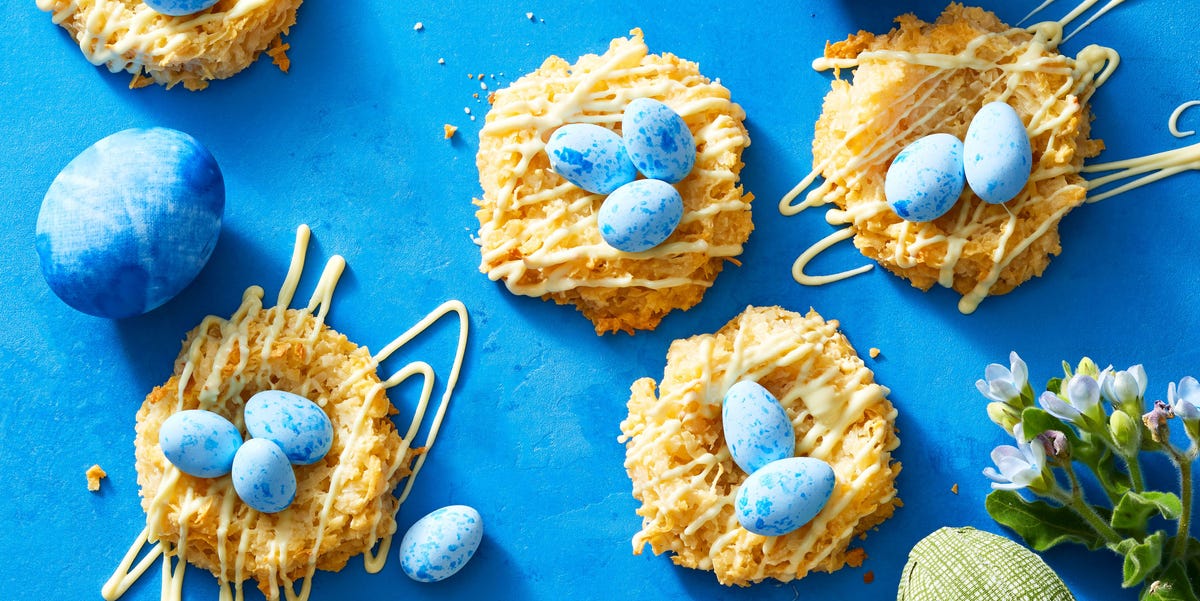
Macaroon nests are a playful twist on traditional coconut macaroons. Instead of baking the cookie mixture into rounded mounds, you shape each portion into a little nest with a shallow center. After baking and cooling, that center becomes the perfect landing pad for mini chocolate eggs, jam, lemon curd, ganache, or even a tiny cloud of whipped cream.
The result is part cookie, part edible centerpiece, and part excuse to buy those candy eggs you swear are “for decorating.” Sure they are.
Why This Recipe Works
This recipe uses whipped egg whites, sugar, vanilla, salt, and shredded coconut to create a classic coconut macaroon texture: chewy inside, lightly crisp outside, and naturally pretty in an almost rustic, “I definitely meant to do that” kind of way. The whipped whites give the nests structure, while the coconut keeps them hearty enough to shape.
Unlike overly wet macaroon mixtures that slump into puddles, this version is balanced for easy scooping and shaping. The coconut is the star, the sweetness stays in check, and the shallow center holds beautifully after baking. That means you can fill the nests without watching them collapse like your motivation on laundry day.
Ingredients for the Best Macaroon Nests
- 4 large egg whites, at room temperature
- 1/2 cup granulated sugar
- 1 teaspoon pure vanilla extract
- 1/4 teaspoon almond extract, optional but delicious
- 1/4 teaspoon fine salt
- 5 cups sweetened shredded coconut
- 1/3 cup mini chocolate chips or melted chocolate, optional for finishing
- Mini chocolate eggs, jelly beans, lemon curd, or chocolate ganache for filling
A Few Ingredient Notes
Sweetened shredded coconut: This gives the nests their signature chewy texture and helps them brown nicely. If your coconut strands are very long, give them a quick rough chop so the nests are easier to shape.
Egg whites: Room-temperature egg whites whip better and help create volume. Save the yolks for custard, ice cream, or the omelet you tell yourself you will make tomorrow.
Almond extract: Optional, but it adds a classic bakery-style flavor that pairs beautifully with coconut. Use a light hand because almond extract does not believe in subtlety.
How To Make Macaroon “Nests”
Step 1: Prep the Pan
Preheat your oven to 325°F. Line two baking sheets with parchment paper. Parchment makes cleanup easy and helps the bottoms bake evenly without sticking.
Step 2: Whip the Egg Whites
In a large clean bowl, beat the egg whites and salt until foamy. Gradually add the sugar while mixing, then continue beating until the whites are glossy and hold medium-stiff peaks. Stir in the vanilla and almond extract.
You do not need to whip the whites into a dramatic cloud that could support a small village. You just want enough structure so the mixture feels airy and holds shape when folded with coconut.
Step 3: Fold in the Coconut
Using a spatula, gently fold the shredded coconut into the egg white mixture until evenly coated. The batter should look thick, sticky, and scoopable. If it seems too loose, let it sit for 2 to 3 minutes so the coconut can absorb some moisture.
Step 4: Shape the Nests
Use a cookie scoop or two spoons to portion the mixture into mounds, about 2 tablespoons each, onto the prepared baking sheets. Space them about 2 inches apart.
With your thumb, the back of a teaspoon, or a small measuring spoon, gently press a shallow well into the center of each mound. Do not press all the way through. Think “bird’s nest,” not “tiny coconut crater.” If the edges crack a little, just pinch them back together.
Step 5: Bake Until Golden
Bake for 20 to 24 minutes, rotating the pans halfway through, until the nests are lightly golden around the edges and just beginning to color on top. The centers should still look a bit soft when they come out of the oven.
Let the macaroon nests cool on the baking sheet for 10 minutes, then transfer them to a wire rack to cool completely. They firm up as they cool, so do not rush them unless you enjoy dessert-related regret.
Step 6: Fill and Decorate
Once the nests are cool, fill each center. For a classic spring look, add a few mini chocolate eggs. For a more elegant version, spoon in lemon curd or pipe in chocolate ganache. You can also drizzle the tops with melted chocolate for extra flair and very little extra effort.
Best Fillings for Macaroon Nests
- Mini chocolate eggs: The classic holiday choice and the easiest option.
- Lemon curd: Bright, tangy, and excellent with coconut.
- Chocolate ganache: Rich and smooth, especially nice for a more grown-up dessert platter.
- Jam: Raspberry or apricot work especially well.
- Whipped cream: Lovely for serving right away, though not ideal for long storage.
- Nut butter: A small spoonful of almond or hazelnut spread makes these taste surprisingly fancy.
Pro Tips for Perfect Coconut Macaroon Nests
1. Start with a Clean Bowl
Egg whites hate grease. Even a tiny trace can keep them from whipping properly, so make sure your bowl and beaters are squeaky clean.
2. Do Not Overbake
The difference between chewy macaroons and dry coconut tumbleweeds is a few minutes in the oven. Pull them when they are golden, not deeply browned.
3. Make the Wells Before Baking
Yes, you can gently press the centers again after baking if needed, but shaping the wells before they go into the oven gives you a neater nest from the start.
4. Chop the Coconut if Needed
If your coconut strands are long and wiry, a quick chop helps the mixture hold together better and makes the finished nests easier to bite into gracefully.
5. Cool Completely Before Filling
This is especially important if you are adding chocolate, curd, or whipped fillings. Warm nests plus soft filling equals dessert chaos.
Common Mistakes To Avoid
Mistake one: making the wells too deep. That weakens the base and can cause breakage.
Mistake two: under-whipping the egg whites. If the mixture lacks structure, the nests spread too much.
Mistake three: piling in too much filling. These are still cookies, not soup bowls.
Mistake four: assuming macaroons and macarons are interchangeable. They are not. One is a chewy coconut cookie. The other is a delicate sandwich cookie with a flair for being temperamental.
Easy Variations
Chocolate-Dipped Macaroon Nests
Dip the bottoms in melted dark chocolate and let them set before filling. This adds a crisp chocolate layer and makes the nests feel extra special.
Lemon Coconut Nests
Skip the almond extract, add a little lemon zest to the batter, and fill the centers with lemon curd. These taste bright, fresh, and very spring-friendly.
Almond Joy-Inspired Nests
Fill the center with chocolate ganache, top with a toasted almond, and try not to eat half the tray before guests arrive.
Jam-Filled Nests
Spoon a little raspberry or apricot jam into each cooled nest for an easy cookie-platter variation that looks cheerful and polished.
How To Store Macaroon Nests
Unfilled macaroon nests can be stored in an airtight container at room temperature for up to 4 days. If filled with chocolate or candy eggs, they still keep well for a couple of days. If filled with whipped cream or lemon curd, refrigerate them and serve within 1 to 2 days for the best texture.
You can also freeze the unfilled nests. Let them cool completely, place them in a single layer until firm, then transfer to a freezer-safe container with parchment between layers. Thaw at room temperature before decorating.
Serving Ideas
These macaroon nests are tailor-made for Easter dessert tables, baby showers, spring brunches, tea parties, and those moments when you want your dessert tray to look like it tried. Arrange them on a platter with fresh berries, pastel candies, or edible flowers for a beautiful seasonal presentation.
They also make a sweet homemade gift. Pack them in a bakery box or tin and suddenly you are the person who gives charming edible gifts instead of last-minute text messages and vague good intentions.
Frequently Asked Questions
Can I make macaroon nests ahead of time?
Yes. Bake the nests a day or two ahead, store them unfilled, and decorate right before serving.
Can I use unsweetened coconut?
You can, but the texture and sweetness will change. Sweetened shredded coconut usually gives the best chewy macaroon texture for this style of recipe.
Are macaroon nests gluten-free?
They can be, since the base ingredients do not require flour. Still, always check labels on coconut, extracts, fillings, and candies if you need a truly gluten-free dessert.
Can I use sweetened condensed milk instead?
Yes, some macaroon recipes do. It makes a richer, denser cookie. For a nest shape, though, whipped egg whites tend to give a lighter structure and neater wells.
Why These Are the Best Macaroon Nests
The best macaroon nests recipe is not just about taste. It is about texture, shape, flexibility, and ease. You want a cookie that is simple enough for a casual weekend bake but pretty enough for a holiday table. You want coconut flavor that actually tastes like coconut, not just sugar in a beach costume. And you want a recipe that lets you decorate without needing pastry school credentials.
This recipe checks every box. The nests bake up chewy and golden, they hold their shape well, and they welcome all kinds of fillings. They are festive, dependable, and surprisingly hard to stop eating. That last one is not a flaw. That is branding.
Experience and Tips From Real-Life Macaroon Nest Baking
The first time I made macaroon nests, I treated them like a quick little holiday cookie. You know, the kind of recipe you assume will be charming but forgettable. Then I pulled the tray from the oven and realized these things had serious main-character energy. The tops were golden, the edges were crisp, the centers looked cozy and chewy, and the whole kitchen smelled like a bakery that had made excellent life choices.
What surprised me most was how forgiving they were. Traditional decorated desserts can be a bit emotionally exhausting. One wrong move and suddenly you are negotiating with broken pastry or frosting that behaves like it has personal issues. Macaroon nests are different. If one looks a little rustic, people call it homemade. If one leans a bit to the side, people call it cute. This is a dessert with range and kindness.
I also learned very quickly that shaping matters. The prettiest nests came from loosely scooping the mixture first, then using a teaspoon to press a gentle well into the center. My earliest attempt involved over-pressing, which made them look more like coconut potholes than nests. Still delicious, less photogenic. The fix was simple: shallow center, sturdy edges, confidence in the process.
Another helpful discovery was that fillings completely change the personality of the dessert. Mini eggs make them playful and nostalgic. Lemon curd turns them bright and elegant. Ganache makes them feel like they belong at a grown-up dessert table next to espresso and dramatic opinions. Once you know the base recipe, you can adapt the mood to the occasion.
These nests are also excellent for group baking. Kids like shaping the nests and adding candies. Adults like that the recipe does not require advanced technique or a pile of specialty tools. Everyone likes eating them. That is not always true in baking projects involving family members, but this one has an unusually high success rate.
Over time, I have found that macaroon nests are one of those rare recipes that feel both festive and practical. They look seasonal, but the ingredient list is simple. They seem special, but the method is straightforward. They can sit proudly on a brunch table, travel well to a party, and still taste good the next day with coffee. Some desserts peak only in photos. These actually deliver.
So if you are making them for a holiday, a shower, a spring gathering, or just because you bought shredded coconut with ambition in your eyes, go for it. Keep the wells gentle, let the nests cool fully, and do not overthink the decoration. A little imperfection makes them look more like real nests anyway. And if a few disappear before serving time, that is not sabotage. That is quality control.
Conclusion
If you want a dessert that is easy, charming, and genuinely delicious, these macaroon nests deserve a place in your baking rotation. They deliver everything a good homemade treat should: a crisp exterior, chewy coconut center, endless decorating possibilities, and enough visual appeal to make people think you planned ahead. Which, for the record, you absolutely did.
Whether you fill them with candy eggs, silky ganache, or bright lemon curd, this best macaroon nests recipe proves that cute desserts do not have to be complicated. Sometimes the prettiest thing on the table is also the easiest one to make. Love that for us.