Seattle has never been shy about seafood. This is a city where salmon gets treated like royalty, geoduck looks like it wandered out of a science-fiction casting call, and oysters can inspire the kind of devotion usually reserved for coffee, hiking boots, and arguing about the best ferry route. So it makes perfect sense that someone eventually looked at a classic vehicle and thought: “You know what this needs? A raw bar.”
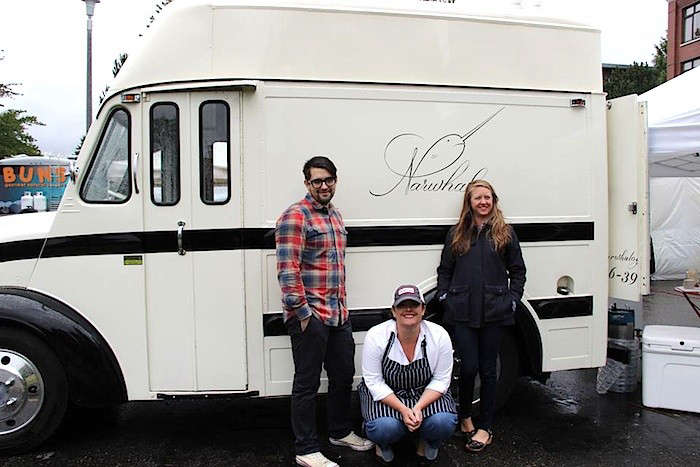
That is the charm behind a Seattle oyster bar on wheels: part food truck, part coastal daydream, part “only in the Pacific Northwest” dining experience. The idea became especially memorable through Narwhal, a mobile oyster bar associated with a restored 1960 Divco dairy van, the kind of vintage vehicle that looks as if it should be delivering milk, postcards, or extremely stylish sandwiches. Instead, it delivered fried oysters, smoked trout salad, celery soda, and a dose of maritime magic to markets and pop-up locations around Seattle.
But this story is bigger than one beautiful truck. It taps into Seattle’s deep relationship with shellfish, the rise of mobile dining, and the growing appetite for experiences that feel casual, local, and just a little bit theatrical. A mobile oyster bar gives people the freshness of a raw bar without the white-tablecloth stiffness. It brings briny, cold, carefully shucked oysters to farmers markets, weddings, private parties, neighborhood events, and waterfront gatherings. In a city built between water, rain, and appetite, that is a very Seattle kind of luxury.
Why Seattle Is the Perfect City for an Oyster Bar on Wheels
To understand why a mobile oyster bar works so well in Seattle, start with geography. Seattle sits beside Puget Sound, a region known for cold, nutrient-rich waters and a long shellfish tradition. Washington is one of the most important shellfish-producing states in the country, especially for farmed oysters, clams, and geoduck. In practical terms, that means a Seattle oyster concept does not have to fake its local identity. The good stuff is already nearby.
Oysters from the Pacific Northwest are famous for variety. Some are clean and cucumber-crisp. Others are deeply briny, melon-sweet, creamy, mineral-forward, or pleasantly funky in the way only serious oyster lovers describe as a compliment. Names like Hama Hama, Shigoku, Kumamoto, Totten Inlet, Samish Bay, and Hood Canal are not just menu decorations; they tell diners where the oyster came from and hint at how it may taste.
Seattle also has the right dining personality. The city loves excellent food, but it does not always need ceremony. A perfect Seattle meal might happen at a counter, a farmers market, a dockside table, a neighborhood bar, or a food truck parked beside a curb while the sky considers raining but politely waits until dessert. A mobile oyster bar fits that rhythm. It is refined enough to feel special, but relaxed enough that nobody panics about which fork to use.
The Narwhal Effect: Vintage Vehicle, Fresh Shellfish, Big Personality
Narwhal became a memorable example of the Seattle oyster bar on wheels because it understood that design matters. Serving oysters from a converted dairy van is not only practical; it is storytelling. The vehicle becomes a character. Before guests taste anything, they see the van and understand the mood: nostalgic, handmade, coastal, a little whimsical, and very photogenic.
The reported menu captured that same spirit. Fried oysters are the crowd-pleaser, crisp on the outside and tender within. Smoked trout salad leans into the Pacific Northwest’s love of preserved fish and bright, simple flavors. Celery soda sounds quirky until you imagine it beside seafood: clean, vegetal, refreshing, and far more interesting than the usual “would you like something bubbly?” routine.
That combination of old-school vehicle and modern seafood sensibility is powerful. It takes the oyster bar out of the restaurant and puts it into the public square. Suddenly, oysters are not only something you order while seated at a marble counter. They can be part of a market stroll, an outdoor party, or a sunny afternoon when the whole city seems to have collectively agreed to go outside before the clouds change their mind.
What Makes a Mobile Oyster Bar Different From a Regular Food Truck?
A typical food truck succeeds by serving dishes quickly, often from a compact menu designed for speed: tacos, burgers, dumplings, sandwiches, rice bowls, and other handheld heroes. A mobile oyster bar operates differently. It is not just about feeding people fast; it is about creating a small performance.
Oysters are opened one at a time. A skilled shucker holds the shell, finds the hinge, slides the knife, cuts the muscle, checks the oyster, and presents it neatly on ice. That process is part of the pleasure. Guests watch the work happen in real time, which builds trust and anticipation. It is dinner and a tiny culinary magic trick.
Mobile raw bars also require careful temperature control, sanitation, sourcing records, and food-safety discipline. Oysters may look simple on a tray, but behind that tray is a serious system. The shellfish must come from approved sources, stay cold, be handled properly, and be served with attention to health guidelines. Glamour is nice; refrigeration is non-negotiable.
Raw, Fried, Grilled, or Dressed?
The best oyster bars on wheels usually offer more than one way to enjoy shellfish. Raw oysters on the half shell are the classic choice, especially when served with lemon, cocktail sauce, mignonette, or a house-made relish. Fried oysters are friendly to beginners because the texture is familiar and the flavor becomes rich and savory. Grilled oysters bring smoke, butter, garlic, herbs, or chili into the picture. Dressed oysters, topped with cucumber, citrus, pickled shallot, or roe, can turn a single shell into a tiny composed dish.
For a Seattle audience, variety matters. Some diners want the pure “taste the tide” experience. Others want crunch, heat, sauce, and a little culinary encouragement. A smart mobile oyster bar serves both the oyster nerd and the oyster-curious friend who is bravely pretending not to be nervous.
The Seattle Oyster Scene Behind the Wheels
A mobile oyster bar does not exist in isolation. It belongs to a broader Seattle shellfish culture that includes restaurants, seafood markets, oyster farms, and waterfront institutions. Seattle diners have long had access to celebrated oyster bars and seafood counters, from classic downtown rooms to neighborhood raw bars and farm-connected operations. Taylor Shellfish, for example, has helped make the farm-to-table shellfish experience familiar to city diners through oyster bars and retail seafood access.
Restaurants such as The Walrus and the Carpenter helped shape Seattle’s modern oyster-bar identity by making oysters feel both casual and destination-worthy. The best places do not bury oysters under too much fuss. They keep the focus on freshness, origin, texture, and balance. A mobile oyster bar borrows that same philosophy but changes the setting. Instead of bringing people to the oyster counter, it brings the oyster counter to the people.
That mobility is valuable in a city of neighborhoods. Seattle is not one dining scene; it is many. Ballard, Capitol Hill, Queen Anne, Fremont, Pioneer Square, West Seattle, Columbia City, and the Central District each have their own food personality. A roving oyster bar can meet people where they already gather, whether that is a farmers market, a private event, a festival, or a waterfront celebration.
Sustainability: Why Oysters Carry a Lighter Footprint
One reason oysters fit so well into the Pacific Northwest food conversation is sustainability. Farmed oysters do not require feed in the same way many land-based proteins do. They filter nutrients from the water as they grow, and oyster reefs can support habitat for other marine life. That does not mean every seafood operation is automatically perfect, but oysters are often considered one of the more environmentally friendly seafood choices when responsibly farmed and harvested.
For diners, this gives the mobile oyster bar an extra layer of appeal. It is not only delicious and photogenic; it can also connect people to local waters and regional food systems. When a shucker tells a guest where an oyster was grown, the menu becomes a map. A half-dozen oysters can taste like a tour of Washington’s inlets, bays, and tide flats.
That sense of place is hard to manufacture. A burger truck can be excellent anywhere. A Seattle oyster bar on wheels feels especially meaningful because it is tied to the waters around it. The food, the vehicle, the weather, and the city all seem to be in conversation.
Food Safety: The Less Romantic but Very Important Part
Let’s be honest: nothing ruins an oyster party faster than poor shellfish handling. Oysters are wonderful, but they require respect. Raw shellfish can carry risks, including bacteria such as Vibrio, which are naturally found in saltwater and can become more concerning during warmer conditions. That is why professional mobile oyster bars must take sourcing, temperature, cleanliness, and timing seriously.
For guests, the best rule is simple: choose reputable vendors and pay attention to freshness. Oysters should smell clean and oceanic, not sour or unpleasant. They should be served cold, properly shucked, and kept on ice. People with certain health conditions, weakened immune systems, or concerns about raw seafood may prefer cooked oysters. There is no shame in ordering fried or grilled oysters. In fact, fried oysters are proof that safety and happiness can share a basket.
For operators, Seattle and King County have specific requirements for mobile food businesses, including plan review, permits, and health inspections. That may not sound as charming as a vintage van with a hand-painted logo, but it is what allows the charm to be safe. A serious oyster truck is equal parts romance and regulation.
How to Build the Perfect Seattle Oyster Bar on Wheels Menu
A successful mobile oyster menu should be short, seasonal, and sharp. Too many items slow service and dilute the concept. The strongest version might include three to six oyster varieties, one fried oyster dish, one smoked or cured fish item, a bright salad, a simple chowder or seafood snack, and a few nonalcoholic drinks that match the briny mood.
Start With Local Oysters
The menu should highlight origin. “Pacific oysters” is useful, but “Hama Hama,” “Totten Inlet,” or “Samish Bay” gives diners something more specific to remember. Tasting notes can help without sounding like a parody of a wine label. Try language like “crisp and briny,” “sweet finish,” “deep cup,” “mineral snap,” or “clean cucumber note.” Nobody needs an oyster described as “emotionally available with hints of moonlight.” We can all calm down.
Add One Hot Dish
Fried oysters are the obvious winner because they travel well from fryer to hand. Serve them with lemon, tartar sauce, aioli, slaw, or pickled vegetables. Grilled oysters are another excellent option if the setup allows it. Butter, garlic, herbs, and heat can convert even cautious diners.
Offer a Bright Drink Pairing
Celery soda, sparkling lemonade, cucumber tonic, ginger-lime soda, or iced tea with citrus can all work beautifully. The goal is refreshment. Oysters like acidity, bubbles, herbs, and clean flavors. A good drink should reset the palate between bites and make guests want another shell.
Why People Love the Experience
A Seattle oyster bar on wheels succeeds because it feels like an event even when it is casual. People gather around the counter. They ask questions. They point at shells. They compare flavors. Someone says, “I usually don’t like oysters,” then eats three and becomes unbearable in the best possible way.
The mobility also creates surprise. A fixed oyster bar becomes part of a neighborhood routine, but a roving oyster bar feels discovered. You turn a corner at a market and there it is: ice, shells, shuckers, lemon wedges, and a vintage vehicle that looks like it has a better social life than most people. That element of discovery makes the food more memorable.
For weddings and private events, a mobile oyster bar adds a hospitality moment. Guests are not just handed appetizers; they are invited into an interaction. A shucker can explain the oysters, recommend toppings, and keep the line moving. It is elegant without being stiff, impressive without being loud, and far more interesting than another tray of mystery crostini.
What Visitors Should Know Before Booking or Visiting One
If you are planning to visit a mobile oyster bar in Seattle, check the schedule first. Pop-up locations can change with markets, seasons, private bookings, and weather. Seattle may be casual about fleece as formalwear, but food operations still need logistics.
If you are booking a mobile oyster bar for an event, ask about sourcing, service style, guest count, setup needs, permits, ice, cleanup, and cooked options. Also ask whether the vendor provides shuckers, display equipment, sauces, and shell disposal. Oyster shells are beautiful until you have 500 of them and no plan. Then they become a small architectural problem.
For the best guest experience, place the oyster station where people can gather without blocking the main flow of the event. Good lighting helps. So does a clear menu sign. If the event is outdoors, plan for shade in summer and cover in rainy weather. In Seattle, “rain plan” is not pessimism. It is basic citizenship.
The Future of Mobile Oyster Bars in Seattle
The future looks promising for mobile oyster concepts because diners increasingly want food with story, freshness, and flexibility. A mobile raw bar can serve corporate events, farmers markets, festivals, weddings, waterfront parties, and chef collaborations. It can operate as a brand builder for a restaurant, a catering business, or a shellfish-focused hospitality company.
Seattle is especially well suited for this format because the city already understands seafood as culture. The challenge is execution. Oysters are delicate, labor-intensive, and safety-sensitive. The operators who thrive will be the ones who combine style with discipline: beautiful presentation, reliable sourcing, trained shuckers, strong permitting, and a menu that respects both oyster lovers and beginners.
In other words, the dream is not just a cute truck. The dream is a rolling seafood counter that makes people feel closer to the water, even if they are standing in a parking lot holding a compostable plate.
Experience Notes: Spending a Day With a Seattle Oyster Bar on Wheels
Imagine arriving at a weekend market in Seattle just as the morning fog begins to lift. The air smells like coffee, wet pavement, flowers, and something savory from a nearby food stand. Then you spot the oyster truck. It is compact, vintage, and charming enough to make phones appear instantly. People do not simply walk up to it; they drift toward it, curious.
The first thing you notice is the ice. A proper oyster display has a magnetic quality. Crushed ice catches the light, shells sit in neat rows, lemon wedges glow like little yellow flags, and the shucker works with calm confidence. There is a rhythm to it: pick up the oyster, find the hinge, twist, lift, clean, place, repeat. It is quiet craftsmanship in the middle of public life.
Ordering can feel intimidating if you are new to oysters, but a good mobile oyster bar makes it easy. The shucker might suggest starting with a milder oyster before moving to a brinier one. You add a squeeze of lemon, maybe a spoon of mignonette, and take the first bite. The flavor is cold, clean, and immediate. It tastes less like “seafood” in the generic sense and more like a specific place: tide, stone, salt, and sweetness arriving all at once.
Then comes the fried oyster, because balance is important and because humans invented crispy food for a reason. The shellfish is hot, golden, and tender, with a bright sauce that keeps everything lively. Nearby, someone orders smoked trout salad. Someone else is photographing celery soda as if it were a celebrity. A child asks why the shells look like dragon armor. Honestly, fair question.
The best part is the social energy. Oysters encourage conversation. Strangers compare tasting notes. Friends debate toppings. A couple planning an event asks about catering. A longtime Seattle resident talks about Hood Canal. A visitor asks whether all oysters taste different and receives the joyful answer: yes, absolutely, welcome to the rabbit hole.
By the time you leave, the experience feels bigger than lunch. You have tasted local waters, watched a skilled person work, learned a little about shellfish, and enjoyed a version of Seattle that is both polished and playful. That is the magic of an oyster bar on wheels. It takes something usually associated with restaurants and gives it fresh air, movement, and a little street-corner theater.
For publishers, travelers, event planners, and food lovers, the lesson is clear: the mobile oyster bar is not a gimmick when it is done well. It is a compact expression of place. In Seattle, where the city’s identity is tied to water, markets, craft, and appetite, a rolling oyster counter feels less like a novelty and more like a natural evolution. It is seafood with wheels, yes, but also seafood with personality.
Conclusion
A Seattle oyster bar on wheels captures what makes the city’s food culture so appealing: local ingredients, relaxed creativity, and a deep connection to the surrounding water. From Narwhal’s vintage-dairy-van charm to today’s mobile raw bars and oyster catering experiences, the concept turns shellfish into something portable, social, and memorable.
The best versions are more than pretty trucks. They are carefully run seafood operations built on safe handling, thoughtful sourcing, skilled shucking, and a menu that respects the oyster’s natural character. Whether parked at a farmers market, serving a wedding, or popping up beside a Seattle neighborhood gathering, an oyster bar on wheels gives diners a taste of the Pacific Northwest without asking them to sit still.
And really, that may be the whole point. In Seattle, the water is never far away. Sometimes it arrives on a plate of ice, in a half shell, from the window of a vintage van.