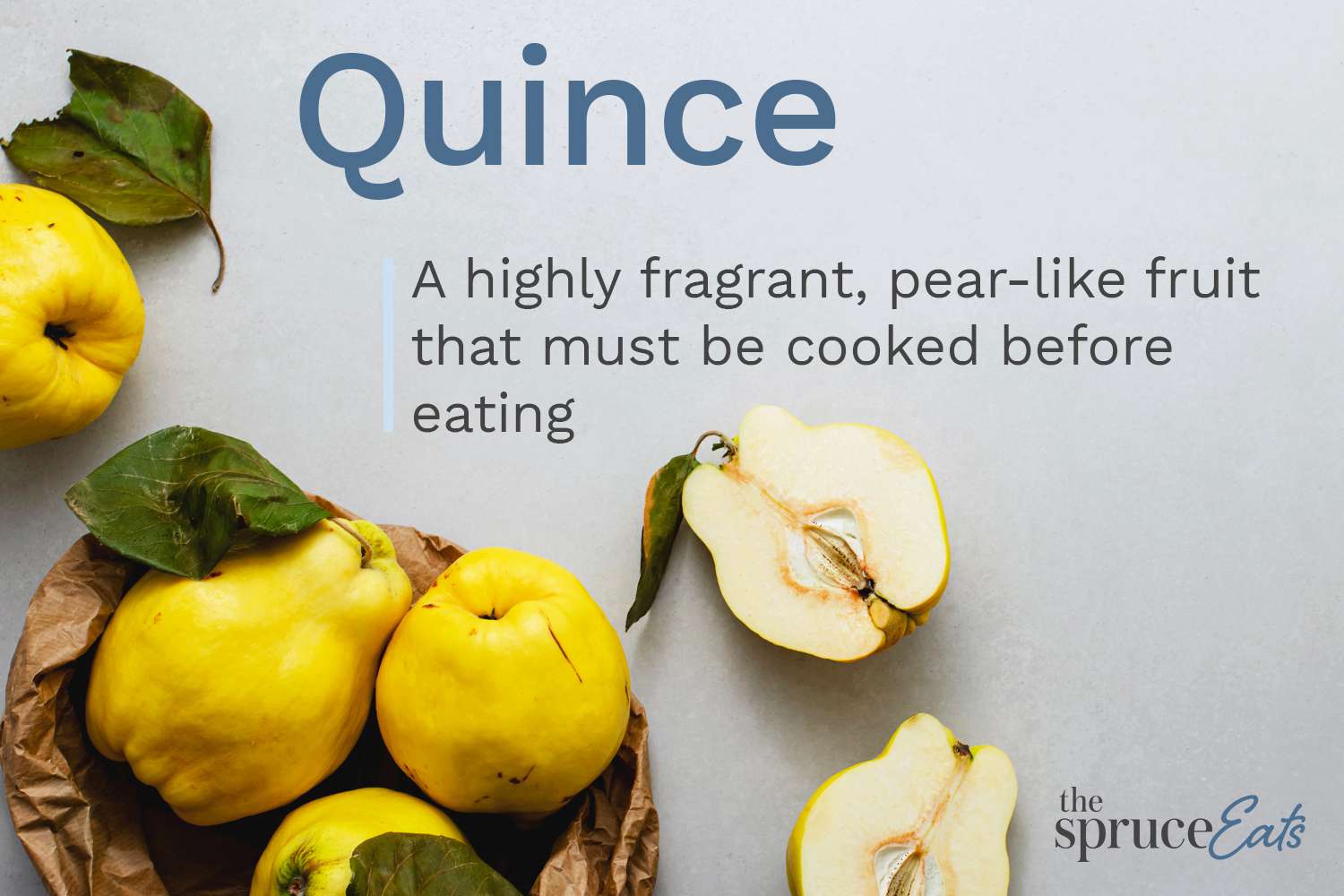
If an apple and a pear went to finishing school, studied perfume-making, developed a dramatic personality, and refused to be eaten raw without a legal waiver, the result would be quince. This golden, aromatic fruit is one of the oldest cultivated fruits in the world, yet many modern shoppers walk right past it at farmers markets because it looks like a lumpy pear having a complicated morning.
So, what is quince? Quince is a firm, yellow pome fruit from the tree Cydonia oblonga, a relative of apples and pears in the rose family. It is famous for its floral fragrance, tart flavor, high natural pectin, and magical transformation when cooked. Raw quince is usually hard, sour, and astringent, but heat turns it soft, fragrant, rosy, and wonderfully useful in jams, jellies, poached desserts, sauces, stews, and savory meat dishes.
In short: quince is not the fruit you casually bite into while walking through the kitchen. It is the fruit you cook slowly, admire deeply, and then wonder why it ever disappeared from everyday American cooking.
What Is Quince, Exactly?
Quince is the fruit of a small deciduous tree or large shrub known botanically as Cydonia oblonga. It belongs to the Rosaceae family, which also includes apples, pears, cherries, peaches, and roses. That family connection explains why quince looks familiar at first glance. Some varieties resemble bumpy pears, while others look more like squat, golden apples.
The fruit is usually yellow when ripe, sometimes with a fuzzy coating that rubs off as it matures. It has a strong, sweet perfume that may remind you of apple, pear, pineapple, guava, citrus, honey, and flowers all competing politely in the same room. The flesh, however, is dense and grainy when raw. Most common varieties are too tough and puckery to eat fresh, which is why quince is usually cooked before serving.
Unlike apples and pears, quince is less about instant snacking and more about culinary transformation. Cooking softens the fruit, mellows its tannins, releases its aroma, and can turn the pale flesh pink, coral, or ruby-red depending on the variety, cooking time, acidity, and sugar level.
Where Does Quince Come From?
Quince has ancient roots. It is native to parts of western Asia and the surrounding regions, with historical ties to Iran, Turkey, the Caucasus, and Mediterranean cultures. Long before supermarket apples became the predictable stars of lunchboxes, quince was prized for its fragrance, preserving power, and symbolic meaning.
In ancient Mediterranean cooking, quince was often associated with love, fertility, and celebration. Some food historians believe that certain old references to “golden apples” may have described quince rather than the crisp dessert apples we know today. Whether or not quince deserves the title of mythology’s original golden fruit, it certainly has the drama for the role.
Quince later spread through Europe and eventually reached North America, where it became common in colonial gardens and home orchards. Early American households valued it because its natural pectin helped jams and jellies set beautifully. As commercial pectin, refrigeration, and mass-market apples and pears became more common, quince quietly slipped into the background. Today, it is often considered a “forgotten fruit,” which sounds sad until you realize forgotten fruits are often the most interesting ones.
What Does Quince Taste Like?
Raw quince tastes tart, dry, and astringent. Imagine a pear that took a lemony detour and then decided to become a mouth-drying cup of strong tea. That is not an insult; it is simply quince being quince. The raw fruit contains tannins that create a puckering sensation, which is why most people do not eat standard quince varieties straight from the tree.
Cooked quince is another story. Once poached, baked, roasted, or simmered, quince becomes fragrant, tender, and sweet-tart. Its flavor is often described as a blend of apple, pear, citrus, pineapple, guava, honey, vanilla, and rose. It has enough acidity to brighten rich dishes and enough perfume to make desserts feel elegant without trying too hard.
Why Does Quince Turn Pink When Cooked?
One of quince’s most charming tricks is its color change. The flesh may start pale yellow or cream, then gradually blush into pink, orange, coral, or deep red during slow cooking. This happens as heat and acidity affect natural compounds in the fruit. Longer cooking usually creates a deeper color, especially in recipes such as quince paste, jelly, and poached quince.
This color change is part science, part kitchen theater. You put hard yellow slices into a pot, wait patiently, and they come out looking like they hired a lighting designer.
Quince vs. Apple vs. Pear: What Is the Difference?
Quince, apples, and pears are all pome fruits, meaning they have a central core surrounded by edible flesh. They are botanical relatives, but they behave differently in the kitchen.
Quince Is Firmer
A ripe quince remains hard. This surprises people who expect softness to signal ripeness. With quince, fragrance and yellow color matter more than softness. A mushy quince is usually overripe or spoiled, not perfectly ready.
Quince Is More Aromatic
A good quince can perfume an entire room. Place one on the counter and you may smell it before you see it. Apples and pears can be fragrant, but quince often wins the “natural air freshener” contest.
Quince Has More Natural Pectin
Quince is naturally rich in pectin, the plant fiber that helps jams, jellies, and preserves thicken. That is why quince has long been a favorite for jelly, marmalade, fruit paste, and preserves.
Quince Usually Needs Cooking
Most apples and pears are delicious raw. Most quinces are not. There are a few softer, less astringent cultivars that can be eaten fresh when fully ripe, but the classic quince experience begins with a knife, a pot, and some patience.
Common Types of Quince
There are several quince cultivars, and availability varies by region. In the United States, shoppers may see varieties such as Pineapple quince, Smyrna quince, Orange quince, Aromatnaya quince, or Van Deman quince. Some are rounder, some are pear-shaped, and some have more tropical aromas.
Pineapple quince is known for its bright fragrance and is one of the better-known varieties in California. Aromatnaya quince is sometimes described as less harsh when fully ripe, though quality depends heavily on growing conditions and harvest timing. Van Deman is an older American cultivar associated with Luther Burbank’s fruit-breeding work.
It is also important not to confuse edible quince, Cydonia oblonga, with flowering quince, which belongs to the genus Chaenomeles. Flowering quince is widely grown as an ornamental shrub for its colorful spring blossoms. Its fruit can sometimes be used in cooking, but it is not the same as the common edible quince sold for culinary use.
Is Quince Healthy?
Quince can be part of a healthy diet, especially when used in simple preparations that do not drown it in sugar. Raw quince is low in fat and provides carbohydrates, fiber, vitamin C, potassium, and small amounts of minerals. A typical raw quince contains modest calories, with most of its energy coming from carbohydrates.
The fruit’s fiber supports digestive regularity, while vitamin C contributes to normal immune function and collagen production. Quince also contains plant compounds such as tannins and phenolics, which are often studied for antioxidant activity. That said, quince should be treated as food, not medicine. A spoonful of quince jam is lovely, but it is not a magical shield against every health problem, no matter how charmingly old-world it tastes.
For the healthiest approach, enjoy quince poached with moderate sugar, roasted with spices, stirred into oatmeal, paired with yogurt, or cooked into savory dishes. Quince paste and jam are delicious but more concentrated in sugar, so they are best enjoyed in small portions.
How to Choose Ripe Quince
Choosing quince is easy once you stop judging it by pear rules. Look for fruit that is firm, heavy for its size, fragrant, and yellow. A green quince may continue to ripen at room temperature, but a bright yellow fruit with a floral aroma is usually a better choice.
Small blemishes are common and not necessarily a problem. Avoid fruit with large bruises, mold, deep soft spots, or a fermented smell. Remember: firm is good; rock-hard and fragrant is normal; soft and squishy is suspicious.
When Is Quince in Season?
In the United States, quince is usually available in fall and early winter. You may find it from early autumn into January, especially at farmers markets, specialty produce shops, Middle Eastern markets, and stores with strong seasonal produce sections.
How to Store Quince
Quince stores well compared with many fruits. Keep unripe quince at room temperature until it turns yellow and aromatic. Once ripe, it can be refrigerated for several weeks. Because quince has such a powerful fragrance, store it away from delicate foods that may absorb aromas.
If you have a bowl of quince on the counter, congratulations: your kitchen may smell like a farmhouse bakery in a fairy tale. Just keep an eye on the fruit and cook it before it develops soft spots.
How to Prepare Quince
Preparing quince takes a little more effort than slicing an apple, but the reward is worth it. The fruit is dense, so use a sharp knife and a stable cutting board. Peel it if your recipe calls for it, although peels can add color and pectin to jellies and syrups. Cut the fruit into wedges, remove the core, and place the pieces in lemon water if you want to slow browning.
The core is tough, and the seeds should not be eaten. Like apple seeds, quince seeds contain compounds that can release cyanide when crushed or consumed in quantity. You do not need to panic over normal kitchen handling; simply remove the core and seeds before serving.
Best Ways to Cook Quince
Quince is extremely versatile once cooked. Its sweet-tart flavor works in both desserts and savory dishes, which is one reason chefs love it.
Poached Quince
Poaching is the classic beginner-friendly method. Simmer peeled quince wedges with water, sugar or honey, lemon juice, and spices such as cinnamon, cloves, cardamom, star anise, or vanilla. Cook gently until the fruit becomes tender and rosy. Serve it with yogurt, ice cream, pound cake, oatmeal, or pancakes.
Quince Jam and Jelly
Because quince is high in pectin, it is excellent for jams and jellies. Quince jelly is especially beautiful because it often sets with a clear ruby glow. It tastes floral, tart, and bright, making it a wonderful partner for toast, biscuits, cheese boards, and roast meats.
Quince Paste
Quince paste, also known as membrillo in Spanish cuisine, is a thick, sliceable fruit preserve often served with cheese. It pairs famously with Manchego, but it also works with sharp cheddar, goat cheese, blue cheese, and creamy brie. It is basically the fruit world’s answer to a well-dressed dinner guest: polished, memorable, and excellent with cheese.
Baked or Roasted Quince
Quince can be baked with butter, honey, brown sugar, citrus, and warm spices. It can also be roasted alongside pork, lamb, chicken, or duck. Its acidity cuts through richness, while its fragrance adds depth to pan sauces and braises.
Quince in Savory Dishes
Do not trap quince in dessert duty forever. Add cooked quince to tagines, stews, grain bowls, stuffing, chutneys, and glazes. It works beautifully with ginger, rosemary, thyme, cinnamon, black pepper, onions, walnuts, and roasted meats.
Why Is Quince Hard to Find?
Quince used to be more common in American gardens, but it faded as home preserving became less central to daily cooking. Apples and pears became easier commercial favorites because they are sweet, snackable, and familiar. Quince, meanwhile, stood in the corner saying, “I require poaching,” which is not always a winning supermarket pitch.
Another reason is limited commercial production. Quince bruises, requires education, and does not have the same mass-market demand as apples. Still, it has been making a quiet comeback among chefs, gardeners, jam makers, and curious home cooks who appreciate old-fashioned fruits with big flavor.
Can You Grow Quince at Home?
Yes, quince can be grown in many temperate regions. The tree is often a small, multi-stemmed shrub or compact fruit tree with attractive spring flowers and yellow fall fruit. It generally prefers full sun, well-drained soil, and a climate with a defined winter period.
Many quince trees are self-fruitful, meaning a single tree can produce fruit, though cross-pollination may improve yield. A mature tree can be productive enough for a household, especially if that household enjoys jelly, preserves, and generous food gifts.
Like apples and pears, quince can face pests and diseases, including fire blight and rust issues in some regions. Gardeners should choose suitable cultivars, provide good air circulation, avoid unnecessary overhead watering, and follow local extension advice for disease management.
Easy Quince Ideas for Beginners
If you are new to quince, start simple. Poach sliced quince with sugar, lemon, and cinnamon until tender. Spoon it over vanilla ice cream. If that does not convince you, try it over Greek yogurt with walnuts and honey. Still unsure? Add poached quince to an apple pie. It brings perfume and brightness without stealing the entire show.
For savory cooking, roast quince wedges with onions and pork tenderloin, or simmer them into a chutney with vinegar, ginger, and raisins. Quince loves spice and acidity, so do not be afraid to season boldly.
Common Questions About Quince
Can you eat quince raw?
Most quince varieties are not pleasant raw because they are hard, sour, and astringent. Some cultivars may be edible fresh when fully ripe, but cooking is the traditional and most reliable method.
Is quince the same as pear?
No. Quince is related to pears and apples, but it is a distinct fruit. It is usually harder, more aromatic, more tart, and much better suited to cooking than raw snacking.
What is quince good for?
Quince is excellent for poaching, baking, roasting, jams, jellies, quince paste, chutneys, sauces, pies, stews, and cheese boards. It is especially valued for its fragrance and natural pectin.
Why is my quince still hard when ripe?
That is normal. A ripe quince should be firm. Use color and aroma as better ripeness clues. Yellow, fragrant quince is usually ready to cook.
Personal Kitchen Experiences With Quince
The first time many people meet quince, the experience is mildly confusing. It looks friendly enough, sitting there like a pear with character. Then you try to cut it and realize this fruit has the structural confidence of a root vegetable. That firmness is often the first lesson: quince does not reward impatience. It asks you to slow down, sharpen the knife, and give it time.
One of the best beginner experiences is poaching quince on a quiet afternoon. At first, nothing dramatic happens. The slices sit in the syrup looking pale and stubborn. Then the kitchen slowly fills with a floral aroma that feels far more luxurious than the ingredient list suggests. Cinnamon, lemon, sugar, and quince begin to smell like autumn wearing a silk scarf. After enough gentle simmering, the fruit softens and turns a warm pink. It feels like a small kitchen magic trick, especially if you have only known apples and pears as quick snacks.
Quince also teaches balance. Eat it undercooked and it may taste too sharp. Add too much sugar and its floral complexity gets buried. Cook it slowly with just enough sweetness and acidity, and it becomes layered: tart at the edges, honeyed in the middle, and fragrant all the way through. That is why quince works so well with simple foods. A spoonful of poached quince over plain yogurt can feel more special than a complicated dessert. A thin slice of quince paste with sharp cheese can make an ordinary snack board look like it has a passport.
Another memorable experience is using quince in apple pie. Apples bring body and sweetness, while quince brings aroma and brightness. You do not need much. A few poached quince slices mixed into the filling can make people ask, “What is that flavor?” in the best possible way. It is familiar but not obvious, cozy but slightly mysterious.
In savory cooking, quince is a quiet powerhouse. Roasted with pork or chicken, it behaves like a cross between fruit, spice, and sauce ingredient. It softens without collapsing completely, and its acidity helps balance rich meat. Add onions, thyme, black pepper, and a little cider or broth, and quince becomes the kind of ingredient that makes a dish taste as if you planned harder than you did.
The main practical lesson is this: quince is not difficult, but it is demanding in a specific way. It wants time. It wants heat. It wants a cook who understands that not every fruit is designed for instant gratification. Once you accept that, quince becomes less intimidating and more exciting. It is the rare fruit that makes you feel connected to older kitchens, slower recipes, and the pleasure of turning something tough and tart into something glowing, tender, and unforgettable.
Conclusion: Why Quince Deserves a Comeback
Quince may not be the easiest fruit in the produce aisle, but that is part of its charm. It is fragrant, ancient, beautiful when cooked, and surprisingly versatile. While raw quince can be hard and astringent, cooked quince becomes tender, floral, sweet-tart, and deeply flavorful. It shines in preserves, poached desserts, pies, sauces, savory stews, roasted meat dishes, and cheese boards.
For anyone asking “What is quince?” the simplest answer is this: quince is a golden fruit related to apples and pears, famous for its aroma, pectin, and dramatic cooking transformation. The better answer is that quince is a reminder that some ingredients reveal their best qualities slowly. Give it heat, sweetness, and patience, and it will reward you with one of fall and winter’s most underrated flavors.
Note: This article synthesizes information from reputable food, botany, agriculture, horticulture, and nutrition references, including Britannica, USDA FoodData Central, UC Agriculture and Natural Resources, Washington State University Extension, Missouri Botanical Garden, Native Plant Trust, Bon Appétit, Food & Wine, and related extension resources.