Sapo: Māori culture is one of the world’s most fascinating living traditions, blending ancient Polynesian roots, powerful storytelling, deep respect for land, and a strong sense of community. From the meaning behind the haka to the sacred art of tā moko, these surprising facts reveal a culture that is not frozen in the past but proudly alive in modern New Zealand.
Introduction: More Than a Postcard Version of New Zealand
When many people think of Māori culture, they picture the haka before an All Blacks rugby match, dramatic facial expressions, rhythmic chanting, and a crowd suddenly becoming very quiet because, frankly, it is impossible to scroll past a haka casually. But Māori culture is much bigger than one famous performance. It is a complete worldview, a living language, a network of family relationships, a relationship with the natural environment, and a source of identity for Aotearoa New Zealand.
The Māori are the Indigenous Polynesian people of New Zealand. Their ancestors traveled across the Pacific by waka, or ocean-going canoes, using expert navigation skills long before GPS had the nerve to interrupt everyone’s road trips. Over centuries, Māori communities developed unique customs, art, oral history, spiritual beliefs, and social structures shaped by the land, sea, mountains, rivers, and stars of Aotearoa.
Today, Māori culture continues to influence New Zealand’s national identity, education, politics, arts, tourism, sports, environmental thinking, and everyday language. Words like kia ora, whānau, mana, and marae are widely recognized, and more people are learning that these terms carry meanings far deeper than quick dictionary translations.
So, whether you are planning a trip, researching Indigenous cultures, writing a school paper, or simply curious about why Māori traditions feel so powerful, here are 10 facts that might surprise you about the Māori culture.
10 Facts That Might Surprise You about the Māori Culture
1. The Haka Is Not Just a “War Dance”
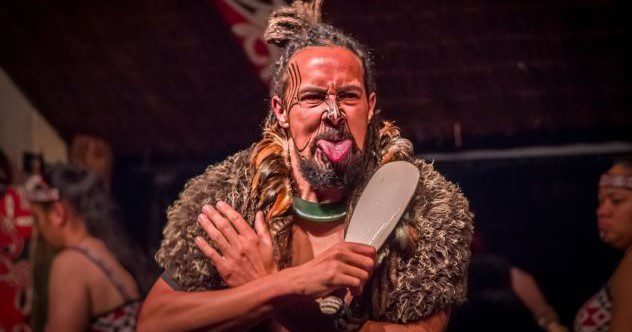
The haka is often described as a traditional war dance, and yes, some haka were performed before battle. But stopping there is like calling a symphony “some people with instruments.” The haka is much more layered than that. It can express pride, grief, unity, welcome, protest, celebration, or respect.
In modern New Zealand, haka may be performed at sports events, weddings, funerals, school ceremonies, graduations, and public gatherings. The famous rugby haka helped introduce it to global audiences, but within Māori communities, haka carries emotional and cultural weight that goes far beyond entertainment. It is a way for people to stand together and say, “This is who we are.”
Every movement matters. The stamping feet, widened eyes, strong voice, and body rhythm are not random theatrics. They communicate energy, identity, and collective intention. In other words, the haka is not just performed; it is embodied.
2. Māori Greetings Can Carry Deep Spiritual Meaning
One of the most recognized Māori customs is the hongi, a greeting in which two people press their noses and sometimes foreheads together. To outsiders, it may look like a gentle cultural hello, but the meaning is much deeper.
The hongi represents the sharing of breath, often described as the breath of life. It symbolizes connection, trust, and the joining of two people in the same moment. Unlike a quick handshake, which can sometimes feel like a business transaction with palms, the hongi is personal and respectful.
It is commonly seen during formal welcomes, especially on a marae, the central meeting place of a Māori community. The gesture reminds people that relationships are not just practical; they are sacred, social, and spiritual.
3. The Marae Is More Than a Building
A marae is often described as a meeting ground, but that simple phrase does not fully capture its role. A marae is the cultural heart of a Māori community. It is where people gather for ceremonies, discussions, celebrations, funerals, learning, decision-making, and storytelling.
The main meeting house, called a wharenui, is often beautifully carved and symbolically connected to an ancestor. Its structure can represent the body of that ancestor: the ridge beam as the spine, rafters as ribs, and the front as the face. Walking into a wharenui can feel like entering a living family history book, except the book has carvings, woven panels, and a much stronger sense of presence.
On a marae, protocols matter. Visitors may be welcomed through a pōwhiri, a formal ceremony that can include speeches, songs, a hongi, and shared food. These customs are not empty tradition. They establish respect, remove tension, and transform strangers into guests.
4. Whakapapa Is More Than Genealogy
Whakapapa is often translated as genealogy, but it means more than a family tree. It is the layering of ancestry, identity, land, history, and relationships. Through whakapapa, a person understands where they come from, who they belong to, and how they are connected to people, places, and the natural world.
For Māori, identity is often linked to iwi and hapū, commonly understood as tribe and sub-tribe. People may introduce themselves by naming their mountain, river, canoe, iwi, hapū, marae, and ancestors. To someone used to saying, “Hi, I’m Mike from accounting,” this may seem wonderfully elaborate. But it reflects a worldview in which a person is never just an isolated individual.
Whakapapa also connects humans to the environment. Mountains, rivers, forests, and seas are not merely scenic backgrounds for postcards. They are part of identity, memory, and responsibility.
5. Tā Moko Is Not the Same as a Regular Tattoo
Tā moko, traditional Māori tattooing, is one of the most visually striking elements of Māori culture. But it should not be confused with ordinary decorative tattooing. Moko carries identity, ancestry, status, personal history, and cultural meaning.
Traditional moko designs are deeply personal. They can reflect a wearer’s whakapapa, achievements, responsibilities, and place within the community. Historically, moko could be created through methods that carved grooves into the skin, giving it a distinctive texture. Today, modern tools are often used, but the cultural meaning remains powerful.
One form, moko kauae, is worn by Māori women on the chin and has seen a strong cultural resurgence. For many wearers, it is not about fashion. It is about identity, pride, continuity, and reclaiming traditions that were once suppressed.
6. Māori Culture Has a Strong Environmental Philosophy
Long before sustainability became a trendy word printed on reusable coffee cups, Māori culture had concepts that emphasized guardianship of the natural world. One of the most important is kaitiakitanga, often translated as guardianship or stewardship.
Kaitiakitanga is the idea that people have a responsibility to care for the environment, not simply use it. Land, rivers, forests, and oceans are not viewed as unlimited resources waiting for someone with a clipboard and a profit forecast. They are living systems connected to ancestors, descendants, and community wellbeing.
This worldview has influenced modern environmental discussions in New Zealand, including debates about river health, land use, conservation, and legal recognition of natural features. In some cases, rivers and landscapes have been recognized as having legal personhood or special status, reflecting Indigenous perspectives on the relationship between people and place.
7. Mana Is a Big Deal, and It Is Not Easy to Translate
Mana is one of those words that refuses to squeeze politely into English. It can mean prestige, authority, spiritual power, dignity, influence, honor, and personal or collective strength. But even that list feels like trying to describe a thunderstorm by saying, “It is somewhat wet.”
Mana can belong to a person, a family, a tribe, a leader, a place, or even an action. It can be inherited, earned, protected, increased, or damaged. A leader’s mana, for example, depends not only on status but also on generosity, wisdom, courage, and the ability to care for others.
Closely related is manaakitanga, the practice of hospitality, kindness, respect, and care for guests. In Māori culture, how you treat people matters. Feeding guests, welcoming visitors, and showing respect are not just good manners; they uphold the mana of everyone involved.
8. Māori Language Is Experiencing a Revival
Te reo Māori, the Māori language, is an official language of New Zealand and a central part of cultural identity. Like many Indigenous languages, it suffered under colonization and policies that discouraged or punished its use. For decades, many Māori children were pushed toward English at the expense of their ancestral language.
Today, te reo Māori is experiencing a meaningful revival. It is taught in schools, used in media, spoken in homes, included in government communication, and celebrated during Māori Language Week. Māori words are increasingly heard in everyday New Zealand English, from kia ora for hello to kai for food and whānau for family.
Language revitalization is not just about vocabulary. It is about restoring ways of thinking, remembering, joking, praying, singing, and seeing the world. When a language returns to public life, a whole cultural library comes with it.
9. Matariki Marks the Māori New Year
Matariki refers to a star cluster known internationally as the Pleiades, and its rising in the winter sky marks the Māori New Year for many iwi. Matariki is a time for remembrance, gratitude, food, family, storytelling, reflection, and looking ahead.
Different iwi have their own traditions and names connected to the season, but the general themes are beautifully human: honor those who have passed, celebrate the present, and prepare for the future. It is less about glittery countdown glasses and more about community, memory, and renewal.
In recent years, Matariki has gained national recognition in New Zealand, becoming a public holiday. Its wider celebration has helped more people understand Māori astronomy, seasonal knowledge, and the importance of Indigenous calendars.
10. Māori Culture Is Modern, Not Museum-Locked
One of the biggest misconceptions about Indigenous cultures is that they belong only to the past. Māori culture strongly proves otherwise. It is active in politics, education, film, music, fashion, sports, environmental activism, digital media, and contemporary art.
Māori creators are telling stories through cinema, television, literature, sculpture, hip-hop, design, and performance. Māori leaders continue to shape national conversations about language rights, land, health, education, justice, and the meaning of the Treaty of Waitangi, known in te reo Māori as Te Tiriti o Waitangi.
Tradition and modern life are not enemies here. A person can wear tā moko, use a smartphone, speak te reo, study law, perform kapa haka, run a business, and advocate for river protection all in the same life. Culture is not a costume kept in storage. It is a living system that adapts, remembers, and keeps moving.
Why Māori Culture Continues to Fascinate the World
Māori culture stands out because it combines beauty with meaning. The carvings are not just decorative. The songs are not just pleasant. The greetings are not just polite. The tattoos are not just body art. Nearly every practice carries a story, a relationship, or a responsibility.
That is one reason travelers often find Māori cultural experiences so memorable. A visit to a marae, a guided walk through ancestral lands, a kapa haka performance, or a conversation with a local guide can reveal layers of history that a regular sightseeing checklist might miss. Mountains become ancestors. Rivers become relatives. Food becomes hospitality. Language becomes a bridge between past and present.
Another reason Māori culture resonates globally is its emphasis on connection. In a world where many people feel separated from community, nature, and history, Māori values such as whānau, manaakitanga, whakapapa, and kaitiakitanga offer a different way of thinking. They remind us that identity is relational. We are shaped by the people who came before us, the places that hold us, and the responsibilities we accept.
Experiences Related to Māori Culture: What Visitors and Learners Often Remember Most
Learning about Māori culture through facts is valuable, but experiencing it respectfully can make those facts come alive. Many visitors to New Zealand say their most memorable moments are not only the dramatic landscapes, although the country does seem to have been designed by someone with a serious flair for mountains. The deeper memories often come from cultural encounters that feel personal, welcoming, and meaningful.
One powerful experience is attending a pōwhiri, the formal welcome ceremony on a marae. For first-time visitors, the ceremony can feel both unfamiliar and deeply moving. There may be a call of welcome, speeches, songs, and the hongi. What surprises many people is how carefully the process transforms the relationship between hosts and guests. You do not simply walk in, snap a few photos, and leave with a souvenir magnet. You are invited into a space with protocol, memory, and respect.
Food is another unforgettable part of Māori cultural experience. A traditional hāngī, where food is cooked using heated stones in an earth oven, is more than a meal. It is a social event. Meat, vegetables, and sometimes stuffing or pudding are slowly cooked underground, creating smoky, tender flavors that make ordinary oven dinners seem like they forgot to attend flavor school. But the real point is not just the food. It is the sharing of food, the gathering of people, and the hospitality behind it.
Visitors may also experience kapa haka, a performing art that includes singing, chanting, movement, facial expression, and group coordination. A good kapa haka performance can be thrilling because it combines discipline with emotion. The performers are not simply reciting old material; they are carrying stories forward. Even without understanding every word, audiences often feel the force of the performance through rhythm, voice, and presence.
For travelers interested in nature, Māori-guided tours can change how a landscape is understood. A forest walk becomes a lesson in native plants, ancestral stories, medicinal knowledge, conservation, and spiritual connection. A river is not just water flowing attractively past rocks. It may have its own genealogy, significance, and role in community identity. This can be a refreshing shift for visitors used to treating nature as scenery rather than relationship.
Language experiences can be equally meaningful. Learning a few words of te reo Māori, such as kia ora, mōrena, whānau, and kai, may seem small, but it shows respect. Pronouncing place names correctly is especially important. Many New Zealand place names carry stories and meanings, and saying them with care is a simple way to honor the culture connected to them. Nobody expects visitors to become fluent overnight. Even the most enthusiastic traveler should probably not attempt an entire formal speech after one language app lesson and a coffee. But effort matters.
Museums and cultural centers also offer valuable experiences, especially when they collaborate with Māori communities and present taonga, or treasured objects, with proper context. Carvings, woven cloaks, tools, waka, and artworks are not just “old things behind glass.” They are connected to people, ancestors, places, and continuing traditions. The best exhibitions help visitors understand that Māori history is not a closed chapter. It continues today through language revitalization, art, activism, education, and community leadership.
Another experience that often stays with people is hearing personal stories from Māori guides, artists, elders, or educators. These stories can explain how culture is practiced in daily life: how a family stays connected to its marae, why a person chooses to receive moko, how songs preserve memory, or why environmental protection is tied to identity. Personal storytelling adds warmth and specificity. It turns “Māori culture” from a broad phrase into real lives, real families, and real responsibilities.
The most respectful way to experience Māori culture is to approach it with humility. Ask before taking photos, especially during ceremonies. Listen more than you speak. Follow local guidance. Avoid treating sacred practices as props. Remember that culture is not a performance created for tourists; it is a living inheritance shared generously when respect is present.
Ultimately, the best Māori cultural experiences leave visitors with more than fun memories. They encourage reflection. They ask us to think about ancestry, hospitality, language, land, and what it means to belong somewhere. That is why Māori culture continues to surprise people. It is beautiful, yes, but it is also wise, resilient, and deeply human.
Conclusion: A Living Culture with Ancient Roots and Modern Power
The Māori culture is full of surprises because it refuses to fit into a simple box. It is ancient and modern, ceremonial and practical, artistic and political, local and globally recognized. From the haka to the hongi, from tā moko to Matariki, from whakapapa to kaitiakitanga, Māori traditions reveal a worldview built on connection: to ancestors, land, language, community, and future generations.
For readers, travelers, and lifelong learners, the most important lesson is respect. Māori culture is not a checklist of exotic customs. It is a living culture shaped by real people, real history, and ongoing cultural revival. The more you learn, the more you realize that every word, symbol, gesture, and gathering has depth. And that is exactly what makes Māori culture so unforgettable.
Note: This article is written for web publication and is based on synthesized information from reputable cultural, educational, museum, encyclopedia, and official tourism resources. It contains no source links in the body to keep the article clean and reader-friendly.