A professional dental cleaning is one of those appointments that sounds simple until you’re reclining in the chair, wearing a paper bib, wondering why the ceiling has suddenly become the most fascinating thing you’ve ever seen. The good news? A routine teeth cleaning is usually straightforward, preventive, and far less dramatic than your imagination may suggest. No tiny construction crew is renovating your mouth. No one is judging that one week you “forgot” floss existed. The dental team is simply helping remove plaque and tartar, check your gums, polish your teeth, and catch small oral health problems before they become expensive little villains.
Professional dental cleaning, also called dental prophylaxis, is a preventive service performed by a dentist or dental hygienist. It focuses on removing bacteria-filled plaque, hardened tartar, and surface stains from your teeth. It may also include gum measurements, dental X-rays when needed, fluoride treatment, an oral cancer screening, and personalized advice for better home care. In plain English: it is a maintenance visit for your mouth, and your mouth works hard. It chews, talks, smiles, sips coffee, survives popcorn kernels, and occasionally helps you open a snack bag even though your dentist would prefer you did not.
This guide explains what happens during your professional dental cleaning from start to finish, why each step matters, what you may feel, and how to get the most benefit from your visit.
Why Professional Dental Cleanings Matter
Even excellent brushing and flossing cannot always remove every bit of plaque from tight spaces, gumline edges, crowded teeth, or hard-to-reach molars. Plaque is a sticky film of bacteria that constantly forms on teeth. When plaque is not removed, it can harden into tartar, also known as calculus. Once tartar forms, it clings to the tooth surface like a stubborn houseguest and cannot be removed with a toothbrush at home.
That is where professional dental cleaning comes in. Dental hygienists use specialized instruments to remove plaque and tartar from the teeth and along the gumline. Removing these deposits helps reduce the risk of cavities, gingivitis, periodontal disease, bad breath, and tooth loss. A cleaning also gives your dental team a chance to detect problems early, when treatment is usually easier, less invasive, and less likely to make your wallet clutch its pearls.
Step 1: Check-In and Health History Review
Your visit usually begins before anyone touches a scaler. The dental office may ask you to update your medical history, medication list, allergies, recent surgeries, pregnancy status, and any changes in your overall health. This is not just paperwork theater. Many health conditions and medications can affect your oral health.
For example, diabetes may increase the risk of gum disease. Some medications can cause dry mouth, which raises the risk of cavities because saliva helps protect teeth. Blood thinners may affect bleeding during cleaning. A history of certain heart conditions may require special precautions, although antibiotic recommendations are now limited to specific higher-risk situations. If you are unsure whether something matters, mention it. Dentists would rather hear too much than discover halfway through polishing that there was an important detail hiding in the bushes.
Step 2: Initial Mouth Exam
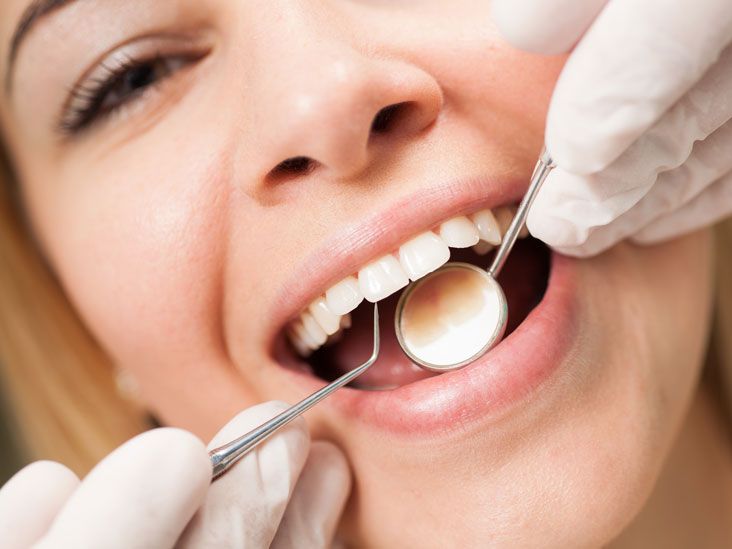
Before the cleaning begins, the dental hygienist usually performs an initial exam. Using a small mirror and bright light, they check your teeth, gums, tongue, cheeks, and existing dental work such as fillings, crowns, bridges, implants, or veneers. They look for signs of inflammation, plaque buildup, tartar, cavities, cracked teeth, gum recession, mouth sores, bite problems, or anything unusual.
This quick visual inspection helps the hygienist understand what your mouth needs that day. If there is heavy tartar, sensitive areas, swollen gums, or a tooth that looks suspicious, they can adjust the cleaning approach and alert the dentist.
What the Hygienist Is Looking For
During this early exam, your dental hygienist may note bleeding gums, redness, swelling, areas where plaque collects, exposed roots, worn enamel, signs of grinding, or staining from coffee, tea, tobacco, or certain foods. They may also ask whether you have pain, sensitivity, bleeding when brushing, jaw clicking, or changes in your bite.
Step 3: Dental X-Rays, If Needed
Not every professional dental cleaning includes X-rays. Dental X-rays are typically taken based on your age, dental history, risk of cavities, symptoms, time since your last images, and what the dentist needs to evaluate. They help detect problems that are not always visible during a regular exam, such as cavities between teeth, bone loss, impacted teeth, infections, abscesses, and issues beneath existing dental work.
Common X-rays include bitewing images, which help detect cavities between back teeth and monitor bone levels, and periapical images, which show the full tooth from crown to root. Some offices also use panoramic X-rays for a broad view of the jaw, wisdom teeth, sinuses, and overall tooth position.
Modern dental X-rays use low levels of radiation, and dental professionals follow safety guidelines to limit exposure. If you are pregnant, trying to become pregnant, or concerned about radiation, tell your dental team. They can explain whether X-rays are necessary and what precautions apply.
Step 4: Gum Measurements and Periodontal Screening
One of the most important parts of a professional dental cleaning is checking your gums. The hygienist may use a small measuring instrument called a periodontal probe to measure the spaces between your teeth and gums. These spaces are called pockets.
Healthy gums usually fit snugly around the teeth. Deeper pockets may suggest gum inflammation, gingivitis, or periodontitis. If your hygienist quietly calls out numbers while measuring, do not panic. They are not rating your personality. They are recording pocket depths, bleeding points, recession, and gum health. Numbers around 1 to 3 millimeters are generally considered easier to maintain. Deeper measurements may require closer monitoring or periodontal treatment.
Why Bleeding Gums Matter
Many people think bleeding gums are normal. They are common, but common does not mean ideal. Bleeding during brushing, flossing, or probing often signals inflammation caused by plaque and tartar. The good news is that early gum inflammation, known as gingivitis, can often improve with professional cleaning and consistent home care. If gum disease has progressed to periodontitis, treatment may require deeper cleaning and ongoing maintenance.
Step 5: Scaling to Remove Plaque and Tartar
Scaling is the part of the dental cleaning most people recognize. It involves removing plaque and tartar from the tooth surfaces, especially around the gumline and between teeth. Your hygienist may use hand instruments, ultrasonic tools, or a combination of both.
Hand scalers are small metal instruments designed to gently scrape away deposits. Ultrasonic scalers use vibration and a stream of water to break up tartar and flush debris from around the teeth. The ultrasonic tool may make a humming or high-pitched sound, which can feel strange at first. Think of it as a tiny pressure washer for your smile, minus the driveway and dramatic weekend project.
Scaling should not be intensely painful during a routine cleaning. However, you may feel pressure, vibration, scraping, or mild tenderness if you have sensitive teeth, exposed roots, inflamed gums, or heavy tartar buildup. Tell your hygienist if something hurts. They can adjust technique, use topical numbing gel, switch instruments, or give you short breaks.
Why Tartar Removal Is So Important
Tartar is hardened plaque that traps bacteria and irritates the gums. It can form above or below the gumline. When it stays in place, it can contribute to bad breath, gum inflammation, gum recession, bone loss, and periodontal disease. Removing tartar regularly helps keep the gumline healthier and makes home brushing and flossing more effective.
Step 6: Polishing the Teeth
After scaling, your teeth may be polished with a gritty paste and a soft rotating rubber cup or brush. This step removes surface stains and smooths the tooth surface. The paste often tastes like mint, bubblegum, cherry, or a flavor that seems designed by someone who once heard of fruit but never met it personally.
Polishing can make your teeth feel smooth and fresh. It is not the same as professional whitening, but it can reduce superficial stains from coffee, tea, red wine, tobacco, and everyday foods. Some offices use air polishing, which sprays a fine powder mixed with water and air to remove stains efficiently. The method used depends on your needs, dental restorations, sensitivity, and the office’s technology.
Step 7: Professional Flossing
Yes, even if you floss at home, the hygienist will usually floss your teeth during the cleaning. Professional flossing removes loosened plaque, polishing paste, and debris from between teeth. It also helps the hygienist check where your gums bleed, where contacts are tight, and where you may need a better home-care strategy.
This step can be humbling if you have been treating floss like a decorative bathroom accessory. But there is no need for shame. Dental professionals have seen everything. Their job is to help, not deliver a courtroom closing argument about your molars.
Step 8: Rinsing and Suction
Throughout the cleaning, you will rinse or the hygienist will use water and suction to clear your mouth. The suction tube removes saliva, water, paste, and loosened debris. Some patients find suction slightly awkward, but it keeps the area clean and helps the hygienist work efficiently.
If you have a strong gag reflex, anxiety, jaw fatigue, or trouble keeping your mouth open, say so. The dental team can pause, adjust chair position, use smaller instruments, or let you rest your jaw. A professional dental cleaning is a collaboration, not a silent endurance sport.
Step 9: Fluoride Treatment, When Recommended
Some dental cleanings include a fluoride treatment, especially for patients at higher risk of cavities. Fluoride helps strengthen enamel and supports remineralization, which is the process of repairing early mineral loss before it becomes a cavity. Professional fluoride may come as varnish, gel, foam, or rinse.
Fluoride varnish is commonly painted onto the teeth and sets quickly. It may feel slightly sticky for a short time. Your dental team may advise you to avoid eating hard foods, drinking hot beverages, or brushing for a few hours, depending on the product used. Not everyone needs fluoride at every visit, but it can be especially helpful for children, teens, people with dry mouth, patients with a history of cavities, orthodontic patients, and adults with exposed root surfaces.
Step 10: Dentist Exam and Oral Cancer Screening
After the hygienist completes the cleaning, the dentist often comes in for a final exam. The dentist reviews your X-rays if they were taken, checks your teeth and gums, evaluates existing dental work, looks for cavities or cracks, and discusses any concerns found during the cleaning.
The dentist may also perform an oral cancer screening by checking your lips, tongue, cheeks, throat area, floor of the mouth, palate, and neck. They look for sores that do not heal, unusual patches, lumps, swelling, or changes in tissue. This screening is quick but important, especially for people who use tobacco, drink alcohol heavily, have a history of HPV-related concerns, or notice persistent mouth changes.
Routine Cleaning vs. Deep Cleaning: What Is the Difference?
A routine professional dental cleaning is preventive and typically focuses on plaque and tartar above the gumline and slightly below it in generally healthy mouths. A deep cleaning, known as scaling and root planing, is different. It is a periodontal treatment used when gum disease has created deeper pockets where bacteria and tartar collect below the gumline.
Scaling and root planing may require local anesthesia, multiple visits, and follow-up periodontal maintenance. During root planing, the dental professional smooths root surfaces to help gums heal and reduce bacterial buildup. If your dentist recommends a deep cleaning instead of a routine cleaning, it usually means gum disease needs more targeted care. It is not a punishment. It is treatment designed to stop bigger problems from moving in, unpacking boxes, and taking over the neighborhood.
Does a Professional Dental Cleaning Hurt?
For most people, a routine dental cleaning is not painful. You may feel pressure, vibration, cool water, scraping, or mild gum tenderness. If your gums are inflamed, you have sensitive teeth, or it has been a long time since your last cleaning, the visit may be more uncomfortable. Fortunately, there are ways to make it easier.
Tell your hygienist about sensitive areas before the cleaning begins. Ask for breaks if your jaw gets tired. Use a hand signal if you need to pause. If needed, your dental team may offer desensitizing products, topical anesthetic, local anesthesia, or a gentler approach. Dental anxiety is also common, and many offices are used to helping nervous patients feel more comfortable.
How Long Does a Dental Cleaning Take?
A routine professional dental cleaning usually takes about 30 to 60 minutes, depending on your oral health, tartar buildup, whether X-rays are needed, and whether the dentist performs a full exam during the same appointment. If you have significant buildup, gum disease, several concerns to discuss, or need a deep cleaning, the visit may take longer or be divided into multiple appointments.
How Often Should You Get a Professional Dental Cleaning?
Many people benefit from dental cleanings every six months, but the ideal schedule is not one-size-fits-all. Some patients with excellent oral health may be advised to come once a year, while others need cleanings every three or four months. People with periodontal disease, diabetes, dry mouth, frequent cavities, braces, dental implants, smoking history, or heavy tartar buildup may need more frequent visits.
The best cleaning schedule is the one your dentist recommends based on your actual mouth, not a calendar rule your cousin heard in 2008. Your risk level can change over time, so your recommended interval may change too.
What to Do Before Your Dental Cleaning
You do not need an elaborate pre-cleaning ritual. Brush and floss as usual, bring your insurance information if needed, update your medication list, and write down questions before you arrive. If you have dental anxiety, let the office know when scheduling or checking in. If you have a medical condition that may affect dental care, mention it early.
Avoid whitening strips right before a cleaning if your teeth are sensitive. Do not skip the appointment because your gums bleed or you are embarrassed about tartar. Those are exactly the reasons the visit matters. Dental professionals are not there to roast you. They are there to help your mouth behave itself.
What to Expect After Your Cleaning
After a professional dental cleaning, your teeth may feel smoother, your breath may feel fresher, and your gums may feel slightly tender if there was inflammation or heavy buildup. Mild bleeding can happen, especially if your gums were irritated. This usually improves with consistent brushing, flossing, and follow-up care.
If you received fluoride varnish, follow the office instructions about eating, drinking, and brushing. If your dentist found cavities, gum disease, cracks, failing fillings, or other concerns, the office may schedule treatment. If everything looks good, you can leave with that rare adult achievement: a health appointment that ends with someone saying, “Looks great.”
Home Care Tips After a Professional Dental Cleaning
The cleaning resets your mouth, but daily habits keep the results going. Brush twice a day with fluoride toothpaste for two minutes. Clean between your teeth daily with floss, interdental brushes, soft picks, or a water flosser if recommended. Limit frequent sugary snacks and acidic drinks. Drink water, especially if you have dry mouth. Replace your toothbrush or electric brush head every three to four months, or sooner if the bristles look like they have survived a windstorm.
If your hygienist gives you specific advice, follow it. They may recommend a different brushing angle, a special flossing method, a prescription toothpaste, fluoride rinse, night guard, periodontal maintenance schedule, or tools for cleaning around bridges, implants, braces, or retainers.
Common Questions About Professional Dental Cleaning
Can dental cleaning whiten my teeth?
A cleaning can remove surface stains and make teeth look brighter, but it does not change the natural color of enamel like bleaching treatments can. If you want a noticeably whiter smile, ask your dentist about safe whitening options.
Why do my teeth feel sensitive after cleaning?
Sensitivity can happen when tartar is removed from areas near the gumline, especially if roots are exposed or gums are inflamed. It often improves within a few days. Use a sensitivity toothpaste if recommended and contact your dentist if discomfort persists.
Is bleeding normal during a cleaning?
Bleeding is common when gums are inflamed, but healthy gums usually do not bleed much. Regular cleaning plus daily plaque removal at home can help reduce bleeding over time.
Can I eat after a dental cleaning?
Usually, yes. If you had fluoride varnish or another treatment, your dental team may ask you to wait or avoid certain foods temporarily. Follow their instructions for the best result.
Special Situations: Braces, Implants, Pregnancy, and Health Conditions
Some people need extra attention during professional dental cleaning. Patients with braces often collect plaque around brackets and wires, so cleanings may include special tools and more home-care coaching. Dental implants require careful cleaning around the gumline and implant crown because the surrounding tissue can become inflamed. Pregnant patients may experience swollen or bleeding gums due to hormonal changes, making preventive dental care especially important.
People with diabetes, dry mouth, autoimmune conditions, cancer treatment history, tobacco use, or a history of periodontal disease should be especially consistent with dental visits. Oral health and overall health are closely connected. Your mouth is not a separate apartment from the rest of your body; it is more like the front lobby.
of Real-Life Experience: What a Dental Cleaning Feels Like From the Chair
Imagine walking into the dental office with the confidence of a person who definitely flossed yesterday because they knew this appointment was coming. The receptionist greets you, you confirm your information, and within a few minutes you are invited back. The chair lowers, the light turns on, and suddenly you understand why every dental patient becomes deeply interested in ceiling tiles.
The hygienist starts by asking if anything has changed: new medications, tooth pain, sensitivity, bleeding gums, or concerns. This is your moment to mention the cold sensitivity on the upper left side or the fact that popcorn attacked you last month and you are still emotionally recovering. Then comes the small mirror exam. It is quiet, careful, and usually painless. The hygienist may call out notes to an assistant or type observations into the computer.
If X-rays are due, you may bite down on a sensor for a few seconds while images are taken. The sensor can feel awkward, especially in a small mouth, but it is quick. After that, gum measurements may begin. You hear numbers: “Two, three, three, four…” It sounds like bingo for dentists, but it is actually a gum health map. If your gums bleed a little, the hygienist may gently explain that inflammation is present and recommend better cleaning between teeth.
Then scaling begins. This is the part with the scraping or ultrasonic vibration. It may sound intense, but most of the time it feels like pressure and tickling mixed with a little weirdness. The ultrasonic scaler sprays water, and the suction keeps you from feeling like a decorative fountain. If there is tartar behind your lower front teeth, which is very common, the hygienist may spend extra time there. That area collects buildup because saliva glands are nearby. So if you thought your lower front teeth were uniquely dramatic, relax. They are just popular real estate for tartar.
Once the tartar is removed, polishing feels like a tiny electric toothbrush having a spa day. The gritty paste smooths the teeth, and you may taste mint, cinnamon, berry, or something that claims to be cookie dough but clearly has never met a bakery. After polishing, the hygienist flosses between your teeth. This may reveal tight contacts, rough fillings, or spots you miss at home.
By the end, your teeth feel unusually smooth. You run your tongue over them like you have discovered a new luxury surface. The dentist comes in, checks everything, reviews X-rays, and explains whether you need treatment or can continue routine care. If all is well, you leave with a fresh mouth, a new toothbrush, and the sincere belief that this time you really will floss every day. And maybe you will. Your gums are rooting for you.
Conclusion: A Cleaner Smile Is a Healthier Starting Point
A professional dental cleaning is more than a polish-and-go appointment. It is a preventive health visit that removes plaque and tartar, checks gum health, screens for oral problems, freshens your smile, and helps you improve your daily routine. The steps may include a health review, oral exam, X-rays when needed, gum measurements, scaling, polishing, flossing, fluoride treatment, and a dentist’s final evaluation.
The best part is that regular dental cleanings can help small problems stay small. Cavities, gum inflammation, tartar buildup, and oral health changes are much easier to manage when caught early. So if it has been a while since your last cleaning, consider this your friendly nudge. Your teeth have been working overtime, and they deserve a professional tune-up.
Note: This article is for general educational purposes and should not replace personalized advice from a licensed dentist or dental hygienist. Always follow your dental professional’s recommendations for your specific oral health needs.