Deep frying at home has a dramatic reputation. People picture bubbling oil, heroic levels of cleanup, and one suspiciously crispy eyebrow. In reality, home frying is much less chaotic when you choose the right setup, control the temperature, and respect one very important rule: hot oil is not the place for improvisational comedy. Done well, deep frying delivers the kind of crackly, golden texture that ovens, toaster ovens, and good intentions simply cannot fake.
This guide breaks down three practical ways to deep fry at home: using a heavy pot or Dutch oven, using a wok or high-sided skillet, and using a countertop electric fryer. Each method can produce excellent results, but each shines in different kitchens and for different cooks. If you want crisp chicken, airy doughnuts, crunchy shrimp, or fries that actually taste like fries instead of baked potato sticks wearing a disguise, this is the deep-frying roadmap worth keeping.
Why Deep Frying Works So Well
Deep frying works because hot oil cooks the surface of food quickly while moisture inside turns to steam. That steam pushes outward, which helps keep excess oil from soaking deep into the food when the temperature is right. In plain English: properly fried food is crisp on the outside, tender inside, and a lot less greasy than badly fried food.
The sweet spot for most home deep frying is usually around 350°F to 375°F. Below that range, coatings tend to absorb more oil and go limp. Above it, the outside can brown before the inside is ready. That is why serious home cooks love thermometers almost as much as they love hearing a fresh batch hit the oil with that satisfying little hiss.
Way #1: Deep Fry in a Dutch Oven or Heavy Pot
Why this is the best all-around option
If you only deep fry a few times a year, a heavy pot is usually the smartest choice. A Dutch oven, stockpot, or deep, heavy-bottomed saucepan holds heat well, feels stable on the burner, and does not require you to buy another appliance that will eventually live behind the waffle maker and in front of your regret.
This method is ideal for fried chicken, fish, onion rings, churros, doughnuts, and small-batch fries. The heavy walls help the oil recover after food is added, which matters because temperature drops are one of the biggest reasons fried food turns out pale or greasy.
How to do it well
Choose a neutral, high-heat oil with a clean flavor. Canola, peanut, corn, sunflower, safflower, and standard vegetable oil are all common choices. Attach a deep-fry thermometer to the side of the pot, heat the oil gradually, and give yourself headroom above the oil line so bubbling never gets near the rim. A spider, slotted spoon, or sturdy tongs will make your life easier and your fingers happier.
The beauty of the Dutch oven method is control. You can raise the heat, lower the heat, and adjust quickly when the oil drifts. It also works in almost any kitchen because the equipment is simple. You probably already own the key piece.
Best use cases
This method is best for cooks who want flexibility. A heavy pot can handle battered foods, breaded foods, and naked foods like fries or wings. It is especially good when you want to fry different items in the same session without committing to a dedicated fryer full of oil. It is also excellent for cooks who care about texture and do not mind standing nearby and paying attention. Deep frying is not difficult, but it does reward presence. In other words, this is not the moment to answer twelve texts and reorganize your spice drawer.
What to watch out for
The stovetop method does require vigilance. Keep pot handles turned inward, keep a lid nearby, keep kids and pets out of the splash zone, and never leave hot oil unattended. Food should be dry before it goes in, because water and hot oil get along about as well as socks and puddles. If you crowd the pot, the oil temperature drops fast, and the food steams instead of fries. Small batches are not a sign of weakness. They are a sign that you enjoy good results.
Way #2: Deep Fry in a Wok or High-Sided Skillet
Why this method surprises people
A wok is an underrated home-frying tool. It uses less oil than a big stockpot, heats quickly, and gives you a lot of room to move food around. Serious Eats has long pointed out that the wok’s shape makes it especially efficient for frying at home, because you can achieve useful depth with less oil and more maneuverability.
If you do not own a wok, a deep cast-iron skillet or high-sided sauté pan can play a similar role for smaller foods. This setup is especially handy for tempura-style vegetables, shrimp, small cutlets, and bite-size pieces of chicken. It is also a nice option when you want restaurant-style crispness without using a gallon of oil.
Where it excels
The wok method is fast and efficient. Oil heats quicker, and the sloped sides can make lowering and retrieving food feel easier. This is a great choice for cooks who like responsive equipment and want to fry in smaller or medium batches. It also works well when you are frying foods that benefit from quick movement, like delicate battered vegetables or seafood.
The trade-off
The same responsiveness that makes a wok great also makes it less forgiving. Oil temperature can rise fast, and that means you need to stay alert. A wok is not the setup for distracted frying. Keep a thermometer in play, keep a lid nearby, and resist the urge to overcrowd the pan. Because the metal is responsive, adding too much food at once can yank the temperature down and then back up again in a hurry.
Still, in a smaller kitchen, a wok can feel like the clever cook’s shortcut. Less oil, less waiting, and less mess than many people expect. Think of it as the sports car of deep frying at home: quick, nimble, fun, and absolutely not something you should handle carelessly.
Way #3: Use a Countertop Electric Deep Fryer
Why some home cooks swear by it
If you fry regularly, a countertop electric fryer may be the easiest and most consistent option. Its main advantage is temperature control. Many models are designed to hold a set temperature more steadily than a stovetop pot, which helps produce evenly browned food with less guesswork. That matters most when you are frying multiple batches or foods that are sensitive to temperature swings.
This method is ideal for frequent frying sessions, family-size batches, and anyone who prefers a more contained setup. Some fryers include baskets, filters, lids, and built-in controls that make the overall process feel less like a cooking project and more like a system.
When it makes sense
Choose this route if fried food is more than a once-in-a-blue-moon event in your house. It is especially useful for fries, wings, breaded cutlets, fried shrimp, and party foods where repeat batches matter. If you have ever made one perfect batch in a pot and then watched the next three slide downhill into mediocrity, an electric fryer starts to look less like a luxury and more like emotional insurance.
What to keep in mind
An electric fryer is convenient, but it is not a hall pass for bad habits. You still need to dry food well, avoid overfilling, fry in batches, and cool and filter oil properly if you plan to reuse it. You also need the counter space and the willingness to clean another appliance. For some cooks, that is no problem. For others, it becomes one more item that whispers from the cabinet, “Remember when you thought you’d use me every weekend?”
Still, for consistency and ease, the countertop fryer earns its place. It is the most beginner-friendly method for people who want repeatable results and fewer stovetop surprises.
Universal Rules for Better Fried Food
Choose the right oil
Use a neutral oil with a high smoke point and mild flavor. The goal is crisp food, not a mouthful of oil personality. Save delicate finishing oils for salads and bread dips. Frying is a high-heat job, and your oil should be up for it.
Use a thermometer
This is the non-negotiable tool. A deep-fry thermometer tells you when the oil is ready, when it drops after you add food, and when to adjust the heat. Guessing works only if you enjoy gambling with dinner.
Dry food thoroughly
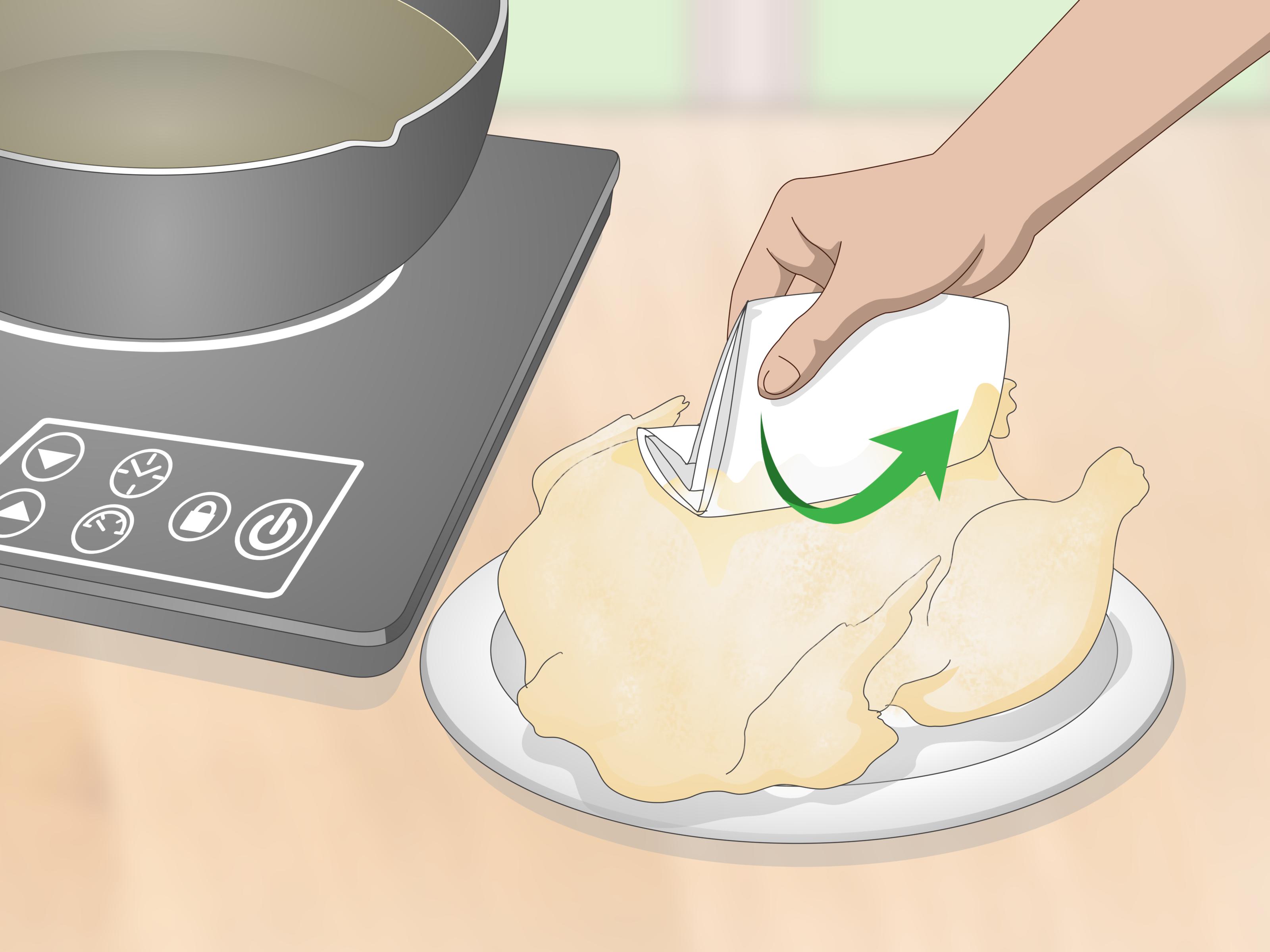
Moisture causes splattering and weakens crispness. Pat proteins dry, drain washed vegetables well, and let wet batters drip briefly before frying. Dry food is safer and fries better. That is a rare two-for-one in cooking.
Do not crowd the pan
Adding too much food at once drops the oil temperature and traps steam. Fry in smaller batches so the oil can circulate and the crust can develop. Crowding leads to pale, soggy disappointment, and disappointment is not a seasoning.
Season immediately after frying
Salt and spice blends stick better when food is fresh from the oil. Wait too long and the seasoning slides off like it has somewhere else to be.
Drain the right way
A wire rack set over a sheet pan is usually better than piling food directly on paper towels. A rack lets excess oil drip away while preserving the crisp exterior. Paper towels can help, but a rack prevents the underside from steaming itself soft.
Handle oil like it is still part of the recipe
Let oil cool completely before straining it. Filter out crumbs, store it in a sealed food-safe container, and reuse it for similar foods if it still smells clean and looks clear. If it smells rancid, looks dark, foams oddly, or feels sticky, it is done. Also, never pour used oil down the drain unless you are trying to build a long-term relationship with a plumber.
Common Home Frying Mistakes
The biggest mistake is frying at the wrong temperature. The second biggest mistake is pretending the first one is not happening. Other common errors include using a pan that is too shallow, dropping in wet food, walking away from the stove, and trying to fry half the grocery bag in one batch. Good frying is not about bravery. It is about control.
Another mistake is judging doneness only by color. Deeply browned breading does not always mean the inside is fully cooked, especially with thicker cuts of meat. For larger pieces, use an instant-read thermometer after frying to confirm the interior is safely cooked through. Crispy outside, raw inside is not a quirky chef move. It is just a bad Tuesday.
Which Method Is Best?
For most people, the Dutch oven or heavy pot is the best all-around choice. It is versatile, stable, and delivers excellent results without extra equipment. If you want efficiency and smaller-batch agility, the wok is a smart and surprisingly effective option. If you fry often and want temperature control with less babysitting, the countertop electric fryer is the most convenient long-term play.
So the answer is not really “Which method is best?” It is “Which method fits your kitchen, your habits, and your tolerance for cleanup?” The best fryer is the one you will use safely, confidently, and often enough to justify the oil.
Real Kitchen Experience: What Deep Frying at Home Actually Feels Like
The first time many people deep fry at home, they expect either magic or disaster. The real experience is more ordinary and more revealing than that. You set up the pot, clip on the thermometer, heat the oil, and suddenly the whole process becomes a lesson in patience. Deep frying is one of those techniques that looks dramatic from the outside but rewards calm, repetitive habits more than flashy moves. The difference between a glorious batch of fries and a sad, limp batch usually comes down to little details: whether the potatoes were dry, whether the oil had enough time to come back up, whether you got impatient and crowded the pan because you were hungry and fully convinced that physics should make an exception for you.
Using a Dutch oven feels reassuring. It is heavy, steady, and serious. You get the sense that the pot knows what it is doing even when you do not. It is probably the setup that gives new home cooks the most confidence. The sound of food entering the oil becomes a kind of feedback system. A lively sizzle tells you the oil is in the zone. A weak sputter tells you the temperature has drifted too low. After one or two sessions, you start understanding the rhythm of frying: heat the oil, fry in batches, rest the food, season immediately, and let the oil recover. It becomes less mysterious and more mechanical in the best possible way.
The wok experience is different. It feels faster and a little more hands-on. You use less oil, which is nice for the grocery budget, but the trade-off is that you need to pay closer attention. Small changes in heat show up quickly. That can be fun if you like active cooking. It can also be humbling if you thought you could casually wander away and come back to perfect tempura. You cannot. The wok teaches respect in a hurry.
Electric fryers are often the turning point for people who fry more than occasionally. Once someone makes wings for a party, fries for a family movie night, or doughnuts for a weekend breakfast crowd, consistency becomes very attractive. The fryer does not remove the work, but it reduces the guesswork. That matters when you want batch three to be as good as batch one.
Then there is cleanup, the least glamorous part of the story and the reason many people avoid frying altogether. But even that becomes manageable with a routine. Let the oil cool. Strain it. Store it. Wipe down surfaces before the splatters become archaeological evidence. Frying at home stops feeling like a special event and starts feeling like another cooking skill, just one that asks for more planning and a little more respect.
In the end, the real experience of deep frying at home is not about chasing restaurant perfection. It is about learning how heat, moisture, timing, and texture work together. And once you get it right, the payoff is immediate: shattering crust, tender centers, and the deeply satisfying knowledge that yes, you can make food this good in your own kitchen without burning down dinner or your confidence.
Conclusion
There are three reliable ways to deep fry at home, and all of them can produce crisp, golden, crowd-pleasing food. The heavy pot is the versatile classic, the wok is the agile underdog, and the electric fryer is the steady specialist. Whichever method you choose, success comes from the same fundamentals: the right oil, the right temperature, dry food, small batches, and careful cleanup.
Once you stop treating deep frying like a forbidden culinary stunt and start treating it like a technique, it becomes much more approachable. Respect the oil, trust the thermometer, and remember that the goal is not just fried food. The goal is fried food that is crisp, balanced, and worth every crunchy bite.