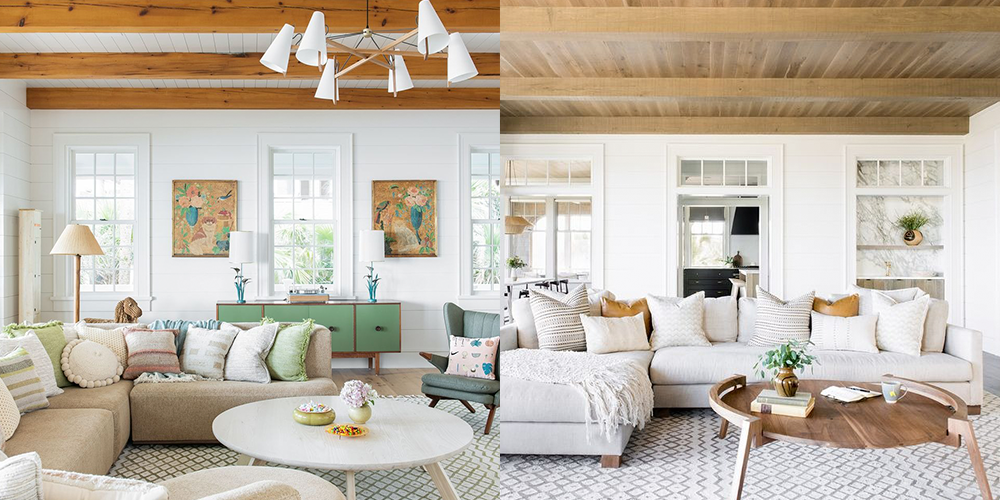
A beautiful room should not stop at eye level. While walls, flooring, and furniture usually receive all the decorating attention, the rement. That is a missed opportunity. Often called the “fifth wall,” the ceiling can introduce color, texture, architectural character, and even the illusion of more space.
The right ceiling design does not have to involve a major renovation. A weekend paint project can be just as transformative as custom millwork when it suits the room. From dramatic wallpaper and glossy color to rustic beams and sleek wood slats, these stylish ceiling design ideas can help your home stand out without making every guest walk around staring upward like a confused tourist.
Why Ceiling Design Matters
A thoughtfully designed ceiling helps complete a room rather than merely covering it. It can visually define an open floor plan, soften an oversized space, emphasize architectural features, improve acoustics, or disguise uneven surfaces and dated finishes.
Before choosing a treatment, consider ceiling height, natural light, room size, moisture levels, existing wiring, and access to pipes or ductwork. Dark colors and heavy beams can make a tall room feel warmer, while pale colors, narrow planks, and subtle patterns may help a compact room feel more open. The goal is not simply to create drama. It is to create the right kind of drama.
20 Stylish Ceiling Design Ideas
1. Paint the Ceiling a Bold Accent Color
Painting the ceiling is one of the most affordable ways to transform a room. Deep navy, forest green, clay red, charcoal, or even muted plum can make the ceiling feel intentional rather than forgotten.
This approach works especially well in dining rooms, offices, bedrooms, and powder rooms. Keep the walls relatively quiet so the color overhead remains the main attraction. A bold ceiling paired with pale walls also creates contrast without consuming valuable floor or wall space.
2. Use Color Drenching for a Seamless Look
Color drenching involves painting the walls, trim, doors, and ceiling in the same color or closely related shades. Because there is no sharp visual break between surfaces, the room can feel more cohesive and surprisingly spacious.
Warm neutrals create a soft, enveloping effect, while deep blues or greens can turn a bedroom or library into a sophisticated retreat. Slightly varying the paint sheen adds dimension without disrupting the monochromatic palette.
3. Add Wallpaper to the Fifth Wall
Ceiling wallpaper introduces pattern in an unexpected place. Botanical prints can soften a bedroom, geometric designs can energize a home office, and delicate metallic patterns can make a powder room feel like a tiny jewel box.
For balance, pair a detailed ceiling pattern with solid-colored walls and restrained furnishings. Small rooms are excellent places to experiment because they require less material and can handle a theatrical design choice without overwhelming the rest of the house.
4. Install Classic Coffered Panels
A coffered ceiling features a grid of recessed panels formed with beams and molding. It brings architectural depth to living rooms, dining rooms, libraries, and large kitchens.
Traditional coffers often include ornate trim and crisp white paint, but modern versions use shallow beams, simplified grids, natural wood, or dramatic color. Since coffers reduce the perceived ceiling height, they generally work best in rooms with enough vertical space to accommodate the added structure.
5. Warm the Room with Exposed Wood Beams
Exposed beams add character, texture, and a sense of history, even when they are decorative rather than structural. Reclaimed wood works beautifully in rustic and farmhouse interiors, while smoothly finished beams complement transitional or contemporary homes.
Faux beams are lighter and may be easier to install than solid timber. They can also conceal wiring, surface cracks, awkward seams, or other ceiling flawsthe decorating equivalent of putting an elegant hat on a bad haircut.
6. Paint Existing Beams for a Fresh Update
Wood beams do not always need to remain brown. Painting them white can lighten a coastal or cottage-style room, while black beams provide crisp contrast in a modern interior. A muted green, blue-gray, or taupe can create a softer architectural effect.
Painted beams are particularly effective when the existing wood finish feels too orange, heavy, or inconsistent with the room’s updated palette.
7. Cover the Ceiling with Natural Wood Planks
A wood-plank ceiling brings warmth to almost any decorating style. Pale oak and maple suit Scandinavian and modern spaces, while cedar, pine, or reclaimed boards create a more rustic atmosphere.
The direction of the boards also matters. Running planks along the longest dimension can visually lengthen a room. Narrow boards create a refined rhythm, while wide planks make a stronger, more casual statement. Use moisture-appropriate materials in bathrooms, kitchens, and covered outdoor areas.
8. Try White Shiplap or Beadboard
White shiplap and beadboard add texture without making a room feel visually busy. These treatments are popular in kitchens, sunrooms, bedrooms, cottages, and porches because they reflect light while introducing subtle linear detail.
For greater impact, pair white planks with stained beams or dark window trim. In a narrow room, orienting the boards carefully can help guide the eye and improve the perceived proportions.
9. Create a Sleek Slatted-Wood Ceiling
Closely spaced wood slats give the ceiling a clean, architectural appearance. The style works particularly well in modern living rooms, hallways, kitchens, and home offices.
Slats can be installed over a dark backing to emphasize their linear pattern. When combined with acoustic material, the system may also help reduce echo in large, hard-surfaced rooms. Recessed or linear lighting between the slats completes the streamlined effect.
10. Highlight a Tray Ceiling
A tray ceiling has a raised central section surrounded by a lower perimeter. Instead of painting the entire structure one color, emphasize its layers with contrasting shades, wallpaper, molding, or indirect lighting.
A dark center can make a tall room feel more intimate, while a pale center and darker border may draw attention upward. The recessed area is also a natural frame for a chandelier or decorative pendant.
11. Add Indirect Cove Lighting
Cove lighting is hidden within a ledge, molding detail, or recessed ceiling feature. Rather than shining directly downward, it washes the ceiling with a soft glow.
This technique works well in bedrooms, media rooms, dining areas, and modern living spaces. Choose warm, dimmable lighting for a relaxing atmosphere. Cooler light may be useful in task-oriented rooms but can make a cozy interior feel more like an airport security line.
12. Bring Back Decorative Tin Tiles
Pressed-metal ceiling tiles offer vintage character and intricate pattern. Traditional metallic finishes complement historic kitchens and dining rooms, while painted white or black tiles can feel surprisingly contemporary.
Metal surfaces reflect light, making them useful in rooms that need more sparkle. Faux-tin products can provide a similar appearance with less weight and a more approachable installation process.
13. Install a Ceiling Medallion
A decorative medallion draws attention to a chandelier, pendant, or ceiling fan. Ornate plaster-inspired designs suit traditional homes, while smooth geometric versions work in modern rooms.
The medallion should relate to the scale of the light fixture and the room. A design that is too small can disappear, while an enormous one may look as though the ceiling is wearing a dinner plate.
14. Use Decorative Molding to Form Patterns
Applied molding can create rectangles, diamonds, borders, or other geometric ceiling designs without requiring full coffer construction. Paint the molding and ceiling the same color for subtle texture, or use contrasting shades to make the pattern more prominent.
This treatment is a smart way to add architectural interest to a plain builder-grade ceiling. It can also help visually define a dining area within an open-concept room.
15. Paint a Mural or Scenic Design
A ceiling mural creates a genuine focal point. Clouds, stars, abstract shapes, botanical forms, maps, or hand-painted borders can give a room a custom identity.
Murals are especially charming in nurseries, children’s rooms, reading nooks, and creative studios. For a more mature interpretation, choose a restrained palette and an abstract or nature-inspired composition rather than turning the bedroom into a full-scale planetarium.
16. Experiment with High-Gloss Paint
A glossy ceiling reflects windows, lighting, and movement, producing a polished, glamorous finish. It is particularly effective in dining rooms, entryways, cocktail rooms, and other spaces designed to make an impression.
High-gloss paint highlights every dent, seam, and roller mark, so the surface must be exceptionally smooth. Professional preparation is often worth the investment. On an imperfect ceiling, an ultra-flat finish is usually much more forgiving.
17. Paint the Ceiling Black
A black ceiling can make a room feel sophisticated, cozy, and intentional. In basements, media rooms, and industrial interiors, it can also help exposed pipes, ductwork, wiring, and joists visually recede.
Balance the dark surface with layered lighting and lighter furnishings. Matte black creates a soft, shadowy effect, while satin or gloss adds reflection and drama. The room should feel intimatenot like the sun has permanently resigned.
18. Celebrate Vaulted or Cathedral Architecture
A vaulted ceiling already has architectural presence, so the treatment should emphasize its shape. Wood planks, contrasting beams, oversized pendants, or paint that follows the roofline can draw attention to the height.
Do not rely on one tiny light fixture in the middle of a vast ceiling. Layer chandeliers, wall sconces, track lighting, or uplighting to make the entire volume feel connected to the living area below.
19. Mix Materials for a Custom Look
Combining materials can create a ceiling that feels collected rather than copied from a showroom. Consider wood planks inside painted coffers, wallpaper between beams, metallic tiles framed with molding, or smooth drywall beside acoustic slats.
Limit the material palette so the design remains cohesive. Two well-coordinated finishes are usually more effective than five finishes competing for custody of the ceiling.
20. Turn Lighting into Part of the Ceiling Design
Lighting should be planned as part of the ceiling rather than added as an afterthought. A sculptural chandelier can anchor a coffered or vaulted ceiling, while flush fixtures suit low rooms. Recessed lights can support detailed ceiling treatments without distracting from them.
In warm climates, a ceiling fan may be essential. Choose a fan whose blade shape, finish, and proportions complement the room. It should look like an intentional piece of the design, not an appliance that wandered in after everyone else went home.
How to Choose the Right Ceiling Design
Match the Treatment to the Ceiling Height
Low ceilings generally benefit from light colors, minimal contrast, shallow molding, and streamlined fixtures. Taller rooms can support deeper coffers, dark paint, substantial beams, and oversized lighting. However, a small room does not automatically require white. A continuous dark color across the walls and ceiling can blur boundaries and create an enveloping sense of depth.
Consider the Room’s Function
A kitchen ceiling must tolerate grease and regular cleaning. A bathroom needs moisture-resistant finishes and proper ventilation. Bedrooms benefit from calming colors and soft light, while dining rooms can handle more pattern, gloss, and visual drama.
Inspect the Existing Surface
Repair leaks, cracks, loose plaster, and electrical problems before applying decorative finishes. Glossy paint and thin wallpaper reveal imperfections, while planks, tiles, beams, and matte colors can disguise minor flaws. Suspected asbestos-containing materials, including some older ceiling products, should be evaluated by qualified professionals before they are disturbed.
Plan Lighting and Mechanical Access Early
Mark the locations of junction boxes, vents, sprinklers, access panels, fans, and recessed lights before installing planks or molding. In basements, removable tiles or suspended systems may be more practical than permanently sealing utilities behind drywall.
Real-World Experiences and Lessons from Ceiling Makeovers
Ceiling projects have a funny way of looking simple from the floor. You see a flat white surface and think, “That should take one afternoon.” Then the ladder comes out, gravity joins the opposing team, and your shoulders discover muscles that medical science had apparently forgotten to name.
One of the most useful lessons from working with ceiling designs is to test everything at its actual height. A paint chip that looks calm in your hand may appear much darker overhead because ceilings receive light differently from vertical walls. Paint a large sample board and temporarily attach it to the ceiling. Observe it in morning light, afternoon light, and artificial light before committing to the entire room.
Pattern scale creates a similar surprise. Tiny wallpaper prints can become visually noisy when viewed across a broad ceiling, while an oversized pattern may look more balanced than expected. In a compact powder room, a dramatic botanical print often feels playful and intentional. In a large living room full of patterned rugs and upholstery, the same paper could make the ceiling feel like it is slowly descending toward the sofa.
Another recurring lesson is that preparation determines whether a ceiling looks professionally designed or merely enthusiastically attacked. Filling cracks, sanding patches, cleaning grease, priming stains, and checking the straightness of the room take time. Skipping those steps rarely saves time; it merely transfers the work to a later date, usually after the expensive finish has already been installed.
Wood beams and planks also require careful planning. Ceilings and walls are not always square, even when the house appears perfectly respectable from the street. Measuring at multiple points helps identify irregularities before the final row of planks becomes an awkward wedge. Allowing wood products to acclimate according to the manufacturer’s instructions can also reduce later movement.
Lighting is another area where real rooms behave differently from inspiration photographs. A beautiful dark ceiling may absorb more light than expected. Recessed fixtures alone can create harsh pools of illumination, especially in rooms with tall or textured ceilings. The most comfortable spaces usually combine ambient, task, and accent lighting. Dimmers are particularly valuable because a ceiling that looks dramatic during dinner may feel overly intense during breakfast.
Budget planning should include more than decorative materials. Trim, adhesive, primer, fasteners, scaffolding, electrical changes, surface repairs, and professional labor can significantly affect the final cost. Ordering extra wallpaper, tile, or planking from the same production batch is wise because matching the finish later may be difficult.
Most importantly, a successful ceiling does not need to shout. A pale blue paint, a narrow molding border, or simple white beadboard can change the character of a room without becoming its entire personality. The best result feels connected to the architecture, furniture, and way the room is used. Guests may not immediately identify why the space feels complete, but they will notice that it does.
Final Thoughts
Stylish ceiling design ideas range from quick paint updates to detailed architectural installations. The best choice depends on your room’s proportions, natural light, function, existing features, and maintenance needs. A painted ceiling can deliver instant personality, while wallpaper, wood, beams, coffers, metal tiles, molding, and integrated lighting offer increasingly layered results.
Start with one room where a ceiling treatment will have genuine impact, such as an entryway, dining room, bedroom, or powder room. Test colors and materials, plan lighting carefully, and respect the scale of the space. When the ceiling supports the entire design rather than competing with it, your home gains character from top to bottom.
Note: This article synthesizes established design and renovation guidance from reputable U.S. interior-design publications, paint manufacturers, home-improvement specialists, and residential ceiling-product resources. Product suitability and installation requirements vary, so structural, electrical, moisture-related, and hazardous-material concerns should be reviewed by qualified professionals.