One day your kitchen is peaceful. The bananas are minding their business, the sink looks mostly respectable, and your countertop has the innocent glow of a home that almost has its life together. Then, out of nowhere, a tiny squadron of fruit flies arrives like it has signed a long-term lease.
If you are tired of fruit flies circling your fruit bowl, hovering near the sink, or treating your coffee mug like a resort pool, the good news is simple: you probably already own the most useful ingredient for fighting back. The classic apple cider vinegar fruit fly trap is cheap, easy, low-effort, and surprisingly effective when you use it the right way.
But there is one important catch. The trap is not magic. It catches adult flies, but it will not fix the real problem unless you also remove the food and breeding sources that invited them in. Think of apple cider vinegar as the bouncer at the kitchen nightclub. It can handle the guests already inside, but you still need to shut down the party.
Why Fruit Flies Love Your Kitchen So Much
Fruit flies are attracted to fermenting organic matter. In normal human language, that means overripe fruit, sticky juice spills, forgotten scraps, old beer bottles, soda cans, compost buckets, garbage cans, and the mysterious gunk that sometimes hides in drains. They do not need a full buffet. A smear of peach juice under the fruit bowl can be enough to get their attention.
These tiny pests are often called fruit flies, vinegar flies, or pomace flies. They are commonly found around ripening or fermenting fruits and vegetables, but fruit does not have to be present for them to become a problem. Moist, decaying organic matter in drains, garbage disposals, recycling bins, or damp cleaning tools can also support them.
That is why a kitchen can look clean at first glance and still have a fruit fly problem. The visible flies are only the annoying headline. The real story may be hiding in the sink drain, under the trash bag, inside a sticky recycling bin, or around one heroic grape that rolled under the cabinet two weeks ago and began a new civilization.
The Apple Cider Vinegar Hack That Actually Works
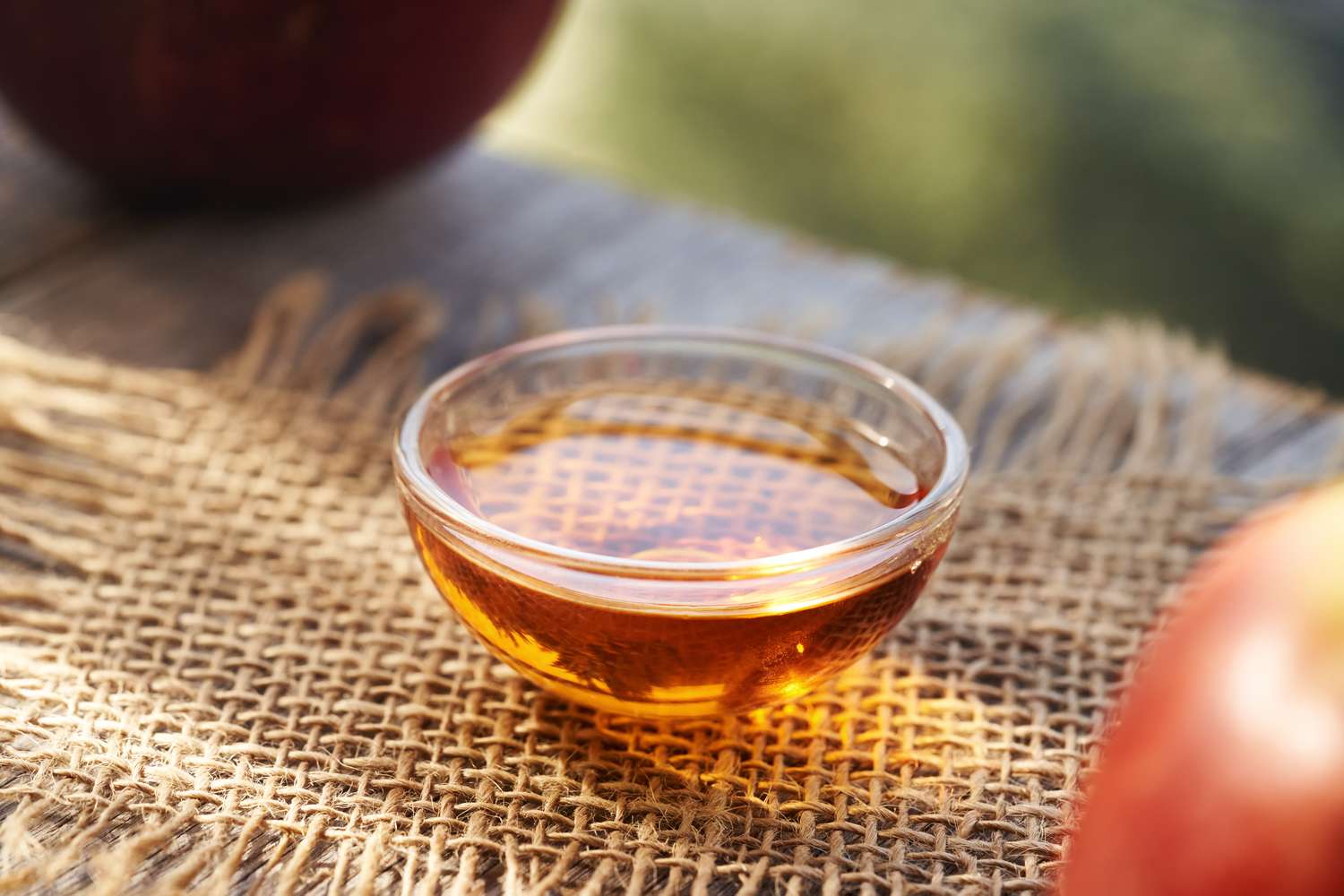
The apple cider vinegar hack works because fruit flies are drawn to the smell of fermentation. Apple cider vinegar has a sweet, tangy aroma that mimics the scent of overripe fruit. To a fruit fly, it smells like dinner, real estate, and a maternity ward all in one charming little jar.
Dish soap is the second key ingredient. A drop or two helps break the surface tension of the vinegar. Without soap, some flies may land on the liquid and escape. With soap, they sink. It is not glamorous, but neither is having bugs doing laps around your cantaloupe.
What You Need
- 1 small jar, bowl, or drinking glass
- 1/4 to 1/2 cup apple cider vinegar
- 1 or 2 drops of liquid dish soap
- Plastic wrap
- A rubber band
- A toothpick, fork tine, or skewer
How to Make the Trap
- Pour apple cider vinegar into the bottom of the jar or bowl.
- Add 1 or 2 drops of dish soap. Do not turn it into a bubble bath. More soap is not better.
- Swirl gently so the soap mixes into the vinegar.
- Cover the top tightly with plastic wrap.
- Secure the wrap with a rubber band.
- Poke several small holes in the plastic wrap.
- Place the trap where fruit flies are most active.
The flies follow the vinegar scent through the holes, enter the jar, and have a very difficult time escaping. For heavier infestations, set out two or three traps: one near the fruit bowl, one near the sink, and one near the trash or compost area.
Where to Place Fruit Fly Traps for the Best Results
Location matters. A fruit fly trap placed in a random corner of the dining room is basically a decorative science project. Place traps where you actually see fruit fly activity.
The best spots include beside the fruit bowl, near the kitchen sink, close to the garbage can, near a compost container, beside recycling bins, or near a pantry shelf where onions, potatoes, or tomatoes are stored. If the flies are gathering around one area, they are telling you where the problem is. Annoying? Yes. Helpful? Also yes.
For best results, refresh the trap daily or every other day. Once the vinegar loses its strong scent or becomes crowded with trapped flies, it is time to dump, rinse, and refill. Fruit flies may be tiny, but they are not impressed by stale bait.
Why the Trap Alone Will Not Save Your Kitchen
Here is the part many quick hacks leave out: apple cider vinegar traps catch adult fruit flies, but they do not remove eggs, larvae, or breeding sites. If you keep the overripe bananas out, leave sticky cans in recycling, or ignore the drain slime, the next generation may show up like a sequel nobody asked for.
To stop fruit flies from taking over your kitchen, pair the vinegar trap with a cleanup plan. The trap reduces the flying adults. The cleanup removes the reason they are there. Together, they work much better than either one alone.
The 15-Minute Kitchen Reset for Fruit Fly Control
You do not need to deep-clean your entire house while dramatic music plays in the background. Start with a focused kitchen reset.
1. Toss or Refrigerate Overripe Produce
Check bananas, peaches, tomatoes, melons, onions, potatoes, and any produce sitting at room temperature. If it is leaking, bruised, split, or smells like it is halfway to becoming wine, remove it. Store ripe fruit in the refrigerator when possible. For produce that should stay out, use breathable bags or covered containers and inspect it daily.
2. Clean Under and Around the Fruit Bowl
Lift the bowl. Wipe the counter. Check underneath nearby appliances. Fruit flies can feed on tiny residues you barely notice. A single sticky ring from a nectarine can become a neon sign that says, “Open for business.”
3. Empty Trash and Compost Often
Fruit scraps in a warm kitchen can become a fruit fly magnet quickly. Empty compost daily during warm weather, use a tightly sealed container, and rinse the bin regularly. If your trash can smells fruity, sour, yeasty, or suspiciously alive, clean the can itself, not just the bag.
4. Rinse Recycling
Fruit flies love the last sugary drops in soda cans, juice bottles, wine bottles, beer cans, and kombucha containers. Rinse recyclables before tossing them into the bin. The five seconds you spend rinsing can save you from a week of countertop warfare.
5. Scrub Sink Drains and Garbage Disposals
Kitchen drains can collect moist organic buildup. That buildup can attract small flies and support breeding. Run the garbage disposal regularly if you have one, flush it with plenty of water, and clean the rubber splash guard where food residue hides. A long-handled brush can help remove grime around the drain opening.
6. Wipe Spills Immediately
Fruit juice, wine, soda, syrup, and smoothie splashes are fruit fly invitations. Wipe counters, cabinet fronts, floors, and the area around appliances. Pay special attention to the base of the blender, the coffee station, and the little zone where lunchboxes are packed in a hurry.
Apple Cider Vinegar Trap Variations
The classic plastic-wrap trap is popular because it is easy and effective, but you have options.
The Paper Cone Trap
Pour apple cider vinegar into a jar and add a drop of dish soap. Roll a piece of paper into a cone with a small opening at the tip. Place the cone into the jar, tip pointing downward, and tape it so it stays in place. Flies enter through the cone but struggle to find their way back out.
The Open Bowl Trap
Use a shallow bowl with apple cider vinegar and a drop of dish soap, but skip the plastic wrap. This version is fast and simple. It may not trap as securely as the covered version, but it can still catch plenty of flies when placed in an active area.
The Wine or Beer Trap
No apple cider vinegar? A splash of red wine or beer can also attract fruit flies because both have fermented aromas. Add a drop of dish soap and cover the container with plastic wrap or a paper cone. This is also a useful way to repurpose the last sad inch of wine in a bottle.
Common Mistakes That Make Fruit Flies Worse
Using Too Much Dish Soap
A drop or two is enough. Too much soap can overpower the vinegar smell, which makes the trap less attractive. You are making bait, not washing a casserole dish.
Forgetting to Replace the Trap
Old traps lose effectiveness. Refresh them every day or two during an active infestation. Dump the old liquid, wash the container, and start fresh.
Leaving Produce Out While Trapping
If the fruit bowl smells better than the trap, the flies may choose the fruit bowl. Remove overripe produce and store ripe fruit properly before expecting the trap to perform miracles.
Ignoring Drains
If flies keep appearing near the sink even after produce is gone, check the drain. A drain with organic buildup can keep the problem going. Clean the drain opening, garbage disposal, and nearby sink surfaces thoroughly.
Confusing Fruit Flies with Other Small Flies
Not every tiny flying pest is a fruit fly. Fungus gnats often come from overwatered houseplants. Drain flies tend to hover around drains and have a fuzzy, moth-like appearance. If your apple cider vinegar trap is catching very few flies, inspect plants, drains, and damp areas more closely.
How Long Does It Take to Get Rid of Fruit Flies?
You may see flies in the trap within a few hours. A noticeable reduction often happens within a day or two if you also remove breeding sources. A stubborn infestation can take a week or more because eggs and larvae may already be developing somewhere nearby.
The key is consistency. Keep traps fresh, remove food sources, clean drains, empty trash, rinse recyclables, and avoid leaving ripe produce exposed. Fruit fly control is not one dramatic move. It is a series of small, practical steps that make your kitchen a terrible place for them to live.
How to Prevent Fruit Flies from Coming Back
Once your kitchen is calm again, keep it that way with a few simple habits.
- Store ripe fruit in the refrigerator when possible.
- Use produce before it becomes overripe.
- Empty compost containers daily during warm weather.
- Rinse bottles and cans before recycling.
- Clean trash cans and recycling bins regularly.
- Wipe sticky spills right away.
- Keep sink drains and garbage disposals clean.
- Check potatoes, onions, and pantry produce for hidden spoilage.
- Keep window screens in good condition.
- Move outdoor compost or decaying vegetation away from doors and windows.
These habits are not glamorous, but neither is clapping at invisible bugs over your breakfast. Prevention is much easier than eviction.
When to Consider a Bigger Pest-Control Plan
Most kitchen fruit fly problems can be handled with traps and sanitation. However, if you have cleaned thoroughly, removed produce, scrubbed drains, refreshed traps, and still see swarms after a couple of weeks, it may be time to look deeper.
Check for hidden sources: a forgotten potato in the pantry, a sticky recycling bin in the garage, a mop bucket that never fully dries, a leaking pipe, a damp cabinet, or a houseplant with overly wet soil. In rare cases, persistent small flies may point to a plumbing or moisture issue that needs repair.
If you rent, notify your landlord if you suspect a leak, damaged drain, or structural moisture problem. If you own your home and cannot find the source, a pest-control professional can help identify whether you are dealing with fruit flies, drain flies, fungus gnats, or another small fly species.
Real-Life Experience: What Actually Happens When You Try the Apple Cider Vinegar Hack
The first time many people try the apple cider vinegar fruit fly trap, they expect either instant victory or total disappointment. The reality is usually somewhere in between, with a satisfying amount of “Aha, it does work!” mixed with a little “Why are there still three of them judging me from the backsplash?”
In a typical kitchen, the trap starts catching flies within a few hours, especially if it is placed near the fruit bowl or sink. The first wave is oddly satisfying. You set out a humble jar with vinegar and dish soap, walk away, and come back to find that the tiny airborne chaos committee has made several poor decisions. It feels like winning a tiny, weird lottery.
But the real lesson comes the next morning. If the trap is full and the kitchen still has flies, that does not mean the hack failed. It usually means the trap is doing its job while the breeding source is still active. In my experience, the biggest improvements happen only after pairing the trap with a serious “find the source” mission. That mission is rarely elegant. It may involve sniffing the trash can, checking under the fruit bowl, moving the toaster, examining the sink drain, and discovering one raisin-like object that used to be a grape.
One practical trick is to set multiple traps and watch which one catches the most flies. If the trap near the sink wins, inspect the drain and disposal. If the trap near the pantry wins, check onions, potatoes, and stored produce. If the trap near the recycling bin wins, rinse the bin and every bottle or can inside it. The flies may be annoying, but they are also tiny flying clues.
The apple cider vinegar trap is also a good reminder that kitchen pests are usually less about dirt and more about opportunity. Even a clean kitchen can attract fruit flies if ripe fruit sits out during warm weather, if compost lingers too long, or if a splash of juice dries behind an appliance. The goal is not to feel guilty. The goal is to make the kitchen boring to fruit flies.
Refreshing the trap matters more than people think. A fresh trap smells strong and inviting. An old trap smells like a bad science fair project. During an active infestation, replacing the vinegar daily gives better results. After the flies disappear, keeping one trap out for another day or two can catch stragglers before they restart the drama.
The biggest takeaway from real-world use is this: the apple cider vinegar hack is excellent as part of a system. Trap the adults, remove the food, clean the wet organic buildup, and change the kitchen habits that attracted them. Do all of that, and your kitchen can go from “tiny fly airport” back to normal surprisingly fast.
Conclusion
The apple cider vinegar fruit fly trap is popular for a reason. It is inexpensive, simple, and made with items most people already have in the kitchen. Apple cider vinegar lures fruit flies with its fermented scent, dish soap helps trap them, and plastic wrap or a paper cone makes escape difficult.
Still, the best way to get rid of fruit flies is to combine trapping with prevention. Remove overripe produce, clean sticky spills, rinse recycling, empty compost, scrub drains, and store ripe fruit properly. When you eliminate the source, the trap can finish the job instead of fighting an endless bug parade.
So yes, this apple cider vinegar hack can help stop fruit flies from taking over your kitchen. Just remember: the jar catches the flies you see, but your cleanup routine defeats the flies you do not.