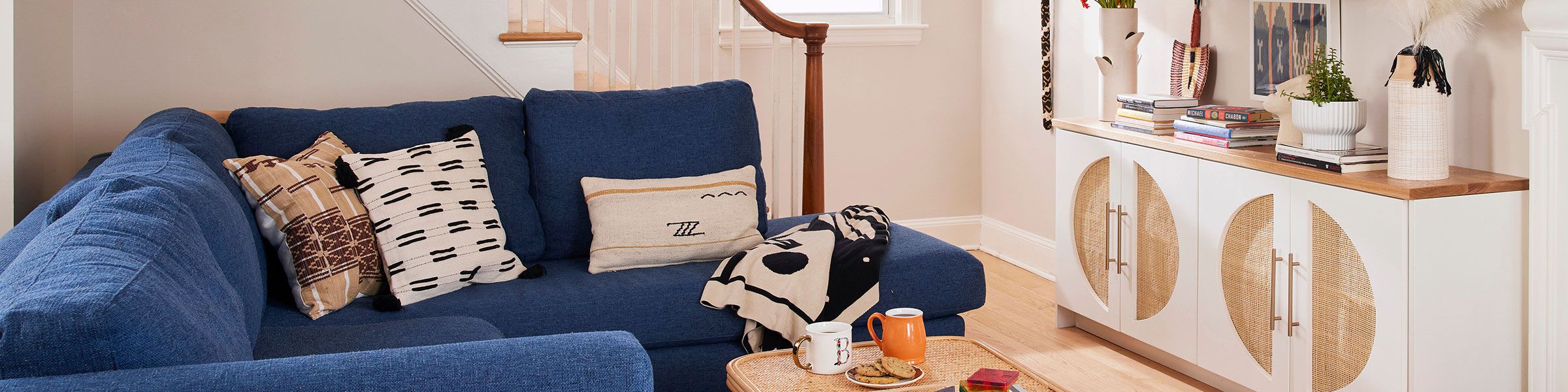
A basement is the one room in the house that often starts life as a mysterious storage cave, a laundry command center, or the unofficial museum of “things we might use someday.” But with smart planning, basement remodeling and decorating can turn that underused square footage into a warm family room, home office, guest suite, gym, playroom, media lounge, or all-purpose escape hatch from upstairs chaos.
The trick is not simply throwing down a rug and calling it “cozy.” Basements are different from above-grade rooms. They deal with moisture, lower ceilings, limited natural light, concrete surfaces, mechanical systems, and local building code requirements. A beautiful basement remodel works because it respects those realities first, then adds style. Think of it as designing with a hard hat in one hand and a throw pillow in the other.
This guide walks through practical basement renovation ideas, decorating strategies, layout tips, flooring choices, lighting solutions, storage ideas, and real-life lessons that help a finished basement feel like part of the homenot a bonus room that apologizes for existing.
Start With a Basement Reality Check
Before choosing paint colors or debating whether your basement needs a snack baryes, it probably doesstart with the boring but heroic work: checking the condition of the space. A successful basement remodel begins with moisture control, air quality, safe exits, ceiling height, insulation, and access to plumbing, electrical, and HVAC systems.
Look for Water Before You Look for Wallpaper
Moisture is the boss battle of basement remodeling. Check walls, floors, corners, window wells, and the area around the water heater or sump pump. Watch for musty smells, peeling paint, efflorescence, soft drywall, dark stains, or damp carpet. These signs suggest the basement needs repairs before it needs decor.
Waterproofing may include improving exterior grading, cleaning gutters, extending downspouts, sealing cracks, installing or repairing a sump pump, adding drainage, or using moisture-tolerant materials. It is much cheaper to solve water problems before the basement is finished than to discover them after the new sofa has developed its own weather system.
Test for Radon and Plan for Healthy Air
Because basements sit partly or fully below ground, radon testing is a smart step before finishing the space. Radon is invisible and odorless, so guessing is not a strategy. Testing before renovation makes mitigation easier if elevated levels are found. Good ventilation, sealed gaps, properly designed insulation, and humidity control also help keep the finished basement comfortable and healthier over time.
A dehumidifier is often a basement’s best supporting actor. Many finished basements feel best when relative humidity is kept in a comfortable range, especially during warm or rainy seasons. If the space will be used daily, consider whether the existing HVAC system can handle the added living area or whether supplemental heating, cooling, or ventilation is needed.
Plan the Layout Around How You Really Live
Basement remodeling works best when the layout has a clear purpose. Avoid creating one giant room with furniture floating around like lost boats. Instead, divide the basement into zones based on daily life: watching movies, working, exercising, crafting, hosting guests, storing seasonal items, or letting kids build a pillow fort empire.
Create Zones Without Building Too Many Walls
Walls can make a basement feel chopped up and smaller, especially when windows are limited. Use area rugs, sectional sofas, open shelving, half walls, ceiling treatments, paint, and lighting to define zones while keeping the space open. A large basement might include a media area, game table, reading nook, wet bar, and storage wall without feeling cluttered.
For smaller basements, choose flexible furniture. A sleeper sofa can support guests. Nesting tables can disappear when not needed. Storage ottomans can hide blankets, board games, or the remote control that somehow enters witness protection every weekend.
Keep Mechanical Access in Mind
Basements often contain plumbing cleanouts, electrical panels, HVAC equipment, ductwork, shutoff valves, sump pumps, and water heaters. Do not permanently bury these behind beautiful walls unless access panels are built in. Future-you will not enjoy destroying a finished wall to reach a valve. Decorative doors, removable panels, built-in cabinets, and well-planned utility closets can keep the space attractive and serviceable.
Understand Building Codes, Permits, and Safety
Basement remodeling often requires permits, especially when adding bedrooms, bathrooms, electrical work, plumbing, structural changes, or egress windows. Local codes vary, so homeowners should check with their city or county building department before starting. A licensed contractor can also help identify what permits and inspections are required.
Egress Matters for Bedrooms and Living Space
If the basement includes a bedroom, local codes typically require a safe emergency exit, often through an egress window or exterior door. Egress windows bring in natural light and improve safety, but installing one may involve cutting the foundation, digging a window well, adding drainage, and meeting size requirements. It is not the glamorous part of the remodel, but it is one of the most important.
Electrical and Lighting Should Be Planned Early
A basement used as a real living space needs enough outlets, safe wiring, proper lighting circuits, and possibly dedicated power for appliances, a home theater, office equipment, or fitness machines. This is not the area for “extension cord spaghetti.” Plan electrical work early so lighting, outlets, internet connections, and wall-mounted televisions land where they belong.
Choose Basement Flooring That Can Handle Real Life
Flooring sets the tone for the whole basement, but below-grade spaces need materials that tolerate humidity and occasional moisture better than traditional hardwood. The best basement flooring depends on how the room will be used.
Luxury Vinyl Plank and Tile
Luxury vinyl plank and luxury vinyl tile are popular basement flooring choices because they are durable, water-resistant, easy to clean, and available in wood-look or stone-look styles. They work well in family rooms, playrooms, laundry zones, home offices, and basement bathrooms. If the concrete slab is uneven, proper preparation matters. A beautiful floor can only hide so much before it starts whispering, “I told you so.”
Carpet Tiles for Warmth and Flexibility
Carpet tiles add softness and warmth, especially in media rooms, bedrooms, and play areas. They are easier to replace than wall-to-wall carpet if one section gets stained or damaged. Choose basement-friendly options with moisture-resistant backing, and avoid carpet in areas with known dampness.
Tile, Polished Concrete, and Epoxy
Porcelain tile is durable, moisture-resistant, and stylish for bathrooms, wet bars, laundry rooms, or walkout basements. Polished concrete and epoxy coatings create a modern look and can be practical for workshops, gyms, or casual entertainment rooms. To soften hard flooring, add area rugs with rug pads that allow airflow.
Make the Ceiling Work With the Design
Basement ceilings can be tricky because ductwork, pipes, beams, and wiring often lower the available height. The best ceiling solution balances looks, access, acoustics, and budget.
Drywall Ceilings
Drywall creates a smooth, finished look and helps the basement feel like the rest of the house. It works well when mechanical systems are already organized and access points are limited. Add access panels where needed so repairs do not require dramatic demolition.
Drop Ceilings and Decorative Panels
Drop ceilings are practical because they allow access to utilities above. Modern ceiling tiles are much better-looking than the office-style panels many people remember from school cafeterias. Options include acoustic tiles, coffered panels, PVC panels, wood-look products, and decorative grid systems.
Painted Open Ceilings
Painting exposed joists, pipes, and ductwork can create an industrial look while preserving ceiling height. Dark paint can make mechanical elements visually recede, while white paint can brighten the room. This approach is useful for budget-friendly basement updates, though it may not provide as much sound control as drywall or ceiling tiles.
Use Lighting to Defeat the Basement Cave Effect
Lighting can make or break a basement design. Since natural light is often limited, use layered lighting instead of relying on one lonely ceiling fixture doing the emotional labor of an entire room.
Layer Ambient, Task, and Accent Lighting
Ambient lighting provides overall brightness through recessed lights, flush-mount fixtures, or ceiling panels. Task lighting supports specific activities, such as desk lamps for work, reading lamps near chairs, or under-cabinet lighting at a wet bar. Accent lighting adds mood with wall sconces, LED strips, picture lights, or illuminated shelves.
For media rooms, install dimmers so the space can shift from “cleaning mode” to “movie night mode.” For home offices and craft areas, prioritize bright, even lighting that does not create harsh shadows.
Use Mirrors and Light Colors Strategically
Mirrors, pale wall colors, glossy accents, glass doors, and reflective decor can help bounce light around the room. That does not mean every basement must be painted plain white. Warm neutrals, soft greens, smoky blues, muted taupes, and even dramatic charcoal can work beautifully when balanced with good lighting.
Decorating Ideas That Make a Basement Feel Finished
Once the practical foundation is handled, the fun begins. Basement decorating should make the space feel intentional, comfortable, and connected to the rest of the home.
Pick a Design Style, Not a Random Furniture Rescue Mission
Many basements become retirement homes for furniture that lost its job upstairs. A better approach is to choose a style direction. A modern basement might use clean-lined furniture, matte black accents, and wood-look floors. A cozy family basement might combine a sectional sofa, soft area rug, warm lamps, and built-in storage. A moody entertainment room can lean into darker walls, leather seating, framed posters, and dramatic lighting.
Add Texture for Warmth
Basements can feel cold because of concrete, low ceilings, and limited windows. Texture fixes that. Use woven baskets, upholstered furniture, layered rugs, wood accents, curtains, acoustic panels, plants that tolerate lower light, chunky throws, and wall art. Even a simple gallery wall can help the basement feel like a room instead of a finished storage unit with ambition.
Decorate the Stairs and Entry
The stairway sets expectations. Paint the stairwell, upgrade the railing, add runners, install better lighting, or hang artwork along the wall. A finished basement feels more inviting when the entrance says, “Welcome downstairs,” not “Proceed to the utility dungeon.”
Smart Basement Room Ideas
The best basement use depends on your household. Here are practical basement remodeling ideas that balance function and style.
Family Room or Media Lounge
A basement family room is a classic because it naturally supports movie nights, gaming, sports watching, and casual lounging. Choose a comfortable sectional, durable flooring, dimmable lighting, and built-in storage for electronics, blankets, games, and snacks. If sound travels upstairs, consider acoustic panels, rugs, upholstered furniture, and insulation designed to reduce noise transfer.
Guest Suite
A basement guest suite can be wonderful when it includes proper egress, good lighting, a comfortable bed, a small seating area, and convenient access to a bathroom. Use light bedding, warm lamps, blackout shades, and a luggage bench. Add a few thoughtful details, such as extra phone chargers and a small basket of towels, and guests may become suspiciously hard to remove.
Home Office or Study Zone
Basements can offer quiet separation for remote work or homework. Prioritize internet strength, task lighting, ergonomic seating, outlets, and storage. A small desk nook under the stairs or in a former closet can become a compact workstation with floating shelves and a wall-mounted light.
Home Gym
For a basement gym, choose rubber flooring or durable vinyl, add mirrors if useful, include ventilation, and plan equipment spacing carefully. Keep ceilings in mind for treadmills, overhead presses, or jump rope workouts. A wall-mounted TV, fan, and storage rack for mats and weights can make the space more enjoyable.
Playroom or Teen Hangout
A basement playroom should be durable, flexible, and easy to clean. Use washable paint, storage bins, soft flooring, and open space for activities. For older kids or teens, create zones for gaming, crafts, music, studying, or hanging out with friends. The secret is giving the room structure without making it feel like a furniture showroom where fun goes to sit quietly.
Storage: The Unsung Hero of Basement Design
Even a finished basement usually needs storage. The goal is to make storage look intentional. Built-in cabinets, labeled bins, wall-mounted shelves, under-stair storage, bench seating with hidden compartments, and closed-door utility closets can preserve order.
Store seasonal items in clear, lidded containers rather than cardboard boxes, especially if humidity is a concern. Keep items off the floor when possible, and leave access to sump pumps, drains, electrical panels, and shutoff valves. Good storage design prevents the remodeled basement from slowly turning back into the Land of Forgotten Holiday Decorations.
Budget-Friendly Basement Remodeling Tips
Not every basement renovation needs to be a full gut remodel. A phased approach can still deliver major improvement.
Focus on the Big Three First
If the budget is tight, prioritize moisture control, lighting, and flooring. These three changes transform how the basement feels and functions. After that, upgrade paint, trim, furniture, storage, and decor over time.
Paint Can Do Heavy Lifting
Fresh paint on walls, stairs, exposed ceilings, old paneling, or concrete floors can make a huge difference. Choose paint products appropriate for the surface and basement conditions. A warm neutral wall color with crisp trim can instantly make the space feel cleaner and more finished.
Mix Splurge and Save Items
Spend more on the things that affect comfort and durability: waterproof flooring, quality lighting, insulation, electrical work, and a good sofa. Save on decorative accessories, DIY shelving, secondhand tables, framed prints, and removable decor. Basement style does not require a luxury budget; it requires thoughtful choices and the ability to say no to the mystery recliner from 1998.
Common Basement Remodeling Mistakes to Avoid
The biggest mistake is finishing over unresolved moisture. The second biggest is ignoring permits, egress, or electrical safety. Other common problems include choosing the wrong flooring, under-lighting the room, blocking access to mechanical systems, creating awkward layouts, and forgetting storage.
Another mistake is making the basement feel completely disconnected from the upstairs home. The design does not need to match perfectly, but it should feel related. Repeat a few colors, wood tones, metal finishes, or decor styles from the main level so the basement feels like part of the house rather than a secret annex.
Experience-Based Notes on Basement Remodeling and Decorating
One of the most useful lessons from real basement projects is that the room tells you what it wants to become. Some basements are perfect for bright family rooms because they have walkout doors and decent natural light. Others are better as moody media rooms because they are darker and quieter. Fighting the natural character of the space usually costs more and feels less convincing. A low-light basement can become a cinematic retreat, not a failed sunroom.
Another experience worth remembering: measure everything twice, then measure the path downstairs. Many homeowners fall in love with a giant sectional, only to discover the stairway has different feelings about it. Before buying large furniture, measure doorways, stair turns, ceiling height, and landing space. Modular sectionals, flat-pack cabinets, and furniture with removable legs are basement heroes.
Lighting is also more important than people expect. A basement with expensive finishes can still feel gloomy if the lighting is weak or poorly placed. In practice, the best results often come from using multiple smaller light sources instead of one bright fixture. Recessed lights on dimmers, table lamps, sconces, floor lamps, and under-shelf lighting create depth. Good lighting makes budget furniture look better; bad lighting makes expensive furniture look like it is waiting for questioning.
Flooring decisions should be practical, not romantic. Traditional hardwood may look beautiful, but basements demand moisture-aware choices. Luxury vinyl, tile, polished concrete, epoxy, and carpet tiles tend to be more forgiving. If comfort is important, use rugs that can be cleaned or replaced. In a family basement, durability is not boringit is freedom from panic when someone spills lemonade during a movie.
Storage should be designed before decorating, not after. In many homes, the basement still needs to hold tools, sports gear, holiday decorations, bulk paper towels, luggage, and the mysterious box labeled “miscellaneous,” which is legally required in every household. Built-ins, labeled bins, wall shelves, and under-stair cabinets help keep those items from invading the finished areas.
Finally, the most successful basement remodels include one memorable feature. It does not have to be expensive. It might be a painted ceiling, a bold wallpaper wall, a vintage game table, a cozy reading corner, a built-in snack bar, a gallery wall, or a fireplace-style electric heater. That one feature gives the basement personality. Without it, the room may be functional but forgettable. With it, the basement becomes the place everyone casually claims they “just happened” to wander into.
Conclusion
Basement remodeling and decorating is part construction project, part design challenge, and part negotiation with gravity, concrete, and humidity. The best finished basement starts with a dry, safe, code-aware foundation, then layers in smart layout planning, durable materials, comfortable lighting, practical storage, and decor that gives the room a reason to exist.
Whether you want a media room, guest suite, office, gym, playroom, or flexible family lounge, the goal is the same: create a basement that feels useful, welcoming, and intentionally designed. Do the behind-the-scenes work first, decorate with purpose, and your basement can become one of the most loved rooms in the house. Not bad for a space that may currently be guarded by paint cans and a suspiciously old treadmill.
Note: This article is written for general home improvement and decorating guidance. Homeowners should confirm local building codes, permit rules, safety requirements, and professional recommendations before beginning a basement remodel.