Editor’s note: This article revisits the conversation surrounding the April 2022 announcement that Elon Musk had reached a deal to buy Twitter. The 30 reactions below are original, representative recreations of the jokes, worries, hot takes, and dramatic farewells that filled timelines at the time. They are not presented as verbatim posts from specific users.
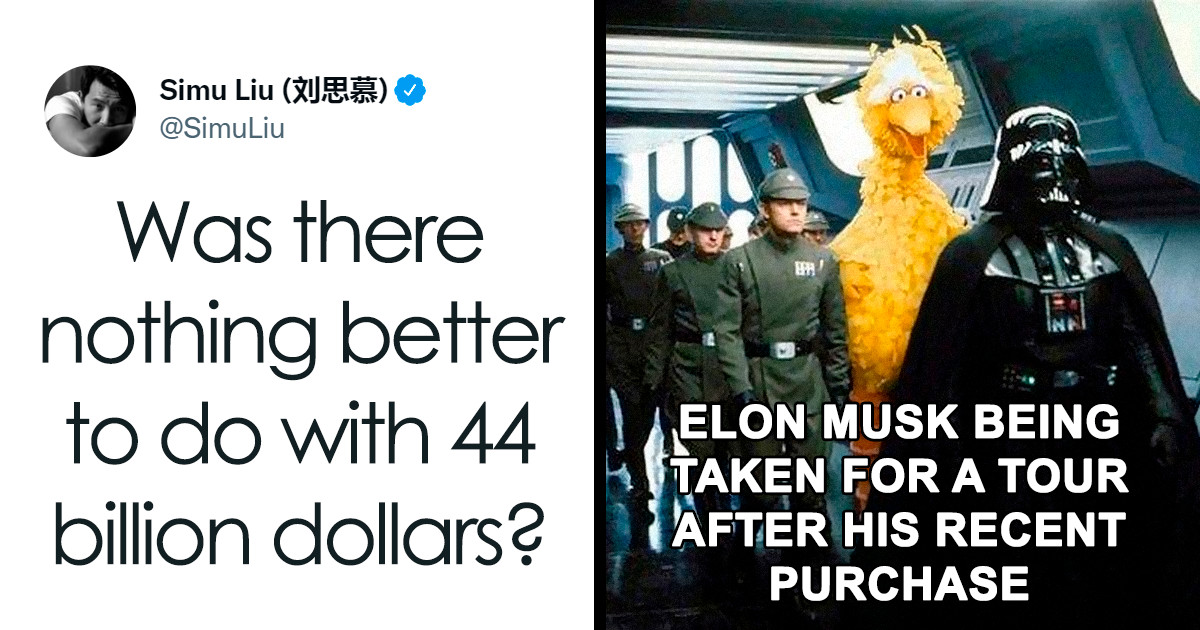
On April 25, 2022, Twitter announced that it had agreed to be acquired by Elon Musk in a transaction valued at approximately $44 billion, or $54.20 per share in cash. The news landed on the platform with the subtlety of a leaf blower in a library. One moment, people were debating movies, sports, work, and whether cereal counts as soup. The next, millions of users were asking the same question: “Wait, he bought what?”
Musk described Twitter as a digital town square and emphasized free speech, platform improvements, and reducing spam. For some users, that sounded like a promise to renovate a beloved old city park. For others, it sounded like someone had bought the park, replaced the benches with rockets, and announced that the pigeons would now be verified.
The Twitter acquisition quickly became more than a business story. It turned into a live performance of collective internet anxiety, political debate, meme-making, celebrity commentary, and people threatening to leave a website while continuing to post about leaving it every six minutes. The platform had always been a place where a global event could become a joke before breakfast. This one came with a $44 billion price tag and enough drama to make a reality-show producer ask everyone to calm down.
Why Elon Musk Buying Twitter Became Such a Huge Internet Moment
Twitter was not the biggest social network by user count, but it had an oversized influence on politics, journalism, entertainment, technology, and public conversation. Breaking news often appeared there first. Public figures used it to announce major decisions. Reporters found leads there. Fans argued there. Brands pretended to have personalities there. And somewhere, at every hour of every day, a stranger was confidently explaining a complicated topic with the phrase, “Actually, it’s pretty simple.”
That influence is exactly why Musk’s proposed ownership created such a strong reaction. People were not merely talking about an app changing hands. They were talking about a platform they used to communicate, organize, promote work, follow news, share jokes, build audiences, and occasionally ruin their sleep schedules.
The agreement also raised questions about content moderation, misinformation, harassment, account verification, political speech, and whether a privately owned social platform could ever truly function like a public square. Contemporary reporting reflected both excitement from people who wanted less moderation and concern from users who feared that looser rules could make abuse, extremism, and misinformation harder to control.
In other words, the reaction was not one giant opinion. It was thousands of smaller reactions colliding in real time: hopeful, skeptical, hilarious, exhausted, dramatic, and deeply committed to turning corporate finance into meme material.
30 Of the Best Twitter Reactions to Elon Musk’s $44 Billion Deal
-
“I would like to return this app for store credit.”
Some users reacted as though Twitter had been purchased without their consent, receipt, or ability to contact customer service.
-
“Does this mean the edit button is finally happening?”
For years, users had begged for an edit feature. A multibillion-dollar acquisition somehow became another opportunity to ask for typo protection.
-
“Please do not touch my carefully curated nonsense.”
Many people had spent a decade building a highly specific timeline of jokes, local news, cat videos, and strangers fighting about brunch.
-
“I am leaving Twitter immediately after I post twelve more thoughts about it.”
The classic social-media departure announcement returned in full force, complete with follow-up posts, screenshots, and a thread explaining the departure.
-
“Can he buy my student loans next?”
Forty-four billion dollars inspires perspective. It also inspires people to make a spreadsheet of everything else that money could theoretically buy.
-
“Maybe he can remove the bots that keep offering me crypto advice.”
Spam and fake accounts became a major part of the broader Twitter conversation, so users naturally imagined a future with fewer suspicious investment opportunities from accounts named “ElonFan2022.”
-
“The bird app has entered its billionaire era.”
Twitter’s bird logo became a symbol for users wondering whether their familiar platform was about to become a very different place.
-
“I hope the algorithm stops showing me people I muted in 2017.”
Every major platform change makes users remember the tiny irritations they have tolerated for years.
-
“Free speech is great. Free spam is less charming.”
Some users supported broad discussion but worried that less moderation could make the platform more chaotic and less useful.
-
“My timeline is now an emergency town-hall meeting.”
People logged on for celebrity gossip and found themselves surrounded by legal analysis, media criticism, and amateur corporate governance experts.
-
“Can someone explain this without using the word ‘disruption’?”
Technology news is rarely short on buzzwords, but the acquisition made “disruption” feel like it needed a mandatory vacation.
-
“I came here for memes, not a hostile takeover.”
For many users, Twitter was a comedy platform first and a major communications infrastructure second.
-
“The group chat is about to be unbearable.”
Every Twitter controversy has an off-platform afterlife in group chats, family texts, Slack channels, and office lunch breaks.
-
“This is either the beginning of a better Twitter or season one of a disaster documentary.”
Optimism and dread shared a studio apartment on the internet that day.
-
“I cannot believe a website built around 280-character opinions needs more opinions.”
Yet there they were: millions of opinions, all arriving at once.
-
“Will the blue check mark now come with rocket fuel?”
Verification was already one of Twitter’s most debated features, so users immediately started joking about what it might become.
-
“I support innovation, but I would also support the mute button working forever.”
Even during a major ownership change, people remained loyal to the small tools that made daily online life manageable.
-
“Somebody check on the social-media managers.”
Brand accounts had to keep tweeting through the news cycle while quietly wondering whether their content calendars had just become museum artifacts.
-
“Twitter is the only place where people can panic, joke, argue, and make fan art in the same minute.”
That was less of a reaction and more of an accidental description of the platform’s entire personality.
-
“I have never cared this much about corporate ownership, and I still do not know what a poison pill is.”
The deal introduced millions of users to takeover terminology they had successfully avoided since business class.
-
“Please do not turn this into LinkedIn with worse opinions.”
Users may complain about Twitter, but they have very strong feelings about what Twitter should not become.
-
“The app is already chaotic. Are we sure it needs more plot?”
Twitter users know that every new feature, policy, outage, or ownership rumor can create a week of discourse.
-
“I’m not worried. I am simply opening seventeen tabs to worry more efficiently.”
Some people processed the news through reporting, others through memes, and others through browser-tab hoarding.
-
“Can we get rid of the reply guys before we colonize Mars?”
Internet users are nothing if not practical. Before grand visions of the future, there were old problems to solve.
-
“The only thing more powerful than a billionaire is a timeline with screenshots.”
Twitter’s users have always treated screenshots as historical documents, legal evidence, comedy props, and emergency supplies.
-
“This is going to age perfectly or terribly. No middle ground.”
That is the internet’s favorite prediction because it is almost impossible to disprove in the moment.
-
“I am watching strangers explain the future of democracy between posts about sandwiches.”
Twitter’s strange magic has always been its ability to place world-changing debates beside a viral photo of a raccoon.
-
“Please keep the jokes. You can renegotiate literally everything else.”
For many users, humor was the platform’s real public service.
-
“The bird app may be changing, but the bad takes are clearly too big to fail.”
No ownership change could erase the timeless Twitter tradition of posting first and reconsidering never.
-
“I have no idea what happens next, but I know someone is already making a parody account about it.”
And that may have been the most accurate reaction of all.
What the Reactions Revealed About Twitter Users
The funniest reactions were not funny simply because they mocked a billionaire or a corporate deal. They were funny because they exposed how personal social media platforms can feel. Users may not own the company, write the policy, or sit in the boardroom, but they invest something else: attention, memories, friendships, professional connections, habits, and years of extremely specific online behavior.
For journalists, Twitter had been a source of breaking information and direct access to public figures. For artists, writers, comedians, and small businesses, it could be a way to find an audience without paying for a billboard or asking a cousin to hand out flyers at a mall. For activists and community groups, it could be a tool for rapid communication. For everyone else, it was often a place to complain about airline delays while watching experts debate constitutional law.
That is why the acquisition produced both humor and concern. Musk’s vision centered on free speech, authenticity, and improving the platform, while critics questioned how those ideas would work in practice on a site already battling misinformation, harassment, fake accounts, and polarized political conversation. The challenge was never simply making Twitter louder. It was making it more useful without making it unbearable.
It is also important to remember that the April agreement was only one chapter in a longer and unusually turbulent deal process. Musk later tried to end the transaction, Twitter sued to enforce the agreement, and the acquisition ultimately closed in October 2022. The company was later renamed X.
Experiences From the $44 Billion Twitter Moment: Why Everyone Had a Story
The Elon Musk Twitter deal became one of those rare online events where people did not need to be investors, employees, technology reporters, or policy experts to feel involved. They only needed an account, a timeline, and perhaps a moderate dependency on checking notifications before brushing their teeth.
For longtime users, the news felt oddly personal. Twitter had been around long enough to collect digital memories: first viral posts, career opportunities, friendships that began as replies, fandom communities, late-night conversations, and arguments so intense that users learned the exact location of the block button without looking. A change in ownership therefore felt less like a routine business headline and more like somebody announcing that the owner of your favorite neighborhood diner had sold the place to a man who promised to “optimize breakfast.”
Some users experienced the deal as entertainment. The memes came quickly because Twitter has always had a remarkable ability to convert anxiety into jokes. People created fake “exit interviews” for the bird logo, imagined new subscription packages, made jokes about space travel, and treated the announcement like a surprise season finale. The humor was not always lighthearted, but it helped people process a situation that felt bigger than an ordinary app update.
Others experienced it as uncertainty. Creators worried about whether their audiences would remain active. Moderators and safety advocates worried about harassment and harmful content. Advertisers and marketers wondered whether the platform’s brand environment might change. Journalists questioned how the news ecosystem would be affected if a major source of real-time public communication shifted direction. Those concerns were not necessarily about one feature or one executive decision. They were about the fragile social rules that make a large online community usable at all.
Then there were the people who simply wanted the website to work. They wanted fewer bots, fewer scams, fewer strange algorithmic recommendations, and fewer days when the platform seemed determined to show them a fight between two strangers with matching profile photos. Their reaction was less ideological and more practical: “Can this app please become less exhausting?”
The experience also showed how internet culture handles uncertainty. People rarely wait for official details. They speculate, joke, panic, analyze, post screenshots, make predictions, reverse those predictions, and then explain why their original prediction was technically correct in spirit. It is chaotic, but it is also a form of collective storytelling.
Years later, the deal remains a useful example of how ownership changes can reshape online communities. Platforms are businesses, but they are also social spaces. Their rules affect who feels safe speaking, who gets heard, what information spreads, and whether a community remains worth visiting. The $44 billion Twitter moment was not memorable only because of the money. It was memorable because millions of people realized that a website they joked about every day had become part of how they understood the world.
Conclusion
Elon Musk’s agreement to buy Twitter for $44 billion created the kind of internet event that only Twitter could fully appreciate: equal parts business headline, cultural panic, policy debate, meme festival, and group-chat emergency. The best reactions captured that strange blend of humor and uncertainty. People did not agree on what Musk’s ownership would mean, but they agreed on one thing: nobody was going to quietly log off and let history happen without a punchline.
That is the lasting lesson of the Twitter acquisition reaction cycle. Social platforms may be built with code, funded by investors, and managed through corporate decisions, but their real identity comes from the people using them. And when those people are given a $44 billion breaking-news alert, they will do what the internet does best: make it funny, make it dramatic, and post about it until the timeline runs out of battery.