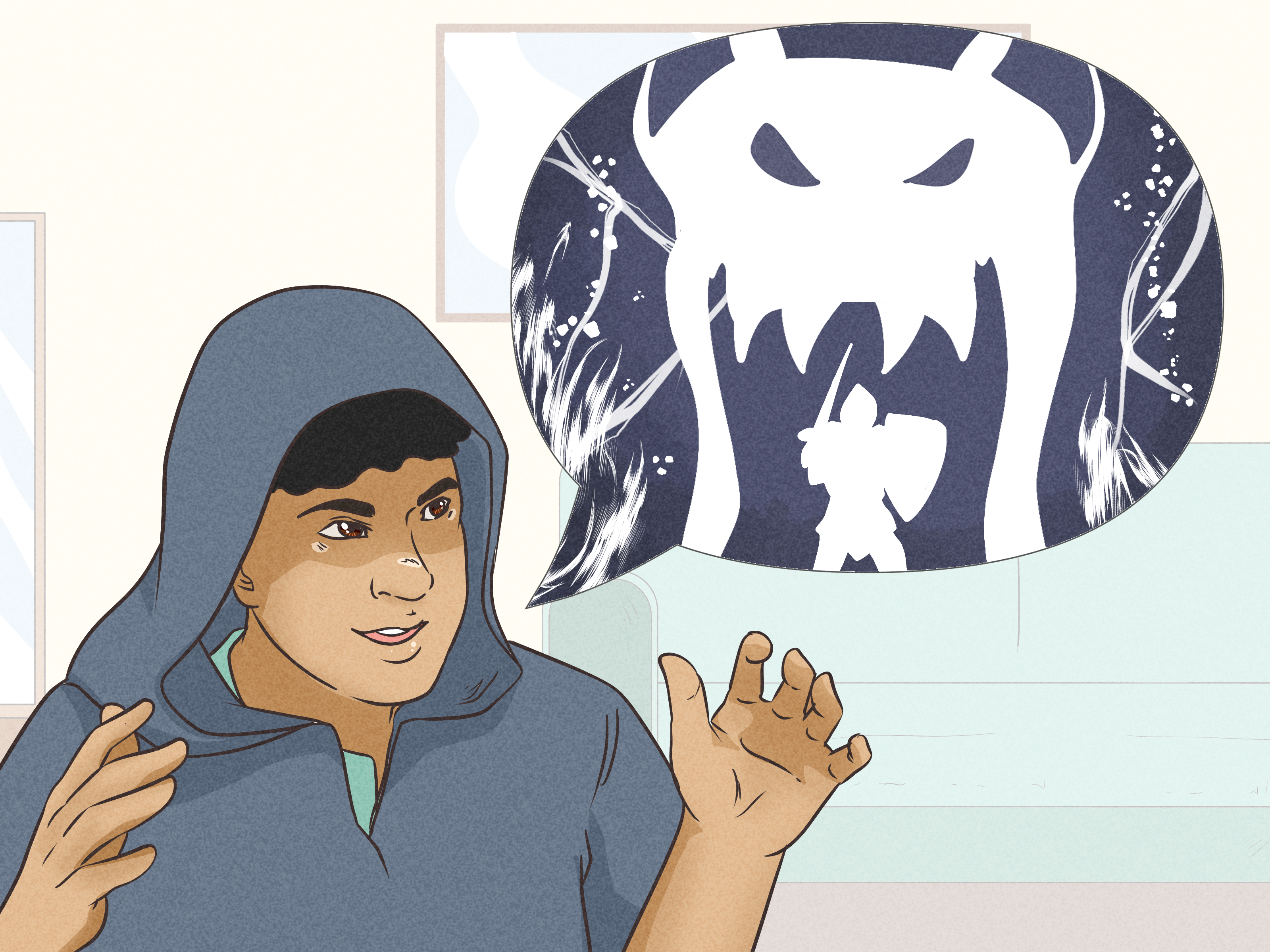
Every Dungeons & Dragons player knows the sacred ritual: you build a dramatic character, choose a class, pick spells, polish the backstory, and then suddenly freeze at the name box like a wizard who forgot how doors work. That is where a Tiefling Name Generator becomes your little infernal assistantminus the contract, the suspicious smoke, and the clause about your soul.
Tieflings are among the most stylish character options in DND. Horns? Check. Tails? Check. Mysterious ancestry connected to the Lower Planes? Very much check. But a great tiefling name needs more than random apostrophes and the sound of a spoon falling into a haunted sink. The best names tell the table who your character is before they ever draw a dagger, cast thaumaturgy, or dramatically lean against a tavern wall.
This guide will help you create demonic names for DND that feel dark, elegant, playable, and memorable. You will find naming rules, original examples, virtue names, Infernal-inspired names, class-based ideas, and practical tips for using a generator without ending up with something that sounds like a rejected Wi-Fi password.
What Is a Tiefling Name Generator?
A Tiefling Name Generator is a creative tool that produces names inspired by tiefling lore, fantasy phonetics, and Dungeons & Dragons character-building traditions. Instead of staring at a blank character sheet until your dice start judging you, a generator gives you instant options such as grim Infernal names, elegant noble names, virtue names, and mysterious aliases.
For SEO purposes, people often search for terms like demonic name generator, DND tiefling names, Infernal names, female tiefling names, male tiefling names, and tiefling virtue names. In actual gameplay, however, the goal is simple: choose a name that fits the character, sounds good when spoken aloud, and does not make the Dungeon Master burst into laughter during your tragic monologue.
Understanding Tiefling Names in DND
Tiefling names usually work best when they follow one of three broad styles: cultural names, Infernal-inspired names, or chosen virtue names. This gives players a lot of freedom. A tiefling raised in a human city may have a perfectly ordinary local name. A tiefling from a family proud of its fiendish heritage may carry a sharper, darker name. A rebellious young tiefling may abandon a birth name entirely and call themselves something symbolic like Mercy, Ruin, Valor, or Promise.
1. Cultural Tiefling Names
Cultural names are grounded in the world around the character. If your tiefling grew up in a coastal trading city, their name might sound merchant-like, practical, or multicultural. If they were raised in an elven court, their name may feel lyrical. If they came from a grim mountain fortress, the name might be short, hard, and impossible to say without clenching your jaw.
Examples include Mara Voss, Corin Vale, Sella Thorn, Ravik Durn, and Elian Marrow. These names do not scream “infernal bloodline,” which can be perfect for a tiefling who wants to blend inor for one who enjoys surprising enemies later.
2. Infernal-Inspired Tiefling Names
Infernal-inspired names are the classic choice for demonic names in DND. They often use hard consonants, elegant vowels, and dramatic syllable patterns. Sounds like k, z, v, r, th, and ai can give a name a fiendish edge without turning it into alphabet soup.
Original examples include Kaezar, Virexan, Zarveth, Malvoria, Nyxira, Thamior, Velkira, and Rhaziel. These names work well for warlocks, sorcerers, paladins with complicated family trees, and rogues who absolutely own at least one black cloak.
3. Tiefling Virtue Names
Virtue names are one of the most interesting parts of tiefling naming culture. They are not always “good” virtues. A virtue name can be an ideal, a warning, a personal mission, a wound, or a joke the character refuses to explain. A tiefling named Hope may be gentle and radiant. A tiefling named Mercy may be kindor terrifyingly selective. A tiefling named Debt probably has a story, and it is definitely not relaxing.
Good virtue name examples include Grace, Valor, Promise, Reverence, Truth, Defiance, Silence, Ash, Hunger, Sorrow, Fortune, Fable, Glory, and Never.
How to Make a Good Tiefling Name
The secret to a strong tiefling name is balance. It should sound fantasy-rich, but not so complicated that your party starts calling you “horn guy” by session two. A good name is easy enough to pronounce, distinctive enough to remember, and flexible enough to fit serious roleplay and chaotic table banter.
Use Sound to Suggest Personality
Soft sounds can make a tiefling feel graceful, persuasive, or mysterious. Names like Seravia, Liora, and Veylani suit bards, clerics, and diplomats. Harsh sounds can create menace or strength. Names like Kharvex, Dravok, and Zerakos fit fighters, vengeance paladins, and anyone who enters a tavern like a thunderstorm with boots.
Keep It Speakable
A name can look beautiful on a character sheet and still fail the “table test.” Say it aloud three times. If you bite your tongue, summon a minor headache, or accidentally pronounce an ancient tax form, simplify it. Varketh is playable. V’rakkh-ethzaiol is a chair falling down a staircase.
Connect the Name to the Backstory
A tiefling name becomes stronger when it carries meaning. Did your character choose the name Justice after being wronged? Was Malzareth inherited from a family that values its Infernal bloodline? Did Cinder survive a magical fire and decide subtlety was for people without dramatic entrances?
When the name and backstory support each other, the character feels real before the first initiative roll.
Tiefling Name Generator Ideas by Character Type
Male Tiefling Names
These original male tiefling names lean dark, bold, and heroic:
- Kaelor Vex – perfect for a silver-tongued warlock
- Rhazvan – noble, dangerous, and probably wearing a long coat
- Tharok Embervein – ideal for a fighter or barbarian
- Zevran Mal – sharp enough for a rogue
- Korveth – short, heavy, and battle-ready
- Veyros – elegant with a hint of infernal drama
- Damak Voss – grounded and campaign-friendly
- Azrion – a strong choice for sorcerers and paladins
Female Tiefling Names
These original female tiefling names mix elegance, fire, mystery, and menace:
- Nyxara – shadowy, stylish, and very cloak-compatible
- Veloria – graceful enough for a bard or noble
- Zarielle – radiant and dangerous
- Maevira – soft, magical, and memorable
- Kalzetha – a strong Infernal-inspired option
- Ravessa – great for rogues, witches, or political schemers
- Serakina – dramatic but still pronounceable
- Vixoria – charming, sharp, and slightly suspicious
Gender-Neutral Tiefling Names
For players who want flexible DND tiefling names, these options work beautifully across character types:
- Ash – simple, symbolic, and cool without trying too hard
- Veyl – sleek and mysterious
- Ruin – excellent for a tragic antihero
- Echo – perfect for a bard, rogue, or haunted spellcaster
- Thorn – practical and dangerous
- Omen – dramatic in the best possible way
- Crave – intense, strange, and unforgettable
- Noct – short, dark, and easy to remember
Demonic Names for DND by Class
Tiefling Warlock Names
Warlocks and tieflings go together like candles and suspicious basements. For a warlock, choose a name that suggests bargains, secrets, and power with a price tag.
Examples: Malvex, Oath, Zareth Nocturne, Velkira Pactborn, Promise, Khaemos, Whisper, and Raviel Thorn.
Tiefling Sorcerer Names
Sorcerers are all about inherited power, unstable magic, and looking surprised when the room catches fire. Their names should feel magical and dramatic.
Examples: Seravia, Cinder, Azriona, Veyros Flameheart, Lumin, Kaezira, Ember, and Thamior Starbrand.
Tiefling Rogue Names
Rogue names should be quick, sharp, and easy to whisper in an alley. Bonus points if the name sounds like it already has a wanted poster.
Examples: Vex, Needle, Sable, Nyx, Rook, Ravessa, Kairn, and Silence.
Tiefling Paladin Names
A tiefling paladin is deliciously dramatic: infernal appearance, holy oath, huge main-character energy. Choose a name that carries conflict and conviction.
Examples: Valor, Mercy, Aurex, Justice, Veyloria Dawn, Creed, Solkar, and Reverence.
Tiefling Bard Names
Bards need names that sound good when announced to a tavern crowd. If the name cannot survive applause, heckling, and one goblin throwing a turnip, reconsider.
Examples: Fable, Lyrix, Seren Voss, Glory, Vixoria, Charm, Maevira, and Encore.
How a Tiefling Name Generator Should Work
A useful tiefling name generator should not simply smash random dark syllables together. It should ask what kind of name you need. Is the character proud of their fiendish heritage? Are they hiding it? Did they choose a virtue name? Do they need a family name, a nickname, or a formal title?
A strong generator can combine four ingredients:
- Sound style: harsh, elegant, soft, ancient, or sinister
- Name type: cultural, Infernal-inspired, or virtue-based
- Character role: warlock, rogue, paladin, bard, sorcerer, cleric, or fighter
- Story theme: redemption, revenge, ambition, exile, faith, freedom, or family legacy
For example, a revenge-themed tiefling rogue may become Silence Vex. A redemption-focused paladin may become Mercy Dawn. A proud Infernal sorcerer may become Azriona Malveth. Same species, totally different table presence.
Original Tiefling Name Generator List
Dark and Demonic Tiefling Names
Use these when you want your DND character to sound like they were born under a blood moon and introduced themselves with background music:
- Varketh
- Malzovar
- Rhazakar
- Nyxveth
- Zoravia
- Kharzai
- Velmora
- Thazriel
- Morvex
- Azkara
Elegant Tiefling Names
These names are refined, mysterious, and perfect for characters who drink wine while judging architecture:
- Seravelle
- Vaeloria
- Maezira
- Lyraveth
- Oriana Voss
- Velrissa
- Ravelle
- Caelvian
- Iskaria
- Thaliora
Virtue Names for Tieflings
These names work especially well for characters who define themselves by a goal, burden, promise, or private joke:
- Defiance
- Mercy
- Hush
- Oath
- Cinder
- Truth
- Yearning
- Reckon
- Bright
- Hunger
- Solace
- Nevermore
- Fate
- Kindle
- Grief
Tiefling Last Names and Family Names
Not every tiefling needs a surname, but a good last name can add social weight. It can suggest a noble family, a criminal network, a cursed bloodline, or a perfectly normal household that just happens to have one child with horns and strong opinions.
Try last names like Embervein, Blackthorn, Voss, Marrow, Duskvale, Ironbrand, Ashcourt, Nightmere, Valehart, and Gloomspire.
Pairing a virtue name with a last name can create instant flavor. Mercy Blackthorn sounds like a healer with secrets. Oath Embervein sounds like a paladin who has never once relaxed. Hunger Voss sounds like someone the party should not leave alone with the magic artifact.
Common Mistakes When Naming a Tiefling
Too Many Apostrophes
Apostrophes can look fantasy-ish, but too many make a name difficult to read. One apostrophe can be stylish. Three apostrophes make the name look like it lost a fight with punctuation.
Names That Are Too Long
Long names can work for nobles, villains, and ancient family lines, but your everyday adventuring name should be table-friendly. You can always give your tiefling a formal name and a short nickname. For example, Vaelorinth Malzakar can go by Vael.
Ignoring the Campaign Tone
A grimdark campaign may welcome names like Ruin, Grief, and Malveth. A lighthearted campaign may prefer Fable, Charm, or Cinder. Match the table’s tone so your brooding prince of ash does not accidentally wander into a goblin cooking contest comedy.
of Experience: Using Tiefling Names at the Table
In actual DND play, the best tiefling name is not always the most complex one. It is the name that other players remember, enjoy saying, and naturally use during roleplay. A name like Defiance immediately tells the table something. People will ask, “Why Defiance?” That question opens the door to backstory without requiring a ten-minute lore lecture and a hand-drawn family tree.
From table experience, virtue names are especially powerful because they invite curiosity. A tiefling named Hope can be sincere, ironic, tragic, or intimidating. A tiefling named Silence may be a quiet assassin, a monk, a spy, or a bard who lost their voice and now performs with illusion magic. The same name can support many builds, which makes it excellent for players who want flexibility.
Infernal-inspired names work best when they have rhythm. Kaezar, Velkira, and Rhaziel are easy to say and sound dramatic without slowing down the session. The Dungeon Master will thank you. Your party will thank you. The goblin you are interrogating may not thank you, but that is mostly because goblins have poor manners under pressure.
Another useful trick is to test how the name sounds in common table sentences. “I cast healing word on Mercy.” “Varketh checks the door for traps.” “Cinder absolutely did not steal the duke’s signet ring.” If the name works in normal gameplay, it will probably survive a full campaign. If everyone pauses before saying it, shorten it.
For new players, a tiefling name generator should be treated as inspiration, not a final authority. Generate ten names, circle the parts you like, then remix them. Maybe you like the “Vel” in Velmora and the “zara” sound in Azkara. Combine them into Velzara. Maybe you like Oath but want something softer, so you choose Promise. The goal is not to find a name that sounds officially perfect. The goal is to find a name that makes you excited to play.
For Dungeon Masters, tiefling names can help build entire cultures. A city where tieflings use virtue names may feel rebellious and philosophical. A noble house with Infernal surnames may feel ancient and politically dangerous. A frontier town where tieflings use local human names may tell a story of integration, survival, or hidden heritage. Names are tiny worldbuilding engines. They fit in one line, but they can power an entire campaign arc.
Finally, do not be afraid of humor. Tieflings can be tragic, stylish, holy, villainous, awkward, kind, dramatic, or all of the above before breakfast. A character named Omen might be terrifying in combat but terrible at flirting. A paladin named Mercy might lecture enemies kindly while smiting them responsibly. A bard named Encore may introduce themselves twice because once was “artistically insufficient.” The best DND names leave room for the character to grow beyond the first impression.
Conclusion
A Tiefling Name Generator is more than a random fantasy button. Used well, it becomes a storytelling tool. Whether you want demonic names for DND, elegant Infernal names, virtue names, or class-based tiefling names, the strongest option is the one that fits your character’s voice, history, and role at the table.
Start with sound. Add meaning. Test pronunciation. Then choose the name that makes you want to roll initiative, make questionable bargains, or dramatically stare into a fireplace while the rest of the party asks whether you are coming to dinner.