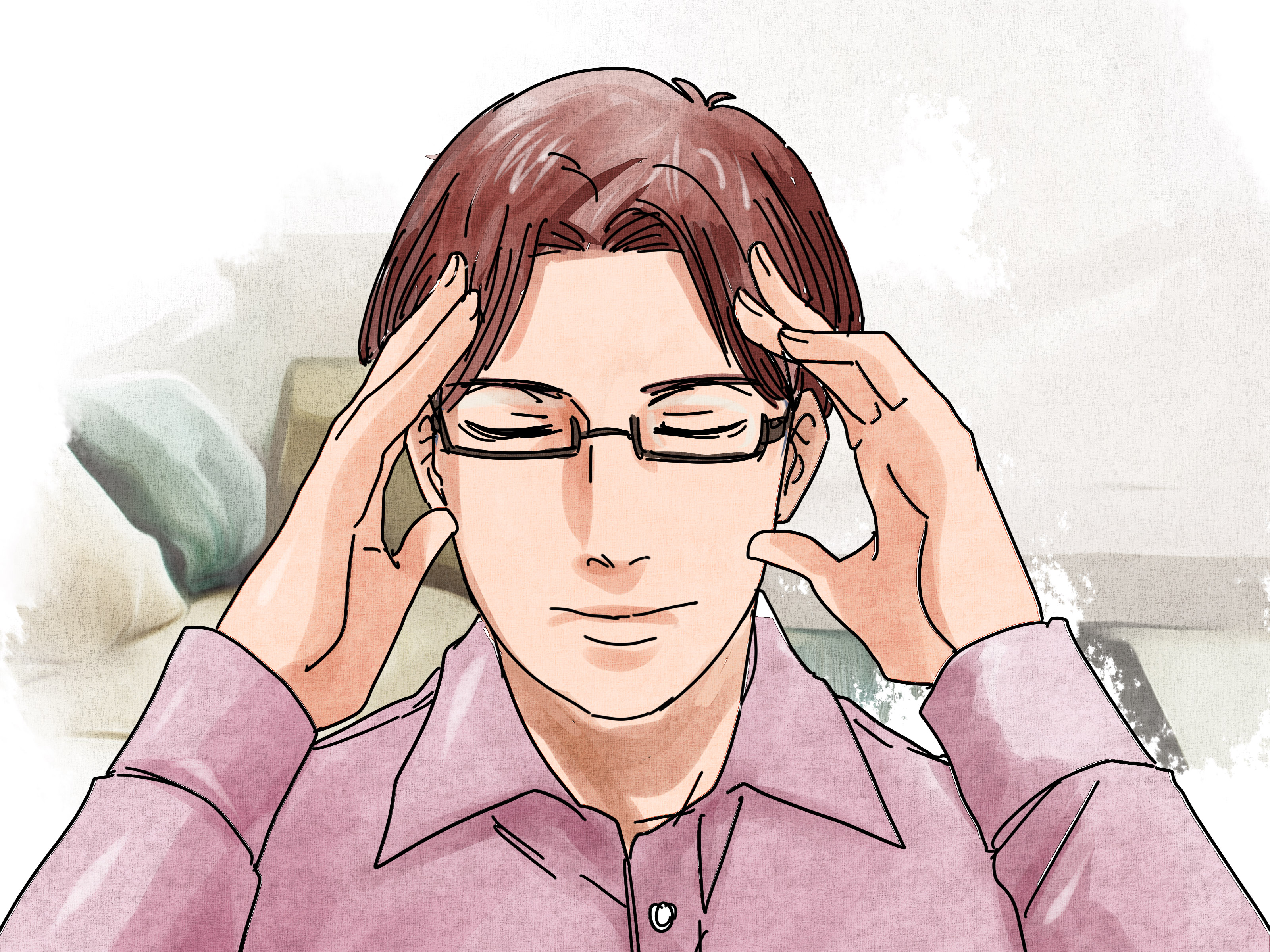
Methadone can be an enormously helpful medication. It treats opioid use disorder, reduces cravings and withdrawal symptoms, and may also be prescribed for severe pain. However, because it is a long-acting opioid, the body can become physically dependent on it. When a person suddenly stops methadone or lowers the dose too quickly, the nervous system may respond with what feels like a strongly worded complaint delivered through every muscle, sweat gland, and stomach cramp available.
Methadone withdrawal is usually not life-threatening by itself, but it can be intensely uncomfortable. Vomiting, diarrhea, dehydration, sleep loss, emotional distress, and a return to opioid use can create serious risks. After a period without methadone or other opioids, tolerance decreases, which means a previously familiar dose could cause a fatal overdose.
The safest approach is not to quit abruptly or create a tapering schedule from an online calculator. A healthcare professional or opioid treatment program should design an individualized plan based on the reason methadone is being used, the current dose, treatment duration, overall health, pregnancy status, other medications, and the person’s recovery goals.
What is methadone withdrawal?
Methadone withdrawal is a collection of physical and psychological symptoms that can occur when a physically dependent person stops taking methadone or reduces the dose faster than the body can comfortably adjust.
Physical dependence is not automatically the same as opioid use disorder. A person who takes methadone exactly as prescribed for pain may develop dependence without compulsive drug use. Likewise, someone receiving methadone for opioid use disorder may be stable, functioning well, and benefiting from long-term treatment while remaining physically dependent on the medication.
Dependence simply means the body has adapted to regular exposure. When methadone is removed, the nervous system has to recalibrate. That recalibration is not subtle. It may temporarily affect temperature control, digestion, sleep, mood, pain sensitivity, heart rate, and muscle activity.
Why methadone withdrawal may last longer than other opioid withdrawal
Methadone remains active in the body longer than short-acting opioids such as heroin or immediate-release oxycodone. As a result, withdrawal may start later and continue longer.
Symptoms often begin approximately 24 to 48 hours after the last dose, although some people do not notice significant symptoms for two or three days. Symptoms may intensify during the first week and can persist for 10 to 20 days or longer. Sleep problems, low energy, anxiety, depressed mood, and cravings may continue for several weeks or months.
The timeline varies considerably. A person’s experience may be influenced by:
- The daily methadone dose
- How long methadone has been taken
- How quickly the dose is reduced
- Individual metabolism and liver health
- Use of fentanyl, heroin, alcohol, benzodiazepines, or other substances
- Coexisting pain, anxiety, depression, or sleep disorders
- Pregnancy and other medical conditions
- The amount of social and clinical support available
Withdrawal is therefore less like an appointment that begins promptly at 9:00 a.m. and more like a cable technician’s arrival window: there is a general range, but individual timing is frustratingly unpredictable.
Methadone withdrawal symptoms
Early symptoms
Early methadone withdrawal symptoms may resemble a combination of influenza, severe restlessness, and an alarm clock that refuses to let the brain sleep. Common symptoms include:
- Anxiety, irritability, or agitation
- Yawning
- Runny nose and watery eyes
- Sweating
- Restlessness
- Difficulty falling or staying asleep
- Muscle aches and joint discomfort
- Increased sensitivity to pain
- Goosebumps
- Strong opioid cravings
Later or more intense symptoms
As withdrawal progresses, symptoms may become more disruptive. These can include:
- Abdominal cramps
- Nausea and vomiting
- Diarrhea
- Dilated pupils
- Trembling or muscle twitching
- Rapid heartbeat
- Elevated blood pressure
- Hot flashes and chills
- Loss of appetite
- Exhaustion combined with an inability to sleep
People often describe being unable to get comfortable. Sitting feels wrong, lying down feels wrong, and pacing around the room somehow also feels wrong. This restlessness can be one of the most exhausting parts of opioid withdrawal.
Emotional and cognitive symptoms
Methadone withdrawal is not limited to the digestive system and muscles. It can also affect mood and thinking. A person may experience poor concentration, irritability, anxiety, hopelessness, loss of pleasure, depressed mood, or intense cravings.
Some emotional symptoms may be part of withdrawal, while others may represent the return of a preexisting mental health condition. Either way, severe depression, suicidal thoughts, paranoia, confusion, or unusual behavior requires immediate professional attention.
A general methadone withdrawal timeline
First 24 to 48 hours
Some people feel relatively normal during the first day because methadone leaves the body slowly. Others begin noticing anxiety, yawning, sweating, watery eyes, restlessness, or mild muscle aches. This delayed beginning can create false confidence: “Maybe I skipped withdrawal entirely.” Unfortunately, the nervous system may simply be checking its calendar.
Days three through eight
Symptoms frequently become strongest during this period. Insomnia, cramps, nausea, diarrhea, chills, sweating, body aches, restlessness, and cravings may be particularly difficult. The peak does not occur on the same day for everyone, especially when a person has been taking a high dose or using methadone for a long time.
Days eight through 20 and beyond
Physical symptoms generally begin improving, although sleep disturbance, fatigue, gastrointestinal sensitivity, anxiety, and cravings may continue. Recovery is rarely a perfectly straight line. A person may feel noticeably better one day and discouraged the next without having “gone backward.”
Post-acute symptoms
Some people experience lingering symptoms after the acute phase. These may include low motivation, disrupted sleep, mood changes, difficulty concentrating, increased pain sensitivity, and intermittent cravings. The term post-acute withdrawal is often used for this experience, although symptom patterns vary and other medical or psychiatric causes should also be considered.
Is methadone withdrawal dangerous?
Unlike withdrawal from alcohol or benzodiazepines, uncomplicated opioid withdrawal is not typically fatal. That does not make it harmless.
Repeated vomiting and diarrhea can cause dehydration and electrolyte abnormalities. Sleep deprivation and severe anxiety can worsen physical and mental health conditions. Most importantly, withdrawal may lead someone to resume opioid use after tolerance has fallen. That loss of tolerance substantially increases overdose risk.
Seek urgent medical care for:
- Difficulty breathing, blue or gray lips, or extreme sleepiness
- Chest pain, fainting, or a severe irregular heartbeat
- Confusion, hallucinations, or inability to stay awake
- Persistent vomiting or diarrhea with signs of dehydration
- Severe weakness or inability to keep fluids down
- Suicidal thoughts or fear of self-harm
- Withdrawal during pregnancy
- Suspected overdose or exposure to an unknown drug
Call 911 for a suspected overdose. Administer naloxone when available and continue following emergency instructions. Naloxone may trigger sudden withdrawal, but restoring breathing takes priority over temporary discomfort.
How methadone withdrawal is treated
A gradual, individualized taper
For someone who has decided with a clinician that discontinuing methadone is appropriate, a gradual taper is generally safer and more tolerable than abrupt cessation. There is no universal tapering speed. Some people tolerate small reductions every one or two weeks, while others need longer pauses or much slower dose changes.
A taper may be adjusted when withdrawal symptoms become difficult, cravings increase, pain worsens, or life becomes unstable. Pausing a taper is not failure. Returning to a previously effective treatment dose may also be medically appropriate.
People taking methadone for opioid use disorder should discuss tapering with their opioid treatment program. Those taking it for pain should work with the prescribing clinician. Cutting tablets, changing liquid measurements, skipping random doses, or alternating dramatically different doses can produce unpredictable results.
Continuing methadone maintenance
Stopping methadone is not required to be “in recovery.” For opioid use disorder, methadone maintenance is an evidence-based treatment that can reduce withdrawal, cravings, illicit opioid use, and overdose risk. Some people benefit from it for months, while others continue treatment for years or indefinitely.
Detoxification alone does not treat the underlying opioid use disorder. A person who completes withdrawal but receives no continuing medication, counseling, recovery support, or overdose-prevention plan remains vulnerable to relapse and overdose.
Transitioning to buprenorphine
Some patients transition from methadone to buprenorphine, another medication for opioid use disorder. This change must be carefully planned. Starting traditional buprenorphine too soon after methadone can displace methadone from opioid receptors and trigger sudden, severe withdrawal known as precipitated withdrawal.
Clinicians may first reduce the methadone dose, wait for clear withdrawal symptoms, or use a specialized low-dose transition protocol. The appropriate method depends on the individual and should never be improvised at home using someone else’s medication.
Medications for individual symptoms
A clinician may use non-opioid medications to reduce specific symptoms. Depending on medical history, treatment may include:
- Lofexidine or clonidine for sweating, restlessness, rapid pulse, and other overactive nervous system symptoms
- Anti-nausea medication for vomiting or persistent nausea
- Antidiarrheal medication when appropriate
- Non-opioid pain relievers for muscle and joint aches
- Targeted sleep support selected to avoid dangerous interactions
Lofexidine and clonidine can lower blood pressure and cause dizziness or fainting, so they require appropriate guidance. Over-the-counter medications can also cause complications when taken in excessive amounts or combined with other drugs. “Available without a prescription” does not mean “available without consequences.”
Hydration, nutrition, and practical support
Fluids, electrolyte-containing drinks, small meals, clean clothing, a quiet environment, and help with daily responsibilities can make withdrawal more manageable. Gentle movement may help restlessness, but demanding exercise is rarely realistic during the peak phase.
A person should avoid using alcohol, benzodiazepines, sleeping pills, or unprescribed opioids to “take the edge off.” Combining these substances with residual methadone can suppress breathing and cause an overdose.
Counseling and recovery support
Behavioral healthcare can help people manage cravings, stress, trauma, sleep problems, and relapse triggers. Useful services may include individual counseling, contingency management, peer recovery support, family education, and treatment for depression or anxiety.
A practical safety plan should identify who to call, where naloxone is stored, how to access treatment quickly, and what to do if cravings become overwhelming. In the United States, SAMHSA’s FindTreatment.gov provides a confidential treatment locator. People in emotional crisis can call or text 988, while immediate medical danger requires 911.
What not to do during methadone withdrawal
- Do not stop a regular methadone dose suddenly without medical guidance.
- Do not borrow buprenorphine, methadone, sedatives, or anxiety medication.
- Do not use alcohol or benzodiazepines to force sleep.
- Do not assume an old opioid dose is still safe after tolerance decreases.
- Do not attempt anesthesia-assisted rapid opioid detoxification.
- Do not interpret a difficult taper as proof that recovery is impossible.
Rapid detoxification under heavy sedation or anesthesia has been associated with severe complications and death. There is no prize for completing withdrawal at maximum speed. The objective is lasting health and stability, not winning an imaginary detoxification sprint.
Special considerations
Pregnancy
Pregnant patients should not abruptly stop methadone. Withdrawal and return to uncontrolled opioid use may endanger both the pregnant person and fetus. Methadone or buprenorphine treatment is commonly recommended for opioid use disorder during pregnancy, with care coordinated among addiction, obstetric, and pediatric professionals.
Chronic pain
People taking methadone for pain may temporarily experience increased pain during dose reduction. This can reflect withdrawal-related pain sensitivity rather than permanent worsening of the original condition. A tapering plan should include non-opioid medications, physical therapy, sleep care, pacing strategies, and treatment of the underlying pain condition.
Other substances
Alcohol, benzodiazepines, fentanyl, xylazine, sedatives, and stimulants can complicate the clinical picture. Symptoms may not be caused by methadone withdrawal alone. Anyone who has used multiple substances should tell the healthcare team as accurately as possible. This is medical information, not a courtroom confession.
Experiences related to methadone withdrawal
The following scenarios are composites created for education. They illustrate common experiences and are not quotations from specific patients.
The delayed beginning
One person misses a methadone dose and feels surprisingly functional that day. They go to work, eat dinner, and conclude that the warnings about withdrawal were exaggerated. During the following night, however, sleep becomes difficult. By the second morning, they are yawning repeatedly, sweating through a clean shirt, and feeling an internal restlessness that coffee definitely does not improve.
The delayed onset can be confusing. Short-acting opioid withdrawal often begins quickly, whereas methadone’s long duration means symptoms may arrive later. The lesson is not that the first day proves everything is fine. It is that methadone follows its own timetable and does not consult anyone’s weekend plans.
The taper that moved too quickly
Another person starts a taper with strong motivation. The first reductions feel manageable, so they request larger decreases. Several weeks later, sleep falls apart, anxiety rises, and ordinary aches feel strangely magnified. They begin thinking about opioids throughout the day, even though cravings had previously been controlled.
After speaking honestly with the treatment team, the taper is paused. The dose is stabilized, sleep gradually improves, and counseling is added to address stress at home. Months later, the taper resumes using smaller reductions.
This experience highlights an important point: the fastest taper is not necessarily the most successful taper. Symptoms are useful clinical information. Adjusting the plan is a sign of responsive treatment, not weak character.
The person who decides not to discontinue
A patient may begin tapering because relatives repeatedly ask when they will be “completely drug-free.” As the dose drops, cravings return and daily functioning deteriorates. After reviewing the risks and benefits with a clinician, the patient chooses to remain on methadone maintenance.
Within several weeks, the cravings settle, attendance at work improves, and family relationships become more predictable. The medication does not make life magically perfect; there are still bills, traffic, and mysteriously disappearing socks. It does, however, provide enough stability for recovery work to continue.
Long-term methadone treatment is not replacing one moral failure with another. It is medical treatment for a chronic, potentially fatal condition.
The first good night of sleep
For someone completing a medically supervised taper, progress may arrive in small moments. The first full meal stays down. A short walk no longer feels like crossing a desert. Then, after many fragmented nights, the person sleeps for five uninterrupted hours.
Five hours may not sound heroic under normal circumstances. During withdrawal, it can feel like receiving a standing ovation from the nervous system.
Recovery often develops through these modest improvements rather than one dramatic turning point. Energy returns gradually. Digestion becomes predictable. Concentration improves. Cravings become less constant. Difficult days may still appear, but they no longer occupy the entire horizon.
The return-to-use scare
A particularly dangerous experience occurs when someone completes withdrawal, returns to an opioid dose they previously tolerated, and unexpectedly overdoses. The person may not realize how quickly tolerance has fallen.
This is why naloxone, overdose education, continuing treatment, and honest relapse planning matter even when someone is determined never to use opioids again. Motivation is valuable, but it cannot reverse respiratory depression. Safety planning is not pessimism; it is the recovery equivalent of keeping a fire extinguisher in the kitchen.
Frequently asked questions
Can methadone withdrawal be managed at home?
Some medically stable people complete a slow outpatient taper while living at home, but the plan should still be supervised. Inpatient or residential care may be appropriate when there is severe medical illness, pregnancy, unstable housing, repeated overdose, serious psychiatric symptoms, polysubstance use, or an unsafe home environment.
How long does methadone withdrawal last?
Acute symptoms commonly last around 10 to 20 days, but the duration can be shorter or considerably longer. Sleep disturbance, low mood, fatigue, and cravings may persist after the main physical symptoms improve.
Is it better to switch from methadone to buprenorphine?
Neither medication is universally better. The best choice depends on treatment history, dose requirements, access, pregnancy, medical conditions, personal preference, and the risk of destabilization. Any transition should be planned by a clinician experienced in opioid use disorder treatment.
Can supplements eliminate withdrawal?
No supplement has been proven to safely eliminate methadone withdrawal. Some products marketed for “detox” contain undisclosed ingredients or interact with medications. Kratom is also not an FDA-approved opioid withdrawal treatment and can cause dependence, withdrawal, contamination, and other health problems.
Does needing a slower taper mean someone is addicted?
No. Difficulty tolerating a dose reduction demonstrates physical dependence, not necessarily opioid use disorder. Addiction involves a broader pattern that may include loss of control, compulsive use, risky behavior, and continued use despite harm.
Conclusion
Methadone withdrawal can cause prolonged physical discomfort, insomnia, digestive problems, anxiety, depressed mood, and powerful cravings. Because methadone is long-acting, symptoms may begin later than expected and continue longer than withdrawal from many shorter-acting opioids.
The most effective response is preparation rather than endurance theater. A clinician-guided taper, continued methadone maintenance, a carefully managed transition to another medication, symptom treatment, counseling, hydration, naloxone access, and reliable social support can all improve safety.
Most importantly, nobody should feel pressured to discontinue an effective methadone treatment merely to satisfy someone else’s definition of recovery. The right plan is the one that reduces harm, protects life, supports meaningful goals, and remains flexible enough to change when the person’s needs change.
Research note: This educational article synthesizes guidance and patient information from SAMHSA, NIDA, CDC, FDA, MedlinePlus, the American Society of Addiction Medicine, Mayo Clinic, Cleveland Clinic, Johns Hopkins Medicine, the U.S. Department of Veterans Affairs, NCBI Bookshelf, and FindTreatment.gov.