Note: This article is written as original, publication-ready SEO content based on verified design history, museum records, antique-market references, and furniture-care guidance.
The Thonet Model 10 Bentwood Rocking Chair is the kind of chair that looks as if it was drawn with one confident swoop of a calligraphy pen. It curves, curls, rocks, and somehow manages to look both Victorian and modern at the same time. In other words, it is furniture with excellent posture and a flair for drama.
More than a comfortable place to sit, the Thonet Model 10 is a small masterpiece of industrial design. It belongs to the larger story of Michael Thonet, the German-Austrian cabinetmaker who helped transform furniture from slow, hand-carved luxury into elegant, repeatable, mass-produced design. His revolutionary use of steam-bent beechwood changed the way chairs were made, shipped, sold, and loved.
For collectors, decorators, and anyone who has ever looked at a curvy antique rocker and thought, “That chair knows things,” the Model 10 offers history, beauty, practicality, and just enough mystery to keep the antique hunt interesting.
What Is the Thonet Model 10 Bentwood Rocking Chair?
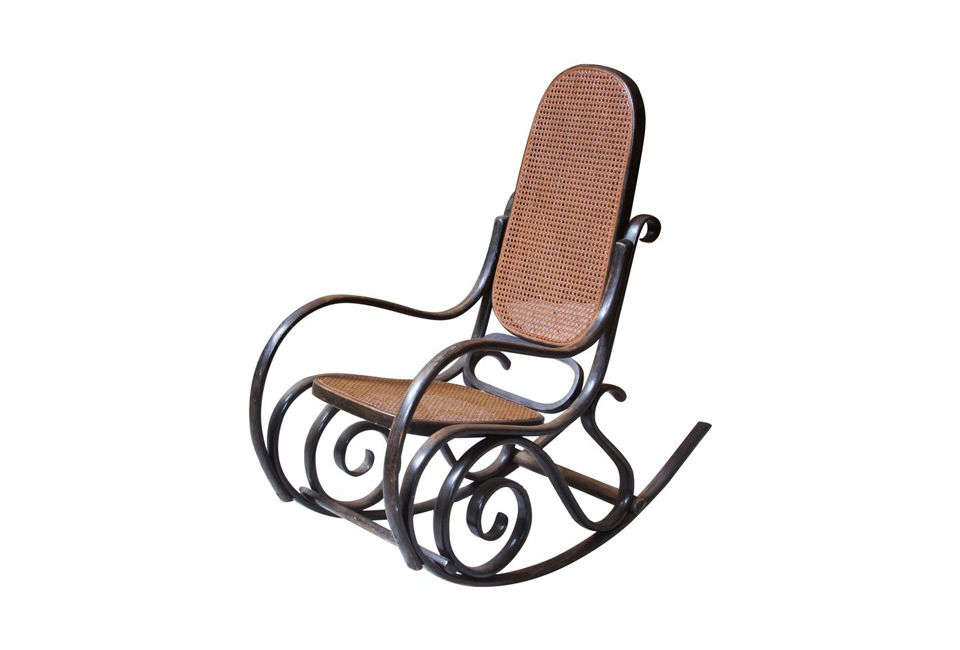
The Thonet Model 10 is a classic bentwood rocking chair known for its looping frame, cane seat and back, lightweight construction, and sculptural rocker base. Instead of using heavy carved wood, the chair relies on long pieces of beechwood that are softened with steam and bent into graceful curves. The result is strong, flexible, airy, and visually unforgettable.
Unlike a bulky upholstered rocker that announces itself like a small sofa on skis, the Model 10 has an open structure. Its arms and runners flow together in sweeping lines. The back often rises tall and elegant, while the caned surfaces keep the chair breathable and light. This is why antique Thonet rocking chairs still work beautifully in living rooms, bedrooms, studios, sunrooms, libraries, and stylish corners where people pretend they are going to read but end up scrolling on their phones.
A Brief History of Michael Thonet and Bentwood Design
Michael Thonet began experimenting with bentwood furniture in the 19th century. His great breakthrough was learning how to bend solid beechwood with steam and metal forms, creating curves that were difficult, expensive, or nearly impossible to produce through traditional carving. This process made furniture lighter, more affordable, and easier to manufacture consistently.
Thonet’s company, Gebrüder Thonet, became famous for chair designs that could be produced in parts and shipped efficiently. The best-known example is the No. 14 café chair, but the same logic of elegant economy shaped many other pieces, including bentwood armchairs, rockers, cradles, coat stands, tables, and reclining chairs.
The rocking chair was especially suited to bentwood construction. The long, continuous-looking curves allowed the runner, arm, and support structure to become part of one visual rhythm. That is what gives the Thonet Model 10 its “how did they bend wood like that?” magic.
Why the Model 10 Still Feels Modern
The Thonet Model 10 may come from the antique world, but it does not feel trapped there. Its appeal comes from three design qualities that never really expire: movement, lightness, and honesty of material.
1. The Curves Are Structural, Not Decorative Fluff
The scrolls and loops are not just furniture jewelry. They support the chair, distribute weight, and create a smooth rocking motion. The design looks ornamental, but it is also practical. That balance is the reason the chair avoids becoming fussy. It has curls, yes, but they are working curls.
2. Cane Keeps the Chair Visually Light
Traditional cane seats and backs are a major part of the Model 10’s charm. Cane allows air and light to pass through, which makes the chair feel less bulky than a solid wooden or upholstered rocker. In warm climates, cane is also more comfortable than heavy fabric. Your back gets a breeze; your living room gets a design upgrade. Everybody wins.
3. Beechwood Was the Perfect Material
Beechwood was widely used in bentwood furniture because it bends well under steam, holds curves reliably, and offers strength without excessive weight. In the Model 10, beechwood provides the graceful frame and the practical durability that made Thonet furniture successful around the world.
Key Design Features of the Thonet Model 10
Although antique and vintage examples vary by period, factory, finish, and restoration history, most Thonet Model 10 rocking chairs share several recognizable features.
Sweeping Bentwood Arms
The arms usually curve forward and downward, connecting visually with the rocker base. This gives the chair its signature sense of motion even when nobody is sitting in it. It is the furniture equivalent of a dancer pausing mid-step.
Curled Rocker Base
The base often includes elaborate loops or circular scrolls, especially in examples with a more decorative Art Nouveau feeling. These curved elements are part of what collectors look for when identifying a Model 10 or a Model 10-style rocker.
Caned Seat and Back
The woven cane seat and back are central to the chair’s look and comfort. Original cane in excellent condition is desirable, but many antique chairs have been re-caned over time. A well-done re-caning job can make the chair usable again while respecting its historic character.
Lightweight Frame
One of the joys of a bentwood rocker is that it is easier to move than many traditional rocking chairs. The frame looks delicate, but the engineering is clever. It is light without being flimsy, assuming the joints, cane, and wood are in good condition.
How to Identify an Authentic Thonet Model 10 Rocking Chair
Authenticating a Thonet rocking chair can be tricky because bentwood designs were widely copied. After Thonet’s patents expired, competitors and licensed producers made similar pieces across Europe and beyond. That does not mean every “Thonet-style” rocker is bad. Some are beautiful. But if you are paying Thonet money, you want Thonet evidence.
Look for Stamps, Labels, or Marks
Original Thonet furniture may have paper labels, embossed marks, ink stamps, impressed numbers, or factory markings. These are often found under the seat, on the seat frame, or beneath structural parts. Labels can wear away, so absence of a label does not automatically mean a chair is fake. Still, a clear old mark is always a strong clue.
Check the Construction
Study the bends. Authentic or high-quality bentwood furniture usually has smooth, even curves, clean joints, and balanced proportions. Rough bends, awkward angles, clumsy repairs, or stapled shortcuts may suggest a later imitation or poor restoration.
Compare Dimensions and Shape
Model 10 examples often appear around 37 to 41 inches tall, with a narrow but comfortable width and a long rocker depth. However, exact dimensions vary. Compare the chair to museum examples, reputable dealer listings, catalog references, and documented auction pieces.
Inspect the Cane
Original cane may show age, darkening, or slight irregularities. Fresh cane is not necessarily a problem, especially if the chair has been restored for use. What matters is whether the caning method looks appropriate and whether it was installed neatly without damaging the frame.
Antique, Vintage, or Reproduction: What Buyers Should Know
The phrase “Thonet Model 10 Bentwood Rocking Chair” may refer to different things in the marketplace. Some listings describe late 19th-century antique examples. Others refer to early 20th-century production, mid-century Polish or Czech examples, or later reproductions inspired by the original design.
For buyers, the most important rule is simple: buy the chair, not the fantasy. A seller may call a rocker “Thonet,” “attributed to Thonet,” “Thonet style,” or “after Thonet.” These phrases are not interchangeable. “Attributed to” means there is a reason to believe it may be Thonet, but proof may be incomplete. “Style” usually means it looks like Thonet but is not confirmed as Thonet. “After” means inspired by the design. Translation: read carefully before your wallet starts doing gymnastics.
How Much Is a Thonet Model 10 Rocking Chair Worth?
Prices vary widely depending on age, authenticity, condition, provenance, finish, caning, and market demand. A confirmed antique Thonet rocker with original marks and strong condition may command a higher price than an unmarked Thonet-style chair. Dealer prices can also be much higher than local auction or estate-sale prices because dealers often handle restoration, photography, shipping logistics, and buyer confidence.
As a broad practical range, vintage and antique bentwood rockers may appear from a few hundred dollars to well over a thousand dollars. Exceptional examples, rare finishes, documented provenance, or designer-adjacent histories can push values higher. Damaged cane, broken bends, loose joints, missing labels, or heavy refinishing can reduce value.
Styling the Thonet Model 10 at Home
The Model 10 is surprisingly flexible in modern interiors. It can soften a minimalist room, add authenticity to a vintage space, or bring a sculptural accent to a bohemian corner. Because the chair is visually open, it does not overpower a room the way a heavy recliner might. No offense to recliners; they know what they did.
In a Living Room
Place the rocker near a window, beside a floor lamp, or opposite a sofa. Pair it with a small side table and a textured cushion. The cushion protects the cane and gives the chair a more relaxed, lived-in feel.
In a Bedroom
A Model 10 rocker works beautifully as a quiet reading chair or decorative accent. It brings warmth without making the room feel crowded. A black or ebonized version can look dramatic against pale walls, while a honey-toned wood finish adds softness.
In a Studio or Office
Creative spaces love bentwood furniture. The curves add personality, while the history adds depth. If your office is mostly laptop, cables, and mild existential dread, a Thonet rocker can make it feel more intentional.
Care and Maintenance Tips
A Thonet Model 10 can last for generations if treated kindly. The key is to remember that bentwood and cane are natural materials. They dislike extremes, rough handling, and being used as a ladder by someone who says, “It’ll be fine.” It will not be fine.
Keep It Away From Direct Sunlight
Strong sunlight can fade finishes, dry out cane, and stress old wood. Place the chair where it gets indirect light, or use curtains and shades to reduce exposure.
Control Humidity
Cane can become brittle in very dry air and vulnerable to mold in overly damp conditions. A stable indoor environment is best. Avoid placing the chair directly next to radiators, heating vents, air conditioners, or damp exterior walls.
Use a Cushion
A thin cushion helps distribute weight across the cane seat. This is especially useful if the chair is used daily. It also reduces pressure on older caning and makes the chair more comfortable for long sits.
Dust Gently
Use a soft cloth or soft brush to remove dust from the frame and cane. Avoid soaking the cane or scrubbing aggressively. Antique furniture rewards patience; it does not appreciate spa treatments involving buckets.
Repair Thoughtfully
If the frame is loose, cracked, or badly repaired, consult a professional furniture restorer. Bentwood repairs require care because aggressive sanding, glue overload, or poorly matched replacement parts can hurt both appearance and value.
Why Collectors Love the Thonet Model 10
Collectors are drawn to the Model 10 because it combines beauty with historical importance. It represents a moment when furniture design became lighter, smarter, and more industrial without losing elegance. The chair is functional, but it also tells a story about technology, global trade, domestic comfort, and the rise of modern design.
It is also simply fun to look at. The loops and curves create movement from every angle. From the side, the rocker can appear almost like a line drawing. From the front, it feels formal and composed. From the seat, it feels like an invitation to slow down.
Common Mistakes to Avoid When Buying
Ignoring Structural Problems
A beautiful chair with cracked rockers or unstable joints may become an expensive sculpture. Check whether the chair rocks smoothly and sits evenly on the floor. Listen for creaks that sound structural rather than charming.
Overpaying for “Style” Pieces
A Thonet-style rocker can still be attractive, but it should not be priced like a documented Thonet unless evidence supports the claim. Ask for photos of marks, labels, underside construction, joints, cane details, and any provenance.
Assuming All Recaning Lowers Value
Original cane is wonderful, but broken original cane is not very useful. A careful, traditional re-caning can preserve the chair’s function and appearance. Poor re-caning, however, can be distracting and damaging.
Refinishing Too Aggressively
Patina is part of antique furniture’s appeal. Stripping, sanding, and applying a shiny new finish can erase age, character, and sometimes value. Clean and stabilize before you decide to transform.
Experience Section: Living With a Thonet Model 10 Bentwood Rocking Chair
Owning or using a Thonet Model 10 Bentwood Rocking Chair is a different experience from simply admiring one in a photo. In pictures, the chair looks elegant and architectural. In person, it feels surprisingly human. The first thing most people notice is the lightness. You expect a rocking chair to have some heft, but a bentwood rocker can be moved with ease. That makes it practical in real homes, especially apartments or flexible living spaces where furniture gets shifted around for guests, cleaning, or the occasional “I need this corner to become a reading nook immediately” mood.
The rocking motion is gentle rather than dramatic. A good Model 10 does not throw you backward like a carnival ride operated by your mischievous cousin. Instead, it offers a smooth, controlled rhythm. The long curved runners create a relaxed movement that feels perfect for reading, talking, nursing a cup of coffee, or staring into space while pretending to make important life decisions.
The cane seat changes the sitting experience. It has a little give, which can feel comfortable, but older cane deserves respect. If the caning is original or fragile, a cushion is not just decorative; it is practical insurance. A flat cushion spreads body weight and helps protect the woven surface. Many owners find that a thin linen, cotton, or leather cushion suits the chair better than a thick pillow, because oversized padding can hide the delicate frame. The goal is comfort, not turning a design icon into a marshmallow.
In everyday interiors, the Model 10 has a wonderful ability to start conversations. Guests often ask whether it is antique, whether it is comfortable, or whether they are allowed to sit in it. The best answer is usually, “Yes, gently.” The chair carries enough visual presence to anchor a corner but remains open enough to blend with other styles. It can sit near mid-century furniture, rustic wood pieces, modern sofas, or vintage rugs without looking confused.
One of the most rewarding experiences is noticing how the chair changes throughout the day. Morning light catches the cane pattern. Afternoon shadows trace the loops of the rocker base on the floor. At night, under a warm lamp, the bentwood curves look almost theatrical. Few chairs provide that much visual pleasure while still being useful.
Buying one also teaches patience. The best examples are not always the shiniest. A chair with honest wear, stable joints, intact curves, and sympathetic repairs may be more appealing than one that has been over-restored into glossy perfection. Look underneath. Ask questions. Check the rock. Study the cane. A Thonet Model 10 rewards careful attention, and that is part of the fun.
In the end, living with this chair feels like sharing space with a practical piece of design history. It is not merely “old furniture.” It is a reminder that smart engineering can be beautiful, that comfort does not require bulk, and that a well-made chair can outlast trends, moves, redecorations, and possibly several questionable paint-color phases.
Conclusion
The Thonet Model 10 Bentwood Rocking Chair remains one of the most charming expressions of bentwood furniture design. Its steam-bent beech frame, caned seat and back, graceful rocker base, and unmistakable curving silhouette make it a favorite among collectors, decorators, and design lovers. It is historic without feeling dusty, decorative without being silly, and practical without being boring.
Whether you are hunting for an authentic antique Thonet, considering a vintage Thonet-style rocker, or simply learning why these chairs still matter, the Model 10 is worth understanding. It proves that great design does not need to shout. Sometimes it just rocks quietly in the corner, looking fabulous.