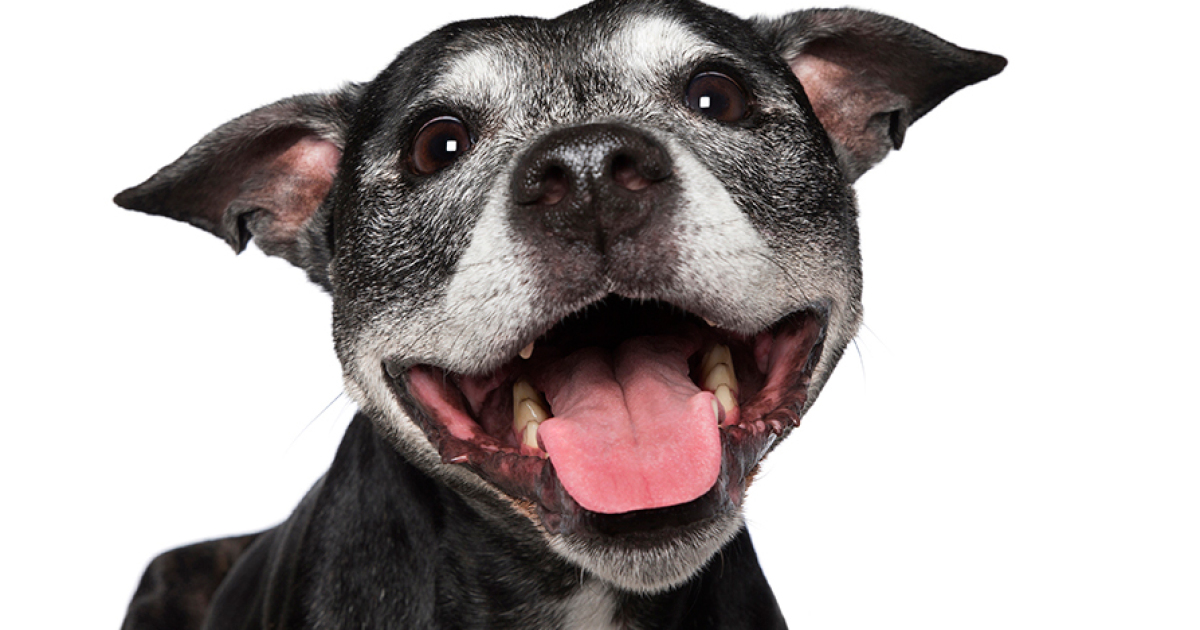
Some people collect stamps. Some people collect vintage spoons. And then there are the glorious, fur-covered souls who collect dog smiles like emotional support confetti. Animal photographer Alex Cearns belongs proudly in that last group. Based in Perth, Australia, Cearns became widely loved online for her cheerful photo series Happy Pooch Face, a collection of dogs wearing the kind of open-mouthed, tail-powered grins that can make even a Monday inbox look slightly less criminal.
The idea is simple: photograph happy dogs, share the joy, repeat until humanity improves by at least 14 percent. But behind those funny dog portraits is a deeper story about pet photography, animal rescue, canine body language, and the very real emotional connection humans feel when they look into the face of a delighted dog. The “crazy dog lady” label is worn here not as an insult, but as a badge of honor, preferably embroidered on a hoodie already covered in pet hair.
Who Is the Crazy Dog Lady Behind the Smiling Dogs?
Alex Cearns is an award-winning professional animal photographer and the creative force behind Houndstooth Studio. Her work focuses on pets, wildlife, rescue animals, and conservation projects. Over the years, she has photographed thousands of animals and earned hundreds of awards for photography, business, and philanthropy. Her images are known for being clean, expressive, and emotionally direct. No clutter, no drama, no “moody tortured artist” lighting unless the dog specifically requested it in writing.
Cearns has said that dogs represent love and light to her, and that message is easy to see in Happy Pooch Face. The series captures dogs at their most joyfully ridiculous: tongues out, eyes soft, mouths wide, ears flopping as if gravity has temporarily resigned. It is not just cute content. It is a reminder that happiness can be wonderfully uncomplicated. A dog does not need a five-year plan to be thrilled. Sometimes a treat, a toy, and a friendly human behind the camera are enough.
Why Smiling Dog Photos Make People Smile
Humans are wired to respond to faces. We read expressions constantly, often before we even realize we are doing it. That is why a dog portrait with bright eyes and a relaxed open mouth can feel instantly uplifting. We see friendliness. We see trust. We see a creature that appears to be saying, “Hello, I have no idea what taxes are, and frankly, you should try my lifestyle.”
Research into the human-animal bond supports what dog lovers already know in their bones: pets can reduce stress, ease loneliness, encourage social interaction, and add structure and joy to daily life. A good dog photograph borrows from that emotional bond. Even when the dog in the picture is not your dog, the image can trigger the same warm response: affection, amusement, and the urge to speak in a voice you would deny using in court.
The Science of the Canine “Smile”
Of course, dogs do not smile in exactly the same way humans do. A relaxed open mouth, soft eyes, loose body posture, and easy panting can suggest comfort or playfulness. But teeth alone do not automatically mean “happy.” Canine body language experts emphasize context: ears, eyes, tail position, muscle tension, environment, and behavior all matter. Some dogs show a submissive grin, some pant because they are excited, and some may show teeth because they are uncomfortable. Translation: dogs are adorable, but they are not emojis.
This is one reason Cearns’ approach matters. Great pet photography is not about forcing an animal into a cute pose. It is about creating the conditions where the animal feels safe enough to reveal personality naturally. A real dog smile is less “say cheese” and more “I trust this situation, and also someone may have chicken.”
The Art of Photographing Happy Dogs
Pet photography looks effortless when it is done well. The final image says, “Look at this perfect angel.” The behind-the-scenes reality often says, “We have used three squeaky toys, two treats, one assistant, and a sound no adult human should have to make in public.”
Professional dog photography depends on patience, timing, and respect. Dogs move quickly, react honestly, and rarely care about your artistic vision. They care about smells, snacks, and whether the camera strap might be a snake. A strong pet photographer adapts to the dog instead of demanding that the dog adapt to the shot.
Comfort Comes First
The best smiling dog photos begin before the shutter clicks. A photographer needs to make friends with the dog, observe its comfort level, and avoid overwhelming it. Treats and toys help, but so does body language. Moving slowly, staying calm, avoiding pressure, and allowing breaks can make a huge difference. When a dog is relaxed, the photograph gains something that editing software cannot fake: authenticity.
Expression Beats Perfection
A technically perfect photo with no personality is like a dog bowl with no dinner: disappointing and slightly offensive. The charm of Cearns’ work comes from capturing tiny flashes of character. A lopsided grin. A tongue hanging out like a pink party streamer. A squint that says, “I am the mayor of this studio now.” These details are what make dog portraits memorable.
Simple Backgrounds Let the Dog Shine
Many strong pet portraits use clean backgrounds because they keep attention on the animal’s face. This is especially useful for expressive dog photography. When the background is simple, viewers focus on the eyes, mouth, ears, and posture. The dog becomes the whole story, which is exactly how most dogs assume life should work anyway.
Why Dog Photography Matters for Rescue Animals
Smiling dog photography is not only a mood booster; it can also be life-changing for rescue animals. High-quality adoption photos help potential adopters see a dog as an individual, not just another listing. A blurry kennel photo may show that a dog exists. A thoughtful portrait can show that the dog is goofy, gentle, curious, soulful, or ready to become someone’s professional couch supervisor.
Animal welfare organizations often stress the importance of good images for adoptable pets. A clear, positive photo can help a dog stand out online, especially when shelters are crowded and adopters scroll quickly. The right image can stop the scroll, spark interest, and invite someone to learn more. In some cases, a photograph becomes the first step toward a forever home.
Cearns has long connected her photography with animal advocacy. Her work has supported rescue groups, shelters, sanctuaries, and conservation organizations. That gives her smiling dog portraits another layer of meaning. They are joyful, yes, but they also remind people that animals are worth protecting, adopting, and celebrating.
The Emotional Power of “Happy Pooch Face”
The magic of Happy Pooch Face is that it does not try too hard. It does not lecture. It does not ask viewers to decode a complicated artistic statement involving fog machines and existential dread. It simply presents dogs being radiant little weirdos. And sometimes that is exactly what people need.
In a digital world crowded with bad news, arguments, and suspiciously perfect lifestyle photos, a smiling dog is refreshingly honest. Dogs do not pretend to be chill when they are excited. They do not hide their joy because it might look uncool. They go all in. Tongue out. Eyes shining. Whole body participating. Humans could learn a thing or two from that level of commitment.
What Makes a Dog Photo Go Viral?
Viral animal photography usually has three ingredients: emotion, clarity, and instant relatability. A smiling dog portrait checks all three boxes. It communicates quickly, even on a tiny phone screen. It feels positive without requiring context. And it gives viewers something easy to share with friends, family, coworkers, or that one person who only replies with dog GIFs.
Cearns’ images also work because they treat dogs with dignity. The photos are funny, but the dogs are not mocked. Their expressions are celebrated. Their individuality is front and center. That balance is important. The best animal photography makes people laugh with affection, not at the expense of the animal.
Personality Is the Real Hook
Every dog has a different kind of happiness. A Labrador may beam like it just won a lifetime supply of tennis balls. A terrier may grin with chaotic confidence, as if it has already eaten one shoe and has no regrets. A senior rescue dog may offer a softer expression, full of calm trust. A great photographer sees those differences and lets them lead the image.
Lessons Dog Lovers Can Learn From Smiling Dog Photography
The first lesson is simple: joy is contagious. When we see a happy dog, we often soften. Our shoulders drop. Our mood shifts. We remember that delight does not need to be complicated. It can arrive on four paws, covered in fur, possibly tracking mud across the floor.
The second lesson is that patience creates better connections. Whether photographing a dog, training one, or simply living with one, rushing rarely helps. Dogs respond best when they feel secure and understood. That applies in a studio, at a shelter, in a park, or in a living room where someone is trying to take “just one nice photo” and the dog has chosen interpretive dance.
The third lesson is that every dog has a story worth seeing. Rescue dogs, senior dogs, disabled dogs, shy dogs, goofy puppies, and dignified old couch potatoes all deserve to be represented with warmth. A camera can reveal beauty that hurried eyes might miss.
How to Take Better Smiling Dog Photos at Home
You do not need a professional studio to capture your dog’s happy face. Start with good natural light, preferably soft light near a window or outdoors in open shade. Get down to your dog’s eye level instead of photographing from above. Use treats, toys, or funny sounds to get attention, but do not push too hard. If your dog looks stressed, take a break. The goal is a joyful portrait, not a tiny hostage negotiation.
Keep the background simple. Focus on the eyes. Take more photos than you think you need, because dogs blink, lick, wiggle, sneeze, and occasionally become a blur with opinions. Most importantly, let your dog be your dog. The photo that captures personality will always beat the photo that captures obedience but no spark.
Experiences Related to Smiling Dog Photography
Anyone who has tried to photograph a happy dog knows the experience is equal parts art, comedy, and cardio. The moment usually begins with optimism. You imagine a perfect portrait: your dog sitting calmly, sunlight glowing around their fur, eyes bright, expression angelic. Then reality enters wearing a collar. Your dog turns away at the exact second you press the button. A squirrel files an unauthorized appearance request. The treat in your hand becomes the only thing in the universe. Suddenly your “quick photo” has become a full production with snacks, negotiations, and at least one human making duck noises.
But that is also the charm. Smiling dog photography teaches you to enjoy imperfection. Some of the best images happen when the plan falls apart. A dog shakes its ears and becomes a furry tornado. A puppy trips over its own enthusiasm. A senior dog gives one slow, wise grin that feels like a blessing from a tiny philosopher. These unscripted moments are often more meaningful than the polished pose you originally wanted.
Photographing dogs also changes how you pay attention. You begin to notice small signals: the softening of the eyes, the looseness of the mouth, the tail wag that travels through the whole body. You learn that a dog’s comfort matters more than the shot. If the animal is relaxed, the image breathes. If the dog is pressured, the photo may look stiff no matter how good the camera is. The experience becomes less about control and more about trust.
For rescue volunteers, this can be especially powerful. Taking a good photo of a shelter dog is not just a creative task; it can feel like translating. The dog cannot write a profile saying, “I enjoy belly rubs, soft blankets, and judging your sandwich choices.” A photograph has to speak first. When a nervous dog finally relaxes, looks into the lens, and gives a little open-mouthed grin, the image can help strangers see a future companion instead of a forgotten animal in a crowded system.
Even casual dog owners experience this magic. A smiling dog photo becomes more than a social media post. It becomes proof of a shared afternoon, a silly routine, a bond built from walks, snacks, naps, and mutual emotional dependency. Years later, that image may bring back the sound of paws on the floor, the smell of sun-warmed fur, and the ridiculous joy of being loved by an animal who believed you were the most important person in the roomespecially when holding cheese.
That is why projects like Happy Pooch Face resonate. They capture something dog people understand immediately: dogs make life brighter not because they are perfect, but because they are fully present. They smile with their whole faces, forgive quickly, celebrate small things, and remind humans to loosen up. In a world that often asks people to be serious, polished, and endlessly productive, a smiling dog portrait says, “Take a breath. Be happy for no reason. Also, throw the ball.”
Conclusion: A Smile With Four Paws
Crazy Dog Lady Photographs Smiling Dogs To Make People Smile Too is more than a cute headline. It is a tribute to the emotional power of dogs, the art of patient pet photography, and the joy that happens when humans take animals seriously enough to celebrate their silliness. Alex Cearns’ smiling dog portraits remind us that happiness can be generous. One dog’s grin can brighten a stranger’s day, support animal rescue, inspire better pet photography, and make the internet feel briefly like a much nicer dog park.
So yes, call it crazy dog lady energy if you want. But in a world that could use more kindness, more rescue advocacy, and more reasons to smile, photographing happy dogs seems like a perfectly sane idea.
Note: This article is written as original web-ready content based on real publicly available information about Alex Cearns, pet photography, canine body language, animal rescue photography, and the human-animal bond.