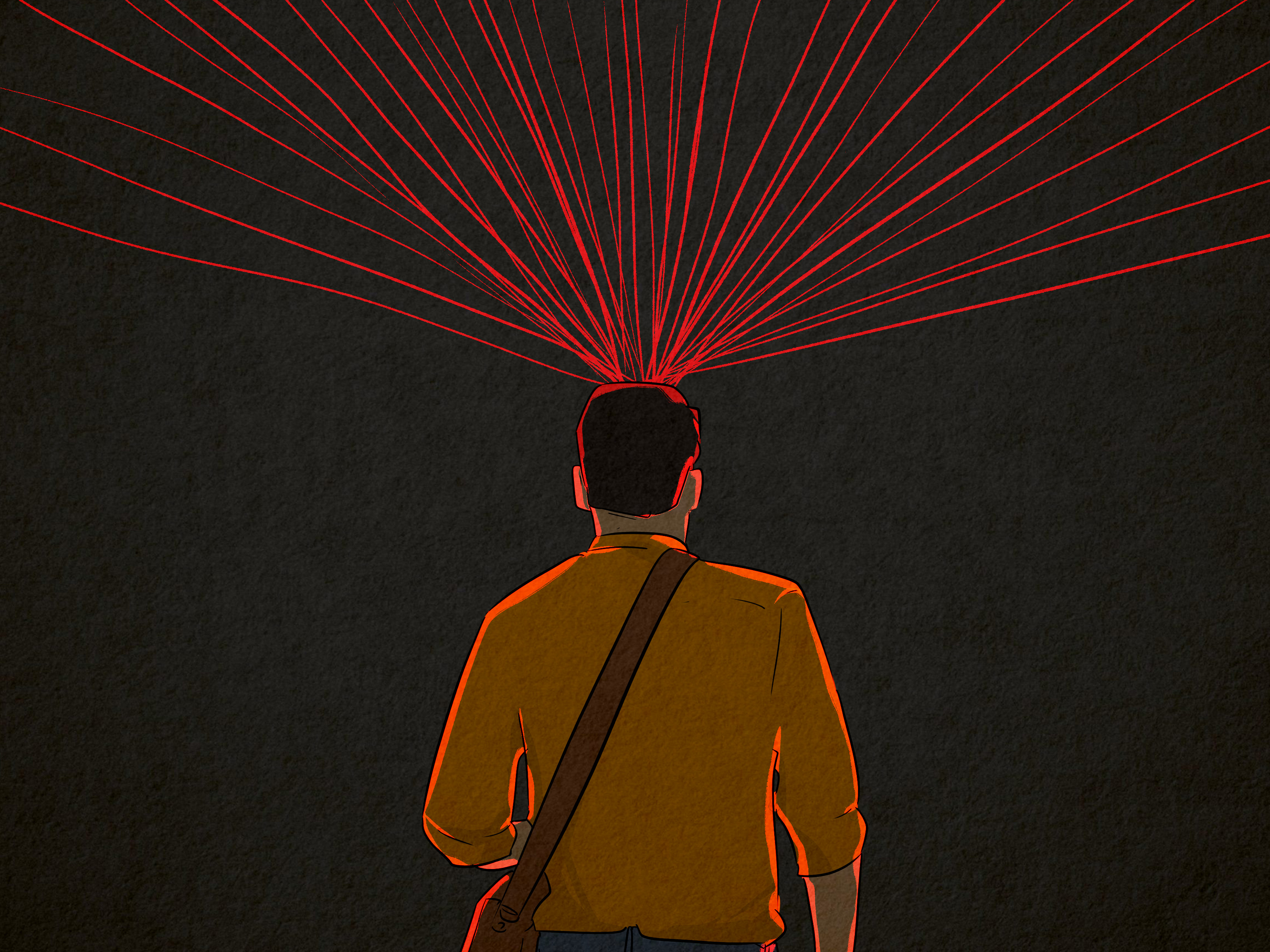
If you have opened TikTok, Instagram, X, Facebook, or basically any app where people creatively avoid doing laundry, you may have seen photos with mysterious red lines shooting out from people’s heads. Sometimes the lines connect celebrities. Sometimes they connect fictional characters. Sometimes they connect a person to coffee, ramen, K-pop idols, anxiety, or their online shopping cart. Naturally, the internet saw glowing red strings and said, “Yes, this is now a personality test.”
The viral S-Line trend is one of those social media moments that looks confusing for about seven seconds, then becomes oddly easy to understand. The short version: the red lines are inspired by the Korean drama S Line, where mysterious “S-Lines” reveal intimate connections between people. Online, users adapted the idea into a meme format, using red lines to show relationships, crushes, obsessions, secrets, emotional attachments, and anything else that can be turned into a joke before lunchtime.
But there is more going on than “red lines look cool.” The trend blends K-drama storytelling, meme culture, digital editing, celebrity fandom, privacy anxiety, and the internet’s favorite hobby: dramatically exposing people who did not ask to be exposed. Let’s untangle every glowing thread.
What Is the S-Line Trend?
The S-Line trend is a viral visual meme where creators draw or edit red lines above people’s heads, usually connecting them to other people, objects, fandoms, foods, hobbies, or guilty pleasures. The lines are typically thin, bright red, and slightly chaotic, making the image look like someone’s private life has been mapped by a very judgmental laser pointer.
In its original context, the “S-Line” refers to red lines that represent intimate or sexual connections between people. On social media, however, the meaning has expanded. The red lines can now symbolize almost any hidden attachment: who someone secretly likes, what they cannot stop thinking about, what they are emotionally connected to, or what they are hilariously “in a relationship” with.
The Basic Meaning of the Red Lines
At its core, the S-Line trend means: these red lines reveal connections that are usually invisible. That is why the meme works so well. Everyone has invisible connections: crushes, memories, private obsessions, dramatic friendships, abandoned situationships, favorite snacks, toxic group chats, or that one song played 400 times in a week.
The humor comes from pretending those invisible connections have suddenly become visible. In meme language, the red lines say, “We can see what you are linked to, and yes, it is embarrassing.”
Where Did the S-Line Trend Come From?
The trend comes from the Korean thriller drama S Line, which is based on a webtoon. The story imagines a world where red lines appear above people’s heads and connect them to others they have been physically intimate with. In the series, only certain people can see these lines, and a pair of special glasses allows others to see them too. As expected, society does not respond calmly. Shocking, right? Humans discovering a tool that exposes private relationships and immediately behaving badly? Truly unprecedented.
The show’s concept is dramatic because it turns privacy into something visible. Secrets are no longer safely hidden in memory, rumor, or locked phone notes. They become lines in public space. That premise is creepy, fascinating, and extremely meme-friendly.
Why the Drama’s Idea Went Viral
The reason S Line became perfect internet material is simple: it has a strong visual hook. A red thread floating above someone’s head is instantly recognizable, easy to recreate, and flexible enough to apply to anything. You do not need to watch the entire drama to understand the joke. A photo of someone with twenty red lines attached to bubble tea, fictional villains, and emotional damage tells its own story.
Social media loves visual shortcuts. The S-Line gives creators a fast way to say, “This person has connections,” without writing a full explanation. It is funny, dramatic, and just mysterious enough to make viewers pause, which is basically the holy trinity of viral content.
Why Are the Lines Red?
The color red does a lot of heavy lifting. Red naturally suggests passion, danger, romance, warning, embarrassment, and drama. In other words, it is the official color of “something messy is happening.” If the lines were beige, the trend would not have the same effect. Beige lines would look like a furniture catalog trying to expose your dating history.
Red also connects to older visual traditions. Many cultures use red thread imagery to symbolize fate, destiny, romance, or deep connection. The S-Line trend puts a darker, more modern spin on that idea. Instead of a sweet “red string of fate,” it becomes a digital spiderweb of secrets, attachments, jokes, and consequences.
How People Use the S-Line Trend on TikTok and Instagram
On TikTok and Instagram, creators use the red lines in several ways. Some posts stay close to the original meaning and imply romantic or intimate connections. Others turn the concept into absurd comedy by connecting people to unexpected things.
1. Celebrity and K-Drama Memes
One common version connects actors, idols, or fictional characters with multiple red lines. The joke usually exaggerates how attractive, popular, or romantically chaotic someone appears. For example, a handsome character might be edited with a forest of red lines over his head, suggesting that everyone in the fictional universe is emotionally or romantically attached to him.
This works especially well in fandom spaces because fans already enjoy joking about ships, crushes, rivalries, and complicated character dynamics. The S-Line simply gives them a visual tool to make those jokes louder.
2. “My S-Line Would Connect to…” Jokes
Another popular version turns the red lines into a personal confession format. Instead of connecting to people, the lines connect to everyday obsessions. A creator might joke that their S-Line connects to iced coffee, spicy noodles, online shopping, a favorite celebrity, their bed, or their unfinished assignments.
This version is safer, funnier, and more widely shareable because it avoids sexual implications while keeping the central idea: the line reveals what you are secretly attached to. It is basically the internet saying, “My soulmate is not a person. It is garlic bread.”
3. Relationship and Situationship Humor
The trend also thrives in relationship memes. Users apply red lines to messy dating situations, exes, crushes, and “we are not official but we text every night” arrangements. The red line becomes a visual metaphor for emotional evidence. It says what nobody wants to admit out loud.
Because modern dating already includes screenshots, soft launches, private stories, and detective-level social media analysis, the S-Line trend feels weirdly believable. Many people joke that they do not need magical red lines because their friends already investigate like a federal agency with Wi-Fi.
4. Fashion, Editing, and Aesthetic Content
Some creators use red S-lines purely as a visual effect. In this version, the line may curve along a pose, outfit, dance move, or product. It becomes less about hidden relationships and more about style, movement, and attention. The bold red line guides the viewer’s eye and makes a simple photo or video feel more dramatic.
This is why the trend appears in both meme communities and aesthetic editing spaces. One person uses it to joke about dating history; another uses it to highlight a jacket. The internet contains multitudes, and apparently some of them are outlined in red.
The Deeper Meaning Behind the S-Line Trend
Although many posts are silly, the S-Line concept taps into serious themes: privacy, shame, intimacy, reputation, and surveillance. The idea of visible red lines is funny until you imagine it happening in real life. Then it becomes less “haha meme” and more “please throw the glasses into the ocean.”
Privacy in the Age of Oversharing
The trend resonates because people already live in a world where private connections can become public fast. Relationship status updates, tagged photos, comment sections, location sharing, dating app screenshots, and old posts can all reveal more than intended. The S-Line is fictional, but the anxiety behind it is real.
In a way, the red lines symbolize what social media often does: it makes invisible parts of life visible, searchable, and open to interpretation. Sometimes that visibility is fun. Sometimes it is invasive. Sometimes it is just your aunt liking a post from 2017 and accidentally summoning family drama.
Why People Love “Exposure” Memes
The S-Line trend also fits into a larger pattern of exposure humor. People love memes that pretend to reveal hidden truths: search history jokes, “camera roll exposed” jokes, Spotify Wrapped confessions, “your algorithm knows you too well” jokes, and “red flag” lists. These formats are funny because they create a playful version of being caught.
The red line is a visual punchline. It turns invisible behavior into visible evidence. Whether the “evidence” is a crush, an obsession with fantasy novels, or a suspicious number of takeout orders, the joke is that the line knows.
Is the S-Line Trend Sexual?
Originally, yes, the concept from the drama is tied to intimate relationships. That is why some discussions describe it as a “sex line.” However, the social media trend has become broader and often nonsexual. Many creators now use it metaphorically, aesthetically, or comedically.
This distinction matters. When using the trend, context is everything. Adding S-Lines to a fictional villain and a plate of fries is playful. Adding them to real people in a way that implies sexual history can be invasive, defamatory, or simply creepy. The meme may be fictional, but real reputations are not props.
How to Use the Trend Without Being Weird
If you want to participate, keep it light. Use the red lines to connect yourself to harmless obsessions, fictional characters, favorite foods, hobbies, or obviously comedic ideas. Avoid implying private sexual or romantic relationships about real people, especially people who did not consent to being part of the joke.
A good rule: if the person in the image would feel humiliated, exposed, or misrepresented, do not post it. If the joke is “my S-Line connects me to three coffees and a deadline,” congratulations, you have found the safer lane.
Why the S-Line Trend Is So Shareable
The S-Line trend checks nearly every box for virality. It is visual, simple, remixable, emotionally charged, and easy to explain after the fact. You can use it for fandom jokes, beauty edits, relationship memes, lifestyle content, or full-blown absurdism.
It also creates instant curiosity. When viewers see red lines above someone’s head, they want to know what the lines mean. That pause matters. In a scrolling environment, anything that makes people stop for even a moment has an advantage.
The Meme Formula Is Flexible
The best memes are not locked to one meaning. They give users a structure and let them fill in the blanks. The S-Line trend does exactly that. The structure is “red lines reveal hidden connections.” The blanks can be anything: exes, crushes, coffee, fictional crushes, emotional baggage, favorite brands, or a suspicious devotion to rewatching the same show.
That flexibility keeps the trend alive longer than a single joke would. It can move from K-drama fandom to general meme pages to beauty edits to brand content without losing its recognizable shape.
Examples of S-Line Trend Captions
If you are writing captions or trying to understand the meme, here are a few examples of how people frame it:
- “My S-Line would go straight to iced coffee.”
- “If S-Lines were real, my group chat would need a warning label.”
- “His S-Line looks like a subway map.”
- “Not me having an S-Line connected to every fictional man with trauma.”
- “The red lines are not romantic. They are connected to my bad decisions.”
- “My S-Line connects to sleep, snacks, and avoiding emails.”
These examples show why the trend spread so quickly. It lets people confess something without sounding too serious. Humor softens the self-roast.
S-Line vs. Red String of Fate: Are They the Same?
The S-Line trend and the red string of fate share visual DNA, but they are not the same. The red string of fate is usually romantic, spiritual, or destiny-based. It suggests two people are connected by fate, even if they have not met yet.
The S-Line, by contrast, is more about revealed history, hidden relationships, or visible attachment. It is less “you are destined to meet” and more “your connections have entered the chat.” One is poetic. The other feels like your private life got turned into a public transit map.
What Brands and Creators Can Learn From the S-Line Trend
For content creators, the S-Line trend is a reminder that strong visual metaphors travel fast. A simple red line can carry emotion, humor, suspense, and identity. That makes it useful for storytelling, not just memes.
Brands can also participate carefully. A coffee shop could show S-Lines connecting customers to cold brew. A bookstore could connect readers to their favorite genres. A beauty brand could use red lines to highlight product obsession. The key is to avoid forcing the joke. Trend-jacking works best when the connection feels natural, not like a marketing team trapped a meme in a conference room and made it wear a name badge.
My Experience Watching the S-Line Trend Spread
The first time I saw the S-Line trend, I had the classic internet reaction: confusion followed by immediate overconfidence. At first, the red lines looked like someone had opened a photo-editing app, sneezed near the brush tool, and accidentally created a viral format. Then I saw more posts and realized there was a whole meaning behind it. That is the strange beauty of online culture: a single image can look completely random until you learn the reference, and suddenly every red thread becomes a tiny story.
What makes the trend especially interesting is how quickly people moved beyond the original K-drama meaning. The source material is intense, built around privacy, intimacy, and the consequences of exposure. But social media did what social media always does: it took a serious idea, put sunglasses on it, and sent it dancing across meme pages. Instead of only representing intimate connections, S-Lines became a way to show attachment in every possible form.
I have seen people use the trend to joke about their favorite snacks, their celebrity crushes, their pets, their hobbies, and their inability to leave a store without buying something unnecessary. That shift is important because it shows how audiences make trends more personal. A concept does not go viral just because it looks cool. It goes viral because people can easily insert themselves into it.
The funniest S-Line posts are usually the ones that turn the concept inward. Someone posts a photo of themselves with red lines connecting to coffee, a laptop, a blanket, and a pile of responsibilities. That joke works because it is relatable without requiring too much explanation. Everyone has things they are “connected” to in a way that feels almost embarrassingly accurate. For some, it is a favorite show. For others, it is stress. For many, it is both, watched at 1:00 a.m. while pretending tomorrow will be productive.
The trend also shows how visual humor has become a language of its own. You do not need a long caption to understand the message. The red lines do the talking. They create instant context: something is being revealed, something is connected, and something is probably a little messy. That makes the format powerful for short-form platforms where attention moves quickly.
At the same time, the S-Line trend carries a useful warning. Because the original concept involves private relationships, creators should be careful when applying it to real people. A joke can become uncomfortable when it implies something personal or sexual about someone who has not agreed to participate. The safest and most enjoyable versions are exaggerated, fictional, self-directed, or obviously absurd.
Personally, I think the trend works best when it becomes a mirror for everyday attachments. If my own S-Line were visible, it would probably connect to coffee, unfinished browser tabs, comfortable hoodies, and the belief that buying a notebook will magically organize my life. None of that is scandalous, but it is painfully accurate. And that is why the trend has staying power: it turns invisible habits into a funny little diagram.
In the end, the S-Line trend is more than a random red-line edit. It is a meme about connection, secrecy, obsession, and the hilarious discomfort of being seen too clearly. Whether it is used for fandom jokes, lifestyle edits, or self-roasting captions, the red line says the same thing every time: your hidden attachments are showing.
Conclusion: The S-Line Trend, Untangled
The S-Line trend began with a dark K-drama concept about red lines revealing intimate connections, then evolved into a flexible internet meme about hidden attachments of every kind. Today, those red lines can mean romance, obsession, fandom, humor, style, or pure chaos. That is why the trend works: it is simple enough to understand, dramatic enough to notice, and flexible enough for everyone to make it their own.
Whether you see S-Lines connecting celebrities, fictional characters, coffee cups, pets, or emotional baggage, the meaning is usually the same: something invisible has become visible. And because the internet loves nothing more than turning private feelings into public jokes, the red lines are probably not disappearing anytime soon.
Note: This article is written for web publishing in original American English, based on real trend information, without source-link elements or unnecessary citation placeholders.