Dyeing dyed black hair red without bleach sounds like a beauty-school riddle: “How do you make the darkest hair color turn into one of the loudest colors without using the strongest lightener?” The honest answer is: carefully, patiently, and with realistic expectations. If your hair is already dyed black, you are not starting with a blank canvas. You are starting with a canvas that has been painted, sealed, repainted, and possibly emotionally attached to a box dye from three years ago.
The good news? You can shift dyed black hair toward red without bleach. The less glamorous news? You probably will not get neon cherry, fire-engine red, or Ariel-level copper in one sitting unless your current black dye has faded significantly. What you can usually achieve without bleach is a rich red tint, black cherry, burgundy, deep mahogany, wine red, or a red glow that shows beautifully in sunlight. Think “mysterious vampire dinner party,” not “traffic cone at noon.”
This guide explains how to dye dyed black hair red without bleach, what products may work, what to avoid, and how to keep your hair from feeling like hay wearing a wig. Whether you are coloring at home or preparing for a salon visit, the goal is the same: red hair that looks intentional, shiny, and healthy.
Can You Dye Dyed Black Hair Red Without Bleach?
Yes, but the result depends on three big things: the type of black dye already in your hair, how many times you have dyed it black, and what shade of red you want. Permanent black dye is especially stubborn because it deposits strong artificial pigments inside the hair shaft. When you add red dye on top, the red pigment has to compete with all that existing black pigment. Spoiler alert: black usually wins.
Hair color works a little like watercolor paint. If you paint red over white paper, the red looks bright. If you paint red over black paper, you may only see a reddish sheen. That is why dyed black hair usually needs either gradual fading, color remover, or a very dark red dye to show visible results without bleach.
What “Without Bleach” Really Means
Going red without bleach does not always mean doing nothing before applying dye. It means you are avoiding traditional lightening powder or bleach. You may still use a color remover, clarifying shampoo, vitamin C treatment, or a red dye formulated for dark hair. These methods are not the same as bleach, but they can still dry out your hair, so aftercare matters.
Best Red Shades for Dyed Black Hair
If your hair is dyed black, choose a red shade that is deep enough to show over a dark base. The most realistic options include:
- Black cherry
- Burgundy red
- Wine red
- Dark auburn
- Mahogany red
- Plum red
- Deep ruby brown
Bright copper, strawberry red, orange-red, and vivid true red usually need a lighter base. Without bleach, these shades may barely appear on dyed black hair, especially indoors.
Step 1: Figure Out What Kind of Black Dye Is in Your Hair
Before buying anything, play detective. Your hair history matters more than the photo on the dye box. Ask yourself:
- Was the black dye permanent, demi-permanent, or semi-permanent?
- How many times have you dyed it black?
- Did you use box dye or salon color?
- Is the color still jet black or has it faded to dark brown?
- Are your ends darker than your roots?
Permanent black dye is the hardest to shift. Semi-permanent black may fade more easily, especially with clarifying shampoo. If your hair has several layers of black box dye, the ends may be the most resistant because they have absorbed the most color over time. Roots may lift or tint faster than the ends, which can create “hot roots,” where the top looks brighter than the rest. Cute on a matchstick, less cute on your head.
Step 2: Do a Strand Test Before Anything Else
A strand test is the small but mighty step people skip right before they create a hair emergency. Take a hidden piece of hair from underneath, apply your planned product, wait the recommended time, rinse, dry, and check the result in natural light.
A strand test tells you:
- How much red will actually show
- Whether your hair feels strong enough for the process
- How long the product needs to process
- Whether the result is patchy, muddy, or too dark
If the strand barely changes, applying dye all over will not magically produce better results. It will simply produce a larger version of disappointment.
Step 3: Fade the Black Dye Gently First
If your dyed black hair is still very dark, start by fading it. This gives red dye a better chance to show without bleach. The gentlest option is a clarifying shampoo. Clarifying shampoos are designed to remove buildup, oils, and residue, and they can also help fade some artificial color over repeated washes.
Clarifying Shampoo Method
Use a clarifying shampoo once or twice a week for a few weeks before dyeing. Massage it into the hair, let it sit for a few minutes, rinse well, and follow with a rich conditioner or hair mask. Do not clarify every day unless you enjoy the texture of a broom. Clarifying too often can dry out your hair and scalp.
Vitamin C Method
Some people use crushed vitamin C tablets mixed with shampoo to fade dye. This may help loosen some artificial color, especially semi-permanent dye, but results vary. It can also make hair feel dry. If you try it, do a strand test first and deep condition afterward.
What Not to Use
Avoid harsh DIY mixtures such as laundry detergent, dish soap, baking soda overload, or household bleach. Your hair is hair, not a kitchen sink. These methods can irritate your scalp, rough up the cuticle, and leave your hair dull or fragile.
Step 4: Consider a Hair Color Remover
If you have permanent black dye in your hair and want a noticeable red result, a hair color remover may be your best no-bleach option. Color removers are made to shrink or break down artificial dye molecules so they can be rinsed away. They are not bleach, and they do not lighten your natural pigment the same way bleach does.
However, color remover can reveal warm undertones. After removing black dye, hair often looks orange, copper, red-brown, or uneven. Do not panic. That warmth is normal, and it can actually help if your goal is a red shade. Red dye loves a warm base. It throws a tiny party there.
Important Color Remover Tips
- Follow the package directions exactly.
- Use gloves and protect your skin and clothing.
- Rinse for the full recommended time.
- Do not rush into another chemical process if your hair feels weak.
- Wait at least a day or two before dyeing if your hair feels dry or stressed.
Color remover may not remove every layer of black dye. If your hair has years of black color buildup, one round may only soften it to a dark brown. That may still be enough for burgundy or mahogany red to show better.
Step 5: Choose the Right Type of Red Hair Dye
Not all red dyes work the same way. The best choice depends on how much commitment you want and how dark your hair remains after fading or color removal.
Semi-Permanent Red Dye
Semi-permanent dye deposits color on the outside layers of the hair. It is usually less damaging and does not require developer. On dyed black hair, it may create a red tint rather than a dramatic transformation. It works best if your black dye has faded to dark brown or if you want a subtle black cherry effect.
Demi-Permanent Red Dye
Demi-permanent dye uses a low-volume developer and can last longer than semi-permanent color. It can add shine and tone, but it will not dramatically lighten dyed black hair. Demi-permanent burgundy or mahogany can be a good choice when you want a polished, office-friendly red.
Permanent Red Dye
Permanent red dye can deposit stronger color and may slightly shift natural hair, but it generally does not lift old artificial black dye effectively. If you apply permanent red over permanent black, the result may be very dark with a red glow. If your hair has been faded or treated with color remover first, permanent red may show more clearly.
High-Lift Red Dye
Some red dyes are marketed for dark hair and use stronger developer to lift and deposit color at the same time. These can work better on virgin dark hair than on previously dyed black hair. If your hair is already dyed black, be careful: high-lift color is not magic, and it can create uneven roots and dark ends.
Step 6: Pick a Shade Based on Your Current Hair Level
Hair levels range from 1 to 10, with level 1 being black and level 10 being very light blonde. Dyed black hair is usually around level 1 or 2. Red shades show better when the base is lighter, but you can still work with depth.
| Current Hair Color | Best No-Bleach Red Options | Expected Result |
|---|---|---|
| Jet black | Black cherry, plum red | Subtle red tint in sunlight |
| Soft black | Burgundy, wine red | Dark red glow |
| Dark brown after fading | Mahogany, auburn, ruby brown | Visible red-brown shade |
| Medium brown after color remover | Cherry red, copper red, auburn | Brighter red result |
Step 7: Prepare Your Hair Before Dyeing
Healthy hair holds color better. A week before dyeing, focus on moisture and strength. Use a deep conditioner, avoid excessive heat styling, and do not pile on heavy oils or silicones right before coloring. Hair should be clean enough to accept dye but not freshly scrubbed to the point that your scalp feels exposed.
Gather your supplies before you start:
- Red hair dye
- Gloves
- Applicator brush and bowl
- Clips for sectioning
- Old towel or cape
- Petroleum jelly or barrier cream for the hairline
- Timer
- Color-safe conditioner
Always perform a patch test according to the product directions, even if you have colored your hair before. Hair dye allergies can appear suddenly. Watch for itching, burning, swelling, rash, blisters, or irritation, and do not use the product if you react.
Step 8: Apply the Red Dye Correctly
Section your hair into four parts: front left, front right, back left, and back right. If your hair is thick, make smaller subsections. Thick hair laughs at lazy saturation. Apply dye carefully and thoroughly from roots to ends, unless your roots are lighter than your ends. If roots are much lighter, apply dye to the darker lengths first, then roots later to prevent a bright-root situation.
Application Tips for Even Color
- Saturate every strand fully.
- Use enough product, especially on long or thick hair.
- Comb gently only if the product instructions allow it.
- Set a timer and do not exceed the recommended processing time.
- Rinse until the water runs mostly clear.
If your ends are very porous from previous dyeing, they may grab color faster and turn darker. In that case, apply dye to the mid-lengths first, then roots, then ends near the end of processing.
Step 9: Rinse and Condition Like You Mean It
After processing, rinse your hair with cool or lukewarm water. Hot water can encourage color loss and make freshly dyed red hair fade faster. Use the conditioner included with the dye or a color-safe moisturizing conditioner. Do not shampoo immediately unless the instructions tell you to.
Once your hair is dry, check the color in natural light. Indoor bathroom lighting can make red hair look darker, flatter, or strangely theatrical. Sunlight will reveal whether you achieved a red tint, burgundy shine, or full red-brown transformation.
Step 10: Maintain Your Red Hair Color
Red hair color is famous for fading quickly. Red pigments are bold, dramatic, and apparently terrible at long-term commitment. To keep your color vibrant, treat it gently from day one.
Red Hair Maintenance Tips
- Wait 48 hours before your first shampoo if possible.
- Wash with cool or lukewarm water.
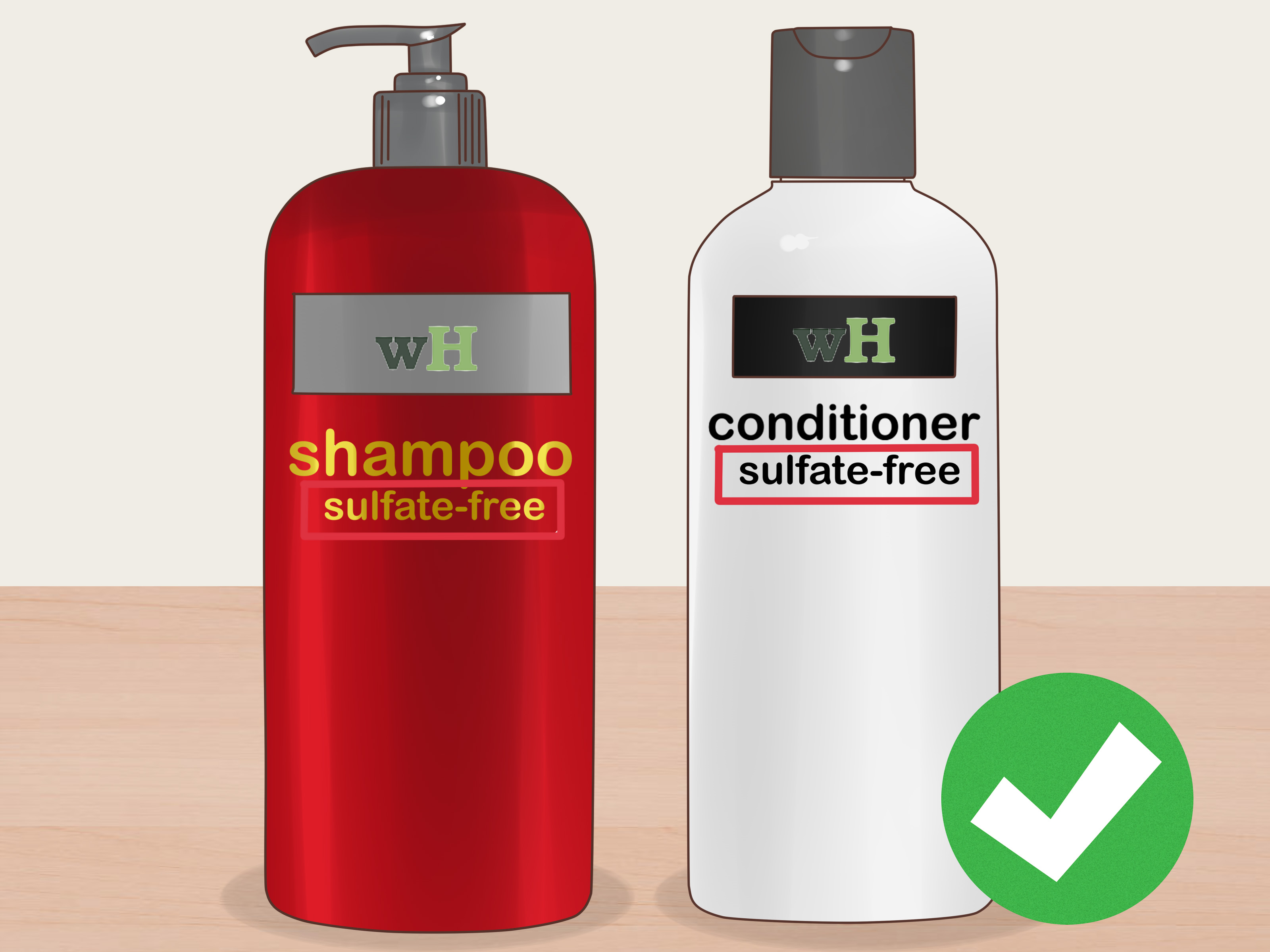
- Use sulfate-free, color-safe shampoo and conditioner.
- Wash less often if your scalp allows it.
- Use dry shampoo between washes.
- Limit heat styling.
- Use a heat protectant when styling.
- Protect your hair from sun and chlorine.
- Refresh with a red color-depositing conditioner when needed.
A color-depositing mask or conditioner can help revive burgundy, auburn, or cherry tones between dye sessions. Use it carefully, because red pigment can stain towels, pillowcases, shower curtains, hands, and possibly your will to clean the bathroom.
Common Mistakes to Avoid
Expecting Bright Red Over Jet Black Hair
If your hair is still nearly black, a bright red dye will not look like the box. It may create a red sheen, but it will not turn black hair into vivid red without lifting the base.
Skipping the Strand Test
A strand test saves time, money, and regret. It also helps you avoid uneven results, especially if your hair has old dye buildup.
Using Too Many Processes in One Day
Clarifying, color removing, dyeing, heat styling, and toning all in one day can overwhelm your hair. Space out steps when possible. Healthy dark red hair looks better than damaged bright red hair every single time.
Ignoring Hair Porosity
Porous hair absorbs dye quickly and may turn darker than expected. If your ends are dry, damaged, or previously processed, watch them closely during application.
Forgetting Skin Protection
Red dye stains skin easily. Apply barrier cream around your hairline, ears, and neck. Wear gloves unless you want your hands to look like you fought a raspberry smoothie.
When You Should See a Professional Colorist
At-home dyeing can work well for subtle red tones, but some situations call for a professional. See a colorist if your hair has multiple layers of black dye, if you want bright red, if your hair is damaged, or if you have previously used henna or metallic dyes. Henna and metallic salts can react unpredictably with chemical color. A colorist can test your hair and create a plan that avoids unnecessary breakage.
You should also get professional help if your hair becomes gummy, stretchy, brittle, or breaks during a strand test. That is your hair waving a tiny white flag.
Realistic Results: What Your Red Hair May Look Like
Here is the truth: dyeing dyed black hair red without bleach is usually a tone shift, not a total transformation. In indoor light, your hair may still look dark. In sunlight, you may see a red glow. After color remover, your results may be more obvious, especially if your hair reaches a dark brown or medium brown base.
If you want a subtle, elegant result, no-bleach red is a great option. If you want vivid cherry, bright copper, or fantasy red, you may need professional lightening. The best approach is to start with a dark red, maintain your hair health, and gradually adjust over time.
Experience Section: What It Is Actually Like to Dye Dyed Black Hair Red Without Bleach
The experience of dyeing dyed black hair red without bleach is less like flipping a switch and more like negotiating with a very stubborn roommate. Black dye does not simply move out because you asked nicely. It sits there with its tiny pigment suitcase and says, “Actually, I live here now.” That is why the process often begins with managing expectations. If your hair has been dyed black several times, the first red application may look almost invisible indoors. Then you step outside, the sun hits it, and suddenly there is a burgundy glow. It may not be dramatic, but it can be beautiful.
One common experience is uneven color. The roots may look warmer or brighter because they have less old dye buildup. The ends may stay darker because they have been dyed repeatedly. This is especially common with long hair. The last six inches of hair might contain years of color history, heat styling, dry shampoo, hard water minerals, and emotional plot twists. If the ends resist the red dye, it does not mean the product failed. It means those ends are packed with old pigment.
Another real-life lesson: color remover can smell intense. Many color removers have a strong sulfur-like odor, and although they can help remove artificial pigment, they are not exactly a spa day in a bottle. Ventilation helps. So does patience. Rinsing thoroughly is extremely important because leftover color molecules can re-darken when exposed to oxygen. People often rush the rinse step and then wonder why their hair looks darker the next day. Follow the instructions, rinse longer than you think you need to, and condition afterward.
Texture changes can also happen. Even without bleach, repeated coloring, color removal, and clarifying can make hair feel dry. That is why a moisture routine is not optional. A good conditioner, weekly deep-conditioning mask, and reduced heat styling can make the difference between glossy red-black hair and crunchy “I made choices” hair. If your hair is curly, coily, or naturally dry, go even slower and add extra conditioning days between steps.
The most satisfying part of going red without bleach is the gradual reveal. At first, the red may be subtle. After one or two refreshes, it may become richer. Burgundy and black cherry shades can build beautifully over time, especially when maintained with a red color-depositing conditioner. The color often looks sophisticated because it has depth instead of flat brightness. It can look dark and professional indoors, then warm and dramatic outside. Basically, your hair gets a secret identity.
The biggest lesson is this: do not fight your starting color. Work with it. Dyed black hair naturally supports deep reds, wine tones, mahogany, and plum-red shades. If you choose a red that matches the depth of your hair, the result looks intentional. If you demand bright copper from jet-black box dye in one afternoon, your hair may file a complaint. Start deep, protect your hair, refresh the tone, and let the red build gradually. That is the safest and most realistic path to dyeing dyed black hair red without bleach.
Conclusion
Dyeing dyed black hair red without bleach is possible, but it works best when you understand the limits of color. Red dye can add gorgeous warmth, shine, and depth to black-dyed hair, especially in shades like burgundy, black cherry, mahogany, and wine red. For a stronger result, fade the black dye first with clarifying shampoo or consider a hair color remover. Always do a patch test, strand test, and moisture-focused aftercare routine.
The secret is not forcing your hair into a shade it cannot reach safely. The secret is choosing a red that works with your current base, applying it carefully, and maintaining it like the jewel-toned treasure it is. With patience and the right approach, your dyed black hair can become a rich, glossy red without bleachand without turning your bathroom into a crime scene.