Tinted sunscreen is the skincare world’s greatest “two birds, one tube” trick: broad-spectrum sun protection plus a little tone-evening glow
that makes you look like you slept and drank watereven if you did neither and your breakfast was cold coffee and chaos.
It’s the product you reach for when you want to protect your skin, skip heavy makeup, and still look like you have your life together (or at least your face does).
But not every tinted SPF is a slam dunk. Some run too orange. Some cling to dry patches like they’re paying rent. Some feel greasy by lunchtime.
And some are gorgeous… right up until they pill under moisturizer and you start “erasing” your face like it’s a whiteboard.
This guide breaks down what actually matters, how to choose the right formula for your skin type and tone, and which editor-loved tinted sunscreens are worth the space in your daily routine.
Why Tinted Sunscreen Is More Than “Sunscreen With a Vibe”
The tint isn’t just cosmetic. Many tinted mineral sunscreens contain iron oxides, pigments that help counter the chalky white cast
mineral filters can leave behind. Emerging research also suggests iron oxides may help protect skin from visible lightincluding the type that can worsen
stubborn discoloration and uneven tone for some people. That’s one reason dermatologists often bring up tinted mineral formulas when the conversation turns to
hyperpigmentation or melasma.
Practically speaking, tinted sunscreen can also simplify your morning:
you get sun protection, a bit of blurring, and a “healthy skin” finish that plays nicely with concealer, bronzer, or nothing at all.
Think of it as the bridge between skincare and complexion productswithout forcing you into a full foundation commitment at 7:12 a.m.
How We Evaluated “The Best”
“Best” is personalbecause skin is personal. Our editor criteria focuses on what tends to make tinted sunscreens successful in real life:
- Wearability: Comfortable for everyday use (no heavy, suffocating feel).
- Finish: Natural, dewy, or mattewithout looking streaky or settling weirdly.
- Shade flexibility: A tint that blends well, doesn’t pull aggressively orange/pink, and doesn’t look ashy.
- Layering: Works with moisturizer, makeup, and reapplication strategies.
- Skin-type friendliness: Options for oily, dry, sensitive, and acne-prone skin.
- Reality check: If it’s tinted but you have to use a tiny amount to avoid looking like a traffic cone, it’s not “best.”
Important note: tinted sunscreens are still sunscreens. That means you need a generous amount for the labeled SPF to mean anything.
If you apply it like makeup (a pea-size dab), your protection will likely be much lower than you think.
The Best Tinted Sunscreens Our Editors Keep Reaching For
Below are top editor-loved picks across different finishes, skin types, and coverage preferences.
(Translation: whether you want “just a hint of blur” or “please make me look like I got eight hours of sleep.”)
1) EltaMD UV Clear Tinted Broad-Spectrum SPF 46 (Best Overall for Acne-Prone & Sensitive Skin)
If your skin gets dramatic at the mere mention of “new product,” this one is a classic for a reason.
It’s lightweight, comfortable, and widely loved by people who want daily protection without feeling greasy.
- Why it stands out: Skin-friendly feel, easy everyday wear, and a tint that softens redness.
- Best for: Acne-prone, sensitive, combination skin; “I want SPF but hate sunscreen” people.
- Finish: Naturalneither super matte nor super shiny.
- Heads-up: Tint is not a huge shade range; deeper tones may prefer multi-shade lines.
2) La Roche-Posay Anthelios Mineral Tinted Sunscreen SPF 50 (Best Mineral Option With Shade Range)
Mineral sunscreen fans, rejoice: this one aims to deliver broad-spectrum protection while avoiding the dreaded white cast.
It’s also positioned as a makeup-friendly baseso you can wear it solo or under complexion products.
- Why it stands out: Mineral filters plus iron oxide tint; designed to blend without looking chalky.
- Best for: Sensitive skin, uneven tone, people who want “polished” but not heavy.
- Finish: Healthy glow that can still look natural.
- Bonus: Available in multiple shades (including deeper options), which is still oddly rare in tinted SPF.
3) Colorescience Sunforgettable Total Protection Face Shield Flex SPF 50 (Best “Tone-Adapting” Tint)
This is the “I want my sunscreen to look like skin” pick. The pigments are designed to adjust as you blend,
giving buildable coverage that can look surprisingly seamless.
- Why it stands out: Iron-oxide pigments + a demi-matte finish that reads like a lightweight base.
- Best for: Uneven tone, city days, and people who want more coverage than a sheer tint.
- Finish: Demi-matte (not flat, not shiny).
- Heads-up: Take your time blendingthis one rewards a little patience.
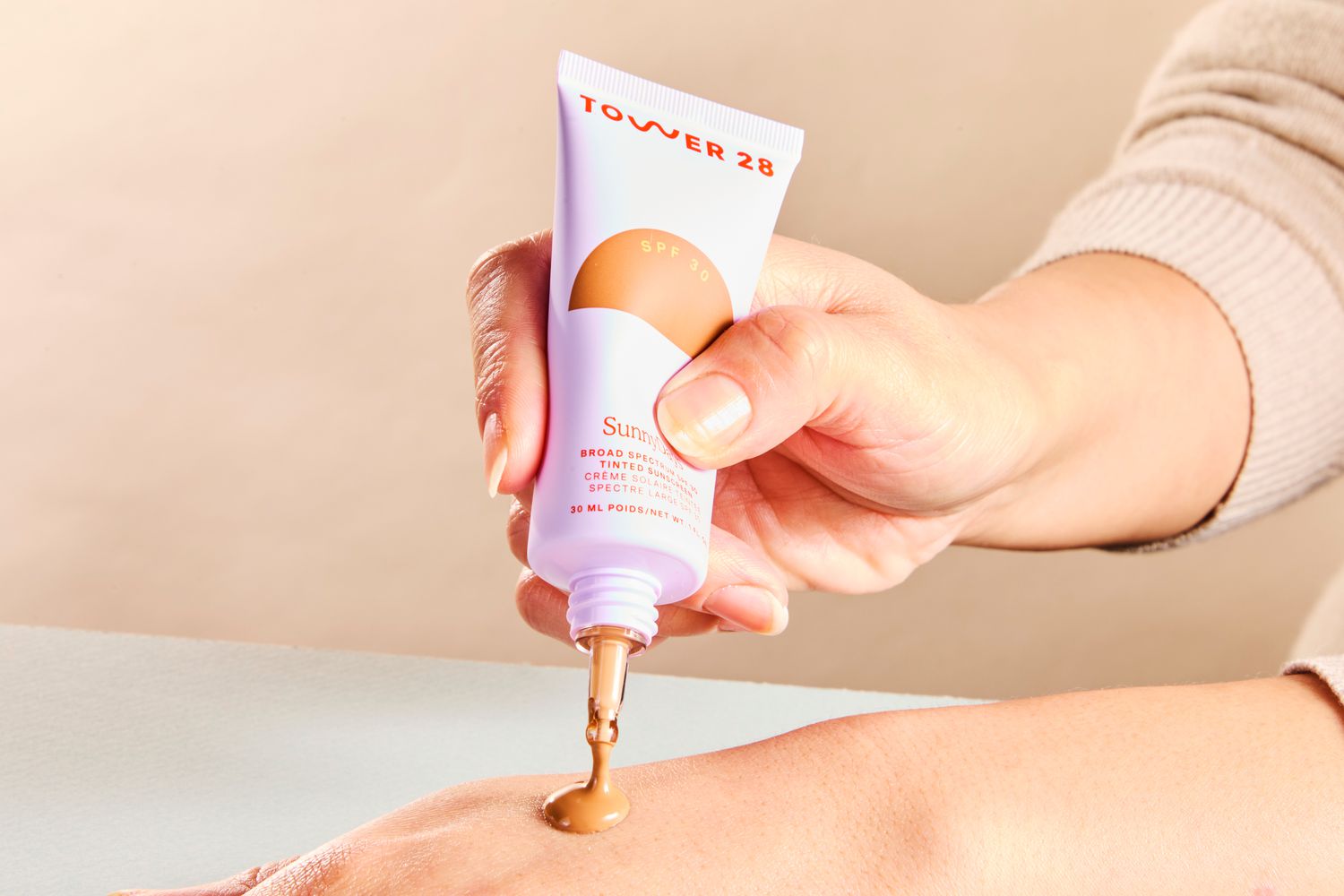
4) Tower 28 SunnyDays Tinted Sunscreen Foundation SPF 30 (Best Shade Range for a “Tinted SPF Base”)
Some tinted sunscreens are basically “a hint of something.” This one leans more “light foundation energy,”
while still keeping the daily SPF mission front and center.
- Why it stands out: A true complexion-product vibe with SPFeasy when you want coverage and protection in one step.
- Best for: Normal, combination, and sensitive skin; anyone who wants one product to replace base makeup.
- Finish: Natural-to-soft radiant depending on your skincare underneath.
- Heads-up: Because it offers more coverage, take care to apply enough for SPF (and reapply intentionally).
5) Australian Gold Botanical Tinted Face Lotion SPF 50 (Best Budget-Friendly Matte Finish)
When you want matte, you want matte. This one is known for a velvety, shine-reducing finish that can double as a primer-like baseespecially in heat.
- Why it stands out: Matte finish + SPF 50 at a typically more accessible price point.
- Best for: Oily skin, humid weather, “my forehead could power a small lamp” days.
- Finish: Matte/velvet.
- Heads-up: Shade options may feel limited depending on your skin tone and undertone.
6) CeraVe Hydrating Mineral Sunscreen Face Sheer Tint SPF 30 (Best Everyday Gentle Pick)
If you like your skincare straightforward and barrier-supportive, this is a comforting daily option.
It’s designed to be wearable alone or under makeupand to feel more “moisturizer-like” than “sunscreen-y.”
- Why it stands out: Hydrating feel, mineral protection, and a sheer tint that softens white cast.
- Best for: Normal-to-dry skin, sensitive skin, minimalist routines.
- Finish: Natural with a soft glow.
- Heads-up: Give it a minute to settle before layering complexion products.
7) Neutrogena Mineral UV Tint Face Liquid SPF 30 (Best Drugstore “Skin Tint” Feel)
This one aims for that lightweight, fluid texture that’s easy to spread and easy to wear.
It’s a practical pick when you want broad-spectrum mineral SPF and a tint that looks like skinnot makeup.
- Why it stands out: Lightweight mineral actives plus tint; designed to layer well under makeup.
- Best for: Everyday wear, sensitive skin, “I just want something easy” mornings.
- Finish: Natural.
- Heads-up: Shake wellfluid formulas can separate.
8) ALASTIN HydraTint Pro Mineral Broad Spectrum Sunscreen SPF 36 (Best Splurge for a Polished Glow)
A luxe tinted mineral option that leans “skincare-first,” with a refined finish that can replace makeup on many days.
Great when you want hydration + a glow that looks intentional.
- Why it stands out: Mineral SPF with a tint designed to brighten and even tone; often praised as a primer alternative.
- Best for: Normal-to-dry skin, mature skin, or anyone who wants a glow without shimmer.
- Finish: Radiant/natural glow.
- Heads-up: Higher priceconsider cost-per-use if it becomes your daily staple.
9) Supergoop! Glowscreen SPF 40 (Best for a Dewy “Sunscreen-as-Primer” Look)
If you love the “lit from within” look, this is the tinted SPF that basically says,
“Yes, I am hydrated, thriving, and definitely not surviving on iced coffee.”
It’s known for glow and makeup-grip.
- Why it stands out: Luminous finish + primer-like wear; a popular pick when you want glow without heavy base makeup.
- Best for: Normal-to-dry skin, makeup wearers, dullness.
- Finish: Glowy/radiant.
- Heads-up: Oily skin may prefer a more matte tinted mineral option.
10) ISDIN Eryfotona Ageless Tinted Mineral Sunscreen SPF 50 (Best “Featherlight” Feel for Daily Protection)
This one is frequently mentioned for its ultralight texture and wearable tint.
It’s a strong choice if you want high SPF but hate the feeling of traditional sunscreen.
- Why it stands out: High-SPF mineral tint in a lightweight format; designed for daily use and an even-toned look.
- Best for: Normal, combination, and oily skin types who want lightweight coverage.
- Finish: Natural.
- Heads-up: As with most tinted SPF, undertone matterstest in daylight if possible.
How to Choose the Right Tinted Sunscreen for Your Skin Type
If You’re Oily or Acne-Prone
Look for words like oil-free, non-comedogenic, or matte.
Lightweight fluids and gel-cream textures tend to feel better than thick balms.
If you’re prone to breakouts, also pay attention to how you remove sunscreen at nightgentle cleansing matters.
If You’re Dry or Sensitive
A more hydrating tinted mineral formula can be your best friend, especially in winter.
Fragrance-free options are often a safer bet for reactive skin, and a comfortable finish can keep you consistent (consistency is the real “secret ingredient”).
If You’re Dealing With Hyperpigmentation or Melasma
Consider tinted mineral sunscreens that include iron oxides.
While SPF primarily measures UVB protection, iron-oxide tint may offer added defense against visible light, which is often discussed in the context of discoloration.
For personalized care, a dermatologist can help you build a routine that supports your goals.
If You Have Deeper Skin Tones
Prioritize multi-shade tinted SPF lines or “flex” formulas designed for a wider range of tones.
The goal is a tint that blends without going ashy, gray, or orange.
Pro tip: swatch along the jawline and check it in natural daylightbathroom lighting is a known liar.
How to Apply Tinted Sunscreen So You Actually Get the SPF on the Label
Here’s the part nobody wants to hear (but everybody needs): most people under-apply sunscreen.
The SPF on the bottle assumes you’re using a generous amount. For face and neck, many dermatology guidelines translate to roughly
about half a teaspoon total, or the classic two-finger method (a line down your index and middle finger).
- Start with skincare: Moisturizer first (especially if you’re dry). Let it absorb for 1–2 minutes.
- Apply generously: Dot across forehead, cheeks, nose, chin, and jawlinethen blend outward.
- Don’t forget edges: Hairline, around the eyes (carefully), ears, and neck are commonly missed.
- Let it set: Give it a minute before makeup to reduce pilling.
- Reapply: Every two hours when you’re outdoors, and after sweating or swimming.
Reapplication is the hardest part with tinted productsbecause you don’t want to stack ten layers and end up with “accidental full coverage.”
For touch-ups, consider using the same tinted SPF in a thinner layer, blotting first if you’re oily, or using SPF products designed for on-the-go use.
(Powder SPF can be helpful for touch-ups, but it’s best viewed as a supplement rather than your primary protection.)
Common Tinted Sunscreen Mistakes (And How to Fix Them)
Mistake: Treating it like makeup and using too little
Fix: Apply enough product first, then spot-conceal where you need extra coverage. Think “SPF first, makeup second.”
Mistake: Pilling under makeup
Fix: Use fewer layers underneath, give skincare time to sink in, and avoid rubbing aggressively. Press and blend instead.
Mistake: The tint looks orange or ashy
Fix: Try a different undertone, opt for flexible shade lines, or adjust with a tiny amount of bronzer/concealer (without reducing your SPF layer).
Mistake: Skipping reapplication because “it’s makeup-ish”
Fix: Build a plan. Keep your SPF where you’ll actually use it (bag, desk, car cupholderno judgment).
FAQ: Quick Answers About Tinted Sunscreen
Does tinted sunscreen replace foundation?
Sometimes. Many formulas offer light coverage and tone evening. If you want more, add concealer where needed.
If you want full glam, use tinted sunscreen as your base layer and build makeup on top.
Is mineral tinted sunscreen better than chemical?
“Better” depends on your skin and preferences. Mineral filters (zinc oxide, titanium dioxide) are often preferred by people with sensitive skin.
Chemical filters can feel lighter for some. The best sunscreen is the one you’ll wear correctly and consistently.
Does tinted sunscreen help with dark spots?
Sun protection is a key part of preventing discoloration from getting worse. Tinted mineral formulas with iron oxides are commonly recommended as an added step
when visible light is a concern. For treatment, talk with a dermatologist about a broader plan.
Editor Experiences: What Wearing Tinted Sunscreen Every Day Is Really Like (The Extra )
When editors talk about tinted sunscreen like it’s a personality trait, this is what they mean: it’s not just a product, it’s a routine shortcut.
On the best days, a tinted SPF replaces three stepssunscreen, primer, and base makeupwithout making you feel like you’re “wearing a face.”
The first week you commit to it, you notice something funny: you spend less time hovering over the mirror, because your skin already looks more even.
The biggest “aha” moment tends to be shade strategy. Editors who love tinted sunscreen often stop chasing a perfect match and start chasing a
believable finish. A flexible tint that blends into the neck and doesn’t go orange in daylight wins, even if it’s not the exact shade of your inner wrist.
Many people find that applying in thin layersone generous layer for SPF, then a small touch of concealer only where neededlooks more natural than piling on coverage everywhere.
It’s less “foundation mask” and more “my skin but with better manners.”
Texture is the second learning curve. A tinted mineral SPF can grab onto dry patches if your skin is thirsty.
Editors with drier skin often treat tinted sunscreen like the final step of skincare: moisturizer first, wait a minute, then SPF.
On the flip side, editors with oily skin learn to blot first before reapplying. Reapplying over shine can turn “glow” into “grease,”
so a quick tissue blot (no rubbing) makes the second layer sit better and look smoother.
Then there’s the makeup compatibility question. The best tinted sunscreens behave like a soft primer: they smooth, slightly blur, and make complexion products sit better.
The not-so-great ones pill if you stack too many layers too quickly. Editors tend to solve this with one simple rule:
let each layer set. Even 60–90 seconds between moisturizer and SPFand again between SPF and makeupreduces the chance of pilling dramatically.
Also, pressing makeup in with a sponge or using light strokes (instead of aggressive rubbing) keeps the SPF layer intact.
Finally, there’s the real-world confidence boost. Not the “perfect skin” kindthe practical kind.
Editors mention feeling more comfortable running errands or hopping on a video call because tinted sunscreen gives a subtle polish without looking like a full beat.
It’s the difference between “I’m wearing makeup” and “I look awake.” And once you experience that, it’s hard to go back to skipping SPF entirely.
The tube becomes as automatic as brushing your teethexcept you’re also protecting your skin from daily UV exposure, which is the kind of habit your future self will quietly thank you for.