Some design ideas whisper. Others roll open on a slim track, erase a wall, flood the room with daylight, and make the house feel as if it just took a deep, stylish breath. That is the charm behind sliding doors inspired by a midcentury masterpiece: they are not simply doors. They are architectural punctuation marks, turning a period into a pause, a comma, orwhen the view is good enougha full-blown exclamation point.
The inspiration comes from the golden age of midcentury modern architecture, especially the experimental houses of postwar California. The Eames House, also known as Case Study House No. 8, remains one of the clearest examples of this spirit. Built in 1949 by Charles and Ray Eames in Los Angeles, it used industrial materials, glass, modular planning, and a deep respect for everyday living. The result was not cold minimalism. It was a warm, clever home that made steel and glass feel surprisingly human.
Today, homeowners, architects, and interior designers still borrow from that legacy. Modern sliding glass doors, pocket doors, barn-style panels, room dividers, and ultra-slim aluminum systems all echo the midcentury goal: make space flexible, bring in natural light, and connect people to the landscape without making the home feel like an airport terminal. Nobody wants that, unless the snacks are free.
Why Midcentury Modern Design Still Loves Sliding Doors
Midcentury modern design is famous for clean lines, open floor plans, honest materials, and a friendly relationship with nature. Sliding doors fit beautifully into that vocabulary because they do three jobs at once: they save space, create visual flow, and offer a smooth transition between inside and outside.
A traditional hinged door needs swing room. A sliding door simply glides aside like it has somewhere elegant to be. In compact homes, this can free up precious square footage. In larger homes, it can make the floor plan feel more intentional. Instead of chopping a room into stiff zones, sliding doors allow spaces to change with the day: open for entertaining, closed for privacy, half-open when someone is pretending not to listen from the kitchen.
The Midcentury Masterpiece Mindset
The Eames House did not become iconic because it was expensive or ornate. It became iconic because it solved real problems with intelligence and joy. Its steel frame, modular bays, colorful panels, glass walls, and connection to the meadow demonstrated how industrial parts could create a deeply personal home. That is the key lesson for sliding doors: the best ones are not just decorative. They improve how a home works.
In many Case Study houses, wide glass openings and sliding panels made rooms feel larger than their measured dimensions. Living areas extended toward patios, courtyards, gardens, pools, and ocean views. This was not just a California fantasy. It was a practical design strategy: borrow space from the outdoors, borrow light from the sky, and let architecture do more with less.
The Design Power of the Sliding Glass Door
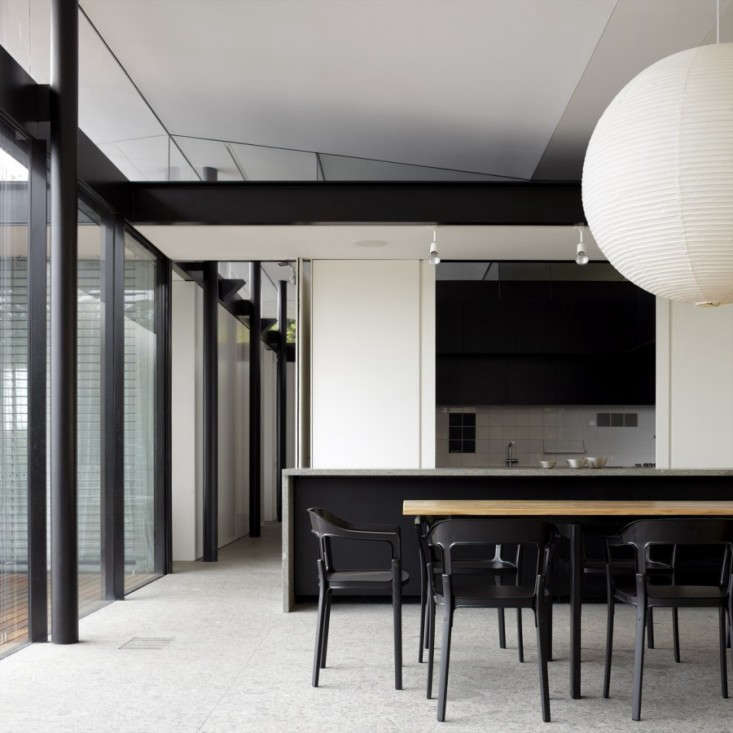
The sliding glass door is the hero of many midcentury-inspired homes. It offers transparency without fuss. It can frame a garden like artwork, brighten a dining room, or turn a modest patio into an extension of the living room. When the frame is slim and the threshold is low, the boundary between home and landscape almost disappears.
This is why architects still use large sliding doors in renovations of ranch houses, bungalows, hillside homes, and compact urban spaces. A room with one small window can feel boxed in. Replace part of the wall with a carefully specified sliding glass system, and suddenly the room has depth, direction, and drama. It is the architectural equivalent of opening the curtains on a Broadway stage, except the star is your backyard and the supporting cast is probably a lemon tree.
Indoor-Outdoor Living Without the Cliché
“Indoor-outdoor living” is used so often in real estate listings that it sometimes sounds like a scented candle. But in good design, it means something specific. It means the floor plan, door placement, sightlines, materials, shade, and circulation all work together. A sliding door should not be treated as a random glass rectangle. It should align with how people move, where light enters, and what view deserves attention.
For a midcentury-inspired effect, place sliding doors where they extend the main living experience. A dining area opening to a terrace feels natural. A bedroom opening to a private garden can feel luxurious. A kitchen connected to a deck makes entertaining easier, especially when someone inevitably asks where the ice is.
Materials That Capture the Midcentury Mood
Midcentury design was never about one material. It was about the honest use of materials. Wood looked like wood. Steel looked like steel. Glass looked like glass. Nothing needed to wear a fake mustache.
For sliding doors, the best material choices depend on the role of the door. Exterior sliding glass doors often use aluminum, steel, wood, fiberglass, vinyl, or composite frames. Aluminum and steel can create slim, modern lines, while wood adds warmth and texture. Fiberglass and composite systems can offer strong performance with less maintenance. Interior sliding doors may use walnut, oak, teak-inspired veneers, painted panels, reeded glass, fluted glass, cane, or plywood for a period-sensitive look.
Wood Panels and Warm Minimalism
A wood sliding door is ideal when the goal is privacy, softness, and architectural warmth. Flat-panel walnut or oak doors pair beautifully with terrazzo, concrete, brick, white walls, and vintage furniture. For a more playful nod to the Eames spirit, consider panels with subtle color blocking or contrasting pulls. Keep the geometry simple. The door should feel composed, not like it raided a craft store during a lightning sale.
Glass, Light, and Visual Rhythm
Glass sliding doors work best when they are part of a visual rhythm. Repeated vertical mullions, slim frames, or large uninterrupted panes can echo the structural grid found in midcentury architecture. Clear glass maximizes views, while frosted or reeded glass adds privacy for bathrooms, offices, and bedrooms. In hot climates, low-emissivity glass, proper shading, and climate-appropriate solar control are essential. Beauty is lovely; a living room that becomes a toaster by 3 p.m. is less lovely.
How to Choose Sliding Doors for a Midcentury-Inspired Home
Choosing the right sliding door is less about chasing a trend and more about matching the door to the architecture. A midcentury ranch, for example, may benefit from broad glass sliders that open to a patio. A small apartment may need a pocket door that separates a bedroom from a living area without stealing floor space. A remodeled kitchen may look best with a multi-panel sliding system that turns dinner prep into a breezy, garden-facing activity.
1. Start With the View
Midcentury design often treats the view as part of the room. Before choosing a door, stand inside and look outward. What should the door frame? A garden? A courtyard? A pool? A tree canopy? A city balcony with exactly one heroic potted plant? The answer determines the door size, frame profile, glass type, and placement.
2. Respect the Original Architecture
If you are renovating a midcentury home, avoid installing doors that fight the building. Oversized black industrial frames may look great in a loft but too heavy in a delicate post-and-beam house. Likewise, ornate hardware can distract from the clean simplicity of the period. Look for quiet details: slim rails, recessed pulls, flush thresholds, and finishes that complement existing wood, stone, or metal.
3. Think About Performance, Not Just Pretty Photos
A sliding door is a large opening in the building envelope. That means energy performance matters. Pay attention to U-factor, solar heat gain coefficient, air leakage, weatherstripping, glass coatings, and installation quality. ENERGY STAR and NFRC ratings can help compare products more intelligently. The most beautiful sliding door in the world is still a problem if it whistles during winter or turns summer sunlight into a personal attack.
4. Choose Hardware That Disappears Gracefully
Midcentury-inspired hardware should feel precise and tactile. Recessed pulls, slim handles, bronze finishes, brushed aluminum, matte black, and warm brass can all work depending on the home. The trick is restraint. Hardware should guide the hand without becoming the loudest person at the party.
Interior Sliding Doors: Flexible Rooms, Better Flow
Not every sliding door needs to face the garden. Interior sliding doors can be just as useful and often more affordable. They are excellent for home offices, pantries, laundry rooms, closets, bathrooms, and dens. In open-plan homes, they offer a way to regain privacy without rebuilding walls.
A midcentury-inspired interior door might use a flat wood slab, translucent glass, or a framed panel with simple geometry. Pocket doors are especially clean because they vanish into the wall. Surface-mounted sliding doors are easier to retrofit, but the track becomes part of the design. Choose a track that looks intentional, not like leftover gym equipment.
Room Dividers With Style
Sliding room dividers can create a flexible layout that feels modern and practical. For example, a dining room can become a work zone during the day and reopen for dinner. A guest room can disappear behind a wood panel when not in use. A studio apartment can gain a sleeping area without losing daylight. This flexibility is deeply aligned with midcentury thinking: design should adapt to life, not force life to file a formal request.
Exterior Sliding Doors: Making the Patio Part of the Plan
Exterior sliding doors are where the midcentury influence becomes most visible. They can transform the relationship between a house and its site. In a ranch-style home, replacing a small back door with a wider slider can make the living room feel connected to the yard. In a hillside home, sliding doors can frame long views and bring daylight deep into the interior. In a courtyard house, they can turn a protected outdoor space into the emotional center of the plan.
The best results happen when the outdoor area is designed as carefully as the indoor room. Continue flooring tones, repeat ceiling lines, use compatible materials, and create shade. A patio with comfortable seating, planters, and lighting will make the sliding door feel purposeful. Without that, the door may simply open to a lonely grill and a chair that looks like it has seen things.
Color, Contrast, and the Eames Effect
Charles and Ray Eames understood that modern design did not need to be sterile. Their work balanced structure with play, precision with color, and industry with personality. Sliding doors inspired by this attitude can include subtle color and contrast without becoming kitschy.
Try a warm wood door against white plaster walls. Use a dark bronze frame to sharpen a garden view. Add amber, rust, olive, or deep blue accents in nearby textiles. Pair glass doors with vintage-inspired lighting, low-profile sofas, sculptural chairs, and simple rugs. Let the door be part of a complete composition rather than a lonely design statement.
Small Details That Make a Big Difference
Thresholds, jambs, tracks, handles, and screens may not sound glamorous, but they determine whether the door feels luxurious or annoying. A flush or near-flush threshold improves visual continuity. Smooth rollers make daily use satisfying. Integrated screens help with ventilation. Proper drainage protects the opening. Good locks improve security. Midcentury design loved elegance, but it also loved things that worked.
Common Mistakes to Avoid
The first mistake is choosing a sliding door only because it looks good online. Photos rarely show drafts, glare, sticky tracks, awkward furniture layouts, or the neighbor’s recycling bins. Always consider orientation, climate, privacy, and how the door affects furniture placement.
The second mistake is oversizing the door without supporting the architecture. A huge glass wall can be stunning, but it may require structural work, shading, better glazing, and careful planning. Bigger is not automatically better. Sometimes a perfectly placed two-panel slider does more for a room than an enormous opening that leaves no wall for art, storage, or sanity.
The third mistake is ignoring maintenance. Exterior tracks collect dirt. Wood needs protection. Aluminum can show scratches. Glass needs cleaning unless you enjoy modernist fingerprints. Choose materials that match your lifestyle, not an imaginary version of yourself who polishes thresholds every Saturday while humming jazz standards.
Design Experiences: Living With Sliding Doors Inspired by a Midcentury Masterpiece
The real magic of midcentury-inspired sliding doors is not visible in a product catalog. It appears in daily life. You notice it in the morning when the first light slides across the floor and the room feels wider than it did the night before. You notice it when you open the door to let in fresh air and the living room suddenly belongs to the garden. You notice it when guests naturally drift toward the patio because the house has quietly invited them outside.
In one common renovation experience, a homeowner starts with a dark dining room at the back of a midcentury ranch. The room is functional but sleepy. The backyard is pleasant, yet strangely disconnected from the house. After replacing a narrow door and small window with a wide sliding glass door, everything changes. Breakfast feels brighter. Dinner feels more relaxed. The family uses the patio more often because access is effortless. The dog becomes convinced the new door was installed specifically for him, and honestly, he may have a point.
Another experience happens in compact city apartments. A sliding interior door can turn a tight layout into a more flexible home. A home office can close for video calls, then open again when the workday ends. A bedroom can borrow daylight from the living area through frosted glass. A hallway can feel less cramped because no hinged door swings into the path. These are small improvements, but they add up to a home that feels calmer and smarter.
There is also an emotional quality to sliding doors that is easy to underestimate. Hinged doors announce themselves. They open and close with a clear gesture. Sliding doors are quieter and more cinematic. They reveal space gradually. They let people adjust privacy in degrees. A door can be open, closed, or somewhere in between. That middle zone is surprisingly useful in real life, where people often want connection and separation at the same time.
For design lovers, the best experience comes from balancing nostalgia with modern performance. You might admire the Eames House, Case Study architecture, and classic midcentury rooms, but you still need insulated glass, reliable locks, smooth rollers, and sensible energy ratings. The goal is not to live in a museum. The goal is to borrow the intelligence of midcentury design and apply it to today’s routines.
That is why sliding doors inspired by a midcentury masterpiece remain so appealing. They make homes feel open without feeling empty. They create privacy without heaviness. They celebrate light, structure, and movement. Most importantly, they remind us that good design is not only about what a house looks like. It is about how gracefully the house lets life happen.
Conclusion
Sliding doors inspired by a midcentury masterpiece are more than a stylish upgrade. They are a design philosophy in motion. From the influence of the Eames House to today’s high-performance glass systems, sliding doors continue to express the best ideas of midcentury modern architecture: openness, flexibility, honesty, simplicity, and a deep connection to the outdoors.
Whether used as patio doors, pocket doors, room dividers, or dramatic glass walls, they can make a home feel brighter, larger, and more adaptable. The secret is choosing them with care. Match the door to the architecture, respect the view, consider energy performance, and let the details stay clean. Do that, and your sliding door will not merely open and close. It will quietly improve the way your home lives every single day.
Note: This article is original, rewritten content based on synthesized research from reputable architecture, design, preservation, and energy-efficiency references. Source links are intentionally omitted for clean web publishing.