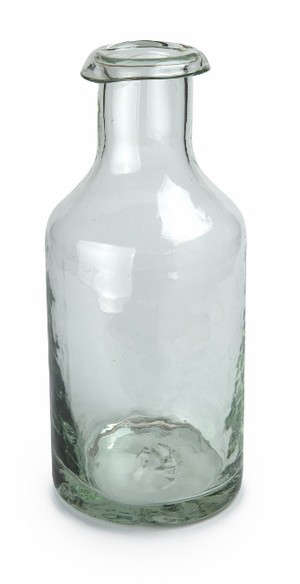
A recycled glass bottle may not look heroic. It has no cape, no theme music, and no dramatic origin story unless you count “someone finished the kombucha.” Yet this humble container is one of the most practical examples of a circular material hiding in plain sight. A glass bottle can hold iced tea today, become cullet tomorrow, and return as a new jar, beer bottle, candle holder, vase, backsplash tile, or road material later. That is a pretty impressive résumé for something most people toss into a bin while thinking about dinner.
Glass is loved because it is clean-looking, sturdy, nonporous, and excellent at preserving flavor. It does not give your salsa a suspicious plastic aftertaste, and it lets you see exactly how many pickles are left before someone starts a household investigation. More importantly, glass can be recycled again and again without losing its basic quality. The catch is that the recycling system must collect it, sort it, clean it, and send it to the right place. In other words, glass recycling works beautifully when humans do not treat the bin like a magic trash portal.
This guide explains what a recycled glass bottle really is, how glass bottle recycling works, why cullet matters, what can go wrong, and how households, brands, and creative DIYers can get more value from every bottle.
What Is a Recycled Glass Bottle?
A recycled glass bottle is a bottle that has either been made with post-consumer recycled glass or has been collected after use and processed for another life. In the glass industry, broken recycled glass ready for remelting is called cullet. Cullet is not glamorous, but it is important. It replaces part of the raw material mix used to make new glass, which typically includes sand, soda ash, limestone, and other minerals.
When a bottle is recycled into another bottle, it becomes part of a closed-loop system. That means the material stays in use rather than being buried in a landfill. In the best-case scenario, a clear beverage bottle is collected, color-sorted, cleaned, crushed, melted, molded, filled, shipped, purchased, emptied, and recycled again. It is the circle of life, except with fewer lions and more municipal collection trucks.
Why Glass Bottles Are Worth Recycling
Glass Can Be Recycled Repeatedly
One of glass’s greatest advantages is that it can be recycled endlessly without losing purity or quality. Unlike some materials that degrade after multiple recycling cycles, glass keeps its core properties. A recycled glass bottle can become another food or beverage container if the recovered glass is clean enough and sorted correctly.
Recycling Glass Saves Raw Materials
Using recycled glass reduces the need to mine and transport virgin materials such as silica sand, soda ash, and limestone. Every ton of clean recycled glass that goes back into manufacturing helps conserve natural resources. That matters because packaging is not just about what happens after you drink the sparkling water; it is also about what had to be extracted before the bottle existed.
Cullet Lowers Manufacturing Energy
Cullet melts at a lower temperature than raw glass ingredients. For manufacturers, that can mean less energy use, lower furnace stress, and reduced emissions. This is one reason glass makers value high-quality recycled glass. Clean cullet is like a helpful coworker who shows up early, knows the spreadsheet, and does not microwave fish in the office kitchen.
It Supports Local Recycling Jobs
Recycling is not only an environmental activity; it is also an economic system. Collection, sorting, processing, transporting, and manufacturing all require people, equipment, and businesses. When communities recycle more accurately, they improve the quality of recovered materials and make those materials more valuable to buyers.
How Glass Bottle Recycling Works
Step 1: Collection
Glass bottles are collected through curbside recycling, drop-off programs, bottle deposit systems, restaurants, bars, hotels, and commercial recycling routes. Some states and municipalities collect glass separately, while others mix it with paper, plastic, and metal in single-stream recycling bins.
Separate glass collection usually produces cleaner material. Single-stream recycling is convenient, but glass can break during collection and become mixed with paper, plastics, food residue, and other contaminants. Convenience is great, but in recycling, convenience sometimes walks in wearing muddy boots.
Step 2: Sorting by Color
Glass color matters. Clear, brown, and green glass are often separated because manufacturers need predictable color quality for new containers. A little green glass in a clear batch can create a product that looks like it has been through a swamp-themed design meeting. Color sorting helps new bottles meet brand and safety standards.
Step 3: Cleaning and Contaminant Removal
After sorting, glass must be cleaned. Labels, metal caps, ceramics, stones, food scraps, and non-container glass can create problems. Ceramics and heat-resistant glass, for example, melt differently from bottle glass and can cause defects in new containers. That is why drinking glasses, mirrors, window glass, Pyrex-style cookware, and light bulbs should not automatically be tossed in with bottles and jars unless your local program specifically accepts them.
Step 4: Crushing Into Cullet
Clean glass is crushed into cullet. The cullet is screened for size and quality, then sold to manufacturers. High-quality cullet can go into new glass bottles and jars. Lower-quality recovered glass may be used in fiberglass, tile, filtration media, construction aggregate, concrete, asphalt, or other secondary uses.
Step 5: Remelting and Remolding
At the glass plant, cullet is mixed with raw materials and melted in a furnace. The molten glass is shaped into new bottles or jars, cooled, inspected, and shipped to brands. Under strong recycling conditions, a bottle can return to store shelves surprisingly quickly. It is basically reincarnation with a barcode.
The Big Problem: Not Every Glass Bottle Gets Recycled
Glass is technically recyclable, but “technically” is doing a lot of work here. In the United States, glass recycling rates vary widely by region. Some states and cities have strong deposit systems or separate glass collection. Others struggle because glass is heavy, expensive to transport, and easily contaminated in mixed recycling streams.
Transportation is a major challenge. Glass weighs more than many packaging materials, so moving it long distances can be costly. If a community is far from a processing facility or bottle manufacturer, the economics may become difficult. Recycling is noble, but trucks still run on budgets, fuel, labor, and logistics.
Contamination is another major issue. When people put ceramics, drinking glasses, light bulbs, plastic bags, food waste, or random “maybe this is recyclable?” items into the bin, they reduce the quality of the entire stream. This habit is called wish-cycling. It feels optimistic, but recycling facilities are not genies. They cannot turn a greasy pizza box and a broken mug into a clean bottle.
How to Recycle Glass Bottles the Right Way
Check Local Rules First
Recycling rules vary by city, county, and hauler. Some programs accept glass bottles and jars curbside. Others require drop-off. Some ask for color separation. Others do not. The best first step is to check your local recycling program or waste hauler’s guidelines. When in doubt, local rules beat internet guesses.
Empty and Lightly Rinse Bottles
Glass bottles should be empty before recycling. A quick rinse helps prevent odors, pests, and contamination. You do not need to scrub each bottle like it is entering a beauty pageant, but removing leftover sauce, beer, juice, or syrup makes recycling cleaner.
Remove What Your Program Requests
Some programs allow labels and caps. Others ask you to remove metal lids or corks. Metal caps may be recyclable separately, but tiny loose caps can fall through sorting equipment. Follow local instructions. The goal is not perfection; the goal is giving the material the best chance of becoming useful again.
Do Not Include Non-Bottle Glass
Window glass, mirrors, ceramics, crystal, drinking glasses, heat-resistant cookware, and light bulbs are not the same as container glass. They have different melting points or coatings and can damage the recycling process. Keep them out of the bottle recycling bin unless your program specifically says otherwise.
Recycled Glass Bottle Uses Beyond New Bottles
New Food and Beverage Containers
The highest-value use for clean recycled bottle glass is often new bottles and jars. Bottle-to-bottle recycling keeps the material in a strong circular loop. Brands that use recycled content can reduce virgin material demand while still offering durable, attractive packaging.
Fiberglass and Insulation
Recovered glass can also be used in fiberglass insulation. This gives lower-grade cullet a productive second life even when it is not clean enough for new containers. It may not sound as romantic as a wine bottle becoming another wine bottle, but keeping material out of landfills is still a win.
Tiles, Countertops, and Decorative Surfaces
Recycled glass can be transformed into colorful tiles, terrazzo-style surfaces, countertops, mosaics, and backsplash materials. These products are especially popular in eco-conscious interior design because they combine sustainability with visual sparkle. Nothing says “I care about the planet” like a kitchen backsplash that quietly twinkles.
Construction and Road Materials
When glass is not suitable for container manufacturing, it may be processed for construction uses, including aggregate, road base, filtration media, and concrete applications. These uses are sometimes called downcycling because the glass does not return to the same high-grade container loop, but they can still divert material from disposal.
Upcycling Recycled Glass Bottles at Home
Recycling is excellent, but reuse comes first in the waste hierarchy. Before sending a bottle away, consider whether it can serve another purpose at home. A glass bottle can become a vase, candle holder, soap dispenser, propagation vessel, pantry storage container, garden border, lamp base, or table centerpiece.
Simple DIY Ideas
Clear bottles make easy flower vases. Amber bottles work beautifully as moody candle holders. Small bottles can hold homemade salad dressing, infused oil, or simple syrup. Wide-mouth jars can store rice, beans, coffee, cotton balls, craft supplies, or buttons that somehow multiply in every household drawer.
For plant lovers, glass bottles are perfect for water propagation. Place a pothos cutting or herb stem in a clean bottle, add water, and set it near indirect light. The transparent glass lets you watch roots develop, which is oddly satisfying and cheaper than therapy.
Safety Tips for DIY Glass Projects
If you cut, drill, sand, or alter glass bottles, use proper safety gear. Wear eye protection, gloves, and a mask when needed. Smooth sharp edges carefully. Do not use homemade cut-glass cups for drinking unless you can polish them safely and thoroughly. A Pinterest project should not end with a first-aid kit cameo.
Choosing Products Packaged in Recycled Glass
Consumers can support the recycled glass market by buying products packaged in glass and looking for brands that use recycled content. Demand matters. If manufacturers know customers value recycled glass bottles, they have a stronger reason to invest in recycled-content packaging and source better cullet.
Restaurants, bars, breweries, wineries, and food brands can also make a difference by partnering with glass collection programs. Commercial glass is often cleaner and more consistent than household glass because it comes from predictable sources. A bar that separates bottles properly can generate a high-quality stream of recyclable material, even if the bartender is also generating high-quality stories nobody asked for.
Deposit Programs and Recycled Glass Bottles
Bottle deposit programs can significantly improve beverage container recycling because they give consumers a financial reason to return containers. In states with deposit systems, bottles and cans often return through cleaner channels than general curbside bins. California’s beverage container recycling program, for example, includes glass, aluminum, plastic, and bimetal containers, with refund values based on container size and category.
Deposit systems are not perfect, but they solve one stubborn problem: motivation. People who might ignore an empty bottle suddenly become environmental accountants when a refund is attached. The bottle goes from “trash” to “tiny money cylinder.”
Common Myths About Recycled Glass Bottles
Myth 1: Broken Glass Is Always Recyclable
Broken bottle glass may be recyclable in some systems, but it can also be too small, dirty, or mixed with contaminants. Broken non-container glass is especially problematic. Do not assume all broken glass belongs in the recycling bin.
Myth 2: Labels Must Always Be Removed
Many recycling systems can handle paper labels during processing. However, local rules vary. If your program says labels are okay, do not waste twenty minutes scraping glue while questioning your life choices.
Myth 3: All Glass Is the Same
Container glass is different from ceramics, mirrors, light bulbs, and heat-resistant cookware. Mixing them can reduce cullet quality and cause manufacturing defects. The recycling bin is not a glass family reunion.
Myth 4: Recycling Alone Solves Everything
Recycling helps, but source reduction and reuse are even better. The most sustainable bottle is often the one that does not need to be made, shipped, and recycled in the first place. Refillable systems, smart packaging design, and responsible purchasing all matter.
Real-Life Experiences With Recycled Glass Bottles
The first time I truly paid attention to recycled glass bottles was not in a laboratory, a city council meeting, or a dramatic documentary narrated by someone with a very serious voice. It was in a kitchen after a dinner party, when the counter looked like a tiny glass skyline. There were sparkling water bottles, sauce jars, beer bottles, and one fancy olive oil bottle that clearly believed it belonged in an art museum. The easy move would have been to toss everything into the recycling bin and feel instantly virtuous. But once I started checking what my local program actually accepted, the process became more interestingand slightly humbling.
I learned that clean bottles and jars were welcome, but drinking glasses and ceramics were not. I learned that caps had their own rules. I learned that a bottle with half an inch of dressing still inside was not “basically clean”; it was a tiny contamination bomb wearing a label. After that, I started rinsing bottles right after emptying them. It takes only a few seconds, but it keeps the recycling bin from smelling like a science fair project gone emotionally wrong.
Another useful experience came from reusing glass bottles before recycling them. A tall green bottle became a vase for eucalyptus stems. A clear juice bottle became a container for homemade cold brew. A small sauce bottle became a single-stem flower holder on a desk. None of these projects required advanced crafting skills, unless you count removing a stubborn label without inventing new swear words. Warm water, baking soda, and patience handled most of the job.
Glass also changed how I looked at shopping. When two similar products were available, I started noticing packaging. A sauce in a sturdy glass jar felt more useful than one in a container I could not easily reuse. A brand that mentioned recycled content felt more thoughtful. This does not mean every purchase became a sustainability ceremony with candles and a clipboard. It simply meant I began seeing the bottle as part of the product, not just the thing around the product.
The biggest lesson is that recycled glass bottles work best when the whole chain works: consumers sort correctly, local programs collect efficiently, processors make clean cullet, and manufacturers buy it. One person rinsing a salsa jar will not fix the entire recycling system. But millions of people making small, correct decisions can improve material quality and reduce waste. That is less flashy than a superhero movie, but it is far more useful on trash day.
Conclusion
A recycled glass bottle is more than an empty container with a second chance. It is a small piece of a larger circular economy, connecting households, recycling programs, processors, manufacturers, designers, and brands. Glass has remarkable advantages: it is durable, nonporous, widely useful, and endlessly recyclable when properly recovered. But the system depends on clean sorting, local rules, strong markets, and fewer contaminants.
The next time you finish a drink, sauce, or jar of pickles, pause before tossing the glass away. Can it be reused? Can it be recycled locally? Is it clean enough to help rather than hurt the process? A recycled glass bottle may seem ordinary, but handled well, it can keep coming backlike a sustainable boomerang with better manners.