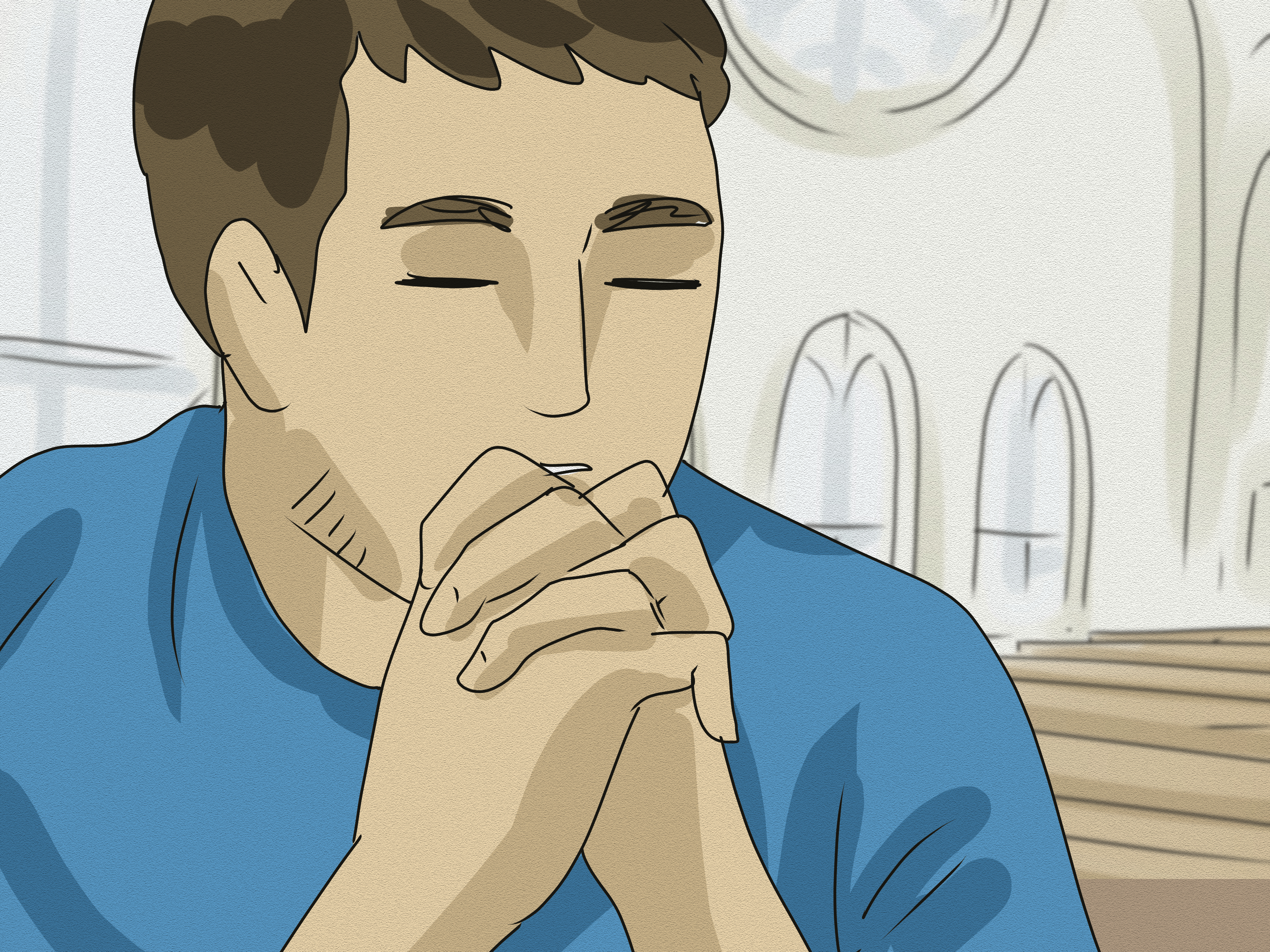
Note: This article is written from a broadly evangelical Christian perspective. It is meant to encourage honest self-examination, not fear, panic, or spiritual despair.
Few questions feel heavier than this one: “Am I really saved?” It is not exactly the kind of thought you casually bring up between coffee refills and weekend plans. Yet many sincere people wrestle with it. Some worry because they feel spiritually cold. Others wonder if they only inherited religion from their family, repeated the right words, or learned how to act “churchy” without truly trusting Christ.
Before we go further, let’s make one thing clear: salvation is not earned by flawless behavior, perfect emotions, church attendance, Bible trivia, or the ability to win a debate about Greek verbs. According to historic Christian teaching, salvation is by God’s grace through faith in Jesus Christ. Good works do not purchase salvation; they reveal the life of God at work in a person.
That said, the Bible also encourages people to examine themselves. A faith that never produces repentance, love, humility, or obedience deserves careful attention. Not because God is eager to reject people, but because false assurance can be spiritually dangerous. A smoke alarm is annoying, but you still want it to work when the kitchen is on fire.
Here are 11 warning signs you may not be saved, along with practical steps for what to do about it.
1. You Trust a Past Prayer More Than You Trust Christ
Many people can remember praying a prayer, walking an aisle, signing a card, joining a church, or attending a youth camp where everybody cried during the final song. Those moments can be meaningful. But the act itself is not salvation.
The warning sign appears when someone says, “I know I’m saved because I repeated a prayer,” while having little interest in Jesus, repentance, or faith today. A past religious moment should never replace present trust in Christ.
What to do about it
Ask yourself: “Am I relying on Jesus Christ Himself, or am I relying on a memory?” If your confidence is in a religious event rather than the Savior, return to the gospel. Confess your need for mercy. Trust Christ now, not merely the moment when you first heard about Him.
2. You Have No Desire to Turn From Sin
Christians still struggle with sin. Anyone who says otherwise has either reached heaven early or needs a very honest friend. The issue is not whether you ever fail. The issue is whether you are comfortable living in rebellion against God with no grief, no resistance, and no desire to change.
Repentance is more than feeling embarrassed because you got caught. It is a genuine turning from sin toward God. A person may fall, but saving faith does not make peace with sin and hang curtains in the living room.
What to do about it
Bring your sin into the light before God. Name it honestly. Do not decorate it with excuses. Then take a practical step: confess to a mature Christian, remove a temptation, seek accountability, and ask God for a changed heart. Repentance is not self-improvement theater; it is turning to God for mercy and transformation.
3. You Love Religion but Not Jesus
It is possible to enjoy religious culture while remaining distant from Christ. You may like church music, moral discussions, Christian holidays, inspirational quotes, and the comforting smell of old hymnals. None of those things are bad. But they are not the same as knowing Jesus.
The warning sign is loving the atmosphere of Christianity while having no personal dependence on Christ as Savior and Lord. Religious activity can become a costume. It may look convincing under bright lights, but it cannot give life.
What to do about it
Shift your focus from religious performance to the person and work of Jesus. Read the Gospels slowly. Ask, “Who is Jesus? What did He come to do? What does it mean for me to follow Him?” Christianity is not mainly about joining a moral club. It is about being reconciled to God through Christ.
4. You Feel No Conviction Over Sin
Conviction is not the same as shame. Shame says, “Hide. You are hopeless.” Conviction says, “Come into the light. God is calling you back.” A saved person may experience conviction because the Holy Spirit is at work in the heart.
If you can lie, cheat, hate, gossip, exploit others, indulge secret sin, or harden your heart without any spiritual concern, that is serious. A conscience can become dull when ignored long enough.
What to do about it
Do not wait until you “feel bad enough.” Pray honestly: “God, awaken my conscience. Show me what I have refused to see.” Then respond quickly to whatever God reveals. Delayed obedience has a way of becoming decorated disobedience.
5. You Reject Jesus as Lord
Some people want Jesus as a rescuer from hell but not as King over their lives. They want forgiveness without surrender, comfort without obedience, and heaven without holiness. That is not biblical Christianity.
To confess Jesus as Lord means recognizing His rightful authority. Christians grow in obedience imperfectly, but they do not treat Christ’s commands as optional background music.
What to do about it
Identify the area where you are saying, “Jesus can have everything except this.” It may be money, relationships, sexuality, pride, anger, ambition, or bitterness. Bring that area under His authority. Surrender is not losing your life to a cruel master; it is placing your life in the hands of the One who died and rose for sinners.
6. You Have No Love for Other Believers
The New Testament repeatedly connects genuine faith with love. That does not mean every Christian will instantly become your best friend. Some people are difficult. Some are difficult before coffee, which is practically a separate category.
Still, a complete lack of love for God’s people is a warning sign. If you despise believers, avoid fellowship, refuse reconciliation, and have no concern for the church, something is spiritually wrong.
What to do about it
Start small but real. Pray for another believer. Join a healthy church community. Serve someone quietly. Forgive where forgiveness is needed. Love is not always a warm emotional breeze; sometimes it is a choice to act for another person’s good because Christ first loved you.
7. You Are Depending on Good Works to Save You
Good works matter, but they make a terrible savior. If your confidence before God is, “I am a decent person,” “I help people,” “I am better than most,” or “I have never done anything really awful,” you are standing on very thin ice.
The Christian gospel does not say that people are saved by becoming impressive enough for God. It says sinners are saved by grace through faith in Jesus Christ. Obedience matters as fruit, not as the root of salvation.
What to do about it
Stop presenting your spiritual résumé to God as if heaven has a hiring department. Admit that even your best works cannot erase sin. Trust the finished work of Christ. Then do good works as a grateful response, not as a desperate payment plan.
8. You Have No Spiritual Fruit Over Time
Spiritual growth is often slow. A new believer may not look mature overnight, just as a seed does not become an oak tree by Tuesday. But over time, genuine faith bears fruit: repentance, love, humility, endurance, obedience, generosity, and a growing hunger for God.
The warning sign is not immaturity. The warning sign is permanent barrenness: no growth, no concern, no change, and no desire for change.
What to do about it
Look at the direction of your life, not one bad day. Are you becoming softer toward God or harder? More repentant or more defensive? More loving or more self-absorbed? Ask a trusted Christian who knows you well to speak honestly. Growth often becomes clearer when seen through someone else’s eyes.
9. You Only Want God During Emergencies
Many people treat God like a spiritual fire extinguisher: break glass in case of crisis. They pray when the diagnosis comes, when the relationship collapses, when money runs out, or when fear gets loud. But when life feels normal, God is ignored.
Crisis prayers can be sincere. The warning sign is a pattern of using God only as a problem-solving tool while having no desire to know, worship, or obey Him.
What to do about it
Begin seeking God in ordinary moments. Pray when nothing dramatic is happening. Read Scripture when life is calm. Worship when you are not trying to negotiate your way out of trouble. A real relationship with God is not built only during thunderstorms.
10. You Are Unwilling to Forgive
Forgiveness can be deeply difficult, especially when the wound is serious. Christian forgiveness does not mean pretending evil was fine, removing all consequences, or allowing someone unsafe back into your life. Boundaries can be wise and necessary.
But a settled refusal to forgive, fueled by revenge and hatred, conflicts with the mercy Christians claim to have received. A heart that has truly tasted grace should begin learning how to extend grace, even when the process is slow.
What to do about it
Start by telling God the truth about the hurt. Ask Him to free you from revenge. Forgiveness may involve prayer, pastoral care, counseling, and time. Do not confuse forgiveness with instant emotional healing. But do take the first step away from bitterness and toward obedience.
11. You Are Indifferent to the Gospel
The clearest warning sign is not that you sometimes doubt, struggle, or feel spiritually weak. Many genuine Christians experience seasons of fear and confusion. The deeper concern is indifference: hearing about Christ’s death and resurrection and responding with a spiritual shrug.
If the gospel feels boring, unnecessary, or irrelevant to you, do not ignore that. The message of Jesus is not a side topic for religious hobbyists. It is the center of Christian faith: Christ died for sinners, rose again, and calls people to repent and believe.
What to do about it
Return to the basics. Read a Gospel account such as John or Mark. Ask God to open your eyes to the beauty of Christ. Talk with a faithful pastor or mature believer. Do not settle for borrowed faith, casual religion, or vague spirituality. Come honestly to Jesus.
What If You See These Warning Signs in Yourself?
First, do not panic. Panic is noisy but rarely helpful. The right response is humility, honesty, and faith. If you see warning signs, let them drive you to Christ, not into despair.
Second, understand the difference between conviction and condemnation. Conviction invites you to repent and believe. Condemnation tells you to run away and hide. The gospel calls you to come into the light because Jesus saves sinners, not people who have successfully polished themselves into religious trophies.
Third, do not confuse doubt with unbelief. Some sincere Christians struggle with assurance. They may be sensitive, anxious, poorly taught, or exhausted. A lack of assurance does not automatically mean a lack of salvation. Look to Christ, not to the emotional weather report inside your head.
Fourth, seek wise help. Talk to a pastor, elder, mentor, or mature Christian friend. If obsessive fear about salvation becomes constant and debilitating, consider speaking with a qualified Christian counselor or mental health professional. Spiritual care and emotional care are not enemies; they can work together like two hands carrying the same heavy box.
How to Respond to the Gospel Today
If you realize you have never truly trusted Christ, the response is not complicated, though it is deeply serious. Turn from sin and trust Jesus Christ. Confess your need for forgiveness. Believe that His death and resurrection are sufficient. Receive Him not as a religious accessory but as Savior and Lord.
You do not need to clean yourself up before coming to Christ. You come because you need Him to cleanse you. You do not bring spiritual wealth; you bring need. You do not bring perfection; you bring surrender. The good news is not that you finally became strong enough. The good news is that Jesus is mighty to save.
Real-Life Experiences: When People Start Asking, “Am I Really Saved?”
Many people begin wrestling with salvation after a season of spiritual autopilot. They grew up in church, learned the songs, knew when to bow their heads, and could locate the fellowship hall faster than visitors could find the front door. But at some point, they realized familiarity with Christian culture is not the same as faith in Christ.
One common experience is the “borrowed faith” awakening. A person may have believed what their parents believed because that was the air they breathed. Then adulthood, suffering, temptation, or honest Bible reading forced the question: “Do I believe this because I know Christ, or because it was handed to me?” That question can feel scary, but it can also become a gift. God often uses honest searching to move someone from inherited religion to personal faith.
Another experience involves moral exhaustion. Some people try to prove they are saved by being good enough. They volunteer, serve, avoid obvious scandals, and keep their public life shiny. But privately, they are tired. Their spiritual life feels like running on a treadmill while wearing church shoes: lots of movement, not much peace. When they finally understand grace, the relief is enormous. They learn that obedience is important, but it flows from salvation; it does not create it.
Others face the opposite problem. They assumed grace meant sin did not matter. They said the right words about Jesus but treated repentance like an outdated software update they kept postponing. Over time, conviction grew. The jokes felt emptier. The excuses sounded weaker. The double life became heavier. For some, that uncomfortable season became the turning point. They stopped asking, “How close can I get to sin and still be fine?” and started asking, “How can I walk more closely with Christ?”
There are also people who struggle with deep assurance anxiety. They examine every thought, every emotion, every failure, and every dry prayer, trying to determine whether they are truly saved. For them, the issue may not be rebellion but fear. They need to be reminded that assurance rests finally on Christ, not on perfect self-analysis. Looking inward has a place, but staring inward forever is like checking a plant’s roots every hour to see if it is growing. Eventually, you damage the plant. Look to Christ. Use self-examination as a window, not a prison cell.
A helpful experience many believers share is the moment they stop hiding. They tell a trusted pastor or mature Christian, “I’m not sure I really know God.” Instead of being rejected, they are guided back to Scripture, prayer, repentance, and faith. That conversation can be life-changing. Spiritual confusion grows in isolation. Clarity often comes in the light.
The most encouraging stories are not always dramatic. Sometimes the person simply begins again: reading the Bible honestly, confessing sin specifically, praying without pretending, joining a healthy church, and trusting Christ day by day. No lightning bolt. No movie soundtrack. Just real faith taking real steps. And over time, fruit begins to appear.
If this is your experience, do not despise small beginnings. A sincere cry for mercy matters. A real step of repentance matters. A growing love for Christ matters. The question is not whether your story sounds impressive enough for a conference testimony. The question is whether you are coming to Jesus in faith.
Conclusion
The warning signs you are not saved should not be used as weapons to crush tender hearts. They are meant to awaken sleepy ones. A true Christian may struggle, doubt, stumble, and grieve over sin. But genuine faith looks to Christ, turns from sin, grows in love, and bears fruit over time.
If you see yourself in these warnings, do not run from God. Run to Him. Jesus did not come for people who could save themselves. He came for sinners who need grace. The safest place for an honest soul is not denial, distraction, or religious pretending. It is at the feet of Christ, saying, “Lord, have mercy on me.”