Note: This article is for general education only. Osteotomy recovery depends on the exact bone, surgical technique, fixation method, your health, and your surgeon’s protocol. Always follow your own medical team’s instructions, even if they differ from general timelines.
What Is an Osteotomy?
An osteotomy is a surgery in which a bone is cut and reshaped, realigned, shortened, lengthened, or repositioned. Think of it as orthopedic carpentry, except the “wood” is your skeleton and the carpenter spent a very long time in medical school.
Surgeons use osteotomy to correct alignment problems, shift weight away from damaged joint surfaces, treat deformities, improve function, or delay the need for a joint replacement. Common examples include high tibial osteotomy for knee arthritis, distal femoral osteotomy for knock-knee alignment, bunion osteotomy for big toe deformity, jaw osteotomy for bite correction, and calcaneal osteotomy for certain foot and ankle problems.
The big question is usually simple: How long does osteotomy healing take? The honest answer is: longer than anyone wants, but usually not forever. Bone healing often begins within weeks, but full recovery can take several months, and some complex procedures may take a year before the body, muscles, joints, and confidence fully catch up.
General Osteotomy Healing Time: The Big Picture
Most osteotomy patients can think of recovery in three overlapping stages: early wound healing, bone healing, and functional recovery. These stages do not always move in a perfect straight line. Some days you feel like a heroic comeback story. Other days, putting on socks feels like an Olympic event.
Weeks 0–2: The Protection Phase
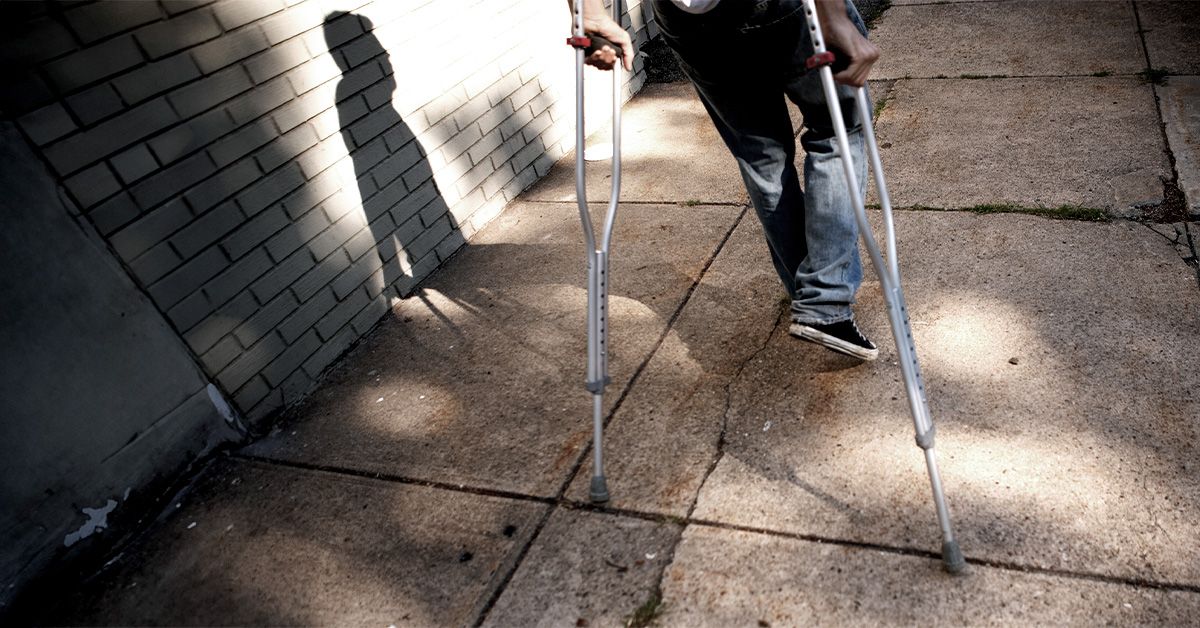
The first two weeks are usually about pain control, swelling management, wound care, and protecting the surgical site. You may have a splint, cast, brace, surgical shoe, or crutches. Stitches or staples are often checked or removed around this period, depending on the procedure and your surgeon’s preference.
During this stage, swelling, bruising, stiffness, and fatigue are common. Your body has just received a very formal memo: “Please repair this bone.” It responds by sending inflammation, blood flow, and healing cells to the area. That process is useful, but it can feel dramatic.
Weeks 2–6: Early Bone Healing
By weeks two through six, many patients begin gentle range-of-motion work or physical therapy, if approved. In some osteotomies, weight bearing is still limited. In others, partial or protected weight bearing may begin. X-rays may be used to check whether the bone is forming early healing tissue.
For some knee osteotomies, the cut bone may need roughly six weeks or more before it is considered stable enough for the next recovery phase. Jaw surgery also often has an initial healing period of about six weeks, though full healing takes longer.
Weeks 6–12: More Loading, More Therapy
Many osteotomy patients make noticeable progress between six and twelve weeks. This is often when surgeons consider increasing weight bearing, moving from crutches toward a cane or no assistive device, or advancing physical therapy. Foot osteotomies, bunion procedures, and some ankle procedures may still require a boot or protective shoe during part of this window.
This phase is exciting but risky for overachievers. Feeling better does not mean the bone is fully remodeled. Pain may decrease before strength, balance, and bone maturity have fully returned. Translation: do not celebrate by rearranging your garage.
Months 3–6: Functional Recovery
For many patients, the three-to-six-month window is when daily life starts to feel more normal. Walking improves, stairs become less theatrical, and physical therapy often focuses more on strength, endurance, gait, and balance.
High tibial osteotomy recovery is commonly described as several months long, with physical therapy often lasting six to twelve weeks and fuller recovery around three to six months. More complex deformity correction, foot reconstruction, or hip-related surgery may take longer.
Months 6–12: Remodeling and Final Gains
Bone is not concrete. It does not simply “dry” and call it a day. After early union, bone continues remodeling for months. Swelling, stiffness, weakness, and sensitivity can linger, especially after lower-limb osteotomy. Some people feel much better by six months; others continue improving for up to a year.
It is common for the calendar and the body to disagree. Your follow-up X-rays, pain level, walking pattern, and strength matter more than a random date circled in red.
Osteotomy Recovery Timeline by Procedure Type
Knee Osteotomy Healing Time
Knee osteotomy, especially high tibial osteotomy, is often performed to shift body weight away from the damaged side of the knee. It is commonly used in active patients with arthritis affecting one side of the joint.
A typical recovery may include crutches and limited weight bearing early, physical therapy for several weeks, and gradual return to normal activities over three to six months. Some patients need longer, especially if cartilage damage is severe, the correction is large, or healing is slower than expected.
Foot and Ankle Osteotomy Healing Time
Foot and ankle osteotomies vary widely. A bunion osteotomy may require a surgical shoe or boot, with bone healing often taking six to twelve weeks and swelling lasting several months. Calcaneal osteotomy, used in some flatfoot reconstructions, may require a longer non-weight-bearing period and a slow return to shoes and normal walking.
Because feet carry your entire body and are far away from your heart, swelling can be stubborn. Elevation is not laziness during this phase. It is strategy.
Jaw Osteotomy Healing Time
Jaw osteotomy, also called orthognathic surgery, usually has an initial bone-healing period of about six weeks, but full recovery may take several months. Patients often follow a liquid or soft-food diet early in recovery. Chewing restrictions are not optional; your jaw needs time before it returns to crunching tacos like a champ.
Hip or Femur Osteotomy Healing Time
Hip and femur osteotomies can involve larger bones and bigger mechanical forces. Recovery may include crutches, restricted weight bearing, and physical therapy. Depending on the procedure, many activities may return within several months, but complete healing and confidence can take longer.
What Affects Osteotomy Healing Time?
No two recoveries are identical. Several factors can speed up or slow down the process.
1. The Bone and Location
A small toe osteotomy and a femur osteotomy are not playing the same sport. Larger bones, weight-bearing bones, and complex realignment procedures generally need more protection and more rehabilitation.
2. Fixation Method
Plates, screws, pins, staples, rods, external fixators, or bone grafts may be used to hold the bone in position. Strong fixation can help maintain alignment, but it does not magically erase biology. The bone still needs to heal.
3. Age and General Health
Healthy circulation, good nutrition, and well-managed medical conditions support recovery. Diabetes, vascular disease, immune problems, osteoporosis, and certain medications may affect healing. Your surgeon may adjust your timeline based on these factors.
4. Smoking and Nicotine Use
Smoking and nicotine can slow bone and wound healing by reducing blood flow and interfering with bone-forming cells. This includes cigarettes, chewing tobacco, and potentially nicotine alternatives. If your surgeon tells you to quit before and after surgery, they are not trying to ruin your personality. They are trying to help your bone heal.
5. Following Weight-Bearing Instructions
Weight-bearing rules exist because the repaired bone needs protection while it knits together. Too much weight too soon may increase the risk of delayed healing, hardware problems, or loss of correction. Too little movement, however, can lead to stiffness and weakness. The sweet spot is your surgeon’s protocol.
6. Nutrition
Bone healing requires building materials. Protein, calories, calcium, vitamin D, and other nutrients matter. If your appetite is low after surgery, focus on nutrient-dense foods such as eggs, Greek yogurt, fish, poultry, beans, tofu, leafy greens, fortified foods, and smoothies with protein. Ask your clinician before starting supplements, especially if you have kidney disease or take other medications.
Recovery Tips After Osteotomy
Prepare Your Home Before Surgery
Set up your recovery space before the big day. Place essentials within reach: medications, water, phone charger, ice packs, books, remote controls, and snacks that do not require a culinary degree. Remove loose rugs, organize cords, and create clear walking paths for crutches or a walker.
Control Swelling Early
Swelling is normal, but uncontrolled swelling can worsen pain and stiffness. Elevate the limb as instructed, use ice if approved, and avoid letting the surgical area dangle for long periods. For foot, ankle, or knee osteotomy, swelling may increase after activity. That does not always mean disaster; it may mean your body is asking for a break.
Take Pain Medicine Correctly
Use pain medication exactly as prescribed. Do not mix medications without asking your healthcare team. Some surgeons limit certain anti-inflammatory drugs after bone surgery because of concerns about bone healing, while others may allow them in specific cases. Follow your personal instructions rather than internet folklore.
Do Physical Therapy Like It’s Your Part-Time Job
Physical therapy helps restore motion, strength, balance, and safe movement patterns. The goal is not simply to heal the bone; it is to return the whole limb or joint to useful function. Do the exercises you are given, but do not freestyle new ones because a fitness influencer looked confident in a video.
Protect the Incision
Keep the incision clean and dry as directed. Watch for redness, warmth, drainage, fever, or increasing pain. Surgical infections are uncommon compared with normal healing discomfort, but they need prompt attention when they happen.
Attend Follow-Up Visits
Follow-up appointments are not decorative. Your surgeon may use exams and X-rays to confirm that the bone is healing in the correct position. These visits guide decisions about weight bearing, bracing, driving, work, sports, and therapy progression.
When Can You Walk After Osteotomy?
Walking after osteotomy depends on the type of surgery. Some foot procedures allow early protected weight bearing in a surgical shoe. Many knee, ankle, and femur osteotomies require crutches and limited weight bearing for weeks. In some cases, full weight bearing may not be allowed until around ten to twelve weeks or until X-rays show enough healing.
Do not compare your walking timeline with someone else’s. Their osteotomy may be smaller, their fixation different, or their surgeon more comfortable with early loading. Recovery is not a group project.
When Can You Drive After Osteotomy?
Driving depends on which side had surgery, whether you drive an automatic or manual vehicle, your pain control, your reaction time, and whether you are taking narcotic pain medication. Big toe procedures may restrict shoes and driving for several weeks. Right-sided knee, ankle, or foot surgery usually requires extra caution because braking safely is essential.
Ask your surgeon before driving. “I felt pretty good backing out of the driveway” is not a medical clearance strategy.
When Can You Return to Work?
Desk work may resume within a few weeks for some patients, especially if pain is controlled and the leg can be elevated. Jobs that require standing, walking, lifting, climbing, or driving may require several months. If your job involves heavy labor, your surgeon may delay return until the bone is healed and strength has improved.
Remote work can help, but it still requires planning. Sitting upright all day after lower-limb osteotomy may increase swelling. Short breaks, elevation, and a realistic schedule can make the transition smoother.
Warning Signs: When to Call Your Doctor
Contact your healthcare team if you develop fever, chills, increasing redness, pus-like drainage, worsening swelling, severe calf pain, chest pain, shortness of breath, sudden numbness, uncontrolled pain, or a cast or brace that feels too tight. Also call if you fall, accidentally put full weight on the limb too soon, or notice new deformity or hardware-related pain.
Many symptoms are part of normal recovery, but some deserve immediate attention. When in doubt, call. Surgeons would rather answer a cautious question than manage a preventable complication later.
Delayed Union and Nonunion: What If the Bone Heals Slowly?
A delayed union means the bone is taking longer than expected to heal. A nonunion means the bone has failed to heal. These problems are not the norm, but they can happen after osteotomy, especially when risk factors are present.
Possible reasons include smoking, infection, poor blood supply, inadequate stability, too much early stress, certain medical conditions, or nutrition problems. Treatment may include more time, bone stimulation, changes in activity, medication review, bone grafting, or revision surgery. The plan depends on the cause.
Realistic Expectations: Pain, Swelling, and Stiffness
Pain should generally improve over time, but it may come in waves. Swelling can last for months, especially after foot, ankle, or knee surgery. Stiffness is also common and may be worse in the morning or after sitting. These symptoms do not automatically mean something is wrong.
However, recovery should show a gradual trend toward improvement. If pain suddenly worsens, swelling becomes extreme, or your function moves backward without explanation, check in with your care team.
Experiences Related to Osteotomy Healing Time
Many people describe osteotomy recovery as a lesson in patience they did not sign up for. The first week often feels the most intense because everything is new: the brace, the crutches, the sleep positions, the medication schedule, and the surprising amount of energy required to get from the bed to the bathroom. Even independent, active people may need help with meals, laundry, transportation, and pet care. This can feel frustrating, but it is temporary support, not a character flaw.
A common experience after lower-limb osteotomy is the “confidence gap.” The X-ray may look good, the surgeon may allow more weight bearing, and physical therapy may be progressing, yet the patient still feels nervous. That hesitation is normal. The body remembers pain and instability. Rebuilding trust in the leg can take as much practice as rebuilding muscle. Small wins matter: standing at the sink longer, walking to the mailbox, climbing one flight of stairs, or sleeping through the night without rearranging every pillow in the house.
Another common experience is swelling that seems to have a personality. It may be calm in the morning and dramatic by dinner. Patients often learn that activity, heat, salty meals, long sitting, and dangling the foot can make swelling worse. Elevation, pacing, approved compression, gentle movement, and rest can help. The trick is learning your body’s signals before it starts shouting.
Physical therapy can also be emotionally mixed. Early exercises may look too simple to matter, but they are the foundation. Later, strengthening work can be tiring and humbling. Someone who used to jog may find a basic balance drill surprisingly difficult. This is not failure. Surgery changes mechanics, muscles shut down from pain and swelling, and the nervous system needs repetition to coordinate movement again.
Patients often say the hardest part is not pain but uncertainty. “Is this normal?” becomes the unofficial theme song. Mild aches, stiffness, bruising, and fatigue are common. Sharp worsening pain, fever, drainage, calf pain, or sudden shortness of breath are not symptoms to shrug off. Keeping a simple recovery journal can help: pain level, swelling, walking distance, exercises, sleep, and questions for the surgeon. It turns vague worry into useful information.
By three to six months, many people feel more like themselves, but not always perfectly healed. A knee may still swell after a long day. A foot may dislike certain shoes. A jaw may still feel tight. The best recoveries usually come from consistency rather than heroics: follow restrictions, eat well, avoid nicotine, attend follow-ups, do therapy, and respect rest. Bone healing is not a race. It is more like gardening: provide the right conditions, keep showing up, and try not to stomp on the seedlings.
Conclusion
Osteotomy healing time depends on the bone, the procedure, and the person. Many patients see early healing around six weeks, advance activity between six and twelve weeks, and recover function over three to six months. More complex procedures may continue improving for a year. The fastest safe recovery is not about rushing. It is about protecting the bone, controlling swelling, eating well, avoiding nicotine, doing physical therapy, and staying closely connected with your surgeon.
If you are preparing for osteotomy, expect a recovery that requires planning, patience, and a sense of humor. Crutches may be annoying, braces may be awkward, and your couch may become your temporary headquarters. But with good care and realistic expectations, many people return to better alignment, less pain, and improved function.