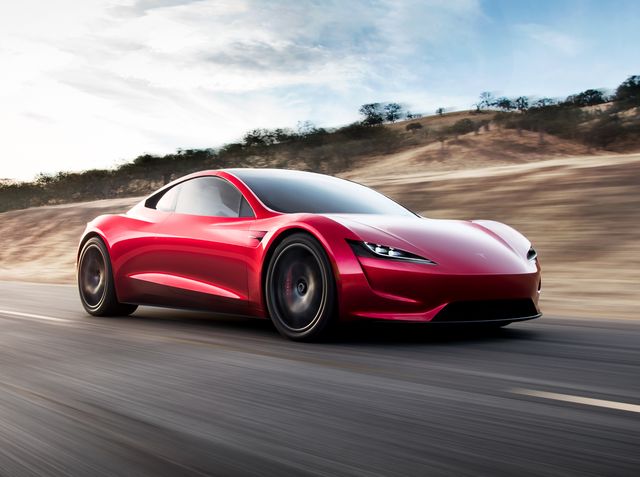
Buying an electric vehicle sounds simple until you actually start shopping. Suddenly you are comparing kilowatt-hours, federal tax rules, home charger costs, tire wear, battery warranties, resale values, and whether your apartment complex has one lonely charger currently occupied by someone’s plug-in hybrid from 2017. Fun, right?
So, should you get an electric vehicle? The financially honest answer is: maybe. An EV can be a brilliant money-saving move for the right driver, especially if you charge at home, drive a predictable number of miles, keep cars for several years, and buy at a smart price. But an EV can also become a shiny rolling spreadsheet error if you overpay, rely on expensive public fast charging, ignore insurance costs, or buy more vehicle than your budget can comfortably handle.
This guide looks at the EV decision through a Financial Samurai-style lens: not just “Is it cool?” but “Does it improve my life without quietly mugging my net worth in the driveway?”
The Quick Answer: Who Should Buy an EV?
You should seriously consider an electric vehicle if you can charge at home, drive at least 8,000 to 15,000 miles per year, have access to reasonably priced electricity, and plan to keep the car long enough for fuel and maintenance savings to matter. EVs are especially attractive for commuters, families with two cars, homeowners with solar panels, and people tired of gas station prices doing interpretive dance every summer.
You may want to wait if you rent without reliable charging, take frequent long road trips through areas with weak charging infrastructure, tow heavy loads often, live where electricity is very expensive, or can only afford the EV by stretching your loan to the emotional equivalent of a 30-year mortgage.
Start With the Real Cost, Not the Sticker Price
The biggest mistake EV shoppers make is comparing only monthly payments. A $55,000 EV with a low promotional lease may look cheaper than a $38,000 gas car, but the total ownership picture includes depreciation, insurance, charging, maintenance, registration fees, tire replacement, and financing costs.
In 2026, new EV prices have become more competitive than they were a few years ago, but many new models still cost more than comparable gas vehicles. Used EVs, however, have become much more interesting. Because many electric cars depreciated quickly after early incentives, lease returns, and rapid improvements in battery technology, shoppers can now find used EVs that are far closer in price to gas-powered equivalents.
That depreciation is bad news if you bought new at the top. It is fantastic news if you are the second buyer. In personal finance, letting someone else absorb the first big depreciation hit is not glamorous, but neither is paying $900 a month to impress people at a grocery store parking lot.
Federal EV Tax Credits Have Changed
For years, clean vehicle tax credits helped make EV math easier. But buyers need to be careful with outdated information. Under current IRS guidance, the new clean vehicle credit and previously owned clean vehicle credit are no longer allowed for vehicles acquired after September 30, 2025. That means many 2026 shoppers should not assume a federal vehicle credit is available.
There is still a separate federal incentive for qualified home EV charging equipment placed in service before July 1, 2026, but eligibility rules apply. State, utility, and local incentives may also exist, and they can vary dramatically by location. Before buying, check your state energy office, utility provider, and dealer paperwork. Incentives are useful, but they should be treated like dessert, not the main meal. If the deal only works because of a rebate you may not receive, the deal does not work.
Charging at Home Is the Financial Sweet Spot
The strongest EV case usually starts in your garage or driveway. Home charging is convenient, cheaper than public fast charging, and kinder to your schedule. Instead of visiting a gas station, you plug in at night and wake up with range. It is basically a smartphone with wheels, except it weighs two tons and gets judged by your neighbors.
Level 1 charging uses a normal 120-volt household outlet. It is slow, often adding only a few miles of range per hour, but it can work for drivers with short commutes. Level 2 charging uses a 240-volt outlet and is the better long-term solution for most EV owners. It can add enough range overnight for daily driving and helps reduce dependence on public chargers.
Installation cost matters. A basic Level 2 setup may be affordable if your electrical panel is nearby and has enough capacity. It can become expensive if you need panel upgrades, trenching, permits, or a long wiring run. Get an electrician’s estimate before you buy the car, not after you are staring at a beautiful EV that charges slower than your patience.
How Much Can You Save on Fuel?
Fuel savings are one of the clearest advantages of owning an EV. The Department of Energy notes that electricity is generally less expensive than gasoline on an energy-equivalent basis, and many EV drivers can save meaningfully over the long run. The EPA has also estimated that switching one car in a household to an EV can save roughly hundreds of dollars per year in fuel, depending on driving habits and energy prices.
Here is a simple example. Suppose you drive 12,000 miles per year. A gas car getting 30 mpg uses about 400 gallons annually. At $4 per gallon, that is $1,600 per year. An EV using 30 kWh per 100 miles would use about 3,600 kWh per year. At $0.16 per kWh, that is $576. Your fuel savings could be about $1,024 per year.
But change the assumptions and the result changes. If gasoline is cheap, electricity is expensive, or you mostly use DC fast chargers, the savings shrink. If gas spikes and you charge at off-peak home rates, the EV looks like a tiny financial genius wearing regenerative brakes.
Maintenance Savings Are Real, But Not Magic
EVs have fewer moving parts than gasoline vehicles. There are no oil changes, spark plugs, timing belts, mufflers, or traditional transmissions to worry about. Regenerative braking can also reduce brake wear. Over time, this can lower routine maintenance costs.
However, EVs are not maintenance-free. They still need tires, cabin air filters, brake fluid, windshield wipers, coolant checks, alignments, and software updates. EV tires can wear faster because battery packs add weight and instant torque makes spirited launches tempting. Translation: if every stoplight becomes a NASA launch simulation, budget for rubber.
Repair costs can also be higher after accidents because EVs use specialized parts, sensors, battery protection systems, and advanced electronics. This is one reason insurance quotes are essential before buying.
Insurance Can Surprise You
Do not buy an EV until you get real insurance quotes for the exact model and trim. Electric cars can cost more to insure because they often have higher purchase prices, expensive components, specialized repair requirements, and limited certified repair networks. Some affordable EVs may insure close to similar gas cars, while luxury EVs can make your premium look like it joined a private country club.
The financial decision should include insurance over the full ownership period. Saving $900 a year on fuel is great. Paying $700 more a year in insurance reduces the victory dance to a polite nod.
Battery Life: Less Scary Than People Think
Battery fear is one of the biggest barriers to EV adoption. People imagine buying a used EV and immediately facing a battery replacement bill large enough to require smelling salts. In reality, most modern EV batteries are designed to last many years, and the standard U.S. battery warranty is commonly around eight years or 100,000 miles, with some brands offering longer coverage.
Battery degradation is real, but it is usually gradual. Many EVs lose some capacity early, then settle into slower aging. Heat, frequent fast charging, repeated deep discharges, and poor charging habits can accelerate wear. For most drivers, practical habits help: charge mostly at home, avoid sitting at 100% for long periods unless needed for a trip, avoid draining to near zero regularly, and use DC fast charging when convenient rather than as your daily diet.
When buying used, check battery health, remaining warranty, real-world range, recall history, and charging history if available. A cheap used EV with weak battery health may not be cheap. A fairly priced used EV with a strong battery and warranty remaining can be a personal finance gem.
Range Anxiety Is Mostly Lifestyle Anxiety
Many newer EVs offer more than 200 miles of range, and some exceed 300 miles. For daily driving, that is plenty for most households. The EPA has noted that many single-car and multi-car households drive far less than a typical modern EV’s range on most days.
The real question is not “Can this EV drive 300 miles?” It is “Can this EV fit my actual life?” If you commute 25 miles, charge at home, and take two big road trips a year, an EV may work beautifully. If you regularly drive long distances through rural areas, tow a boat, and hate planning stops, a hybrid or efficient gas vehicle may be more practical.
Public charging is improving, but reliability can vary. A charger shown on an app may be busy, broken, slow, blocked, or located behind a shopping center next to a dumpster with suspicious vibes. For road trips, the best EV owners plan charging stops the way pilots plan fuel. That sounds dramatic, but after the first few trips, it becomes routine.
Depreciation: Friend or Enemy?
EV depreciation cuts both ways. If you buy new, you risk faster value loss if technology improves quickly, incentives change, or newer models offer more range for less money. If you buy used, that same depreciation can become your advantage.
For financially disciplined buyers, a lightly used EV can be the sweet spot. Look for off-lease models, certified pre-owned programs, remaining battery warranty, and a purchase price low enough to compensate for older technology. Avoid overpaying for features that will not matter in five years. A giant screen is nice, but it will not pay your electric bill, cook dinner, or apologize for depreciation.
EV vs. Hybrid vs. Gas: Which One Wins?
An EV is not automatically the best choice. A hybrid may be the better financial compromise for drivers without home charging or those who take frequent long trips. Hybrids can deliver excellent fuel economy without charging logistics. A gas car may still make sense if you drive very little, buy used at a low price, and want maximum simplicity.
The winning choice depends on your total cost of ownership. Compare three vehicles side by side: purchase price, financing, insurance, fuel or electricity, maintenance, taxes, registration, expected resale value, and your time. Time matters. If charging adds stress, detours, or family arguments in parking lots, include that emotional cost. Personal finance is not just math; it is math plus behavior.
A Financial Samurai EV Buying Checklist
1. Follow the 1/10th Rule If You Want Maximum Freedom
A conservative rule is to spend no more than 10% of your gross annual income on a car. Many people will find that too strict, especially in today’s market, but the spirit is powerful: transportation should not hijack your wealth-building plan. If an EV delays investing, emergency savings, or debt payoff, it is too expensive.
2. Price the Charger Before the Car
Ask an electrician what Level 2 installation would cost. Check whether your panel can handle it. If you rent, ask your landlord or building manager about charging access. Do not assume “I’ll figure it out later” unless you enjoy expensive plot twists.
3. Get Insurance Quotes
Compare at least three insurers. Use the exact VIN or model trim when possible. A performance EV may be fun, but insurers also know it is fun, and they bill accordingly.
4. Calculate Your Fuel Savings Honestly
Use your actual miles, local gas prices, local electricity rates, and expected charging behavior. Public fast charging can be far more expensive than home charging, so do not use home-charging math if you cannot charge at home.
5. Test Your Road-Trip Reality
Map your common long trips using charging apps. Look at station availability, charging speed, plug type, and backup options. If the route looks annoying on paper, it may be more annoying with tired passengers and melting snacks.
When an EV Is a Smart Financial Move
An EV is likely a smart financial move when the purchase price is reasonable, you charge mostly at home, insurance is manageable, your daily driving fits the range easily, and you plan to keep the vehicle for several years. It becomes even better if you can buy used at a discount, benefit from state or utility incentives, or pair charging with low off-peak electricity rates.
For many households, the best setup is one EV plus one gas or hybrid vehicle. The EV handles daily commuting and errands, where it saves the most money. The gas or hybrid car handles long trips, towing, or unpredictable travel. This two-car strategy can offer most of the financial benefits without forcing every family vacation to become a charging infrastructure documentary.
When You Should Not Buy an EV Yet
Do not buy an EV just because it feels futuristic. Buy one because it fits your budget and life. Wait if you lack reliable charging, cannot handle possible repair delays, drive very few miles, or are choosing a luxury EV that crowds out better financial goals.
Also wait if you are only interested because of a low advertised monthly payment. Leases can be useful, especially for fast-changing technology, but watch mileage limits, fees, insurance, and what happens at the end of the term. A low payment can hide a high total cost, the same way a tiny dessert can hide 900 calories and a personal betrayal.
of Real-World Experience: What EV Ownership Feels Like Financially
The best way to understand EV ownership is to imagine your car slowly becoming part vehicle, part appliance, and part budgeting experiment. The first pleasant surprise is convenience. If you can charge at home, you may stop thinking about fuel almost entirely. You come home, plug in, and the car is ready in the morning. There is no detour to a gas station, no standing in the rain, and no mysterious gas pump screen asking whether you want a car wash, a receipt, or emotional closure.
The second surprise is how quickly driving style changes. EVs are quiet, smooth, and quick. Regenerative braking makes stop-and-go traffic feel less wasteful. Many drivers find themselves using one-pedal driving and treating range like a game. The downside is that instant torque can encourage aggressive acceleration, which reduces efficiency and increases tire wear. Your right foot becomes a financial instrument. Use it wisely.
Charging habits become the heart of the experience. Home charging feels luxurious because it turns refueling into a background task. Public fast charging is different. Sometimes it is easy: plug in, grab coffee, return to a healthier battery percentage. Other times, the charger is busy, the payment app misbehaves, or charging speed drops because the battery is cold or already near full. That is when you realize gas stations won on simplicity for a reason.
Financially, the monthly savings can feel real but uneven. You may save on gasoline immediately, especially if you drive a lot. Maintenance may be quieter too, with fewer routine service visits. But insurance, registration fees, tires, and depreciation can push back. The EV owner who wins is usually the one who bought at the right price and charges cheaply. The EV owner who loses is often the one who bought too much car and assumed electricity would magically fix the budget.
Road trips require a mental adjustment. Instead of stopping when the tank is empty, you plan around food, bathrooms, and charger locations. With a good charging network, this can be painless. With a weak route, it can test your inner monk. Families should be especially honest here. A 25-minute charging stop is peaceful when you are alone with a podcast. It is different when children are asking why the car needs “electric dinner” again.
The emotional experience is also interesting. EVs make many gas cars feel old-fashioned, but they also reveal how much your satisfaction depends on infrastructure. A great EV with bad charging access becomes annoying. A modest EV with home charging can feel like a bargain. That is the big lesson: the vehicle matters, but the ecosystem matters more.
In the end, EV ownership is best for people who like planning just enough to save money, but not so much that the car becomes a second job. If the numbers work and charging fits your routine, an EV can be one of the most satisfying purchases you make. If the numbers do not work, congratulate yourself for being financially mature and keep driving what you have. Wealth is built by avoiding expensive mistakes, not by winning every stoplight sprint.
Final Verdict: Should You Get an EV?
Yes, consider getting an EV if it strengthens your financial life instead of decorating it. The best EV purchase is practical, affordable, and boring in all the right ways: reasonable price, low charging cost, predictable range, manageable insurance, and long ownership horizon. The worst EV purchase is emotional, overfinanced, and justified with fuzzy math.
An electric vehicle can absolutely save money, reduce maintenance headaches, and make daily driving more enjoyable. But it is not a universal upgrade. The smartest move is to run your own numbers, test your charging reality, and buy only when the total cost of ownership makes sense.
In true Financial Samurai spirit, the goal is not to own the newest machine on the road. The goal is to own your time, your cash flow, and your freedom. If an EV helps you do that, plug in proudly. If not, wait. The future will still be there, probably with more range and a lower price.