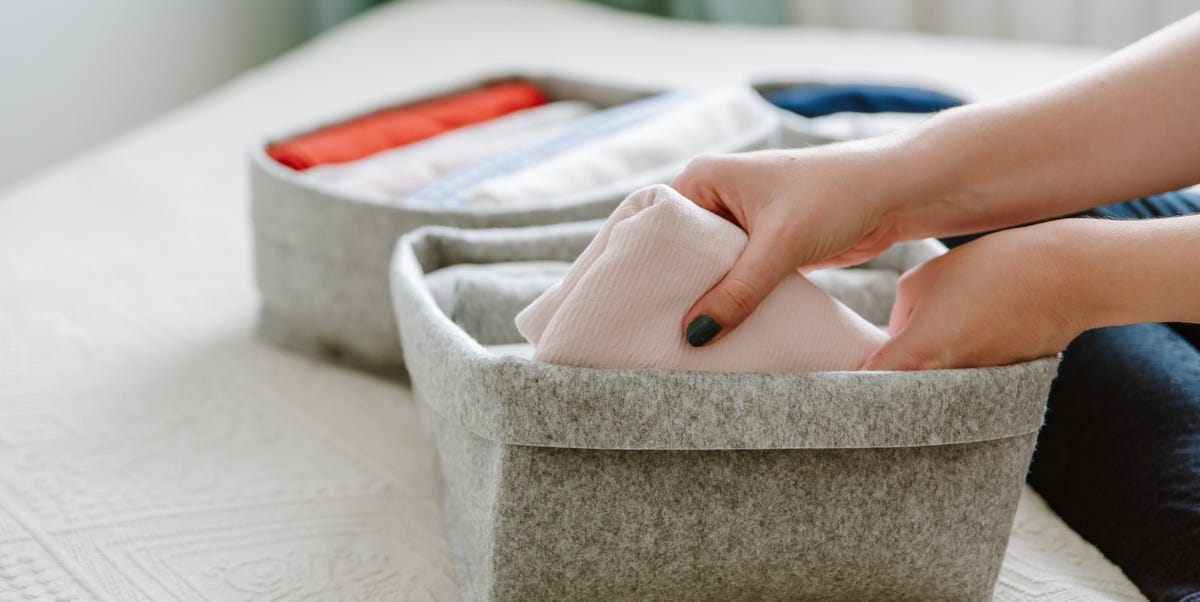
Somewhere in almost every home, there is a cupboard quietly auditioning for a disaster movie. A tower of mismatched mugs leans at a dangerous angle. Three bottles of cinnamon hide behind a lonely bag of rice. A plastic lid exists without a container, which is rude but surprisingly common. If opening your cupboards feels like negotiating with gravity, it is time for a reset.
Learning how to declutter your cupboards with tips from experts is not about creating a magazine-perfect kitchen where every lentil lives in a glass jar with a calligraphy label. It is about building cupboards that work for real life: fast breakfasts, sleepy coffee making, weeknight dinners, snack raids, and the occasional “where did I put the measuring cups?” crisis.
Professional organizers tend to agree on one big idea: clutter is not just “too much stuff.” It is stuff without a logical home. When cupboards are packed with expired food, duplicate gadgets, awkward cookware, and mystery containers, your kitchen becomes harder to use. The good news? You do not need a full remodel, a celebrity pantry, or 47 matching baskets. You need a clear method, a little honesty, and maybe the courage to say goodbye to the novelty waffle maker shaped like a dinosaur.
Why Cupboard Clutter Happens So Easily
Cupboards are closed storage, which makes them both useful and dangerous. Unlike countertops, they hide the evidence. You can push the door shut and pretend everything is fine, even when a bag of flour is slowly becoming modern art in the back corner.
Kitchen cupboard clutter usually comes from five everyday habits: buying duplicates because you cannot see what you own, keeping items “just in case,” storing things where they do not match your routine, failing to remove expired or stale food, and letting packaging take up more room than the product itself. Add deep shelves, high cabinets, and a few oddly shaped appliances, and even a neat person can end up with a cupboard that looks like it lost a wrestling match.
Experts recommend treating cupboards as working zones rather than random storage caves. Plates should live near the dishwasher or dining area. Spices should live near cooking prep. Baking supplies should live together. Snacks should not require a treasure map. The goal is simple: store items where you naturally use them.
Step 1: Empty One Cupboard at a Time
The fastest way to declutter kitchen cupboards is also the step most people try to avoid: take everything out. Yes, everything. The half-used pasta, the chipped bowl, the birthday candles, the soup can from another presidential administration. Emptying the cupboard lets you see the full picture instead of making tiny decisions through a six-inch gap between cereal boxes.
Start small if your kitchen is overwhelming. Choose one cupboard, one shelf, or one category. Professional organizers often recommend avoiding the “destroy the whole kitchen in one afternoon” approach because it creates decision fatigue. If you empty every cupboard at once, you may end up sitting on the floor at midnight surrounded by mugs, muttering, “I live here now.”
Create Four Sorting Zones
Before you begin, set up four areas: keep, donate, relocate, and toss. The keep pile is for items you use, love, or truly need. The donate pile is for usable items in good condition that no longer serve your household. The relocate pile is for things that belong elsewhere, such as light bulbs, batteries, office supplies, or pet items. The toss pile is for expired food, broken tools, cracked dishes, warped plastic, and anything sticky in a way that cannot be explained.
This simple sorting system prevents the classic decluttering mistake of moving clutter from one cupboard to another. Relocation is not organization. It is clutter with a passport.
Step 2: Check Food Safety Before You Organize
Pantry decluttering is not only about appearance. It is also about freshness, food safety, and reducing waste. As you sort cupboard food, check dates, packaging condition, and signs of pests. Dry goods such as flour, rice, cereal, nuts, pasta, and baking mixes can lose quality over time, especially after opening. Items stored in ripped bags or loose packaging may also attract pantry insects.
Do not panic over every “best by” date. Many shelf-stable foods remain safe beyond quality dates if the packaging is intact and the food looks and smells normal. However, there are important exceptions. Do not use infant formula past its use-by date. Toss cans that are bulging, leaking, badly dented, or rusted. Home-canned foods should be treated more cautiously and generally used within a shorter time frame than commercial canned goods.
Use the Sniff, Sight, and Structure Test
When deciding whether pantry food stays or goes, use three checks. First, smell it. Rancid nuts, stale crackers, and old oils usually announce themselves like an unwanted trumpet solo. Second, look for discoloration, mold, insects, webbing, or powdery residue. Third, check the structure of packaging. Torn bags, swollen cans, and sticky lids are red flags.
If you are uncertain, choose safety. Saving two dollars of questionable breadcrumbs is not worth turning dinner into a suspense thriller.
Step 3: Remove Duplicates and “Someday” Items
Duplicate items are one of the biggest causes of cupboard clutter. Most households do not need five vegetable peelers, four corkscrews, three garlic presses, and a museum-grade collection of takeout chopsticks. Keep the best version, the one you actually reach for, and let the rest go.
Apply the same logic to mugs, water bottles, food storage containers, serving platters, travel cups, baking pans, and small appliances. If an item has not been used in the past year, ask why. Does it serve a seasonal purpose? Is it part of a real tradition? Or is it living rent-free in your cupboard because you once imagined becoming the kind of person who makes homemade pasta every Tuesday?
Try the Move-Out Question
One expert-approved decluttering trick is to ask, “Would I pack this if I were moving?” Moving forces honest decisions because every item requires time, space, and effort. If you would not box it, carry it, unpack it, and find it a new home, you probably do not need it in your cupboard today.
This question works especially well for specialty gadgets, duplicate bakeware, novelty dishes, and old entertaining pieces. Keep what supports the life you actually live, not the imaginary dinner party attended by twelve people who all need tiny ramekins.
Step 4: Group Like With Like
Once you have edited your items, group similar things together. This is the backbone of kitchen cupboard organization. Put baking supplies with baking supplies, breakfast foods with breakfast foods, canned goods with canned goods, and food storage containers with their lids. When categories are scattered, you buy extras because you cannot see what you already own.
Common cupboard categories include everyday dishes, glassware, mugs, spices, oils and vinegars, canned goods, baking ingredients, snacks, breakfast items, grains and pasta, food storage containers, lunch supplies, small appliances, serving pieces, and cleaning supplies if they are stored in the kitchen.
Keep categories simple. A cupboard should not require an advanced filing system. “Weeknight dinner ingredients” is useful. “Imported legumes arranged by emotional energy” is probably too much, unless that genuinely brings you joy.
Step 5: Create Kitchen Zones Based on Your Routine
The best cupboard organization system is the one that matches how you cook, clean, and move through your kitchen. Think in zones. A coffee zone might include mugs, filters, beans, sweeteners, and travel cups near the coffee maker. A baking zone might include flour, sugar, measuring cups, mixing bowls, baking sheets, and vanilla near the prep counter. A lunch-packing zone might include containers, snack bags, napkins, and shelf-stable lunch items together.
Zones reduce friction. Instead of walking across the kitchen six times to make pancakes, you can open one cupboard and find the ingredients and tools you need. This is the organizing equivalent of giving your future self a high-five.
Store by Frequency of Use
Professional organizers often recommend placing daily-use items at eye level or within easy reach. Occasional items can go higher, lower, or farther back. Rarely used holiday platters, turkey basters, fondue pots, or oversized punch bowls do not deserve prime cupboard real estate unless your household lives a very festive life.
For deep cupboards, place frequent-use items in front and occasional items behind them in labeled bins. If you must move three things to reach one thing every day, your cupboard is not organized; it is testing your patience.
Step 6: Choose Smart Storage Tools, Not Random Containers
Storage products can help, but buying organizers before decluttering is like buying picture frames before deciding which photos you like. First edit, then measure, then choose tools that solve specific problems.
The most useful cupboard organizers include clear bins, shelf risers, lazy Susans, pull-out baskets, drawer dividers, vertical pan racks, lid organizers, stackable containers, and over-the-door racks. Clear bins work well for snacks, packets, baking supplies, and small pantry items. Shelf risers create extra vertical space for mugs, bowls, cans, and plates. Lazy Susans are excellent for oils, vinegars, spices, condiments, and awkward deep corners.
Measure Before You Buy
Measure cupboard width, depth, and height before purchasing storage products. Pay attention to hinges, shelf pegs, pipes, and door clearance. A beautiful bin that prevents the cupboard door from closing is not an organizer; it is furniture drama.
If you are decanting dry goods into containers, choose airtight options for foods that go stale or attract pests. Label containers with the product name and, if useful, the purchase or expiration date. Clear containers can help you see inventory quickly, but they are not mandatory. If original packaging includes important cooking directions or allergen information, cut out the label or keep it with the container.
Step 7: Fix the Food Storage Container Problem
Every kitchen has a food storage container situation. Sometimes it is a drawer. Sometimes it is a cupboard. Sometimes it is a plastic avalanche waiting for one innocent human to open the door.
Start by matching containers to lids. Recycle or discard anything without a match, anything cracked, anything warped, and anything permanently stained beyond your comfort level. Then decide how many containers your household realistically needs. Keep a range of sizes you actually use, not every container that ever came home from a holiday leftovers exchange.
Store lids vertically in a divider or bin. Nest containers by shape and size. If possible, avoid mixing too many brands and shapes because they rarely stack well together. A simplified container collection saves space and reduces the daily lid-hunting ceremony.
Step 8: Organize Deep and High Cupboards Strategically
Deep cupboards are where good intentions go to nap. The back area becomes invisible, and invisible items turn into duplicates, waste, and forgotten purchases. The solution is to make the back accessible.
Use deep bins like drawers so you can pull out an entire category. Put backup items, party supplies, or seasonal tools in the back, but label them clearly. Lazy Susans help with round bottles and jars. Tiered shelves work for cans and spices because they let you see what is hiding in the second and third rows.
For high cupboards, store lightweight and occasional-use items. Avoid putting heavy appliances overhead unless you enjoy combining cooking with weightlifting and mild fear. Use labeled bins with handles so you can pull items down safely.
Step 9: Label Without Turning Your Kitchen Into a Library
Labels are helpful because they tell everyone in the household where things belong. They also reduce the chance that crackers end up with baking supplies or batteries move into the tea basket. Labels do not need to be fancy. Painter’s tape and a marker work. So do printed labels, chalk labels, or simple adhesive tags.
Label categories, not every single object. “Snacks,” “Baking,” “Pasta + Rice,” “Breakfast,” “Lunch Supplies,” and “Backstock” are usually enough. The label is not there to impress guests. It is there to help your kitchen recover after groceries, busy mornings, and other natural disasters.
Step 10: Restock With the First-In, First-Out Rule
After decluttering your cupboards, keep them that way with a simple grocery rule: first in, first out. Put newer items behind older ones so the older food gets used first. This is especially useful for canned goods, pasta, cereal, snacks, baking supplies, oils, and condiments.
When you bring groceries home, take one minute to check the cupboard before adding new items. Combine duplicates when safe and practical. Remove empty boxes. Break down bulky packaging. Put loose packets into bins. A tiny restocking routine prevents the cupboard from returning to chaos by next Thursday.
What to Toss, Donate, or Relocate
If you are staring at your cupboards and feeling unsure, use this quick guide.
Toss These Items
Toss expired infant formula, bulging or leaking cans, food with pests, stale or rancid dry goods, broken dishes, cracked glasses, warped plastic containers, unmatched lids, rusty tools, and anything that cannot be cleaned safely.
Donate These Items
Donate duplicate utensils, unused small appliances in good working condition, extra mugs, serving pieces, unopened non-expired pantry items accepted by local food programs, and specialty cookware you no longer use.
Relocate These Items
Move non-kitchen items to better homes. Office supplies, medicine, batteries, pet grooming tools, hardware, mail, craft materials, and random cords do not need to compete with dinner plates. Give them a proper location elsewhere.
Common Cupboard Decluttering Mistakes to Avoid
The first mistake is buying storage bins too early. Declutter first so you know what you actually need. The second mistake is keeping too many “maybe someday” items. Someday is not a storage plan. The third mistake is organizing for aesthetics instead of function. A cupboard can look beautiful and still be annoying if the cereal is out of reach and the saucepan lives behind the cake stand.
Another common mistake is ignoring household behavior. If your family always drops snacks on the lowest shelf, design around that habit instead of fighting it. If children pack their own lunches, keep lunch supplies where they can reach them. If you cook every night, prioritize prep tools and ingredients over decorative serving pieces.
Finally, do not aim for perfection. Cupboards are working spaces. They will shift, fill, empty, and occasionally host a rogue granola bar. The goal is not perfection; the goal is easy recovery.
A Simple 30-Minute Cupboard Decluttering Plan
If you want a quick win, set a timer for 30 minutes and follow this plan. Spend five minutes emptying one cupboard. Spend ten minutes sorting items into keep, donate, relocate, and toss. Spend five minutes wiping shelves. Spend five minutes grouping items by category. Spend the final five minutes putting everything back in order of frequency of use.
This small session can transform one messy area without exhausting you. Repeat the process over several days until every cupboard has been edited. Short sessions are especially helpful for busy households because they reduce the emotional weight of decluttering. You are not “organizing the whole kitchen.” You are simply rescuing one shelf from becoming a snack swamp.
How to Maintain Decluttered Cupboards
Maintenance is where the magic happens. Once your cupboards are organized, schedule a light reset every month and a deeper review every season. Monthly, check for empty packaging, stale snacks, misplaced items, and duplicates. Seasonally, review baking supplies, spices, canned goods, and rarely used cookware.
Use a shopping list to prevent overbuying. Before buying more pantry staples, check what you already have. Keep backstock limited to items your household uses consistently. Bulk shopping is only a bargain if you have space for it and use the food before it loses quality.
Take a quick photo of each finished cupboard if you share the kitchen with others. A photo gives everyone a visual guide and helps restore order after groceries or guests. It may feel a little extra, but so is owning six open bags of chocolate chips.
Experience-Based Lessons: What Cupboard Decluttering Really Feels Like
The most surprising part of decluttering cupboards is not how much space appears. It is how quickly daily routines improve. In many homes, the kitchen feels stressful not because it is too small, but because every task requires searching. Making coffee means moving mugs. Cooking rice means finding the measuring cup. Packing lunch means wrestling a plastic container from a leaning tower of lids. Once the cupboards are edited and zoned, ordinary tasks become calmer.
One common experience is discovering that clutter often hides abundance. People think they are out of pasta, then find four boxes in three different cupboards. They buy more cinnamon, only to discover two jars behind the baking powder. They assume they need new storage products, but after removing expired snacks, duplicate mugs, and unused gadgets, the original shelves suddenly work fine. The cupboard did not need a luxury makeover. It needed breathing room.
Another lesson is that “useful” does not always mean “useful to you.” A melon baller is useful. A tiny tart pan is useful. A spiralizer is useful. But if you do not use them, they are not serving your kitchen. They are occupying space that could hold the tools you reach for every week. Decluttering becomes easier when you stop asking, “Could this be useful?” and start asking, “Is this useful in my actual life?”
Families often notice that labels reduce small arguments. Without labels, everyone has a different theory about where granola bars, rice, or lunch containers belong. With labels, the cupboard becomes a quiet referee. Children can help unload groceries. Partners can find ingredients without shouting from the kitchen, “Where do we keep the thing?” Labels are not about being overly tidy; they are about making the system obvious.
There is also a money-saving effect. Once cupboards are clear, grocery shopping becomes more accurate. You can see the beans, cereal, flour, and snacks you already own. You use older items first. You waste less. You stop buying duplicates out of uncertainty. A tidy cupboard is basically a tiny financial advisor wearing an apron.
The emotional benefit matters too. A decluttered cupboard gives you a small but real sense of control. You open a door and see categories, not chaos. You can cook without starting with an archaeological dig. You can invite someone over without shoving everything into a cabinet and hoping physics remains cooperative. The kitchen feels less like a storage unit and more like a place where meals happen.
The best experience-based advice is to make the system forgiving. Leave a little empty space on each shelf. Do not fill every bin to the top. Keep categories broad enough that people can follow them. A cupboard that is too tightly organized can fail the first time someone brings home groceries in a hurry. A good system has wiggle room. It accepts real life, including tired evenings, hungry children, and the occasional emergency cookie purchase.
Most importantly, decluttering cupboards is not a one-time personality transformation. You do not become a different person because your pasta is in a clear bin. You simply create a kitchen that supports the person you already are. That is the real expert secret: organize for your habits, your food, your space, and your routines. When your cupboards match your life, staying organized becomes much easier.
Conclusion
Decluttering your cupboards does not require perfection, expensive products, or a pantry that looks ready for a television reveal. It requires honest editing, smart grouping, practical storage, and a maintenance routine simple enough to repeat. Empty one cupboard, sort what you own, remove what no longer belongs, group items by category, and store everything according to how often you use it.
When you declutter your cupboards with expert-backed strategies, your kitchen becomes easier to cook in, easier to clean, and easier to enjoy. You waste less food, buy fewer duplicates, and spend less time searching for the lid that definitely existed yesterday. Best of all, you get that tiny daily pleasure of opening a cupboard and not being attacked by a falling bag of crackers. That, frankly, is modern luxury.
Note: This article is written for web publication and synthesizes current expert guidance from reputable U.S. home organization, cleaning, kitchen, and food-safety resources. Source links are intentionally omitted according to the publishing instructions.