Empathy is not a decorative personality trait. It is a survival skill, a classroom skill, a workplace skill, a family skill, and, on certain Tuesdays before coffee, possibly a miracle.
The Moment I Realized Empathy Was Not “Just Being Nice”
For a long time, I thought empathy meant being kind, nodding at the right moments, and saying, “That must be hard,” with the facial expression of a concerned golden retriever. It sounded simple. Then life introduced me to people who were hurting in ways I did not understand, disagreeing in ways that made my eyebrows climb, or behaving in ways that made me want to send my patience out for repairs. That was when I learned empathy is much deeper than politeness.
Empathy is the ability to recognize another person’s emotional world, imagine their perspective, and respond with care rather than reflexive judgment. It is not the same as agreement. It is not weakness. It is not letting people walk across your boundaries wearing muddy boots. True empathy says, “I may not see the world exactly as you do, but I am willing to look long enough to understand why you see it that way.”
That shift matters because we live in a world where misunderstanding travels faster than a sneeze in a crowded elevator. Families argue through half-read text messages. Students struggle quietly while adults assume they are “not trying.” Online debates turn humans into cartoon villains before anyone asks a second question. Empathy is the pause button we desperately need. It gives us a chance to choose curiosity before cruelty, connection before contempt, and wisdom before the dramatic satisfaction of being “right.”
What Is Empathy, Really?
Empathy has several layers, and understanding them helps us teach it more effectively. The first layer is emotional empathy, which is the ability to feel with another person. When a friend is nervous before a big exam and your own stomach tightens a little, that is emotional empathy doing its tiny internal gymnastics routine.
The second layer is cognitive empathy, often called perspective-taking. This is the ability to mentally step into another person’s viewpoint. It asks, “What might this situation look like from where they are standing?” Cognitive empathy is especially important when emotions are messy, cultures differ, or someone’s experience is far from our own.
The third layer is compassionate empathy, which turns understanding into helpful action. It is not enough to notice that someone is drowning in stress and then admire your own emotional intelligence from the shore. Compassionate empathy asks, “What support would actually help?” Sometimes that support is a conversation. Sometimes it is practical help. Sometimes it is simply not making a difficult moment worse, which, frankly, is an underrated social achievement.
Empathy Is a Skill, Not a Magic Gene
One of the most hopeful findings from psychology and education research is that empathy can be cultivated. People are not born with a fixed “empathy tank” that is either full, empty, or mysteriously leaking. Children, teenagers, and adults can learn to listen better, read emotions more accurately, manage their own reactions, and practice perspective-taking.
This is why teaching empathy matters. If empathy were only an inborn trait, schools and families could only cross their fingers and hope. But if empathy grows through modeling, practice, storytelling, reflection, emotional literacy, and meaningful relationships, then every classroom, dinner table, sports team, and workplace becomes a training ground.
Why the Root of Empathy Begins With Being Seen
The root of empathy is not a lecture. It is an experience. Before people learn to care well for others, they usually need to know what it feels like to be cared for themselves. A child who is listened to learns that listening has value. A student whose frustration is understood learns that emotions can be named instead of hidden. A teenager whose mistake is corrected without humiliation learns that accountability and dignity can share the same room.
This does not mean children need perfect adults. Good news: perfect adults remain unavailable, apparently due to supply chain issues. What young people need are adults who repair, explain, apologize, and model emotional honesty. When a teacher says, “I was frustrated earlier, and I should have handled that better,” students witness responsibility in real time. When a parent says, “I understand you are angry, but we still need to speak respectfully,” a child learns that empathy and boundaries can stand side by side.
Empathy Starts With Emotional Vocabulary
You cannot manage what you cannot name. A child who only knows “mad,” “sad,” and “fine” has three crayons for a mural-sized emotional life. Teaching empathy begins with helping children identify feelings: disappointed, embarrassed, jealous, overwhelmed, proud, lonely, relieved, anxious, hopeful. The richer the vocabulary, the easier it becomes to understand oneself and others.
In classrooms, emotional check-ins can be simple. Students might choose a word that describes their mood, write a short reflection, or discuss how a character in a story might be feeling. At home, families can ask better questions than “How was your day?” which often receives the classic teenage TED Talk: “Good.” Try “What was one moment today that changed your mood?” or “Who needed help today?” These questions quietly train attention.
Why We Must Teach Empathy in Schools
Some people worry that teaching empathy distracts from academics. But empathy is not a fluffy extra floating beside “real learning” like a decorative balloon. It supports the conditions that make learning possible. Students learn better when they feel safe, respected, connected, and capable of working with others. Empathy strengthens those conditions.
Social and emotional learning frameworks often include skills such as self-awareness, social awareness, relationship-building, responsible decision-making, and self-management. Empathy sits right in the middle of that map. A student who can understand another person’s perspective is better prepared to collaborate, resolve conflict, participate in discussion, and contribute to a healthy classroom culture.
Imagine a group project without empathy. One student dominates, another disappears into silence, two argue about the font size, and someone names the file “final_FINAL_reallyfinal_v9.” Now imagine students who can ask, “What role would help you participate?” “Why do you see it that way?” “How can we divide the work fairly?” That is not just kindness. That is productivity wearing better shoes.
Empathy Reduces Cruelty Before It Becomes a Habit
Bullying, exclusion, and casual meanness often grow where people fail to recognize another person’s inner life. Empathy interrupts that pattern. When students learn that every classmate has fears, family stories, private struggles, hopes, and dignity, it becomes harder to reduce someone to a joke, a rumor, or a target.
Empathy education should not be vague or sentimental. It should be practical. Students can practice recognizing facial expressions and tone, listening without interrupting, disagreeing respectfully, noticing who is left out, and repairing harm after conflict. These are teachable behaviors. They can be modeled, practiced, discussed, and reinforced.
How Stories Build the Empathy Muscle
Stories are one of the oldest empathy technologies humans have. Before spreadsheets, podcasts, and comment sections with suspiciously confident strangers, people used stories to understand what others feared, loved, lost, and learned. Literature, history, biography, film, theater, and personal narratives all invite us to live briefly inside a different experience.
When students read a novel about a child in another era, interview a grandparent, write from a character’s point of view, or listen to a classmate’s personal story, they practice emotional imagination. They learn that people make choices within circumstances. They discover that behavior often has a backstory. This does not excuse harm, but it helps explain complexity.
Perspective-Taking Is Not Guessing Wildly
Teaching perspective-taking also requires humility. We should not tell students, “Pretend you know exactly how someone else feels.” That can become imagination with a fake mustache. Better instruction says, “Based on what you know, what might this person be feeling? What do you still not know? What question could you ask respectfully?”
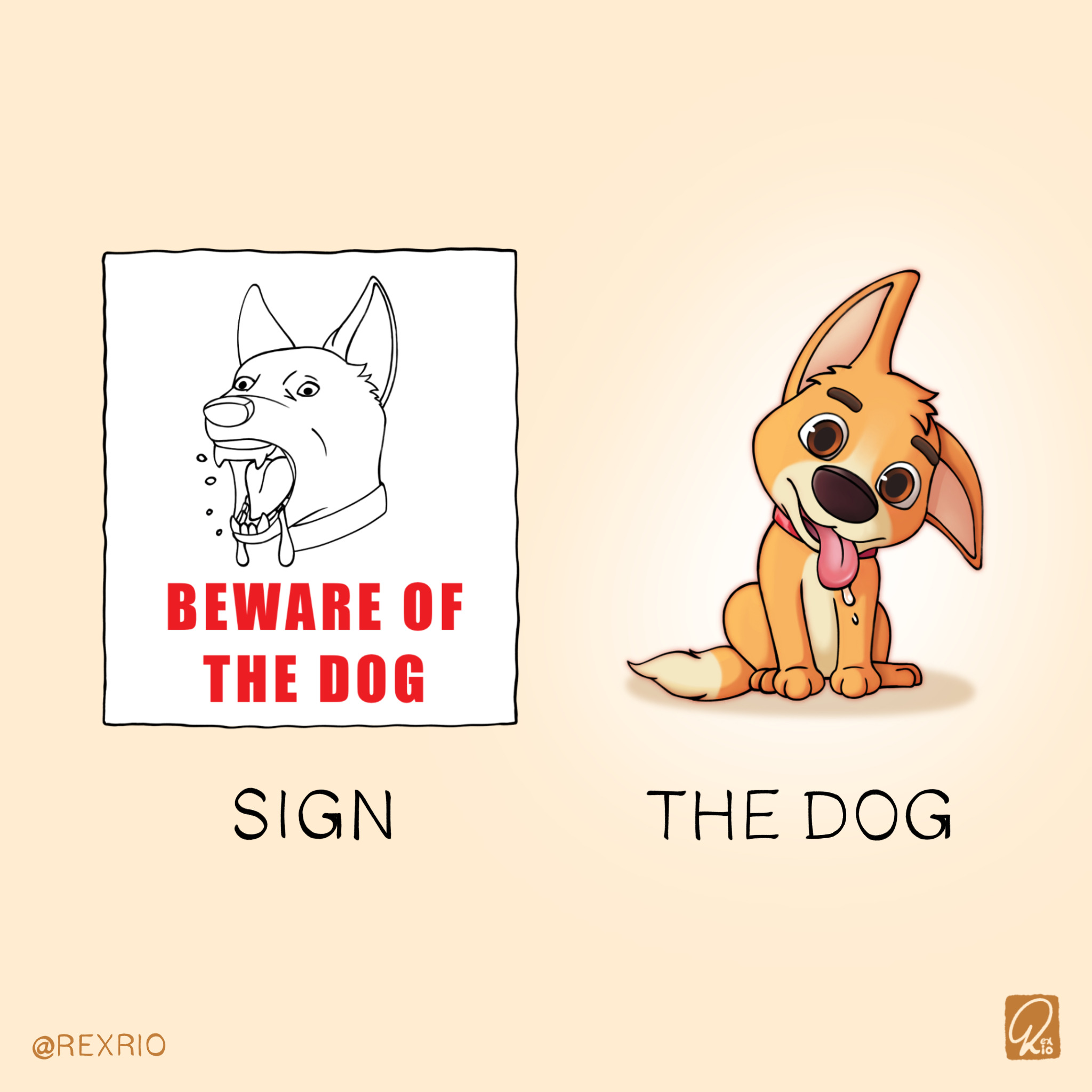
This distinction is important. Empathy is not mind-reading. It is careful attention combined with curiosity. It teaches students to move from assumption to inquiry. Instead of saying, “She is rude,” they might ask, “Is she overwhelmed, uncomfortable, tired, or dealing with something I cannot see?” Sometimes the answer is still, “Nope, that was rude.” But even then, empathy helps us respond with proportion rather than emotional fireworks.
Empathy at Home: The First Classroom
Parents and caregivers are powerful empathy teachers because children watch adults constantly. They watch how adults treat servers, neighbors, relatives, strangers, and people who disagree with them. They watch whether apologies are given freely or treated like rare museum artifacts. They watch whether emotions are discussed or swept under the rug until the rug develops a suspicious emotional lump.
One of the best ways to teach empathy at home is to model it out loud. “The cashier seemed tired today; I wonder if it has been a long shift.” “Your brother looked disappointed when the game ended. What could we say?” “I understand you wanted the toy, but grabbing it hurt your friend.” These small comments teach children to notice feelings beyond their own.
Make Caring a Family Standard
Families can also make caring part of the household identity. That does not require dramatic speeches or inspirational wall decals. It can be as simple as asking, “Who did you help today?” “Who helped you?” “Was there a moment when someone needed kindness?” Over time, these questions signal that achievement matters, but character matters too.
Children should also see adults care beyond the family circle. Helping a neighbor, writing a thank-you note, volunteering, donating thoughtfully, or speaking respectfully about people from different backgrounds all widen a child’s circle of concern. Empathy grows when the “us” expands.
The Hard Part: Empathy for People We Disagree With
Empathy is easiest when the other person is lovable, polite, and preferably holding a puppy. The real test arrives when someone is annoying, defensive, unfair, or deeply convinced that their terrible opinion is a national treasure. But empathy for difficult people is not surrender. It is disciplined understanding.
We can teach young people that empathy does not require agreement. You can understand why someone feels angry without approving of what they do with that anger. You can listen to a classmate’s frustration without accepting insults. You can try to understand a viewpoint while still challenging it with evidence and moral clarity.
Boundaries Make Empathy Sustainable
Without boundaries, empathy can become exhaustion. Students and adults need to learn the difference between caring and carrying everything. Healthy empathy says, “Your feelings matter, and so do mine.” It allows people to support others without becoming emotionally swallowed by every crisis.
This matters especially in helping professions, classrooms, families, and online communities. Empathy must be paired with self-regulation. Before responding to someone else’s pain or anger, we may need to breathe, pause, ask a clarifying question, or step away. The goal is not to become an emotional sponge. Sponges, as noble as they are, usually end up soggy and forgotten by the sink.
Practical Ways to Teach Empathy
1. Model the Behavior You Want to See
Children learn empathy by receiving it and observing it. Adults can model active listening, respectful disagreement, emotional honesty, and repair after mistakes. A teacher who listens carefully to a student’s concern teaches more than a poster about kindness ever could.
2. Use Literature, History, and Real Stories
Stories help students explore lives beyond their own. Ask questions such as: What does this character want? What is this person afraid of? What choices were available? What would support have looked like in this moment?
3. Practice Listening Without Fixing Immediately
Many of us listen the way people race through airport security: rushed, tense, and already thinking about the next step. Teach students to listen first. They can paraphrase what they heard, ask one thoughtful question, and resist the urge to instantly give advice.
4. Build Cooperative Projects
Group work can teach empathy when roles are clear and reflection is included. Students should discuss not only what they produced, but how they treated each other during the process. Collaboration without reflection is just chaos with markers.
5. Teach Repair
Empathy becomes real when harm is repaired. Students need language for apology, accountability, and restoration: “I understand that my words affected you.” “I should have asked instead of assuming.” “What can I do to make this right?”
6. Encourage Service Learning
Service learning connects empathy to action. When students work on real community needs, they learn that compassion is not just a feeling. It is planning, listening, showing up, and following through.
My Personal Journey Deeper Into Empathy
My journey to the root of empathy did not begin with a grand revelation. There was no mountain, no wise owl, no dramatic soundtrack. It began with small failures. I interrupted people when I should have listened. I gave advice when someone needed comfort. I assumed quiet people had nothing to say and loud people had too much confidence. I mistook efficiency for understanding. In other words, I was very human, which is often inconvenient but educational.
One experience that changed me was watching a student shut down during a discussion. At first, the room interpreted the silence as disinterest. The student looked away, answered briefly, and seemed determined to become invisible. It would have been easy to label the behavior as laziness or attitude. But later, in a quieter conversation, the truth was different. The student was not careless. The student was afraid of being wrong in public. That fear had been mistaken for defiance. Once I understood that, the solution changed. The student did not need a lecture about participation. The student needed safer entry points: time to write before speaking, smaller group discussion, and reassurance that mistakes were part of learning.
That moment taught me a lesson I have never forgotten: behavior is the headline, not the whole article. Empathy asks us to read below the headline. It asks us to look for context before we write someone off. This does not mean every behavior is acceptable. The student still needed to participate. But empathy helped identify the right doorway.
Another experience came from a disagreement with a friend. We were talking about a social issue, and I was fully prepared to win the conversation. I had facts. I had examples. I had the emotional posture of a courtroom attorney in a television drama. But halfway through, I realized I was not listening. I was reloading. My friend’s opinion came from a family experience I had never had. Once I heard the story behind the view, my response softened. I still disagreed with parts of the argument, but I no longer saw my friend as careless or foolish. I saw someone shaped by pain, loyalty, fear, and love. That made the conversation more honest.
Empathy also changed the way I think about online life. The internet rewards quick judgment. It turns outrage into entertainment and misunderstanding into a competitive sport. But behind every profile picture is a nervous system, a history, a person who has probably had bad sleep, family stress, embarrassing memories, and at least one email they are avoiding. Remembering that does not mean tolerating abuse or misinformation. It means refusing to become cruel just because the platform makes cruelty easy.
The deeper I traveled into empathy, the more I realized it is not soft. It is strong. It takes strength to stay curious when you feel defensive. It takes strength to apologize without adding a twelve-page footnote explaining why you were technically provoked. It takes strength to listen to someone’s pain without immediately making yourself the main character. Empathy is emotional discipline. It is not a pillow; it is a practice.
That is why we must try to teach it. We teach math because numbers shape decisions. We teach reading because language opens the world. We teach science because evidence matters. Empathy belongs beside them because human beings must live, learn, work, disagree, forgive, build, and solve problems together. A brilliant person without empathy may still succeed, but they may leave a trail of bruised relationships behind them. A society without empathy can become efficient and empty at the same time.
Teaching empathy will never be perfect. Some lessons will sound awkward. Some students will roll their eyes so dramatically they could power a small wind turbine. Some adults will confuse empathy with weakness. But we keep trying because the alternative is worse. The alternative is a world where people become problems to defeat instead of humans to understand. Empathy will not fix everything, but it changes the starting point. And sometimes, changing the starting point changes the whole journey.
Conclusion: Empathy Is the Lesson Under Every Lesson
My journey to the root of empathy has taught me that empathy is not a decorative virtue we mention during assemblies and forget by lunch. It is a practical human skill built through attention, language, modeling, stories, boundaries, reflection, and repair. It helps children become better classmates, adults become better leaders, and communities become less allergic to difference.
We must teach empathy because people are not born knowing how to understand one another well. We learn it through being understood, through practicing perspective-taking, through making mistakes, and through discovering that every person carries an unseen story. Empathy does not ask us to agree with everyone. It asks us to remember that everyone is human before we decide what to do next.
Note: This article synthesizes reputable U.S.-based research and educational perspectives from psychology, social-emotional learning, child development, neuroscience, and classroom practice. Source links are intentionally omitted for publication-ready readability.