Note: This original, web-ready article is based on widely accepted dog behavior and pet-safety guidance from reputable U.S. veterinary, animal welfare, and dog-training resources.
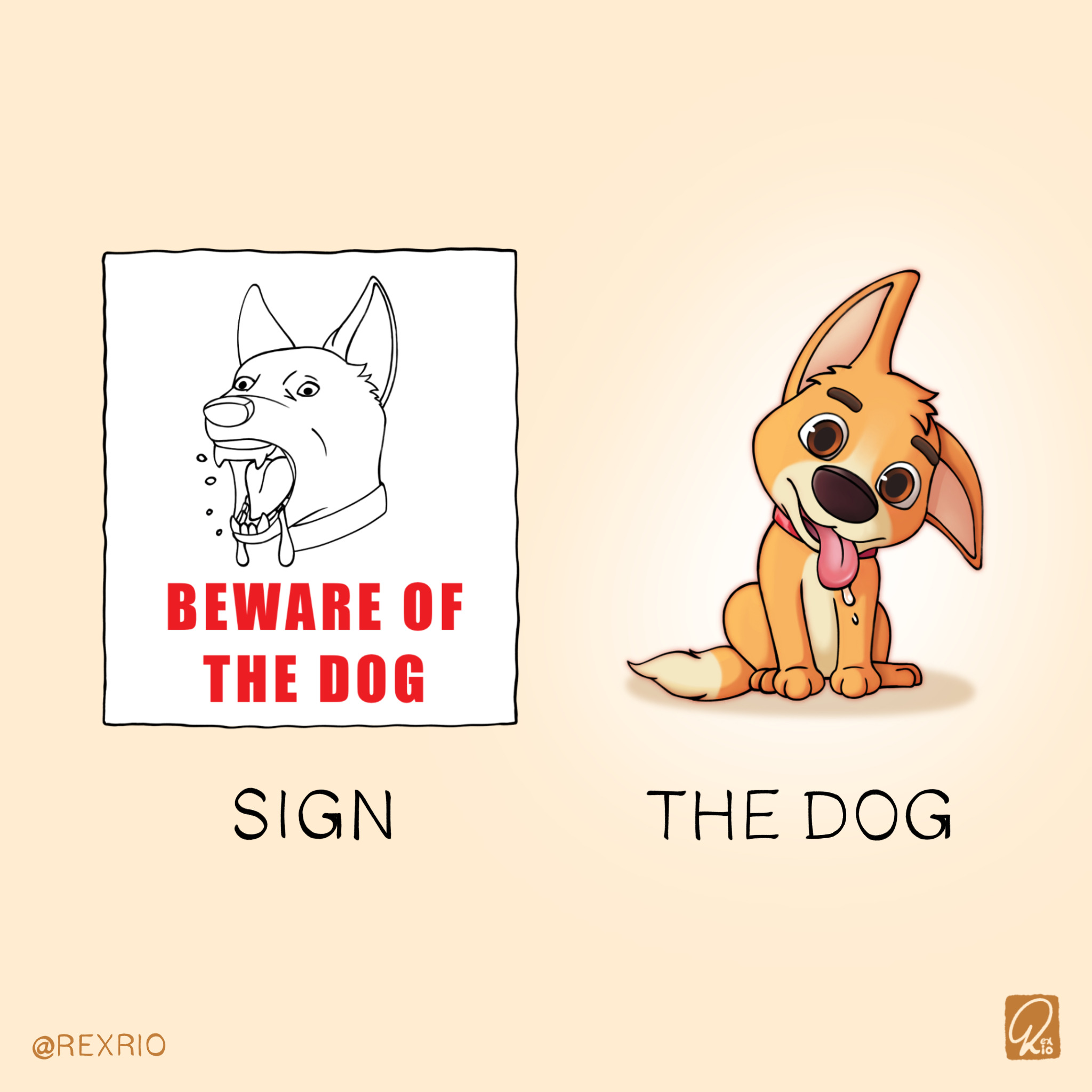
Every dog is basically walking around with a tiny billboard that says, “Please read the signs before you do something weird.” Unfortunately, humans are famous for missing those signs. We see a wagging tail and think, “Best friend!” We see a dog licking its lips and think, “Snack time!” We hear a growl and think, “Rude.” Meanwhile, the dog is over there running a full communication department with ears, eyes, tail, paws, posture, breathing, and one extremely dramatic side-eye.
The phrase “Sign And The Dog” may sound simple, but it opens the door to one of the most important parts of living safely and happily with dogs: understanding what they are trying to tell us. Dogs do not speak English, but they are not silent. They communicate constantly through body language, vocal sounds, movement, facial expressions, and behavior changes. A relaxed dog, a nervous dog, a playful dog, and a dog who needs space all show different signs. Learning those signals can make you a better pet parent, safer neighbor, more thoughtful visitor, and, frankly, a much less confusing human.
This guide explores the most common signs dogs give, how to read them in context, and what people often misunderstand. Whether you own a Labrador with the social energy of a cruise director, a Chihuahua with the confidence of a tiny security guard, or a rescue dog who needs patience and trust, reading dog signs is not just cute trivia. It is a real-life skill.
What Does “Sign And The Dog” Really Mean?
At its heart, “Sign And The Dog” is about communication. A dog gives signs before it acts. Those signs may say, “I am happy,” “I am unsure,” “I want to play,” “I need space,” “I am scared,” or “Please stop touching my ears, Gary.” The challenge is that humans often focus on one signal instead of the whole dog.
A wagging tail, for example, does not always mean friendliness. It can mean excitement, uncertainty, tension, or alertness depending on the dog’s posture, tail height, speed of wagging, facial tension, and the situation. A dog who is loose, wiggly, and softly wagging is very different from a dog standing stiff with a high, fast tail wag. One says, “Hello, perhaps we shall become pals.” The other may be saying, “I am watching you very carefully, mysterious shoe-wearing mammal.”
The best way to understand dog body language is to read the entire picture: ears, eyes, mouth, tail, posture, movement, environment, and history. A single sign gives a clue. A group of signs tells the story.
Why Reading Dog Signs Matters
Understanding dog signs helps prevent stress, fear, and unsafe interactions. Many dog bites and conflicts happen not because a dog gave no warning, but because the warning signs were missed, ignored, or punished. Dogs often communicate discomfort through subtle signals long before they bark, growl, snap, or bite.
When people learn to notice those early signs, they can respond calmly. That might mean giving the dog space, stopping a rough play session, helping a child approach more gently, or removing the dog from a crowded area. In other words, reading dog signs is not about becoming a professional trainer overnight. It is about becoming the kind of human a dog does not have to escalate with.
It also strengthens the human-dog bond. Dogs feel safer around people who understand them. When a dog learns that its signals are respected, it is more likely to trust, relax, and cooperate. That is good for training, grooming, vet visits, walks, houseguests, and every couch negotiation involving one pillow and a 70-pound dog who believes in real estate expansion.
Happy Dog Signs: When the Dog Says, “Life Is Excellent”
A happy, comfortable dog usually looks soft and loose. The body is relaxed, the face is open, and the movement may be bouncy or wiggly. The mouth may be slightly open, almost like a smile, and the eyes often look soft rather than wide or hard. A relaxed tail may wag in a broad, loose motion, sometimes involving the entire back end. This is the famous “butt wiggle,” also known as nature’s most cheerful malfunction.
Common Signs of a Relaxed Dog
A relaxed dog may show neutral ears, soft eyes, a loose jaw, normal breathing, and a body that is not stiff or crouched. The dog may choose to approach, sniff calmly, lean gently, or sit near a person without tension. A relaxed dog also has the freedom to move away. That part matters. A dog who feels trapped may look calm for a moment but become uncomfortable quickly.
Pay attention to the environment. A dog lounging at home with familiar people may show different signals than the same dog at a noisy park. Context is the subtitle of every dog behavior story.
Playful Dog Signs
Playful dogs often show exaggerated, bouncy movements. One of the clearest signs is the play bow: front legs down, rear end up, tail moving, and face bright. This is dog language for, “Everything after this is a joke, including the part where I run in a circle like I forgot my own name.”
Play can include barking, chasing, pawing, and open-mouth movements, but healthy play usually stays loose and balanced. The dogs take turns. They pause. They shake off. They come back willingly. If one dog keeps trying to leave, hides, tucks its tail, or becomes stiff, the play may no longer feel fun to that dog.
Stress Signs in Dogs: The Small Signals People Miss
Dogs often show stress in ways that are easy to overlook. Lip licking, yawning, turning the head away, sniffing the ground, pacing, shaking off, panting when it is not hot, and avoiding eye contact can all be signs that a dog is uncomfortable. These signals do not always mean panic. Sometimes they simply mean, “This situation is a little much.”
One important stress sign is “whale eye,” when the white part of a dog’s eye becomes visible because the dog turns its head away while still looking at the person, animal, or object. It is often a sign of worry or discomfort. If a dog shows whale eye while someone is hugging it, leaning over it, taking away a toy, or crowding its space, the kindest response is to pause and give the dog room.
Common Stress Signals
Stress signs may include lip licking, yawning, pinned ears, tucked tail, tense mouth, raised paw, slow movement, sudden stillness, pacing, whining, barking, drooling, or trying to hide. A dog may also become unusually clingy or unusually distant. Some dogs stop taking treats when stressed, which is a useful clue during training or vet visits.
Not every yawn means stress, of course. Dogs yawn when tired, just as people do. The trick is to look at the whole situation. A dog yawning while curled up at bedtime is probably sleepy. A dog yawning repeatedly while a toddler hugs its neck may be asking for help from the nearest responsible adult, preferably one who is not filming it for social media.
Warning Signs: When a Dog Needs Space
Warning signs are not “bad behavior.” They are communication. Growling, freezing, hard staring, showing teeth, stiffening, snapping, or lunging are serious signals that a dog feels threatened, cornered, protective, or overwhelmed. These signs should never be ignored, laughed off, or punished.
A growl is especially important. Many people treat growling as something to correct, but growling is a warning system. Punishing it may teach the dog to stop warning while still feeling unsafe. That can increase the risk of a bite “out of nowhere,” even though the dog may have given earlier signs that were missed.
What to Do When You See Warning Signs
Stay calm. Do not stare directly into the dog’s eyes, loom over it, grab it, or yell. Create distance slowly and safely. If the dog is guarding food, a toy, a bed, or a person, avoid reaching in. If children are nearby, calmly move them away. For repeated warning signs, consult a veterinarian or qualified behavior professional, because pain, fear, anxiety, poor socialization, or past experiences may be involved.
The goal is not to “win” against the dog. The goal is to understand what the dog is saying and reduce the pressure before the situation becomes unsafe.
The Tail: Famous, Misunderstood, and Overworked
The tail gets far too much responsibility in human interpretation. People see a wag and instantly declare the dog friendly. The tail deserves a better public relations team.
A loose, sweeping tail wag paired with a relaxed body often suggests friendliness or comfort. A tucked tail may signal fear, anxiety, or submission. A high, stiff tail may indicate alertness, tension, or confidence. A low, slow wag can suggest uncertainty. A fast wag with a stiff body may not be friendly at all; it may mean the dog is highly aroused or conflicted.
Breed matters too. Some dogs naturally carry their tails high. Some have curled tails. Some have very short tails. That means tail position should always be read alongside the rest of the body. The tail is one chapter, not the whole novel.
Ears, Eyes, and Mouth: The Face Tells a Story
A dog’s face can say a lot, though floppy ears, cropped ears, long fur, and breed differences can make interpretation more complicated. Neutral ears usually suggest relaxation. Forward ears may show interest or alertness. Ears pinned back can mean fear, stress, appeasement, or sometimes friendly excitement depending on the rest of the body.
Eyes matter too. Soft, blinking eyes usually suggest comfort. Hard staring can be a warning sign. Wide eyes, whale eye, or darting glances may indicate stress. A dog who keeps looking away may be trying to avoid conflict.
The mouth also gives clues. A relaxed dog may have a loose, open mouth. A tense dog may close its mouth tightly, pull its lips back, lick repeatedly, pant heavily, or show the corners of the mouth drawn back. Teeth showing can mean different things depending on the context, but if it appears with stiffness, growling, or a hard stare, take it seriously.
Dog Signs Around Children
Children and dogs can have wonderful relationships, but they need adult guidance. Kids are naturally enthusiastic, loud, fast, and sticky. Dogs may love them, tolerate them, or find them confusing. Sometimes all three in the same afternoon.
Teach children to ask before petting a dog, approach calmly, avoid hugging unfamiliar dogs, and never bother a dog that is eating, sleeping, hiding, injured, or caring for puppies. Children should learn to pet gently on safer areas like the shoulder or back rather than grabbing the face, ears, tail, or paws.
Adults should supervise interactions and watch for signs that the dog needs a break: turning away, licking lips, yawning, moving behind furniture, freezing, tucking the tail, or leaving the area. A dog who walks away is making a polite choice. Let that choice stand.
Signs Your Dog Is Trying to Tell You Something at Home
At home, dogs communicate through routines and behavior changes. A dog who suddenly refuses food, hides, growls when touched, sleeps more than usual, or avoids stairs may be signaling pain or illness. Behavior changes should not automatically be labeled stubbornness. Sometimes “my dog is acting weird” is the first sign that a vet visit is needed.
Dogs may also show signs of boredom or frustration. Chewing furniture, barking out the window, digging, stealing socks, or inventing a personal career in trash investigation may mean the dog needs more exercise, enrichment, training, or predictable routines. Dogs are intelligent animals. If we do not give them appropriate jobs, they may create their own. Their job description may include “remove stuffing from couch.”
When Signs Become Patterns
A single behavior can be random. A repeated pattern is information. If your dog always hides when guests arrive, barks at delivery drivers, freezes during grooming, or panics when left alone, those signs deserve attention. Training, management, desensitization, counterconditioning, and professional support can help many dogs feel safer and behave more calmly.
Human Signs Matter Too
Communication is not a one-way leash. Dogs read human signs constantly. They notice our posture, tone, speed, eye contact, facial expression, and emotional energy. A person leaning over a dog, reaching suddenly, speaking loudly, or staring directly may seem threatening even if the person means well.
Calm human behavior helps. Turn slightly sideways instead of facing the dog head-on. Let the dog approach if it wants to. Offer a hand low and relaxed for sniffing, but do not shove it into the dog’s face like a microphone at a press conference. Use a gentle voice. Move slowly. Respect “no.”
Training also becomes easier when humans give clear signs. Consistent cues, rewards, timing, and routines help dogs understand what we want. Dogs are not trying to be mysterious. Humans are just not always as clear as we think we are.
Practical Examples of Reading Dog Signs
Example 1: The Dog at the Park
A dog at the park has a wagging tail, but its body is stiff, ears are forward, and eyes are locked on another dog. This is not automatically friendly. The better move is to slow down, create space, and let the dogs disengage rather than allowing a head-on rush.
Example 2: The Dog on the Couch
A dog is resting on the couch. A person leans over for a hug. The dog turns its head, licks its lips, and shows whale eye. That dog is uncomfortable. The respectful response is to stop, move away, and invite the dog to interact instead of forcing affection.
Example 3: The Dog With a Toy
A dog stiffens when someone reaches for its toy. The dog freezes, lowers its head, and gives a hard stare. This is a warning sign. Do not grab the toy. Trade with a treat, create distance, and work with a professional if guarding happens often.
How to Build Better Communication With Your Dog
Start by observing without immediately reacting. Watch your dog during walks, meals, play, greetings, grooming, and quiet time. Notice what a relaxed baseline looks like. Once you know your dog’s normal, you can spot changes more quickly.
Use positive reinforcement to reward behaviors you like. Give your dog choices when possible. Let it move away from uncomfortable situations. Practice gentle handling before grooming or vet care becomes urgent. Keep training sessions short and fun. And remember: treats are not bribery when used correctly. They are payment for work performed. Dogs understand capitalism better than we admit.
Most of all, respect communication early. If a dog says “I am uncomfortable” with a small sign, respond then. Do not wait until the dog has to shout.
Personal Experiences and Everyday Lessons From “Sign And The Dog”
One of the most useful experiences related to “Sign And The Dog” is realizing how often dogs are polite before they are dramatic. A dog may turn its head away, blink slowly, sniff the floor, or step behind its owner long before it growls. These little signs can be easy to miss because humans tend to look for big, obvious messages. We expect the dog version of a flashing neon sign. Instead, dogs often begin with a whisper.
Imagine visiting a friend’s house and meeting their dog for the first time. The dog comes into the room, pauses, sniffs the air, and stands a few feet away. Many people rush forward with cheerful confidence, saying, “Dogs love me!” That may be true, but it is also exactly what every overconfident person says before being rejected by a cat. A better approach is to pause, turn your body slightly sideways, speak softly, and let the dog decide whether to come closer. If the dog sniffs and walks away, that is not an insult. It is information. The dog is saying, “I have completed my investigation and will now return to my department.”
Another common experience happens during walks. A dog may suddenly slow down, stiffen, raise its head, or fix its eyes on something ahead. Maybe it is another dog, a skateboard, a delivery cart, or a suspicious plastic bag performing its natural role as neighborhood villain. Pulling the dog forward usually makes things worse. Noticing the sign early gives you options: cross the street, create distance, ask for a simple cue, or let the dog watch calmly from a safer space. The earlier you respond, the less likely the dog is to bark, lunge, or panic.
At home, dog signs can be surprisingly personal. Some dogs bring toys when excited. Some lean when they want comfort. Some paw at the water bowl with the subtlety of a tiny landlord demanding repairs. Some dogs sigh dramatically when dinner is three minutes late, as if composing a memoir about neglect. These signs become part of the relationship. The more you observe, the more fluent you become in your own dog’s unique dialect.
There is also a humbling lesson: humans send confusing signs too. We call dogs to us for baths, nail trims, medicine, or the end of playtime, then wonder why they become suspicious of the word “come.” We hug dogs because we mean love, even though many dogs experience tight hugs as restraint. We repeat commands louder when the dog is confused, as if volume magically creates vocabulary. Better communication starts when we stop assuming the dog is the only one being unclear.
The best experience of all is seeing a dog relax because its signs are respected. When a nervous dog learns that moving away is allowed, it may become braver. When a dog learns that growling will not be punished but the situation will be handled safely, it may feel less desperate. When a playful dog learns that calm behavior earns attention, it may stop launching itself at guests like a furry cannonball. Reading the signs does not remove personality. It helps personality shine without stress getting in the way.
Conclusion: Read the Sign, Respect the Dog
“Sign And The Dog” is more than a catchy phrase. It is a reminder that dogs are always communicating. Their signs may be joyful, nervous, playful, cautious, stressed, or serious. When we learn to read those signs, we become safer, kinder, and more effective companions.
A dog does not need perfect humans. Good news, because the supply is limited. But dogs do need people who pay attention. Watch the whole body. Consider the context. Respect early signals. Teach children gentle habits. Give dogs space when they ask for it. And when something feels confusing or concerning, seek help from a veterinarian or qualified behavior professional.
The better we understand the signs, the better life becomes on both ends of the leash.