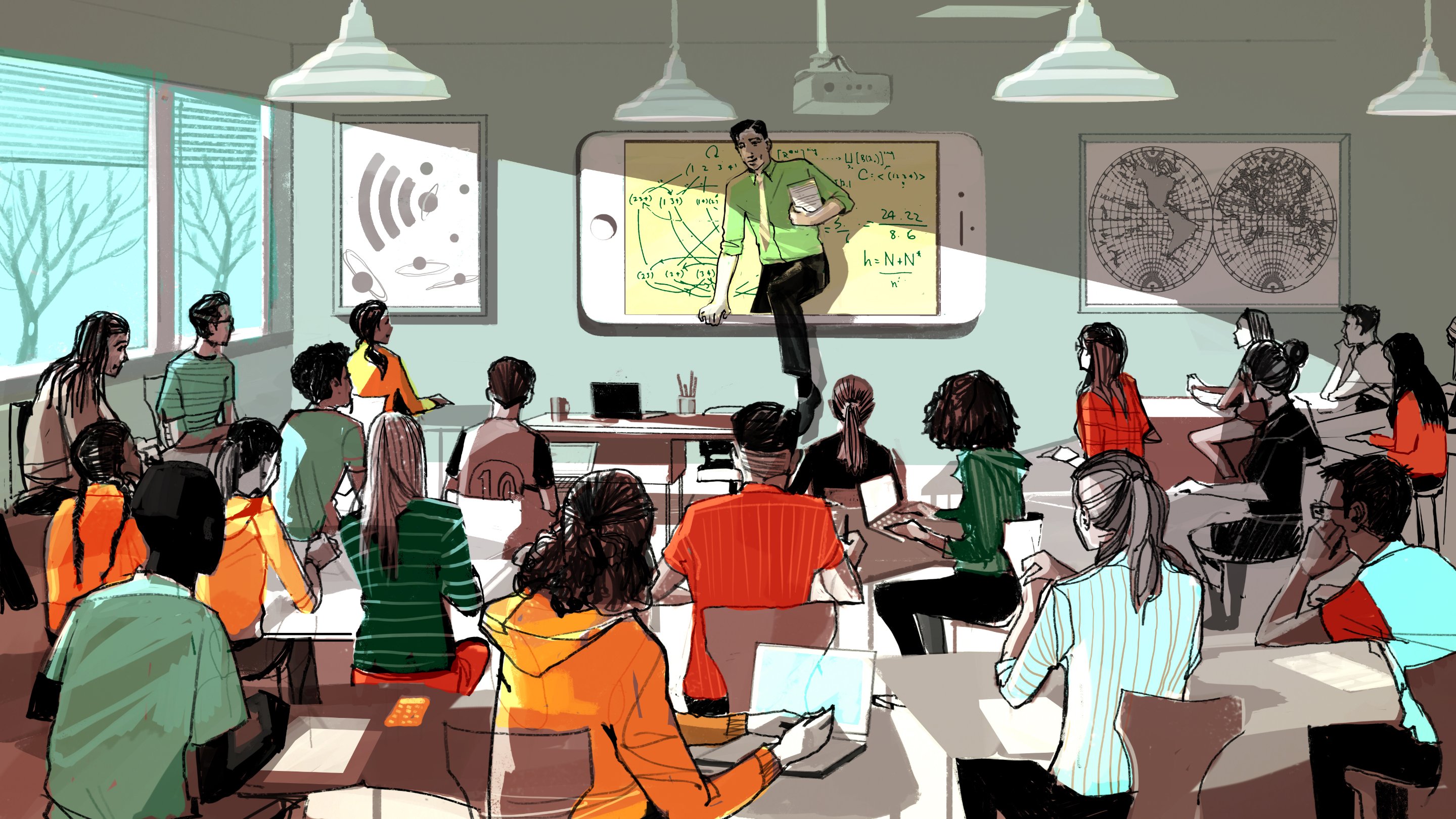
Finding a substitute teacher used to feel like a school-office scavenger hunt: a secretary with a phone list, a principal with crossed fingers, and a classroom full of students hoping today would not become “independent reading” for seven straight hours. The old system worked when absences were predictable, substitute pools were deep, and landline phones were still treated like mission-critical technology. That world has packed its tote bag and retired.
Today, modernizing the search for substitute teachers is not just about filling empty chairs. It is about protecting instructional time, reducing administrator stress, improving substitute teacher recruitment, and making sure students receive real learning continuity when their regular teacher is out. Across U.S. school districts, teacher shortages, higher absenteeism, limited applicant pools, and rising expectations have turned substitute staffing into a serious workforce strategy issue.
The good news? Schools are no longer stuck with the “call everyone and hope” model. Modern absence management software, mobile job alerts, vetted staffing marketplaces, stronger onboarding, data dashboards, and smarter recruitment strategies are changing how districts find, assign, and retain substitute teachers. The less-good news? Technology is only helpful when districts pair it with human-centered policies. A shiny platform cannot fix low pay, confusing rules, poor classroom support, or a substitute who arrives to find the lesson plan says, “Ask students what we did yesterday.” Spoiler: they will not agree.
Why Substitute Teacher Staffing Needs a Modern Makeover
Substitute teachers are often described as temporary, but their impact is anything but temporary. They keep schools open, help teachers take necessary leave, protect planning time for colleagues, and prevent classes from being merged, split, or supervised by already-overloaded staff. When a school cannot find a qualified substitute, everyone feels the wobble: students lose structure, teachers lose prep periods, administrators become emergency coverage staff, and morale takes a nosedive.
The substitute teacher shortage is connected to broader teacher workforce challenges. Many districts have struggled with unfilled roles, under-certified placements, and high-demand areas such as special education, math, bilingual education, and rural staffing. When full-time staffing is tight, the substitute pool is also stretched. Long-term substitutes may be pulled into vacancies, daily substitutes become harder to book, and schools end up competing for the same small group of available people.
At the same time, substitute teaching has become more complex. Today’s substitutes may need to manage digital learning tools, support students with individualized needs, navigate school safety procedures, handle behavior challenges, and adapt quickly to unfamiliar classrooms. The job is flexible, yes, but “flexible” should not mean “figure everything out while thirty seventh graders test the laws of civilization.”
The Old Way: Phone Trees, Paper Forms, and Hope as a Strategy
Traditional substitute teacher hiring often relied on manual communication. A teacher reported an absence. A school employee searched a list. Calls went out one by one. If nobody answered, the school tried again. If the absence was last-minute, the morning turned into a race against the bell. Human effort was heroic, but the system was clunky.
Manual substitute systems create several problems. First, they are slow. A qualified substitute may not hear about a job until it is already too late. Second, they are uneven. Some substitutes receive frequent calls while others never know opportunities exist. Third, they are hard to track. Without clean data, district leaders may not know which schools have the lowest fill rates, which subjects are hardest to cover, or which days of the week are most vulnerable.
There is also the payroll headache. Substitute assignments must connect to timekeeping, budget codes, school locations, approval workflows, and compliance requirements. When those pieces live in separate systems, staff spend too much time reconciling records. Nothing says “educational innovation” like three spreadsheets named Final_Sub_List_REVISED_v7.
Modern Substitute Teacher Search Starts With Better Data
The first step in modernizing substitute staffing is knowing what is actually happening. Districts need clear data on teacher absences, substitute fill rates, no-fill patterns, high-need schools, subject-area gaps, day-of-week trends, and long-term coverage needs. Without that information, leaders are managing by anecdote. Anecdotes are useful, but they are not a staffing plan.
A modern absence management system can show where the pressure points are. For example, a district may discover that Friday absences are harder to fill, special education roles require earlier outreach, or one school has a lower fill rate because substitutes report poor check-in experiences. These insights help districts move from emergency reaction to proactive planning.
Key Metrics Districts Should Track
Useful substitute staffing metrics include overall fill rate, same-day fill rate, average time to fill an absence, repeat substitute rate, substitute cancellation rate, unfilled absence reasons, long-term vacancy coverage, and feedback from both substitutes and principals. The goal is not to create a dashboard museum. The goal is to make better decisions before the morning bell rings.
Technology Is Replacing the “Who Can Come Today?” Panic
Modern substitute teacher platforms can automatically post jobs, notify qualified substitutes, match candidates by availability and credentials, allow substitutes to accept assignments from a phone, and provide administrators with real-time visibility. Instead of relying on sequential phone calls, districts can broadcast opportunities to eligible substitutes quickly and fairly.
Platforms such as Frontline, Red Rover, SmartFind Express, ReadySub, TimeClock Plus, Swing Education, ESS, Kelly Education, and Edustaff reflect a broader shift in K-12 staffing: substitute management is becoming faster, more mobile, more data-driven, and more integrated with human resources. Some tools focus on absence tracking and automated matching. Others provide staffing services, credentialing, onboarding, payroll support, or managed substitute pools.
The best systems do more than send alerts. They help districts answer practical questions: Is this substitute cleared for this role? Has the person completed required training? Are they available for a half-day? Have they worked successfully at this school before? Can the teacher upload lesson plans? Will payroll receive accurate hours? A modern system should reduce chaos, not simply digitize it in a prettier font.
Mobile Access Matters More Than Districts Think
Substitute teachers often build work schedules around flexibility. Some are retired educators, graduate students, caregivers, aspiring teachers, career changers, or part-time workers with other jobs. If accepting an assignment requires logging into a confusing desktop portal at exactly the right time, districts will lose candidates to easier opportunities.
Mobile-friendly substitute job alerts are now essential. Substitutes should be able to set availability, view school locations, accept or decline assignments, receive reminders, and access basic classroom information from their phones. This is not a luxury feature; it is how modern workers interact with job opportunities. If food delivery apps can show a driver where the tacos are going, schools can show a substitute where Room 214 is.
Recruitment Must Be Treated Like Marketing
Districts often say they need more substitute teachers, but their recruitment pages sometimes look like they were last updated during the overhead projector era. Modern substitute teacher recruitment should be clear, welcoming, and easy to act on. Candidates should quickly understand requirements, pay rates, training expectations, application steps, background check procedures, assignment types, and the benefits of working in local schools.
Strong recruitment messaging speaks to different candidate groups. Retired teachers may value meaningful work and flexible scheduling. College students may want classroom experience before entering teacher preparation programs. Parents may appreciate school-day hours. Career changers may be exploring education as a second career. Community members may want to help local students while earning income. The same generic “Now Hiring Subs” flyer will not persuade everyone.
Smart Recruitment Channels
Modern districts recruit through school websites, local colleges, teacher preparation programs, community organizations, parent newsletters, social media, job boards, local news outlets, and employee referral campaigns. Districts can also build partnerships with universities, retired educator associations, military spouse networks, and youth-serving organizations. Substitute staffing is local by nature, so the community should be part of the solution.
Pay and Predictability Still Matter
Technology can help districts find substitutes faster, but it cannot erase basic labor market realities. If pay is too low, schedules are too unpredictable, expectations are unclear, or classrooms are unsupported, substitutes will choose other flexible jobs. Retail, tutoring, childcare, remote gig work, and private education services may compete for the same people.
Modernizing substitute staffing means reviewing compensation honestly. Districts may need higher daily rates, bonuses for high-need days, extra pay for long-term assignments, incentives for working a certain number of days per month, or premium rates for hard-to-fill roles. Pay is not the only factor, but it is a very loud factor. It does not whisper.
Predictability is also valuable. Building substitute roles, preferred substitute pools, and recurring assignments help substitutes form relationships with staff and students. They also help schools reduce the “new adult every day” problem. A substitute who knows the building, the routines, and which hallway has the mysterious cold spot is more likely to succeed.
Onboarding Should Prepare Substitutes, Not Just Process Them
Many substitute teachers receive plenty of paperwork and not enough preparation. A modern system should include efficient hiring and meaningful onboarding. Background checks, fingerprinting, credential verification, and required compliance training are essential. But substitutes also need practical guidance: classroom management basics, emergency procedures, technology access, student confidentiality, mandated reporting, inclusive language, special education awareness, and how to ask for help.
Training does not need to be overwhelming. Short online modules, school-specific orientation videos, quick-reference guides, and mentor support can make a major difference. Districts should also provide substitutes with clear expectations for arrival time, check-in procedures, lesson plan access, attendance, discipline referrals, and end-of-day notes.
The First 15 Minutes Matter
A substitute’s day is often decided before the first class begins. If the front office is welcoming, the lesson plan is ready, the technology works, and neighboring teachers know a substitute is present, the day starts strong. If the substitute arrives and nobody knows where the key is, the plan is missing, and the projector password is treated like a state secret, the day starts with interpretive dance.
Schools Must Improve the Substitute Experience
Retention is the quiet hero of substitute staffing. Recruiting new substitutes is important, but keeping reliable substitutes is even better. Districts should ask substitutes what makes them return to certain schools and avoid others. Common factors include respectful treatment, clear lesson plans, supportive administrators, manageable student behavior, easy parking, predictable schedules, and feeling like part of the school community.
A substitute teacher should not feel invisible. Simple gestures matter: greeting them by name, providing a map, sharing staff restroom locations, giving them lunch procedures, checking in during the day, and thanking them afterward. These details are not fluff. They are retention tools.
Districts can also create preferred substitute lists based on performance, subject strengths, language skills, and school fit. However, fairness matters. Systems should avoid creating closed circles where only a few substitutes get the best jobs while others never receive opportunities to build experience.
Modern Matching Is About Fit, Not Just Availability
The fastest substitute is not always the best substitute for every assignment. A modern search system should consider credentials, training, grade-level preference, subject comfort, location, past performance, availability, and student needs. Special education, bilingual education, early childhood, lab science, career and technical education, and advanced courses may require more intentional matching.
Better matching improves classroom quality and substitute satisfaction. A person who loves kindergarten may not be thrilled to cover high school chemistry, especially if the lesson involves goggles and a substance labeled “do not shake.” Likewise, a retired high school math teacher may be exactly the person a district wants for algebra coverage. Matching helps everyone breathe normally.
Teacher Lesson Plans Need a Digital Upgrade
Finding a substitute is only half the job. The substitute must be ready to teach. Modern absence systems should make it easy for teachers to upload lesson plans, seating charts, class rosters, student accommodations, technology instructions, emergency notes, and behavior expectations. These materials should be accessible before the substitute arrives, not discovered under a coffee mug at 7:42 a.m.
Districts can create emergency lesson plan banks by grade level and subject. These should not replace strong teacher-created plans, but they can prevent complete instructional drift when absences are sudden. Students can tell when a lesson is filler. They can smell busywork the way sharks smell blood.
Equity Must Be Built Into Substitute Staffing
Unfilled teacher absences do not affect all students equally. Schools serving higher-poverty communities, students of color, multilingual learners, or students with disabilities may face deeper staffing challenges. If substitute coverage is weaker in those schools, existing inequities can grow.
Modernizing the search for substitute teachers should include equity audits. District leaders should compare fill rates across schools, grade levels, programs, and student populations. If some schools consistently receive less coverage, the district needs targeted solutions: better incentives, stronger support, improved working conditions, transportation considerations, or dedicated building substitute positions.
Human Support Still Beats Full Automation
Automation is powerful, but substitute staffing is still a people business. Districts need staff who can solve unusual problems, support substitutes, communicate with principals, handle credential questions, and build relationships. A platform can send a notification; a human can explain why a substitute is nervous about returning to a school and fix the issue.
The most successful modern systems blend technology with human judgment. Data helps leaders see patterns. Mobile tools help substitutes accept jobs quickly. Staffing partners can expand candidate pools. But relationships, trust, and school culture determine whether substitutes keep coming back.
Practical Steps for Districts Ready to Modernize
1. Audit the Current Process
Map the full substitute workflow from teacher absence request to payroll completion. Identify delays, duplicate data entry, unclear responsibilities, and common failure points. If the process requires five people, two forms, and a prayer candle, it is time to simplify.
2. Improve the Candidate Journey
Make application pages easy to understand. Explain requirements plainly. Show pay rates. Provide timelines. Offer support during background checks and onboarding. Candidates should not need detective skills to become a substitute teacher.
3. Segment the Substitute Pool
Group substitutes by certification, grade preference, subject strength, language ability, school preference, availability, and willingness to accept long-term assignments. Better segmentation leads to better matching.
4. Invest in Training and Support
Provide practical training before substitutes enter classrooms. Include classroom management, technology basics, safety procedures, student privacy, and school culture. Give substitutes clear ways to ask for help.
5. Use Data for Continuous Improvement
Review fill rates, absence trends, substitute feedback, and school-level patterns monthly. Celebrate improvements and address gaps quickly. Substitute staffing should be managed as an ongoing system, not a seasonal panic.
What Modern Substitute Staffing Looks Like in Practice
Imagine a teacher wakes up sick and enters an absence through a mobile-friendly system. The system automatically checks credentials, location, subject needs, and availability. Qualified substitutes receive alerts. A preferred substitute accepts within minutes. The teacher uploads lesson plans, the office gets a notification, payroll coding is attached, and the substitute receives parking details, check-in instructions, a roster, and emergency procedures.
When the substitute arrives, the front office greets them, provides a badge, and points them to the classroom. A neighboring teacher checks in during first period. At the end of the day, the substitute leaves notes for the teacher and rates the experience. The principal can review coverage quality. HR can see that the absence was filled, worked, and ready for payroll.
That is modern substitute teacher search. It is not magic. It is thoughtful workflow design with technology doing the repetitive parts and people doing the human parts.
Challenges Districts Should Expect
Modernization is not always smooth. Some staff may resist changing familiar systems. Substitutes may need help learning a new app. Data migration can be messy. Bargaining agreements may affect pay, assignments, or benefits. Smaller districts may worry about cost. Larger districts may need integrations with HR, finance, timekeeping, and student information systems.
These challenges are real, but they are manageable with planning. Districts should pilot new tools, gather feedback, train users, communicate clearly, and avoid launching major workflow changes at the worst possible time. For example, the first week of school is not the ideal moment to discover that nobody knows how to approve an absence.
The Future: Substitute Teaching as a Talent Pipeline
One of the most promising ideas in modern substitute staffing is treating substitute teaching as a pathway into education careers. Many substitutes are future teachers, paraprofessionals, aides, tutors, coaches, or school support staff. Districts can use substitute roles to identify strong candidates, offer mentorship, support certification pathways, and build long-term talent pipelines.
Building substitutes and long-term substitutes often develop deep relationships with schools. They learn routines, understand student needs, and may become excellent full-time hires. Instead of viewing substitute teachers as temporary placeholders, districts can view them as part of a broader workforce development strategy.
Experiences and Real-World Lessons From Modernizing the Search for Substitute Teachers
In districts that modernize substitute staffing well, the biggest change is not simply faster job posting. It is a shift in mindset. The district stops treating substitute coverage as an unavoidable daily scramble and starts treating it as a system that can be designed, measured, and improved.
One common experience is the discovery that substitutes remember how schools make them feel. A district may invest in a strong absence management platform and still struggle if substitutes report that certain buildings are disorganized or unwelcoming. A substitute who spends the morning hunting for lesson plans, bathroom access, and basic classroom technology may not return, even if the app worked perfectly. The lesson is simple: software gets substitutes to the door; school culture gets them to come back.
Another practical lesson is that communication reduces cancellations. Substitutes are more likely to accept assignments when they know the grade level, subject, start time, parking location, expected duties, and whether the role includes lunch duty, recess duty, bus duty, or the mysterious “other duties as assigned.” Vague postings create hesitation. Clear postings create confidence. Nobody likes surprise cafeteria duty, except perhaps the bravest among us.
Districts also learn that substitutes appreciate professional respect. When schools provide badges, maps, emergency instructions, classroom notes, and a friendly check-in, substitutes feel like part of the team. When they are ignored until something goes wrong, they feel disposable. Modernization should include small human rituals: welcome messages, thank-you emails, feedback forms, preferred school options, and recognition for substitutes who work consistently.
Pay experiments can also be revealing. Some districts find that modest incentives for hard-to-fill days, early acceptance, or frequent service improve coverage. Others discover that building substitute positions create more stability than trying to fill every absence through the daily pool. The right answer depends on district size, location, budget, labor agreements, and candidate availability. The important point is to test, measure, and adjust rather than guessing.
A final experience worth noting is that modernization often exposes hidden administrative work. Before digital systems, staff may spend hours making calls, updating spreadsheets, correcting payroll, or answering the same substitute questions repeatedly. Once the workflow is streamlined, those hours can be redirected toward higher-value tasks: recruiting better candidates, supporting principals, improving training, and analyzing staffing trends. In other words, modernization does not remove the human role. It rescues humans from the copy-paste swamp.
For substitutes themselves, modern systems can make the job feel more professional. They can choose assignments that fit their skills, manage availability, see details before accepting, and build relationships with schools that value them. That sense of control matters. Substitute teaching is demanding work, and people are more likely to keep doing it when they feel informed, prepared, and respected.
The best districts understand that modernizing the search for substitute teachers is not a one-time software purchase. It is an ongoing commitment to better staffing, better communication, stronger support, and smarter use of data. The goal is not just to fill absences. The goal is to keep learning moving, even when life happens to the adults in the building.
Conclusion: The Search for Substitute Teachers Is Now a Strategy
Modernizing the search for substitute teachers is about much more than speed. It is about creating a reliable, equitable, and respectful system that supports students, teachers, administrators, and substitutes. Schools need tools that match qualified candidates quickly, but they also need competitive pay, strong onboarding, clear lesson plans, supportive school cultures, and data-informed decision-making.
The districts that succeed will be the ones that stop treating substitute staffing as a last-minute emergency and start treating it as a core part of instructional continuity. A substitute teacher may only be in a classroom for one day, but that day matters. Students still need structure. Teachers still need peace of mind. Administrators still need sanity. And substitutes still need to know where to park.
Note: This article synthesizes current U.S. education staffing research, public school workforce trends, and real practices from substitute staffing and absence management providers. Source links are intentionally omitted for clean web publication.