Some dogs enter your life with muddy paws, a suspicious amount of confidence, and the ability to turn an ordinary sidewalk into a runway. Then there is Tsuki, the Siberian Husky whose natural facial markings made her look as if she woke up one morning, checked the weather, and decided, “Yes, today calls for goggles.”
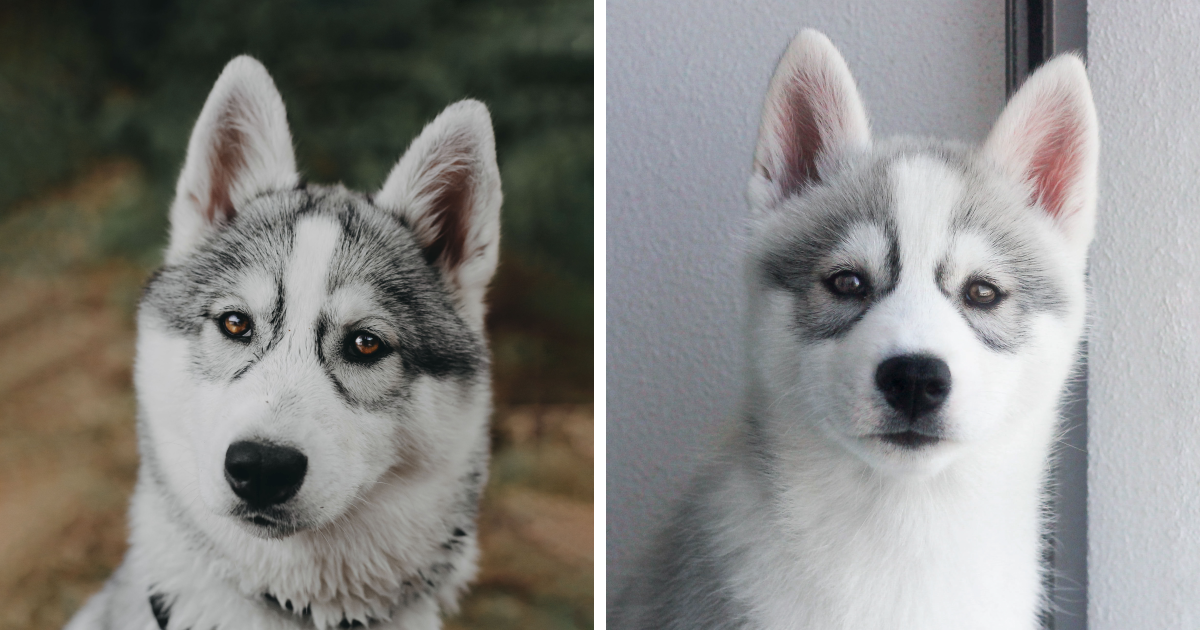
Tsuki became beloved online because of her unusual puppy mask: dark circles around her eyes that looked like tiny built-in glasses. Not costume goggles. Not ski gear. Not a dramatic fashion purchase made after browsing pet accessories at 2 a.m. Her “goggles” were simply part of her coat pattern, and that made them even more charming. As she grew, those markings began to fade, which is common as puppies mature into their adult coats. But the internet had already fallen in love with her, and honestly, who could blame it?
This is the story of Tsuki, the Siberian Husky with goggles, plus a practical look at why Huskies are such unforgettable companions, what their markings can reveal, and how to care for an active, intelligent, gloriously dramatic snow dog who may or may not judge your running speed.
Who Is Tsuki, the Siberian Husky With Goggles?
Tsuki is a Siberian Husky puppy who became known for her eye-catching facial markings. Around her eyes, darker fur formed rounded shapes that resembled goggles or glasses. People who met her often commented on the look, and the nickname practically named itself. A Husky with goggles? That is not just a pet; that is a fluffy adventure pilot.
Her owner documented Tsuki’s changing appearance from puppyhood onward, showing how her face mask evolved as she grew. At around two months old, the “goggles” were more defined. By eight months, they had softened as her coat changed. That transformation is one reason Tsuki’s photos became so interesting: they captured the temporary magic of puppy markings before adulthood gently repainted the canvas.
For Siberian Husky lovers, this is part of the fun. Huskies are famous for their expressive faces, dramatic masks, and beautiful coat variations. Some have bold facial patterns. Others have delicate markings that make them look like wolves, superheroes, philosophers, or dogs who have just remembered they left the oven on.
Why Siberian Huskies Have Such Striking Facial Markings
Siberian Huskies come in many colors and patterns, including black, gray, red, sable, agouti, and white combinations. Their facial markings can include masks, spectacles, bars, eyebrows, and blaze-like patterns. These markings are natural coat variations, not a separate breed feature or a sign that the dog needs actual eyewear.
In puppies, markings can look especially sharp because the puppy coat is still developing. As the adult coat grows in, colors may lighten, darken, spread, or fade. That is why Tsuki’s “goggles” became less obvious over time. The dog did not lose her charm; she simply updated her look. Think of it as a seasonal fashion refresh, but with more shedding.
Do Coat Markings Affect Personality?
No. A Husky with dark eye rings is not automatically more mischievous than a Husky without them. However, the Siberian Husky personality already comes with enough mischief to power a small village. These dogs are friendly, energetic, social, intelligent, and often independent. Their coat may attract attention, but their character is what keeps people talking.
Tsuki’s markings made her instantly recognizable, but her appeal also comes from classic Husky traits: curiosity, playfulness, independence, and a lively spirit. A beautiful face may get the first click, but personality keeps the audience coming back.
The Siberian Husky Personality: Beautiful, Brilliant, and Slightly Too Clever
Siberian Huskies were developed as endurance sled dogs, bred to work in teams and travel across cold terrain. That history shaped the modern Husky into a high-energy, social, athletic companion. They often enjoy people, other dogs, outdoor adventures, and any opportunity to investigate something they definitely were not supposed to touch.
A Husky is not usually the kind of dog that wants to sit quietly in the corner while life happens. A Husky wants to participate. A Husky wants to supervise. A Husky wants to know why you are eating toast without offering a formal sample.
Friendly and Social
Siberian Huskies are often friendly with people and can be good family dogs when their exercise, training, and social needs are met. Many are playful with other dogs and enjoy pack-style interaction. This friendliness also means they are not typically ideal guard dogs. A Husky may greet a stranger like a long-lost cousin and then show them where the snacks are kept.
Independent Thinkers
Huskies are smart, but their intelligence does not always look like instant obedience. They were bred to make decisions while working, which can translate into independent behavior at home. Training a Husky requires patience, consistency, positive reinforcement, and a sense of humor strong enough to survive a dog who pretends not to hear you from six feet away.
Vocal and Expressive
Many Huskies are known for howling, “talking,” yodeling, complaining, singing, and generally contributing to household discussions. Tsuki’s goggles may have made her look like a serious scholar, but as a Husky, she likely had opinions. Huskies do not merely enter a room; they sometimes narrate the experience.
Why Dog Goggles Are More Than a Funny Look
Tsuki’s famous goggles were natural markings, but real dog goggles do exist. They are used to help protect dogs’ eyes from sun, wind, dust, debris, snow glare, and environmental hazards during certain activities. Dogs who hike, ride in open vehicles, work in dusty areas, enjoy snow sports, or have specific eye conditions may benefit from protective eyewear when recommended by a veterinarian.
For active breeds like Siberian Huskies, eye protection can make sense in certain settings. Snow reflects sunlight, wind can dry or irritate eyes, and trails can kick up dust or small particles. That does not mean every Husky needs goggles for every walk around the block. It means eye protection can be useful when the environment calls for it.
When Real Dog Goggles May Help
Dog goggles can be helpful during hiking, biking, beach trips, snowy adventures, dusty trail walks, boating, or high-wind conditions. They may also be useful for dogs recovering from eye procedures or dogs with veterinarian-diagnosed eye sensitivity. The key word is “fit.” Protective eyewear should sit securely without restricting breathing, vision, or jaw movement.
Training matters too. A dog should be introduced to goggles slowly, with rewards and short sessions. The goal is not to drop eyewear onto the dog’s face and hope for a miracle. That usually produces a dramatic floor roll, an offended stare, and possibly a silent promise of revenge involving one of your socks.
How to Care for a Siberian Husky Like Tsuki
Owning a Siberian Husky is rewarding, but it is not a low-effort experience. This breed needs exercise, mental stimulation, grooming, training, and companionship. A happy Husky is not just a pretty dog in your living room; it is an athlete, comedian, escape artist, and part-time weather analyst.
Exercise: The Daily Non-Negotiable
Siberian Huskies need regular physical activity. Long walks, jogging, hiking, structured play, and dog sports can help burn energy. Without enough exercise, a Husky may create its own enrichment plan, which can include digging, chewing, vocal performances, or rearranging household objects in ways no interior designer requested.
Exercise should be appropriate for the dog’s age, health, and climate. Huskies were built for cold conditions, so they may overheat in warm weather. In hot climates, outdoor exercise should happen during cooler parts of the day, with water, shade, and careful monitoring. If a Husky looks too hot, slow down. The dog may have Arctic branding, but heat safety still matters.
Mental Stimulation: Keep That Clever Brain Busy
Huskies are intelligent and curious. Puzzle toys, scent games, training sessions, food-dispensing toys, and new walking routes can help prevent boredom. A bored Husky is a creative Husky, and “creative” may mean learning how door handles work. Nobody needs that level of plot development before breakfast.
Short, upbeat training sessions often work better than long, repetitive drills. Positive reinforcement helps build trust and keeps the dog engaged. Huskies may not always be eager to repeat the same command twenty times, but they often respond well when training feels like a game.
Grooming: Welcome to the Fur Forecast
Siberian Huskies have a double coat made for insulation. Their coat helps protect them from cold and can also provide some protection from sun and heat when maintained properly. Regular brushing helps remove loose fur, reduce shedding, and keep the coat healthy.
During shedding seasons, Huskies can “blow” their coat, releasing impressive amounts of undercoat. This is when your home may begin to resemble a snow globe, except the snow is fur and it sticks to your black pants. Brushing several times a week, or daily during heavy shedding, can help manage the fluff storm.
Bathing and Coat Care
Huskies are often naturally clean dogs and may not need frequent baths unless they are dirty or smelly. Overbathing can dry the skin, so it is best to use dog-safe shampoo and follow veterinary or groomer guidance. Their coat should not be shaved unless a veterinarian recommends it for medical reasons, because the double coat plays an important role in temperature regulation and skin protection.
Training and Boundaries
A Siberian Husky needs consistent training and secure boundaries. Many Huskies are talented escape artists. A fenced yard should be secure, and leash walking is important because Huskies can have a strong prey drive and a strong desire to explore. “Come back, majestic snow noodle!” is not a reliable recall strategy.
Socialization should begin early and continue throughout life. Positive exposure to people, dogs, sounds, surfaces, grooming tools, and new environments helps build confidence. A well-socialized Husky is more likely to handle adventures calmly, whether those adventures involve a busy park, a vet visit, or a photo session in adorable gear.
What Tsuki Teaches Us About Pet Photography
Tsuki’s popularity also shows how powerful pet photography can be. Her owner captured her development over time, letting people see the changes in her coat and personality. That chronological storytelling made the photos more meaningful than a single cute snapshot.
If you want to photograph a dog like Tsuki, natural light is your friend. Get down to the dog’s eye level, use treats or toys to guide attention, and keep sessions short. Dogs are not professional models, though some behave as if they are under exclusive contract with a luxury snow-boot brand.
Focus on Personality, Not Perfection
The best dog photos often come from imperfect moments: a head tilt, a goofy expression, snow on the nose, one ear doing its own thing. Tsuki’s goggles were visually striking, but the charm came from her puppy energy and changing expressions. A good pet photo does not need to be flawless; it needs to feel alive.
Living With a Husky: The Honest, Fluffy Reality
A Siberian Husky can be an incredible companion for the right owner. They are affectionate, adventurous, social, and hilarious. They can also be stubborn, loud, energetic, and very good at making poor decisions with confidence. That combination is exactly why Husky people adore them.
Before bringing home a Husky, it is important to consider lifestyle. Do you have time for daily exercise? Can you handle shedding? Are you prepared for training that requires patience? Do you enjoy a dog with opinions? If yes, a Husky may be a wonderful match. If you prefer a quiet, low-energy dog who never challenges household rules, Tsuki’s relatives may not be your ideal roommates.
Experiences Inspired by Tsuki: Life With a “Goggle Dog”
There is something special about walking a dog who makes strangers smile. A Husky like Tsuki, with markings that look like goggles, turns ordinary errands into tiny social events. People stop. They laugh. They ask questions. Some will say, “Is she wearing glasses?” Others will lean closer, realize the goggles are natural, and react as if they have just discovered a rare woodland creature with excellent eyewear.
Living with a visually distinctive dog teaches you how much joy pets bring into public spaces. A quick walk can become a conversation with a neighbor you have passed for months but never spoken to. A park visit can become a mini photo session. Even a trip to the vet can include a receptionist whispering, “Oh my goodness, look at her face.” Tsuki’s markings are cute, but the real magic is how they invite connection.
There is also an emotional side to watching a puppy’s markings change. When a feature becomes part of a dog’s identity, it can feel bittersweet when it fades. Tsuki’s goggles becoming lighter as she matured is a reminder that puppies do not stay puppies for long. Their paws get bigger, their faces change, their confidence grows, and one day you realize the tiny fluff ball has become a full-grown dog with a full-grown attitude and possibly a deep commitment to stealing your spot on the couch.
The best approach is to enjoy every stage. Take photos, but do not live only through the camera. Save the funny expressions. Capture the awkward growth phases. Record the first snow zoomies, the first successful training win, and the first time your Husky gives you that dramatic side-eye because dinner is three minutes late. These small moments become the real story.
Tsuki also reminds owners not to reduce a dog to a single cute feature. Yes, the goggles are adorable. Yes, they make her memorable. But she is still a living, growing, feeling dog with needs beyond internet fame. She needs exercise, rest, training, affection, boundaries, grooming, and health care. Cute markings may make people click, but responsible care is what makes a dog thrive.
If your own dog has a unique look, celebrate it. Maybe your dog has eyebrows, a heart-shaped patch, mismatched eyes, speckled paws, or ears that appear to receive satellite signals. These details make pets feel one of a kind. But the deeper bond comes from daily routines: filling the water bowl, brushing the coat, practicing recall, cleaning muddy paws, and laughing when the dog does something ridiculous with absolute seriousness.
In that sense, Tsuki’s story is not only about a Siberian Husky with goggles. It is about noticing the little things that make a pet unforgettable. It is about the way dogs transform ordinary days into stories worth telling. It is about loving them through every coat change, every growth spurt, every howl, every shed hair, and every moment when they look at you as if they are clearly the smarter mammal in the room.
Conclusion: Tsuki Is More Than a Cute Face
Tsuki, the Siberian Husky with goggles, captured attention because her natural markings looked wonderfully unusual. But her story has lasting appeal because it reflects what dog lovers already know: every pet has a signature. For Tsuki, it was a pair of puppy “goggles.” For another dog, it might be a silly grin, a heroic tail wag, or a talent for falling asleep in impossible positions.
Siberian Huskies are beautiful, energetic, social dogs that need active homes, consistent training, grooming, and plenty of enrichment. They are not accessories, even when they look like they arrived wearing winter sports gear. They are companions with big personalities and bigger exercise needs.
Tsuki’s goggles may fade, but the joy she brings does not. And that is the real lesson: markings change, puppies grow, fur gets everywhere, but the bond between a dog and the people who love her only gets better.
Note: This article is written for web publication and synthesized from real Siberian Husky breed-care information, veterinary eye-care guidance, and the publicly shared story of Tsuki’s natural “goggles” markings. No source links or unnecessary reference elements are embedded in the article body.