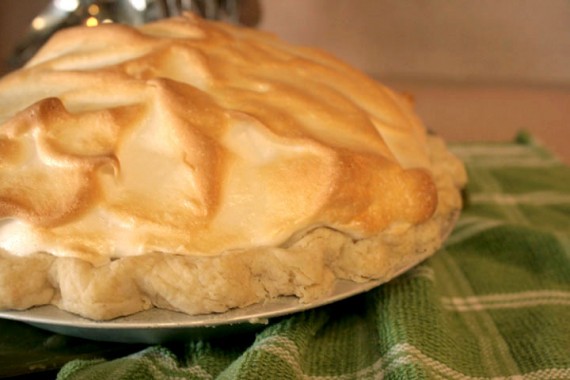
Lemon meringue pie is the dessert equivalent of a Broadway finale: bright, dramatic, a little risky, and absolutely worth the applause when it works. It brings together three very different personalities in one slicea crisp pie crust, a silky lemon filling, and a cloud of toasted meringue that looks like it has its own lighting department.
At its best, this classic American dessert is not simply sweet. It is sharp, creamy, buttery, airy, and nostalgic all at once. One bite should begin with toasted meringue, glide into tangy lemon custard, and finish with a flaky crust that quietly says, “Yes, I did my job.” This guide explains how lemon meringue pie works, how to make it better, why it sometimes misbehaves, and how to serve it without turning your kitchen into a citrus-scented crime scene.
What Is Lemon Meringue Pie?
Lemon meringue pie is a baked pie made with a pre-baked crust, a cooked lemon filling, and a whipped egg-white topping. The filling is usually thickened with egg yolks and starch, flavored with fresh lemon juice and zest, and enriched with butter. The meringue is made from egg whites and sugar, then spread over the hot filling and baked or toasted until golden.
The magic comes from contrast. The crust is tender and slightly salty. The lemon layer is glossy, tart, and smooth. The meringue is sweet, light, and marshmallow-like. Together, they create a dessert that feels old-fashioned in the best waylike something your grandmother made, only with fewer handwritten recipe cards and more panic about whether the egg whites will peak.
Why Lemon Meringue Pie Is Still a Dessert Icon
Some desserts are trendy for five minutes. Lemon meringue pie has been showing up at family dinners, diners, holidays, potlucks, church suppers, and summer tables for generations. Its staying power comes from balance. It is rich without being heavy, sweet without being dull, and elegant without requiring gold leaf, edible flowers, or a pastry degree.
It also has a built-in sense of occasion. A plain slice of cake can be lovely, but a lemon meringue pie arrives with height. It has peaks. It has drama. It looks like a tiny snow-capped mountain range decided to vacation on a lemon custard lake. That visual appeal makes it perfect for Easter, Mother’s Day, Thanksgiving, summer cookouts, and any random Tuesday that needs improvement.
The Three Essential Layers of a Great Lemon Meringue Pie
1. The Crust: Crisp, Flaky, and Fully Baked
The crust is the foundation. If it is underbaked, the filling can make it soggy. If it is overworked, it becomes tough. A good lemon meringue pie crust should be blind-baked before the filling is added. That means the crust is baked empty, often with pie weights or dried beans, until it is set and golden.
Butter gives pie crust excellent flavor, while shortening can help tenderness. Some bakers use a mix of both. Others use oil-based crusts for simplicity. Whatever fat you choose, keep the dough cool, avoid overmixing, and let the crust bake long enough to stand up to the lemon filling. A crust that collapses under pressure is not flaky; it is emotionally unavailable.
2. The Lemon Filling: Tart, Smooth, and Stable
The filling is where the pie earns its name. Fresh lemon juice is essential because bottled lemon juice often tastes flat compared with real citrus. Lemon zest adds fragrant oils that bring a brighter, fuller flavor. Sugar balances the acidity, egg yolks add richness, cornstarch helps the filling set, and butter rounds out the sharp edges.
The most important rule is to cook the filling properly. Cornstarch needs heat to activate, and egg yolks need careful tempering so they thicken without scrambling. A successful filling should be thick enough to mound slightly when stirred, smooth enough to slice cleanly after chilling, and tart enough to make your eyebrows briefly consider a career change.
3. The Meringue: Glossy, Sweet, and Toasted
Meringue is made by whipping egg whites until foamy, gradually adding sugar, and beating until the mixture becomes glossy and forms peaks. Cream of tartar is often added to stabilize the egg whites. The goal is not just volume but structure. The sugar must dissolve well, or the meringue may turn gritty or bead after baking.
For classic lemon meringue pie, the meringue is usually spread over hot filling. This helps cook the underside of the meringue and reduces the chance of watery separation. Spread the topping all the way to the crust edge to seal it. Then bake until the surface is beautifully golden. If the meringue looks like a toasted marshmallow cloud, you are heading in the right direction.
How to Make Lemon Meringue Pie: A Practical Blueprint
Ingredients You Will Usually Need
- One 9-inch baked pie crust
- Fresh lemon juice and lemon zest
- Granulated sugar
- Egg yolks for the filling
- Egg whites for the meringue
- Cornstarch or a blend of cornstarch and flour
- Water
- Butter
- Salt
- Cream of tartar or another stabilizer for the meringue
Step-by-Step Method
Step 1: Blind-bake the crust. Roll the dough into a pie plate, crimp the edge, chill it, then line it with parchment and weights. Bake until the edges are set, remove the weights, and continue baking until the bottom is dry and golden.
Step 2: Make the lemon filling. Combine sugar, cornstarch, salt, and water in a saucepan. Cook until thickened, then temper the egg yolks by slowly whisking in some hot mixture before returning everything to the pan. Add lemon juice, zest, and butter. Cook until the filling is glossy and thick.
Step 3: Make the meringue. Beat egg whites and cream of tartar until foamy. Add sugar gradually and continue beating until stiff, glossy peaks form. The meringue should look smooth, not grainy.
Step 4: Assemble while the filling is hot. Pour the hot lemon filling into the baked crust. Immediately spoon the meringue over the top, spreading it to the crust edges to create a seal. Add swirls and peaks with the back of a spoon for that classic pie-shop look.
Step 5: Bake until golden. Bake the pie until the meringue is lightly browned. Cool at room temperature, then chill before slicing. This waiting period is difficult, but cutting too soon can produce lemon soup in a crust bowl. Delicious? Possibly. Elegant? Absolutely not.
Common Lemon Meringue Pie Problems and How to Fix Them
Why Is My Lemon Filling Runny?
A runny lemon filling usually means the starch was not cooked long enough, the mixture was not thick enough before assembly, or the pie was sliced before it cooled. The filling should bubble and thicken on the stovetop so the cornstarch can do its job. Also, allow the finished pie time to chill and set before serving.
Why Is My Meringue Weeping?
Weeping happens when moisture beads on top of the meringue or collects between the meringue and the filling. The usual suspects are undercooking, overcooking, undissolved sugar, humidity, or applying meringue to cool filling. Spread meringue over hot filling, use fine sugar if possible, beat to glossy peaks, and seal the meringue to the crust.
Why Did My Meringue Shrink?
Meringue can shrink when it is not anchored to the crust. Always spread it to the very edge, touching the crust all around. Think of it as tucking the pie into bed. A loose blanket invites trouble.
Why Does My Pie Taste Too Sweet?
Lemon meringue pie needs sugar, but balance matters. Fresh lemon zest, enough lemon juice, and a pinch of salt help prevent the filling from tasting one-dimensional. If you like a sharper pie, choose a recipe with more lemon juice or slightly less sugar in the filling, but do not reduce sugar drastically in the meringue because it affects structure.
Food Safety Tips for Meringue Pie
Because lemon meringue pie uses eggs in both the filling and topping, proper cooking and storage matter. The filling should be cooked thoroughly on the stovetop, and the meringue should be baked until safely set. For extra caution, especially when serving children, older adults, pregnant guests, or anyone with a weakened immune system, consider using pasteurized eggs or a Swiss meringue method, where egg whites and sugar are warmed before whipping.
Once cooled, lemon meringue pie should be refrigerated. It is best eaten within a day or two, because meringue does not improve with age. Unlike some desserts, it does not dream of becoming leftovers. It wants its moment, and honestly, it deserves one.
Best Ways to Serve Lemon Meringue Pie
Lemon meringue pie is best served chilled or cool, not frozen and not warm from the oven. For clean slices, use a sharp knife dipped in hot water and wiped dry between cuts. This helps glide through the meringue instead of dragging it into chaos.
Pair it with black coffee, unsweetened iced tea, sparkling water, or a light brunch menu. It also works beautifully after rich meals because the lemon cuts through heaviness. After barbecue, roast chicken, seafood, or a creamy pasta dinner, lemon meringue pie arrives like a bright little reset button.
Variations Worth Trying
Mile-High Lemon Meringue Pie
For extra drama, increase the meringue volume and pile it high. A mile-high version is especially impressive for holidays and parties. Just remember that taller meringue may need more careful baking to ensure the center is properly heated.
Graham Cracker Crust Lemon Meringue Pie
A graham cracker crust gives the pie a sweeter, cookie-like base. It is less traditional than pastry crust but very friendly for beginners. The honeyed flavor also pairs beautifully with lemon.
Lemon Meringue Tart
A tart version uses a shallower pan and often a more refined crust. It slices neatly, looks elegant, and is ideal when you want the same flavor with a slightly more polished presentation.
Mini Lemon Meringue Pies
Mini pies are perfect for parties because guests can grab their own dessert. They also reduce the emotional tension of slicing a full pie in front of witnesses.
Why Fresh Lemons Make a Difference
Fresh lemons provide both juice and zest, and the zest is where much of the aromatic citrus oil lives. That oil gives lemon meringue pie its sunny, fragrant character. Without zest, the filling can taste sour but not fully lemony. With zest, it tastes lively, clean, and complete.
When choosing lemons, look for fruit that feels heavy for its size and has bright, firm skin. Roll lemons on the counter before juicing to help release more liquid. Zest before you juice, because trying to zest a squeezed lemon half is one of those kitchen tasks that makes people question their life choices.
Experience Notes: What Baking Lemon Meringue Pie Teaches You
The first time you make lemon meringue pie, you may understand why home bakers speak about it with equal parts love and suspicion. It is not the hardest dessert in the world, but it does ask you to pay attention. You cannot casually wander away from the lemon filling while it cooks. You cannot dump sugar into egg whites all at once and hope the meringue forgives you. This pie has standards.
One of the best experiences related to lemon meringue pie is learning how much timing matters. When the crust is baked, the filling should be ready to go in while hot, and the meringue should follow quickly. The process feels like a tiny kitchen relay race: crust passes the baton to filling, filling passes it to meringue, and meringue sprints into the oven wearing a fluffy white hat.
Another lesson is that looks are not everything, but they are definitely something. A lemon meringue pie with uneven peaks, toasted patches, or a slightly rustic crust can still taste magnificent. In fact, homemade charm is part of the appeal. The pie does not need to look like it came from a magazine. It needs to taste like real lemons, real butter, and real effort. A few swoops and swirls on top can make even a beginner’s pie look celebratory.
Serving this pie is also an experience. People notice it. They ask who made it. They lean in when the first slice comes out. If the slice is neat, you feel like a pastry champion. If it slumps a little, everyone still eats it because lemon filling, flaky crust, and sweet meringue are not exactly a punishment. The best advice is to chill the pie thoroughly, heat the knife, wipe between slices, and serve with confidence. Confidence is free, and unlike meringue, it does not weep in humid weather.
Lemon meringue pie also teaches patience. You must let the crust cool enough, cook the filling enough, whip the meringue enough, and chill the finished pie enough. The word “enough” does a lot of work here. Rush any stage and the pie may remind you, publicly, that baking is chemistry wearing an apron. But when everything comes together, the reward is huge: a slice that is tart, sweet, crisp, creamy, and airy in one forkful.
For many bakers, lemon meringue pie becomes a memory dessert. It is the pie someone made for birthdays, spring holidays, Sunday dinners, or family reunions. It smells like lemon zest on your fingertips and toasted sugar in the oven. It tastes like sunshine with a crust. Even if your first attempt is imperfect, the process is worth repeating. Every pie teaches you something: cook the filling longer, seal the meringue better, use fresher lemons, let it chill overnight, or make two because one disappears suspiciously fast.
Conclusion
Lemon meringue pie remains a classic because it delivers contrast better than almost any dessert. The crust brings structure, the lemon filling brings bright flavor, and the meringue brings sweetness and theatrical height. It is a pie with personality: cheerful, dramatic, slightly fussy, and completely lovable.
To make the best lemon meringue pie, focus on the fundamentals. Blind-bake the crust until crisp, cook the filling until thick and glossy, use fresh lemon juice and zest, whip the meringue until smooth and stable, and spread it over hot filling all the way to the crust. Chill before slicing, serve proudly, and do not apologize for the second piece. Lemon meringue pie has been charming American tables for generations, and when it is made well, it still tastes like the grand finale dessert was invented for.