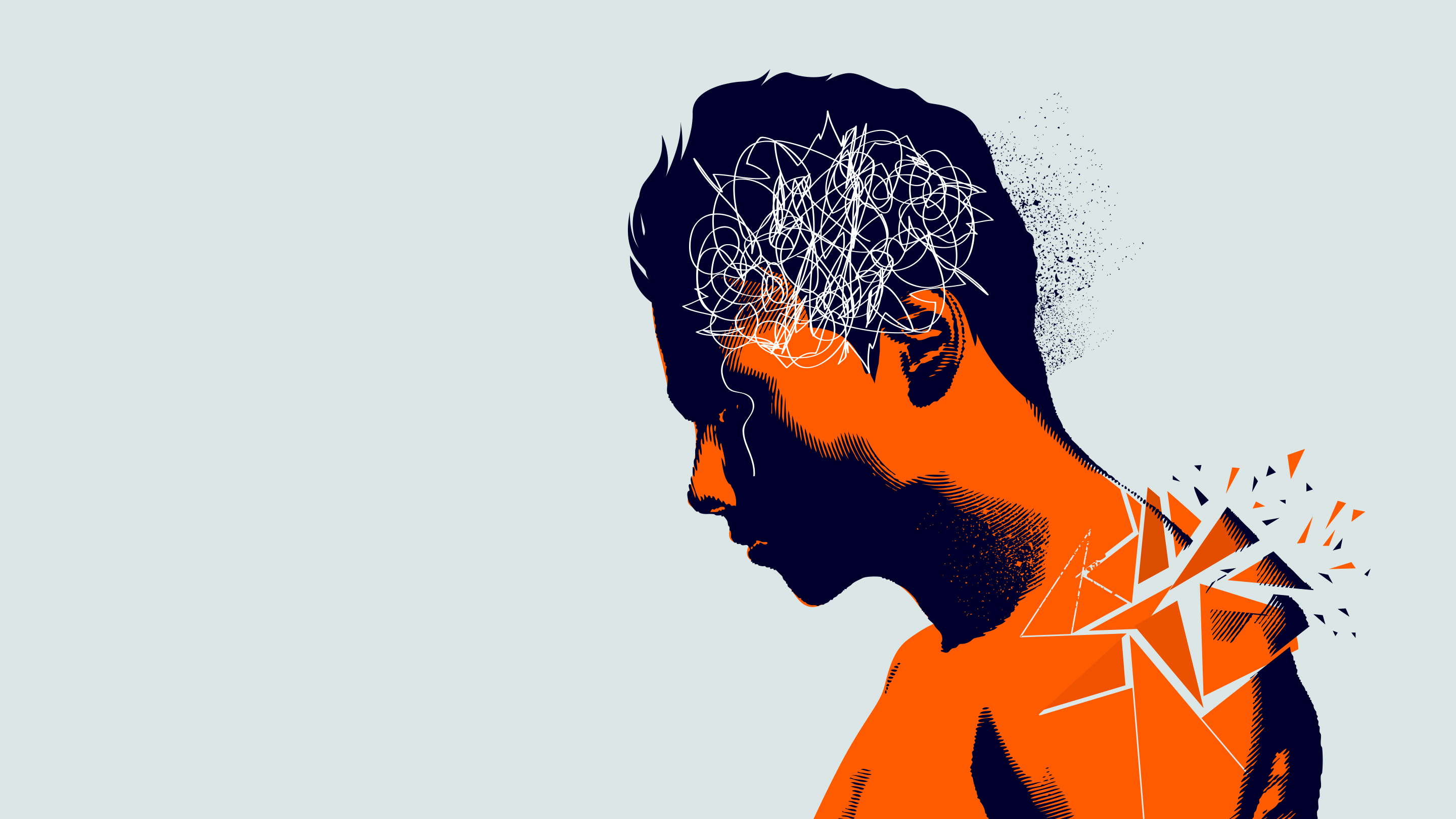
High school is supposed to be the grand rehearsal for adulthood: algebra, essays, friendships, cafeteria fries, awkward dances, and the occasional heroic attempt to look calm while carrying five binders and a half-dead laptop. But behind the schedule changes, college talk, sports practices, group chats, and “I’m fine” shrugs, many teenagers are carrying more than backpacks.
Across the United States, high school students are dealing with a heavy mix of academic pressure, social media comparison, sleep loss, safety concerns, family stress, identity questions, loneliness, and the lingering emotional aftershocks of the pandemic years. The phrase “the kids are not all right” is not an insult to teenagers. It is a reminder to adults that high school students are often trying to succeed in a system that asks them to perform like tiny professionals while still learning how to be human.
The good news? Teenagers are not broken. They are overloaded. And overloaded people do not need lectures about “grit” while they are drowning in notifications, homework, uncertainty, and exhaustion. They need connection, practical support, reasonable expectations, and schools that understand student well-being is not a decorative poster in the counseling office. It is the floor everything else stands on.
Why High School Feels Heavier Than It Used to
Every generation says the next one has it easier. Then the next one grows up with new problems no previous generation had to manage. Today’s high school students are living in a world where school does not end when the bell rings. Homework follows them home. Social pressure follows them into their bedrooms. News, conflict, tragedy, and comparison live inside their phones. Even relaxation can feel like another task to optimize.
For many students, high school is no longer just a place to learn. It is also a pressure cooker for grades, college admissions, extracurricular activities, athletic performance, social status, family expectations, part-time jobs, and future planning. A teenager may spend first period learning chemistry, lunch navigating friendship drama, afternoon practice proving commitment, evening hours finishing homework, and midnight wondering whether everyone else is somehow doing better.
That is a lot for a developing brain. Adolescence is already a time of rapid emotional, physical, and social change. Add constant digital stimulation, reduced sleep, economic uncertainty, and academic competition, and the result is not laziness or attitude. It is overload wearing a hoodie.
The Teen Mental Health Conversation Has Changed
For years, teen mental health was treated like a private issue, something whispered about after a problem became impossible to ignore. Now, parents, educators, doctors, and public health leaders are saying the quiet part out loud: adolescent mental health is a major public health concern.
CDC data has shown that many high school students report persistent sadness, poor mental health, and difficulty feeling connected at school. Those numbers are not just statistics for a report that sits politely on a government website. They represent students sitting in classrooms, turning in assignments, smiling in photos, and quietly wondering why everything feels so hard.
It is important to avoid turning teenagers into a tragedy headline. Many teens are funny, creative, resilient, thoughtful, and wildly capable. They can make a group project slideshow in 11 minutes, decode adult hypocrisy with frightening accuracy, and turn one inside joke into a school-wide language. But resilience should not be used as an excuse to ignore pain. A student can be strong and still need support.
School Stress Is Not Just About Homework
When adults hear “school stress,” they often picture too many worksheets. Homework is part of the story, but not the whole novel. School stress can come from testing pressure, fear of failure, complicated peer dynamics, bullying, discrimination, unsafe environments, social exclusion, and the feeling that one mistake might ruin the future.
Students are often told that every grade matters, every activity matters, every recommendation matters, and every decision is shaping the rest of their lives. Then adults wonder why teenagers are tense. If every quiz feels like a tiny court trial for your future, even a Tuesday can become dramatic.
Academic Pressure Can Become Identity Pressure
Many high school students do not simply think, “I got a bad grade.” They think, “I am bad at this,” or worse, “I am falling behind in life.” That shift from performance to identity is dangerous. A grade should measure progress on a skill, not the value of a person.
Healthy schools help students separate achievement from self-worth. They teach revision, feedback, effort, and growth. They remind students that a rough semester is not a life sentence. Nobody’s destiny should be decided by a geometry test taken after four hours of sleep and a breakfast consisting of iced coffee and panic.
Social Media Is the Hallway That Never Closes
For today’s teenagers, social life does not pause after school. The hallway continues on Instagram, TikTok, Snapchat, YouTube, group chats, gaming platforms, and whatever app adults have just discovered three years late. Social media can be fun, creative, and genuinely supportive. It can help students find communities, learn skills, follow causes, and laugh at memes that make no sense to anyone over 30.
But the always-on digital world also brings pressure. Students can compare bodies, grades, relationships, vacations, popularity, clothes, humor, and lifestyles all day long. Even when they know posts are edited, filtered, staged, or selectively shared, the comparison can still sting. The brain may understand “this is not real life,” while the heart says, “Cool, but why does everyone else look happier?”
Another problem is that social media blurs the line between public and private. A joke can spread. A photo can travel. A conflict can become content. For students already worried about belonging, digital drama can feel inescapable. The phone becomes both lifeline and stress machine, which is a very rude combination for something that also needs charging every six hours.
Digital Wellness Should Be Taught, Not Just Scolded
Simply telling teens to “get off your phone” is not a strategy. It is a sentence adults say when they are losing the argument. Students need digital wellness education that is realistic: how algorithms keep attention, how comparison affects mood, how to set boundaries, how to recognize online manipulation, and how to protect sleep.
Families can create phone-free routines without turning the house into a courtroom. Schools can teach media literacy as a life skill. Teenagers can be invited into the conversation instead of treated as suspects in the case of The Missing Attention Span.
Sleep Is the Quiet Crisis in High School
Teenagers need sleep, not because they are dramatic houseplants, but because their brains and bodies are still developing. Yet many high school students run on schedules that make healthy sleep difficult. Early start times, late homework, sports, clubs, jobs, family responsibilities, and nighttime screen use can create a cycle of exhaustion.
Sleep loss affects mood, focus, memory, patience, and decision-making. A tired student is not just sleepy. A tired student may be more irritable, more anxious, less able to learn, and less able to handle normal stress. When an entire school day begins before a teenager’s brain is ready to be fully online, we should not be shocked when first period feels like a documentary about survival.
Later school start times are not a magic wand, but they are one evidence-informed step. So are lighter late-night homework loads, healthier activity schedules, and family routines that protect rest. Sleep is not a luxury for students who “finished everything.” It is part of learning.
Absenteeism Can Be a Signal, Not Just a Rule Violation
Chronic absenteeism is commonly defined as missing at least 10 percent of the school year. It matters because missing school can affect grades, relationships, graduation, and long-term opportunity. But absenteeism should not be treated only as a discipline problem. Often, it is a signal.
A student may miss school because of anxiety, transportation problems, caregiving responsibilities, illness, bullying, housing instability, unsafe routes, family stress, or the feeling that school has become a place where they are unseen. Punishing absence without asking why is like yelling at a smoke alarm because the sound is annoying.
Schools that reduce absenteeism often focus on relationships, communication, early warning systems, practical family support, and a stronger sense of belonging. The question should not only be, “Why weren’t you here?” It should also be, “What would make it easier for you to come back and stay connected?”
Belonging Is Not Soft. It Is Structural.
One of the strongest protective forces in a teenager’s life is connection. Students need at least one adult at school who notices them, knows their name, and cares whether they show up. That may sound simple, but simple is not the same as easy.
Belonging is built through daily habits: greeting students, listening without immediately correcting, creating fair rules, responding to bullying, respecting cultural backgrounds, supporting LGBTQ+ students, including quiet students, and making classrooms feel emotionally safe enough for learning. A student who feels invisible may disengage. A student who feels known has a reason to keep trying.
Teachers Cannot Do This Alone
Teachers are often expected to be instructors, mentors, social workers, technology troubleshooters, conflict mediators, motivational speakers, and occasionally human printers. Supporting student well-being cannot rest only on individual teacher kindness, even though teacher kindness can change lives.
Schools need systems: enough counselors, reasonable caseloads, mental health partnerships, clear referral pathways, advisory periods, restorative practices, family engagement, and time for teachers to collaborate. A caring school is not created by inspirational posters. It is created by staffing, training, leadership, and daily choices.
Social and Emotional Learning Belongs in High School Too
Some people hear “social and emotional learning” and imagine kindergarteners identifying feelings with cartoon faces. That is part of it, but high school students need SEL just as much, only in age-appropriate ways. Teenagers need to understand stress, conflict, decision-making, empathy, emotional regulation, identity, goal-setting, and communication.
In high school, SEL should not feel like a cheesy worksheet titled “Today I Am Feeling.” It should connect to real life. How do you handle a group project when one person disappears like a magician? How do you disagree without humiliating someone? How do you recover from rejection? How do you ask for help? How do you make a decision when every option feels complicated?
These are not side lessons. They are survival skills. Employers want them. Colleges want them. Relationships require them. Democracy could use a bulk order.
What Parents Can Do Without Becoming Detectives
Parents and caregivers often know something is wrong before they know what it is. A teen may become withdrawn, angry, exhausted, unusually quiet, or suddenly uninterested in things they used to enjoy. The challenge is to stay curious without turning every conversation into an interrogation lit by one swinging basement bulb.
Start with low-pressure connection. Drive somewhere. Cook together. Fold laundry. Walk the dog. Teens often talk more easily when they do not have to make direct eye contact across a table labeled “serious discussion.” Ask open questions: “What has felt heavy lately?” “Who feels safe to talk to at school?” “What part of the day drains you the most?”
Parents should also avoid making every problem a lecture. Sometimes the first job is not solving. It is listening long enough that the teen believes you can handle the truth. Support may include contacting the school counselor, adjusting schedules, seeking professional help, improving sleep routines, or reducing unnecessary pressure at home.
What Schools Can Do Right Now
Schools do not need to wait for a perfect five-year plan to support high school student mental health. They can begin with practical steps that make daily life better.
Build Check-In Systems
Short, regular check-ins help adults notice patterns before they become crises. Advisory periods, counselor surveys, teacher observations, and student support teams can identify who is isolated, overwhelmed, or frequently absent.
Make Help Easy to Find
Students should know exactly where to go for support. Counseling information should be visible, simple, and stigma-free. A student should not need the research skills of a graduate student to figure out how to talk to someone.
Reduce Shame Around Struggle
Schools can normalize help-seeking through assemblies, classroom conversations, peer support programs, and teacher language. “Everyone needs support sometimes” is more useful than “Only students with serious problems go to counseling.”
Protect Time and Rest
Homework policies, test calendars, activity schedules, and start times all shape student well-being. Schools should ask whether their systems reward healthy effort or accidental burnout.
Strengthen Student Voice
Students often know what is not working. Ask them. Then believe at least some of what they say. Teenagers may not always have the final policy answer, but they are experts in the lived experience of your school.
What Students Need to Hear
High school students need to hear this clearly: struggling does not mean you are failing at being a person. It means something needs attention. You are allowed to ask for help before everything becomes unbearable. You are allowed to rest. You are allowed to be a work in progress.
Your grades matter, but they are not your entire identity. Your future matters, but it is not decided by one bad week. Your social life matters, but popularity is not the same as belonging. Your online image matters much less than your real health, even if the internet is extremely loud about pretending otherwise.
And no, you do not have to have your whole life planned at 16. Many adults still do not know what they are doing. Some of them are just doing it confidently while holding coffee.
The Role of Community: Schools Cannot Carry the Whole Load
Teen well-being is not only a school issue. Communities shape student health through access to safe spaces, affordable care, transportation, housing stability, recreation, mentoring, food security, and youth programs. A student’s ability to thrive is affected by what happens before school, after school, and on weekends.
Community organizations, libraries, faith groups, health clinics, local businesses, and youth sports programs can all support teenagers. Mentoring programs can help students feel seen. After-school activities can create belonging. Local mental health partnerships can reduce wait times. Even simple community investments, such as safe parks and teen-friendly public spaces, can make a difference.
When teenagers have nowhere to go, nothing affordable to do, and no adults available outside school hours, we should not be surprised when loneliness grows. Teenagers need more than rules. They need places to belong.
Experience-Based Reflections: What “Not All Right” Looks Like in Real Life
If you spend enough time around high school students, you learn that struggle rarely announces itself with dramatic background music. It often looks ordinary. A student stops turning in work, then says they “just forgot.” Another jokes constantly, so nobody notices how tired they are. A third sits in the back, earbuds in, doing enough to pass but not enough to be noticed. Some students become perfectionists. Some become class clowns. Some become invisible on purpose.
One common experience is the student who seems successful from the outside. They have good grades, activities, maybe a leadership role, maybe adults praising them as “so responsible.” But underneath, they feel trapped by the expectation to keep being impressive. Every achievement becomes the new minimum. They are not allowed to be tired because everyone has decided they are “the strong one.” For these students, the pressure is not always loud. It is a quiet voice saying, “Do not disappoint anyone.”
Another experience is the student who is labeled unmotivated. They miss class, avoid assignments, or act like they do not care. Sometimes they truly need better habits and accountability. But sometimes “I don’t care” is armor. It is easier to look careless than scared. It is easier to reject school before school rejects you. When adults respond only with punishment, they may confirm the student’s belief that nobody is interested in the real story.
Then there are students caught in the social middle. They are not bullied every day, but they are not fully included either. They float between groups, laugh at jokes they do not find funny, and monitor every word before speaking. This kind of loneliness can be hard to see because the student is technically “around people.” But being near people is not the same as feeling known. A crowded cafeteria can still feel like the loneliest room in the building.
Many students also experience the exhaustion of being constantly evaluated. Tests evaluate knowledge. Social media evaluates appearance. College admissions evaluate potential. Adults evaluate attitude. Peers evaluate coolness. Even hobbies can become resume items. A teenager may begin to wonder whether anything is valuable if it cannot be posted, graded, ranked, or used for an application. That is a stressful way to grow up.
The most hopeful experiences often come from small interventions. A teacher quietly says, “You seem off today. Want to check in after class?” A counselor helps a student break one impossible pile of tasks into three manageable steps. A parent stops asking only about grades and asks about sleep. A coach notices that a player needs encouragement more than criticism. A friend says, “Sit with us.” These moments do not solve everything, but they interrupt the feeling of being alone.
The lesson is simple: high school students need adults who pay attention before there is an emergency. They need schools where support is normal, not embarrassing. They need homes where love is not measured only by performance. They need communities that make room for them while they are still becoming themselves. The kids may not all be all right, but with the right support, they do not have to stay that way.
Conclusion: The Kids Are Telling Us Something
“In high school, the kids are not all right” is not a statement of defeat. It is a call to pay attention. Teenagers are telling us through their stress, absence, exhaustion, silence, humor, anger, and honesty that the current version of high school life is too heavy for too many students.
The answer is not to lower every standard or remove every challenge. Teenagers need challenge. They also need support strong enough to match it. A healthy high school does not choose between academic achievement and emotional well-being. It understands that students learn best when they feel safe, connected, rested, respected, and capable of asking for help.
High school should prepare students for life, not drain the life out of them before graduation. The kids are not all right, but they are not hopeless. They are waiting for adults to stop asking, “What is wrong with them?” and start asking, “What kind of world are we asking them to grow up in, and how can we make it better?”
Note: This article is written for educational and web publishing purposes. It is not a substitute for professional mental health care, school counseling, or emergency support. If a student appears to be in immediate danger or unable to stay safe, contact local emergency services or a qualified crisis professional right away.