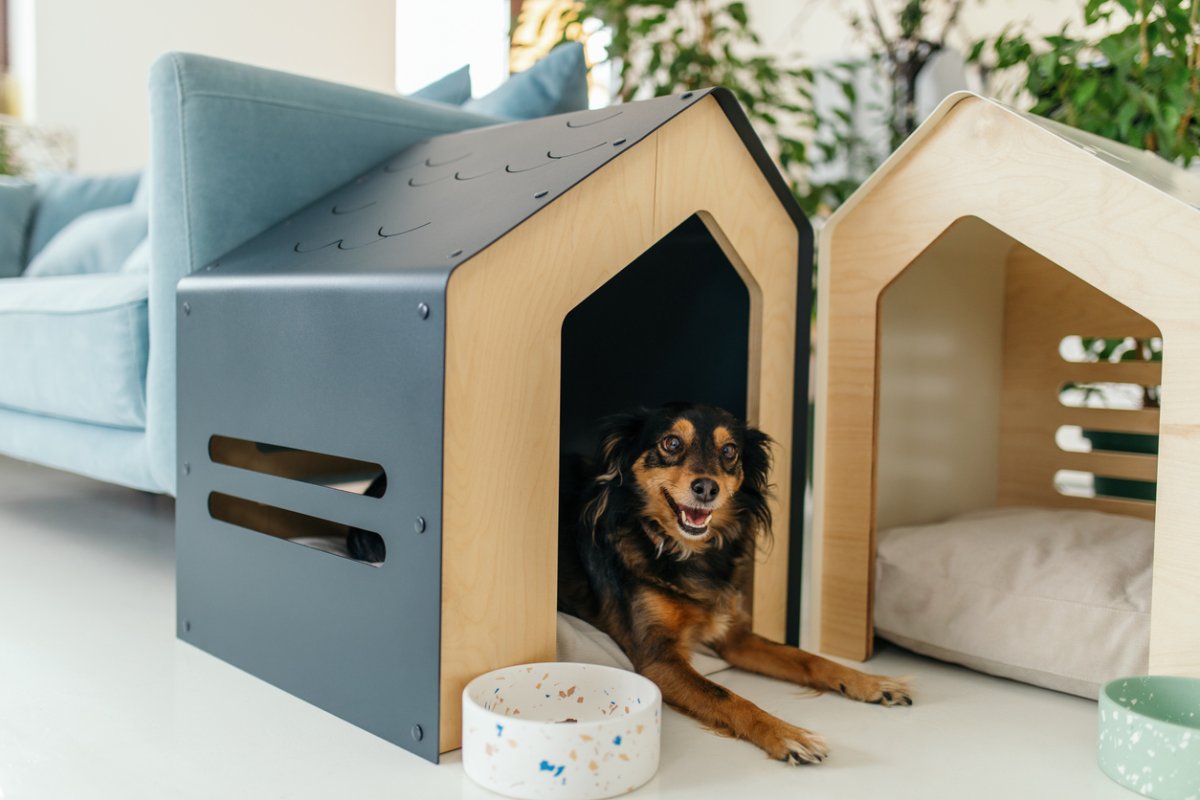
If your dog had thumbs, you would already be getting design notes. There would be demands for a shaded porch, better airflow, a dignified entrance, and probably a snack drawer. Since your pup is working with tail wags instead of blueprints, the planning falls to you. The good news is that building a DIY dog house is one of those rare projects that can be practical, affordable, and genuinely fun. It gives your dog a comfortable backyard retreat while giving you the deep satisfaction of pointing at a tiny structure and saying, “Yes, I built that.”
The best dog house plans are not just cute. They are safe, weather-aware, easy to clean, and sized for the actual dog who will use them. A giant palace may look impressive, but if your beagle only needs a snug hideout, that oversized mansion is doing more for your ego than your pet. Likewise, a charming little cottage is only charming until your Labrador tries to enter it like a commuter squeezing onto a packed subway car.
That is why smart DIY dog house plans balance style and function. You want a design that fits your yard, your budget, and your skill level, but you also need a raised floor, reliable drainage, decent ventilation, and materials that can stand up to weather, dirt, slobber, and the occasional paw-based renovation attempt. Below, you will find 10 dog house ideas you can build yourself, along with practical tips to help you choose the right one for your furry friend.
Before You Build: What a Good DIY Dog House Actually Needs
Before we get to the plans, let’s talk about the non-glamorous details. These are the features that turn a “cute little dog house” into a useful outdoor shelter.
Get the size right
A dog house should be large enough for your dog to stand, turn around, and lie down comfortably, but it should not feel like an empty warehouse. A snugger interior holds warmth better in cool weather. Start by measuring your dog’s seated height and body length, then choose or adjust a plan to fit. This step matters more than decorative trim, Pinterest charm, or your sudden urge to build a canine version of a Cape Cod cottage.
Raise the floor
A dog house should sit off the ground. Even a few inches makes a big difference. A raised base helps keep out rainwater, reduces contact with cold ground, improves airflow beneath the structure, and makes the whole house last longer. If you do nothing else, do this. Wet floors are miserable for dogs and unkind to wood.
Ventilation matters more than you think
Dog houses need airflow, especially in warmer climates. A sealed box can turn stuffy fast. Small vents high on the walls, a slightly offset roofline, or open gables can help air move without creating a direct draft at your dog’s sleeping level. This is especially important if your yard gets strong sun for part of the day.
Plan for weather, not just weekends
Your dog house needs a roof with enough slope to shed rain, an entrance that does not invite every gust of wind inside, and materials that can survive more than one season. Exterior-grade plywood, cedar, composite panels, and properly sealed trim are all popular choices. If you live in a cold region, add insulation carefully and keep bedding dry. If you live in a hot one, prioritize shade and airflow over turning the house into a padded little oven.
Make cleaning easy
Removable roof panels, hinged tops, or wide openings make life easier when it is time to clean. And there will be a time to clean. Probably right after your dog tracks in mud, leaves behind half a tennis ball, and somehow turns a perfectly nice shelter into a fur-lined art installation.
10 Dog House Plans You Can DIY for Your Furry Friend
1. The Classic A-Frame Dog House
If you want the most timeless of all DIY dog house plans, start here. The A-frame is the backyard classic: simple to build, easy to scale, and reliable in wet weather because the steep roof naturally sheds rain. It works especially well for small to medium dogs and for DIYers who want a straightforward weekend project without a dramatic relationship with miter cuts.
This style usually uses a plywood shell over a basic lumber frame. You can paint it, shingle it, or keep it rustic. The best version includes a raised floor, a slightly extended roofline over the doorway, and side vents near the top. It is clean, practical, and blessedly free of unnecessary fuss.
2. The Modern Slant-Roof Dog House
For homeowners who like crisp lines and a more updated look, a modern slant-roof dog house feels right at home in a contemporary yard. The single-pitch roof makes construction easier than it looks and creates good runoff during rainy weather. It also gives the structure a neat, architectural feel that says, “My dog has taste.”
This plan works well with plywood, trim boards, and a painted exterior. You can add a side overhang for extra shade or a wider front platform for lounging. It is a good choice for medium and large breeds because the rectangular footprint is easy to customize. Functionally, it is also one of the easiest plans to make accessible for older dogs who do not love climbing or hopping.
3. The Front-Porch Dog House
If your dog likes to supervise the neighborhood like a tiny, furry HOA president, a front-porch dog house is a great choice. This design includes a covered sleeping area plus a small open deck where your dog can relax in the shade without fully retreating indoors. It is half shelter, half observation platform.
The porch can be as simple as an extended floor under the roofline or as polished as a framed deck with trim and decorative posts. This is one of the most charming dog house plans because it looks custom without requiring circus-level carpentry. It is also useful in changing weather, giving your dog a dry spot to hang out when the ground is damp but the full interior feels too warm.
4. The Raised Deck Dog House
In damp yards, hot climates, or areas with bug problems, a raised deck dog house makes a lot of sense. Instead of sitting near the ground, the whole structure is elevated on legs or a platform. This boosts airflow under the house, helps keep the floor dry, and gives your dog a cooler resting zone.
Use sturdy framing lumber for the base and add diagonal bracing if the house sits higher than a basic lift. A small ramp can help older or shorter dogs get inside comfortably. This type of build tends to look slightly more substantial than other dog house plans, which is nice if you want the shelter to feel like a permanent backyard feature rather than an afterthought parked next to the hose.
5. The Pallet Dog House
If your budget is tight and your DIY spirit is strong, a pallet dog house is worth considering. Reclaimed pallet wood can give the structure texture and character, and the whole project can be surprisingly affordable if you already have access to usable lumber. It is the kind of build that looks expensive when done well and chaotic when done with excessive optimism.
The trick is to choose clean, safe materials and sand everything thoroughly. Pallet wood alone is rarely enough for a comfortable shelter, so combine it with a solid framed base and weather-resistant roof. This design looks great in rustic or farmhouse-style yards, and it gives you creative freedom without demanding showroom perfection.
6. The Insulated Winter Dog House
If you live where winter actually means winter, an insulated dog house may be the most practical route. This style focuses less on decorative flair and more on warmth, dryness, and blocking wind. The walls, roof, and floor can all be built with insulation sandwiched between interior and exterior panels, while the entrance is offset or partially shielded to reduce drafts.
This design must be done thoughtfully. You want warmth, but not trapped moisture or poor air quality. Keep the house dry, keep the bedding fresh, and remember that even a well-built dog house is not a substitute for common-sense weather monitoring. The goal is a better temporary shelter during outdoor time, not a reason to leave a dog outside in extreme conditions.
7. The Breezy Summer Dog House
Some dogs do not need a snug winter cabin. They need a shady retreat that does not feel like a toaster oven by noon. That is where a breezy summer dog house comes in. This plan usually has a more open design, wider vents, a larger shaded overhang, and lighter materials or colors that reflect heat better than dark finishes.
Think of it as a hybrid between a shelter and a covered lounge space. It is especially useful in sunny regions where airflow is essential. You can include a slightly open gable, screened vent openings, or a deep roof edge that creates a cool perimeter around the entrance. If your dog spends time in the yard during warm months, this design can be more comfortable than a tightly enclosed box.
8. The Barn-Style Dog House
For pet owners who like a little personality in their projects, the barn-style dog house is a crowd-pleaser. It usually features a taller roof, wider front face, and decorative trim that gives it that mini-farmhouse look. It is cute, yes, but it is also practical because the taller roofline can improve ventilation and make the interior feel less cramped for taller dogs.
This plan works beautifully with board-and-batten details, painted siding, or a contrasting roof color. Add faux shutters if you must, but only after the important stuff is handled: dry floor, secure framing, good drainage, and a doorway sized for your dog rather than your design fantasies. This is a great build when you want something functional that also earns compliments from guests.
9. The Dog House With a Side Storage Bin
If you are tired of losing leashes, poop bags, toys, or the mystery tennis ball collection, build a dog house with integrated storage. The sleeping chamber sits on one side, while a weather-protected compartment on the other holds supplies. It is an efficient design for smaller yards and busy households that want everything in one place.
This plan does require more careful layout, because storage space should never shrink the dog’s actual comfort zone. Keep the sleeping area properly sized, then partition the remaining space with a sealed divider. It is a clever option for people who like organization and for dogs who appreciate having a butler nearby, even if that butler is just you in old sneakers holding a drill.
10. The Mini House That Matches Your Home
Yes, it is extra. Yes, it is adorable. And yes, people absolutely do build dog houses that echo their own homes. Matching siding, trim, roof color, or window style can turn a simple shelter into a backyard conversation piece. The beauty of this plan is that it starts with a practical shape and layers on style afterward.
The key is not letting aesthetics outrank comfort. The dog does not care if the trim matches your shutters, but your neighbors probably will. So go ahead and add the design details, just not at the expense of ventilation, easy cleaning, or weather protection. Done right, this plan blends curb appeal with real-world usefulness and becomes part of the landscape rather than a random box near the fence.
How to Choose the Best Plan for Your Dog and Yard
The best dog house plan is not always the fanciest one. It is the one your dog will actually use. Start with your climate. If your area is rainy, prioritize roof pitch and elevation. If it is hot, make ventilation and shade your top concerns. If your dog is older, skip tall entries and steep ramps. If your dog is a chewer, choose durable materials and protect edges with trim.
Then look at your yard. A large farmhouse-style build may look amazing online, but not every backyard has room for a canine estate. Smaller spaces often benefit from simple rectangular or modern profiles that tuck neatly against a fence or patio. Meanwhile, bigger yards can handle porch designs, raised decks, or more decorative plans without making the shelter feel crowded.
Finally, be honest about your skill level. There is zero shame in choosing the simplest of the dog house plans and building it well. A clean, sturdy, weather-resistant shelter beats a half-finished dog palace every single time.
Real-Life DIY Experiences: What Building a Dog House Actually Teaches You
The funny thing about building a dog house is that it seems small until you start making decisions. Suddenly you are debating roof pitch like you are designing a ski lodge. You hold up paint swatches. You kneel in the yard trying to imagine the wind direction from a dog’s perspective. And somewhere along the way, you realize this is not just a pet project. It is a lesson in how thoughtful design changes everyday comfort.
One of the first things many DIYers learn is that dogs are very honest clients. They do not care how long you spent choosing trim. They care whether the floor is dry, whether the entrance feels safe, and whether the house sits in the right patch of shade. A dog will ignore a beautiful build if it is too hot, too drafty, too cramped, or placed in the noisiest corner of the yard. That kind of feedback is humbling, but also useful. It reminds you that good design starts with behavior, not decoration.
Another common experience is discovering that the location matters almost as much as the structure itself. Put a dog house in direct afternoon sun, and your dog may treat it like a decorative object rather than a retreat. Place it where water pools after rain, and you have basically built a soggy disappointment with a roof. But move the same house to a calmer, shaded spot with decent drainage, and suddenly it becomes a favorite hangout. That shift teaches a bigger lesson: function lives in context.
Many people also find that building for a dog changes the way they think about scale. When you build shelves or a bench, you tend to think in room dimensions. When you build for a dog, every inch feels more personal. A doorway a little too low, a floor a bit too cold, a roof that rattles in wind, these details become obvious fast. You start noticing how comfort is created by small choices. It is one of the reasons dog house projects are so satisfying. They are manageable in size, but surprisingly rich in practical design thinking.
Then there is the emotional side. A DIY dog house often becomes more than a project because it is tied to daily rituals. It is where your dog waits while you garden, where they retreat during a light rain, where they nap after chasing nothing in particular across the yard. Over time, the house becomes part of the rhythm of home. Scratches appear on the threshold. The favorite side gets worn smooth. The porch becomes the official squirrel surveillance station. Those little signs of use are not flaws. They are proof the project worked.
And perhaps the best experience of all is this: you build something with your hands, your dog uses it without reading the reviews, and the result is simple happiness. No app required. No password. Just a sturdy little shelter, a wagging tail, and the deeply ridiculous pride of having become your pet’s contractor, architect, and maintenance department all at once.
Conclusion
The best DIY dog house plans combine comfort, durability, and common sense. Whether you choose a classic A-frame, a breezy summer design, a raised-deck shelter, or a porch-front charmer, the essentials stay the same: right-size it for your dog, keep it dry, let it breathe, and build it to handle real weather instead of imaginary Instagram weather. Do that, and you will create more than a cute backyard feature. You will build a useful, comfortable retreat your furry friend can actually enjoy.