Note: This article is for general education only and is not a substitute for medical advice, diagnosis, or treatment. Anyone with symptoms, abnormal test results, or concerns about HPV should speak with a qualified healthcare professional.
Human papillomavirus, better known as HPV, is one of those health topics that sounds scarier than it usually behaves. It is extremely common, often silent, and, in many cases, cleared by the immune system before it causes trouble. In other words, HPV is the unexpected houseguest of sexually transmitted infections: it may show up, leave no note, and quietly exit before anyone notices.
Still, HPV deserves attention. Some types can cause genital warts, while high-risk types can lead to cell changes and cancers of the cervix, anus, penis, vulva, vagina, and throat. The tricky part is that HPV often causes no symptoms at all. That is why HPV testing, Pap testing, vaccination, and regular checkups matter for both women and men.
This guide explains HPV symptoms in women and men, how HPV tests work, what screening can and cannot detect, and when to call a doctor. The goal is simple: less panic, more facts, and absolutely no shame.
What Is HPV?
HPV is a group of more than 200 related viruses. Some types infect the skin and cause common warts on the hands or feet. Others are spread through intimate skin-to-skin contact, including vaginal, anal, and oral sex. These sexually transmitted types are usually divided into two categories: low-risk HPV and high-risk HPV.
Low-Risk HPV
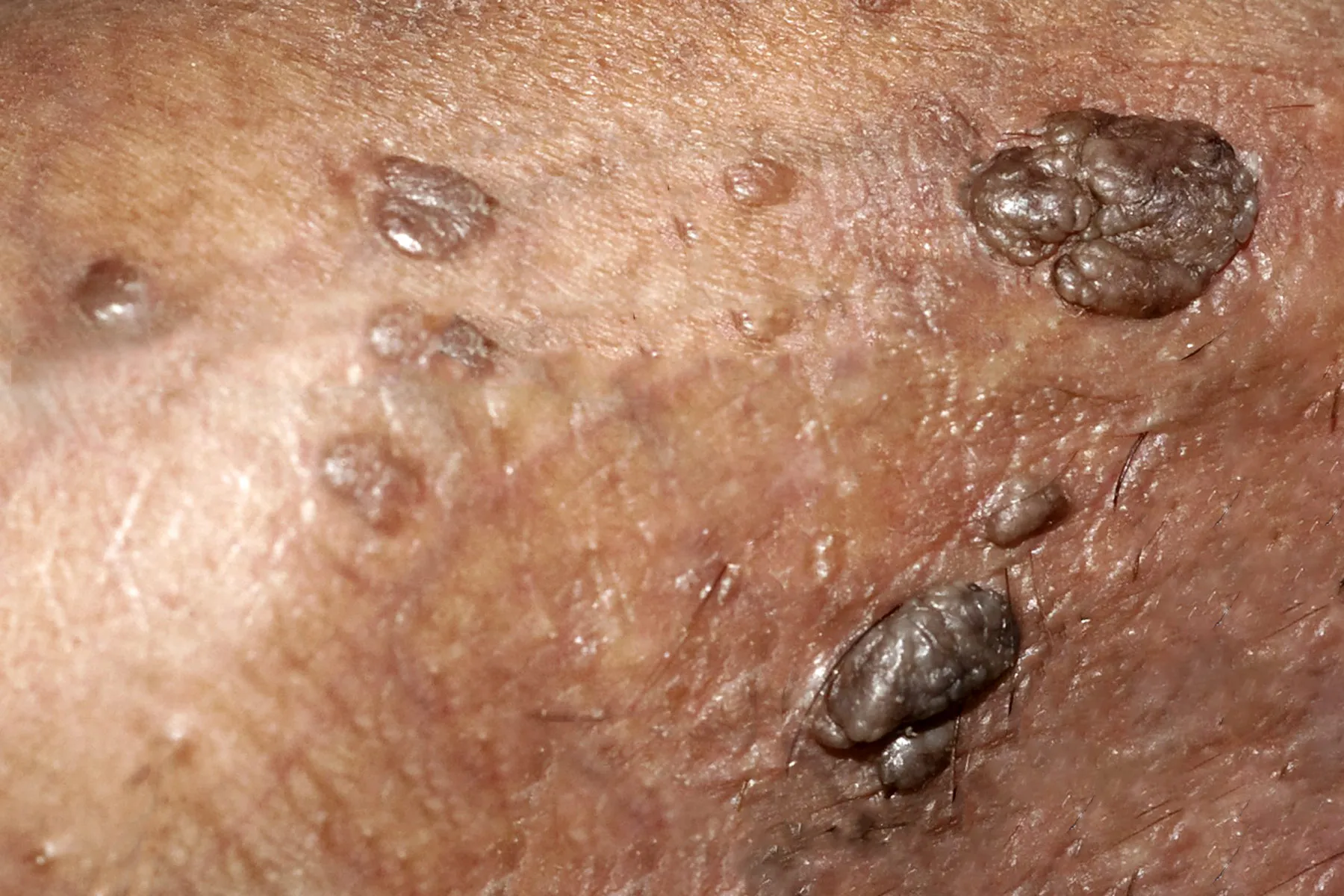
Low-risk HPV types do not usually cause cancer. However, they can cause genital warts around the vulva, vagina, cervix, penis, scrotum, anus, mouth, or throat. Genital warts may look like small bumps, flat lesions, or cauliflower-like growths. They can be itchy or tender, but many people feel nothing at all.
High-Risk HPV
High-risk HPV types are the ones doctors watch more closely because persistent infection can cause abnormal cell changes. Over time, if those changes are not found and treated, they may become cancer. HPV types 16 and 18 are especially important because they are linked to many HPV-related cancers.
Here is the key point: high-risk HPV usually does not cause obvious symptoms. A person can feel perfectly healthy and still have HPV. That is not a character flaw. That is just biology being annoyingly quiet.
HPV Symptoms in Women
Most women with HPV do not have symptoms. Many only learn about HPV after a cervical cancer screening test shows high-risk HPV or abnormal cervical cells. That is why screening is so important: it can catch problems before they become cancer.
Possible Signs of Low-Risk HPV in Women
When symptoms do appear, genital warts are the most common visible sign. In women, these warts may appear on the vulva, inside or around the vagina, on the cervix, near the anus, or in the groin area. They may be raised, flat, clustered, smooth, rough, flesh-colored, pink, or grayish. Some are tiny enough to miss unless a clinician examines the area.
Genital warts may itch, burn, bleed slightly after irritation, or feel uncomfortable during sex. However, they can also cause no discomfort at all. Do not try to diagnose every bump with a flashlight, a mirror, and a panic spiral. Skin tags, ingrown hairs, cysts, and other conditions can look similar.
Possible Signs of HPV-Related Cell Changes or Cancer
Early cervical cell changes usually do not cause symptoms. If cervical cancer develops, possible symptoms may include abnormal vaginal bleeding, bleeding after sex, bleeding after menopause, pelvic pain, pain during sex, or unusual vaginal discharge. These symptoms do not automatically mean cancer, but they do mean “please book an appointment,” not “let’s wait six months and ask the internet again.”
HPV can also be linked to vulvar, vaginal, anal, and throat cancers. Warning signs may include a persistent sore, lump, itching, bleeding, pain, trouble swallowing, voice changes, or a lump in the neck. These symptoms can have many causes, but persistent changes deserve medical attention.
HPV Symptoms in Men
Men can get HPV, transmit HPV, and develop HPV-related health problems. However, there is no routine HPV screening test for most men. This sometimes creates the false impression that HPV is only a women’s health issue. It is not. HPV is an everyone-with-skin-and-a-social-life issue.
Possible Signs of Low-Risk HPV in Men
In men, genital warts may appear on the penis, scrotum, groin, thighs, or around the anus. They may be single or clustered, raised or flat, small or larger. Some warts are easy to see; others may be hidden in folds of skin or inside the anal canal.
Warts may itch, feel tender, or bleed if irritated. They can also sit there quietly like tiny unwanted roommates. A healthcare provider can usually diagnose genital warts by looking at them.
Possible Signs of HPV-Related Cancers in Men
Most HPV infections in men clear without causing health problems. But persistent high-risk HPV can contribute to anal, penile, and oropharyngeal cancers. Possible symptoms include anal bleeding, anal pain, a lump near the anus, changes in bowel habits, a sore or growth on the penis, bleeding from the penis, persistent throat pain, trouble swallowing, ear pain, voice changes, or a lump in the neck.
These symptoms are not proof of HPV-related cancer. They are simply signs that a clinician should evaluate. Early care is better than late-night symptom searching, which, as everyone knows, somehow turns a mild itch into a dramatic medical documentary.
Can You Have HPV With No Symptoms?
Yes. In fact, this is the most common situation. Most people with HPV never know they have it. The immune system often clears the infection naturally within a year or two. During that time, a person may still pass HPV to a partner without realizing it.
This silent nature is one reason HPV is so common. It can spread through intimate skin-to-skin contact even when there are no warts, sores, or visible changes. Condoms and dental dams can lower the risk, but they do not cover every area of skin where HPV may live.
How Is HPV Tested in Women?
HPV testing is mainly used for cervical cancer screening. It checks cervical or vaginal samples for high-risk HPV types that are more likely to cause cervical precancer and cancer. It is important to understand that an HPV test does not diagnose cancer. It identifies viral types that may increase risk.
HPV Test
An HPV test looks for high-risk HPV in cells collected from the cervix or vagina. A clinician may collect the sample during a pelvic exam, or eligible patients may use an FDA-approved self-collection option through a healthcare provider. If the test is negative, risk is generally lower for the next several years. If it is positive, follow-up depends on the HPV type and whether abnormal cells are present.
Pap Test
A Pap test, also called a Pap smear, looks for abnormal cervical cells. It does not directly test for HPV. Instead, it checks whether HPV may have caused changes in cervical cells. Think of the HPV test as asking, “Is the risky virus here?” and the Pap test as asking, “Have the cells changed?” Both questions are useful.
Co-Testing
Co-testing means an HPV test and Pap test are done together. This approach can provide more information, especially for people ages 30 to 65. Screening guidelines vary depending on age, health history, immune status, previous results, and available testing options.
Current Cervical Cancer Screening Basics
For people with a cervix, screening recommendations depend on age and risk level. Many U.S. guidelines recommend starting cervical cancer screening in early adulthood and continuing through age 65 for those at average risk. Depending on the guideline and testing availability, options may include Pap testing, primary HPV testing, co-testing, or FDA-approved self-collected HPV testing.
Many people ages 21 to 29 are screened with Pap testing at regular intervals. People ages 25 or 30 to 65 may have HPV-based screening options, including primary HPV testing every five years when clinician-collected testing is available, co-testing every five years, or Pap testing every three years when HPV testing is not available. Some newer guidance also includes self-collected HPV testing at shorter intervals when approved devices are used.
People at higher risk may need a different schedule. This includes those with a history of serious cervical precancer, cervical cancer, HIV, immune suppression, or certain abnormal results. The best screening plan is the one made with a healthcare provider who knows your historynot your cousin’s friend’s group chat.
Is There an HPV Test for Men?
There is currently no approved routine HPV test to check a man’s general “HPV status.” HPV tests are not recommended as a general STI test for men, and they are not used to diagnose genital warts. A provider usually diagnoses visible warts by examination.
Some high-risk groups may be evaluated for anal cancer risk using anal Pap tests, high-resolution anoscopy, or other approaches, depending on medical history and local clinical practice. This may be considered for people with HIV, men who have sex with men, people with a history of receptive anal sex, or individuals with immune suppression. Anyone worried about anal symptoms or risk should ask a clinician what screening or evaluation makes sense.
What Does a Positive HPV Test Mean?
A positive HPV test means high-risk HPV was found in the sample. It does not mean you have cancer. It does not mean you know when you got HPV. It does not prove anyone cheated. HPV can remain quiet for months or years before being detected, which makes detective work nearly impossible.
Follow-up may include repeating the test later, doing a Pap test, performing genotyping for HPV 16 or 18, or having a colposcopy. During colposcopy, a clinician uses a magnifying device to look closely at the cervix and may take a small biopsy if needed.
What Does an Abnormal Pap Test Mean?
An abnormal Pap test means cervical cells look different than expected. These changes can be mild, moderate, or severe. Many mild changes go away on their own, especially in younger people. More serious changes may require closer monitoring or treatment to remove or destroy abnormal cells before they become cancer.
The follow-up plan depends on age, Pap result, HPV result, past screening history, and specific risk. It is normal to feel nervous, but abnormal does not automatically mean dangerous. It means your healthcare team has a map and knows where to look next.
HPV Treatment: What Can and Cannot Be Treated
There is no medication that clears HPV itself. That sounds frustrating, but the immune system often handles the virus naturally. Treatment focuses on the conditions HPV can cause.
Genital Wart Treatment
Genital warts can be treated with prescription creams, freezing, surgical removal, laser therapy, or other office-based procedures. Warts may come back after treatment because the virus can remain in nearby skin cells for a while. Recurrence is annoying, not unusual.
Precancer Treatment
Cervical precancer can often be treated before it becomes cancer. Procedures may remove abnormal tissue or destroy abnormal cells. This is why screening is so powerful: it can find trouble while it is still in the “please fix me early” stage.
HPV Prevention for Women and Men
HPV prevention includes vaccination, safer sex practices, regular screening for people with a cervix, and prompt evaluation of symptoms.
HPV Vaccination
The HPV vaccine helps protect against HPV types that cause most HPV-related cancers and genital warts. It is routinely recommended for preteens, but vaccination can start as early as age 9. Teens and young adults who were not vaccinated should catch up through age 26. Some adults ages 27 to 45 may choose vaccination after discussing their risk and potential benefit with a healthcare provider.
Condoms and Dental Dams
Condoms and dental dams reduce the chance of HPV transmission, but they do not eliminate it because HPV can infect areas not covered by a barrier. Still, “not perfect” does not mean “not useful.” Seat belts do not prevent every injury either, and we still buckle up.
Regular Screening
People with a cervix should follow cervical cancer screening recommendations even if they feel healthy, have had the HPV vaccine, are in a long-term relationship, are not currently sexually active, or are in menopause. HPV does not care about relationship status, and screening is not a morality test. It is preventive healthcare.
When to See a Doctor
Make an appointment if you notice genital bumps, warts, bleeding after sex, unusual discharge, pelvic pain, anal bleeding, anal pain, a sore that does not heal, a lump in the neck, persistent throat symptoms, or any change that worries you. Also follow up promptly after any positive HPV test or abnormal Pap result.
Do not use over-the-counter wart removers on genital areas unless a clinician specifically tells you to. Products made for hand or foot warts can irritate sensitive genital skin. Your private parts deserve better than a chemical ambush.
Talking About HPV With a Partner
Talking about HPV can feel awkward, but it does not need to become a courtroom drama. HPV is common, often silent, and frequently impossible to trace to a specific time or partner. A calm conversation can focus on facts: HPV is common, most infections clear, vaccination helps prevent future infections, and people with a cervix should stay current with screening.
A helpful script might sound like this: “I recently had a test result related to HPV. My doctor said it is common and often clears, but I wanted to be honest and talk about protection, vaccination, and follow-up.” That is mature, clear, and dramatically better than disappearing into a blanket burrito of shame.
Common Myths About HPV
Myth 1: HPV Always Causes Symptoms
False. Most HPV infections cause no symptoms. That is why testing and screening matter.
Myth 2: Only Women Need to Care About HPV
False. Men can get HPV, spread HPV, develop genital warts, and, rarely, develop HPV-related cancers.
Myth 3: A Positive HPV Test Means Cancer
False. A positive test means high-risk HPV was found. Follow-up helps determine whether cell changes are present.
Myth 4: HPV Means Someone Cheated
False. HPV can be silent for a long time. A new result does not reveal when or from whom the virus was acquired.
Myth 5: The HPV Vaccine Is Only for Girls
False. HPV vaccination is recommended for boys and girls because HPV-related cancers and genital warts affect all sexes.
Real-Life Experiences: What HPV Symptoms and Tests Can Feel Like
Many people describe HPV testing as more emotionally uncomfortable than physically difficult. The exam itself may be quick, but waiting for results can make the mind run laps like it is training for an anxiety marathon. One common experience is the surprise factor: a person goes in for a routine visit, feels completely fine, and then receives a message saying the HPV test was positive. Suddenly, a silent virus becomes the loudest thing in the room.
For women, the first HPV-related experience often happens during cervical cancer screening. Someone may schedule a Pap test because it is “that time again,” not because anything feels wrong. The appointment may include a speculum exam, a small brush or swab, and a few minutes of pressure or mild cramping. Then life goes back to normal until the results arrive. If the result shows high-risk HPV or abnormal cells, the next step may be repeat testing, a colposcopy, or closer monitoring. Many patients say the hardest part is not the test; it is decoding the result without assuming the worst.
Another common experience involves genital warts. A person may notice a small bump while showering and immediately wonder whether it is an ingrown hair, a skin tag, or something more serious. The uncertainty can be embarrassing, especially because genital symptoms are not exactly dinner-table conversation. A clinician can often tell by looking, and treatment options are available. People frequently feel relief just from having a name for the problem and a plan to deal with it.
Men often face a different kind of frustration: the lack of routine HPV testing. A male partner may hear that a partner has HPV and ask, “How do I get tested?” The answer is usually that there is no general approved HPV test for men. That can feel unsatisfying, but it does not mean men are powerless. They can check for visible symptoms, see a healthcare provider for unusual bumps or sores, discuss anal cancer screening if they are in a higher-risk group, use condoms or dental dams to reduce risk, and get vaccinated if eligible.
Couples also describe HPV as a communication test. Because HPV can appear long after exposure, it is not useful to turn the conversation into a blame investigation. The healthier approach is practical: share information, ask about vaccination, follow medical advice, and avoid sexual contact when visible warts are present or during treatment unless a clinician says otherwise.
Perhaps the most reassuring experience people report is realizing they are not alone. HPV is incredibly common. A positive result does not define anyone’s character, cleanliness, relationship, or future. It simply means follow-up matters. With screening, vaccination, and honest medical guidance, most people manage HPV without major complications. The goal is not panic. The goal is prevention, early detection, and giving your future self fewer problems to deal with.
Conclusion
HPV symptoms and tests in women and men can be confusing because HPV is often invisible. Low-risk types may cause genital warts, while high-risk types can silently cause cell changes that may lead to cancer over many years. Women and people with a cervix benefit from regular cervical cancer screening through Pap tests, HPV tests, co-testing, or approved self-collection options. Men do not have routine HPV testing, but they should still watch for symptoms and seek care when something changes.
The best strategy is prevention plus follow-up: get vaccinated when eligible, practice safer sex, keep screening appointments, and ask questions without shame. HPV is common, but common does not mean harmless. With the right information and care, it is also manageable.