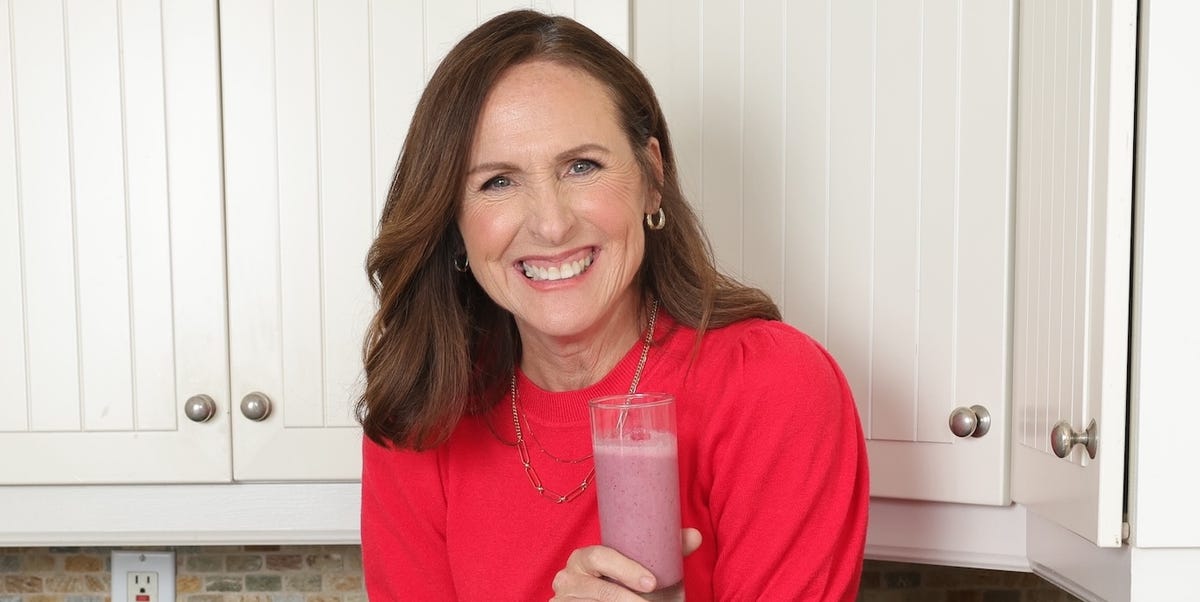
Molly Shannon built a career by throwing herself into comedysometimes almost literally. Her fearless Saturday Night Live characters kicked, stretched, crashed into furniture, dropped to their knees, and treated the laws of physics as polite suggestions. Decades later, Shannon is still energetic, but her approach to movement has become considerably kinder to her joints.
When Shannon discussed her wellness habits in 2025, at age 60, she revealed that her secret was not a punishing celebrity boot camp, an expensive machine, or a suspicious green powder harvested during a full moon. It was consistency. She regularly rotated among hiking, swimming, and running while making stretching, recovery, nutritious food, and family time part of the same routine.
Her approach offers a refreshingly realistic lesson about staying active after 60: The best fitness plan is not necessarily the hardest one. It is the plan that keeps you moving, protects your body, and remains enjoyable enough to repeat tomorrow.
Molly Shannon’s Fitness Secret Is Surprisingly Simple
Shannon has said that she typically chooses one of three activities each day: hiking, swimming, or running. Rather than forcing herself through the same workout seven days a week, she changes the activity according to her schedule, location, energy, and mood.
That flexibility may be the real secret behind her active lifestyle. A routine with several options is easier to maintain than a rigid program that collapses the moment the weather changes, the pool closes, or your knees send a strongly worded complaint.
Hiking gives Shannon sustained cardiovascular exercise and time outdoors. Swimming provides full-body movement without the repeated impact of running. Running offers a more vigorous workout when she feels ready for it. Each activity challenges the body differently, which can make exercise more interesting while reducing the mental fatigue associated with doing the same thing every day.
Shannon has described taking hikes that can last as long as two hours. She also views walking and hiking as emotional reset buttons. Listening to a podcast or spending quiet time on a trail turns the workout into something closer to moving meditation than a grim appointment with a calorie counter.
Primary interviews and related reporting:
Why Movement Matters More to Her Now
Shannon’s early comedy was famously physical. Mary Katherine Gallagher, Sally O’Malley, and several of her other characters demanded exaggerated kicks, sudden falls, frantic gestures, and enthusiastic collisions with stage furniture.
She has recalled finishing performances with scraped legs, bruised knees, and the realizationusually arriving after the adrenalinethat the human body is not technically designed to bounce off tables for applause.
At 30, she could recover from that kind of performance without giving the process much thought. At 60, she explained that exercise and stretching had become deliberate forms of maintenance. Her goal was no longer simply to be active during a performance. She wanted to stay ahead of stiffness and discomfort so she could continue working, traveling, and enjoying everyday life.
That shift is relevant far beyond Hollywood. Many people enter their 50s and 60s expecting exercise to feel exactly as it did decades earlier. When it does not, they assume they have failed. Shannon’s routine suggests a healthier interpretation: The body has changed, so the strategy should change with it.
Rotating Workouts Helps Keep the Routine Sustainable
Hiking Combines Cardio With Mental Recovery
Hiking appears to be Shannon’s favorite activity. It raises her heart rate, works the lower body, and gives her a break from studios, scripts, phones, and schedules. Depending on the terrain, a hike can also challenge balance, ankle stability, and coordination.
Walking remains one of the most accessible forms of physical activity for adults. Brisk walking can contribute to weekly aerobic-exercise goals while supporting cardiovascular health, sleep, mood, and stamina. It also requires little equipment beyond supportive footwear and a reasonably cooperative forecast.
Swimming Offers a Joint-Friendly Alternative
Swimming gives Shannon another way to train her heart and muscles without placing the same load on her hips, knees, and ankles. The water supports the body while providing resistance in nearly every direction.
For adults managing joint sensitivity, swimming or water aerobics can be useful alternatives to high-impact exercise. They are not automatically easyanyone who has attempted several energetic pool laps knows water can be extremely persuasivebut they allow vigorous movement with less pounding against the ground.
Running Preserves Intensity
Shannon still includes running when it feels appropriate. That matters because active aging does not have to mean eliminating every challenging exercise. Healthy adults who already run may be able to continue, provided they adjust their pace, recovery, footwear, and training volume as needed.
The smartest interpretation of her routine is not that everyone should run daily. It is that age alone does not require surrendering intensity. The appropriate level depends on health, fitness history, mobility, and medical guidance.
Activity guidance and benefits:
Her Recovery Routine Is Part of the Workout
Shannon’s activity plan does not end when the hike, swim, or run is over. She also enjoys steam rooms and saunas, where she stretches, relaxes, reads, or memorizes lines. It is a wonderfully efficient image: part recovery session, part rehearsal, part extremely warm office.
She likes stretching when her muscles are already warm. That approach is generally consistent with mainstream fitness guidance. Static stretching is usually more appropriate after a light warm-up or workout than when the muscles are cold. Gentle stretching can support flexibility and range of motion, although it should not be treated as a guaranteed shield against soreness or injury.
Sauna time may promote relaxation, but it should be viewed as a recovery preference rather than a substitute for exercise. Heat exposure can lead to dehydration, dizziness, or blood-pressure changes. Anyone with heart disease, low blood pressure, pregnancy, or other relevant conditions should ask a medical professional whether sauna use is appropriate.
Shannon has also spoken positively about cold plunges. Cold-water immersion may temporarily ease muscle soreness for some people, but it is not risk-free. Sudden cold can trigger rapid breathing, raise cardiovascular strain, reduce motor control, and become dangerous when exposure is too long. Beginners should never turn a cold plunge into an endurance contest. There is no trophy for being the most hypothermic person at the spa.
Recovery and safety guidance:
A Morning Smoothie Supports Her Active Schedule
Shannon often begins her day with a relatively light breakfast before hiking. Her smoothie has included almond milk, berries, flaxseed, flax oil, ginger, and occasionally frozen kale. It provides a convenient combination of carbohydrates, fats, fiber, and plant-based ingredients without requiring a complicated morning production.
The lesson is not that everyone needs to duplicate her exact blender recipe. A pre-workout meal should reflect the person, the activity, and digestive comfort. Someone heading out for a relaxed walk may need less food than someone preparing for a long run. Some people tolerate smoothies beautifully; others prefer oatmeal, yogurt, eggs, fruit, or toast.
Shannon has also promoted a drug-free joint supplement from a brand with which she partnered. The product contains ingredients including turmeric. That commercial relationship is important context: A celebrity’s personal experience is not the same as independent proof that a supplement will work for everyone.
Research on turmeric and curcumin is still developing. Some studies suggest possible benefits for certain types of joint discomfort, but evidence is not conclusive, and ideal formulations and doses remain unclear. Turmeric supplements can also cause digestive side effects and may interact with medications or create risks for people with certain health conditions.
Food, sleep, progressive exercise, and medical care remain the foundation. Supplements should be discussed with a qualified health professional, particularly when someone takes prescription medicine or is being treated for a chronic condition.
Nutrition and turmeric evidence:
She Does Not Build Her Life Around Restriction
Another appealing part of Molly Shannon’s wellness routine is its lack of dietary drama. She has said she does not believe in making herself feel deprived and still enjoys foods such as french fries with mayonnaise.
That does not mean nutrition is irrelevant. It means a sustainable eating pattern can include pleasure. Constant restriction may make healthy living feel like punishment, whereas a flexible approach allows nutritious foods and favorite treats to coexist.
Shannon’s philosophy is essentially practical: Because she gives herself permission to enjoy food, she does not feel trapped in a cycle of rigid dieting and rebellion. Her meals are part of her life rather than a daily moral examination conducted by a disappointed salad.
Her Mental-Health Routine Includes Family, Nature, and Fun
Physical activity is only one part of Shannon’s sense of well-being. She has repeatedly spoken about the happiness she finds in her husband, children, home life, and family dog. She also uses hiking, swimming, reading, and travel as opportunities to decompress.
This emotional component helps explain why her routine appears sustainable. Exercise is connected to things she already values: being outdoors, staying capable for work, spending time with family, exploring new places, and feeling comfortable in her body.
She has also described becoming less self-conscious with age. In a 2025 interview, Shannon said she felt more settled and grateful to be alive, healthy, and enjoying her family. That perspective may be as valuable as any particular workout. Movement becomes easier to maintain when it is framed as appreciation for what the body can do rather than punishment for how it looks.
Research-based guidance similarly emphasizes choosing enjoyable activities. A theoretically perfect workout is not useful when it is so unpleasant that it survives for four days and then becomes an expensive clothes rack.
Aging, enjoyment, cognition and emotional well-being:
What Her Routine Gets Right About Fitness After 60
Molly Shannon’s habits align with several principles commonly recommended for healthy aging:
- She exercises consistently. Regular movement matters more than occasional heroic workouts.
- She varies her cardio. Hiking, swimming, and running provide options for different energy levels and physical demands.
- She treats recovery as essential. Stretching, relaxation, and sleep are built into the routine rather than saved for emergencies.
- She chooses activities she enjoys. Pleasure increases the likelihood that a habit will continue.
- She stays flexible. Her workout can change without the entire plan being abandoned.
- She connects fitness to daily life. The goal is to remain energetic for acting, travel, family, and fun.
Federal physical-activity guidance recommends that adults aim for 150 to 300 minutes of moderate-intensity aerobic activity each week, or 75 to 150 minutes of vigorous activity. Adults should also perform muscle-strengthening activities involving major muscle groups on at least two days per week.
As people grow older, balance work becomes increasingly important. Shannon’s reported routine contains plenty of aerobic movement, but a complete plan inspired by her habits could also include resistance training and balance exercises. Squats to a chair, resistance-band rows, wall push-ups, step-ups, calf raises, tai chi, or supervised weight training can help fill those gaps.
Anyone returning to exercise after a long break should begin below the level they believe they can handle. Gradual progress is more useful than an explosive first workout followed by six days of walking like a folding chair.
A Practical Weekly Routine Inspired by Molly Shannon
The following schedule is not Shannon’s official program. It is a balanced example based on the principles behind her active lifestyle:
- Monday: A 30- to 45-minute brisk walk or moderate hike, followed by gentle stretching.
- Tuesday: Full-body strength training and five to ten minutes of balance practice.
- Wednesday: Swimming, water aerobics, or an easy cycling session.
- Thursday: Recovery walk, mobility exercises, or a complete rest day.
- Friday: A run-walk workout, faster walk, or hill session appropriate to current fitness.
- Saturday: A longer recreational activity such as hiking, dancing, gardening, or playing with family.
- Sunday: Light movement, stretching after warming up, meal preparation, and sleep-focused recovery.
The schedule can be scaled up or down. A beginner might exercise for 10 minutes at a time. An experienced runner may complete longer sessions. A person with arthritis may favor the pool, stationary bike, or flat walking paths. The best version is the one that respects both ambition and reality.
Experience-Based Guide: What a Month of Moving Like Molly Might Feel Like
The following is an illustrative experience rather than a claim about one specific person. It shows how adults may realistically respond when they adopt the central ideas in Shannon’s routine: variety, consistency, outdoor movement, sensible recovery, and enjoyment.
Week One: Enthusiasm Meets the Calendar
The first week often begins with excitement. A person schedules a hike, a swim, and a run-walk session, imagining an immediate transformation into someone who bounds cheerfully up mountains before breakfast.
Reality arrives around Wednesday. Work runs late, the pool schedule is inconvenient, and the legs are more tired than expected. This is where variety becomes useful. Instead of declaring the week ruined, the swimmer takes a brisk neighborhood walk. The planned run becomes a shorter run-walk. The habit survives because the activity changes while the commitment to movement remains.
The most noticeable early benefit may not be dramatic fitness. It may simply be better awareness: tight calves after walking hills, improved mood after being outdoors, or deeper sleep on active days.
Week Two: The Body Starts Negotiating
During the second week, enthusiasm becomes more realistic. The person learns that a warm-up matters and that stretching cold muscles first thing in the morning feels less like wellness and more like trying to unfold a patio chair in winter.
Workout choices become smarter. Swimming follows a demanding hike because it feels easier on the knees. A rest day is taken before soreness becomes pain. Supportive shoes suddenly seem more glamorous than trendy shoes, which is one of adulthood’s quieter plot twists.
The routine also begins to feel less separate from daily life. A podcast is saved for walks. A family member joins the weekend hike. Exercise becomes a setting for something enjoyable rather than another task to complete.
Week Three: Consistency Becomes the Achievement
By the third week, the person may notice improved stamina. The usual route feels slightly easier, recovery is faster, and climbing stairs requires less negotiation with the lungs.
There may still be imperfect days. A planned workout gets replaced with 15 minutes of walking. Dinner includes fries. Sleep is occasionally poor. However, the person no longer treats one imperfect choice as permission to abandon the entire week.
This is one of the strongest lessons in Shannon’s approach. A sustainable routine has room for work, family, travel, favorite foods, low-energy days, and changing interests. Consistency is not the absence of disruption. It is the ability to return after disruption.
Week Four: The Goal Shifts From Appearance to Capability
At the end of a month, major visual changes may or may not be obvious. More meaningful improvements can be subtler: better balance on uneven ground, increased confidence in the pool, less stiffness after sitting, improved sleep, or a stronger sense of control over stress.
The person may also begin asking different questions. Instead of “How quickly can this change my body?” the questions become “Can I walk farther?”, “Do I have more energy?”, and “Which activity do I genuinely look forward to?”
That mindset reflects the most valuable part of Molly Shannon’s secret. Staying active at 60 is not about pretending to be 30. It is about caring for the body you have now so it remains capable of carrying you into whatever comes nextpreferably without requiring you to crash through a stage table.
Conclusion: The Real Secret Is Building a Life That Moves
Molly Shannon’s active lifestyle is not powered by a single exercise, supplement, or celebrity shortcut. It is built around daily movement, flexibility, recovery, and pleasure. She hikes, swims, or runs; stretches when her body is warm; enjoys sauna and steam-room time; eats nutritious foods without demanding perfection; and protects the relationships and activities that support her mental health.
Her routine also demonstrates that fitness after 60 can remain adventurous. Aging may require more preparation and recovery, but it does not automatically eliminate challenging workouts. The key is to adapt, listen to the body, and develop enough options that movement can continue even when circumstances change.
Perhaps that is why Shannon’s philosophy feels so believable. She is not chasing eternal youth. She is preserving the energy, mobility, confidence, and sense of humor that let her keep participating fully in her life.
Note: This article is for general informational purposes and does not replace personalized medical advice. People with chronic health conditions, pain, balance problems, cardiovascular concerns, or long periods of inactivity should consult a qualified healthcare professional before beginning vigorous exercise, using supplements, or trying sauna or cold-plunge therapy.