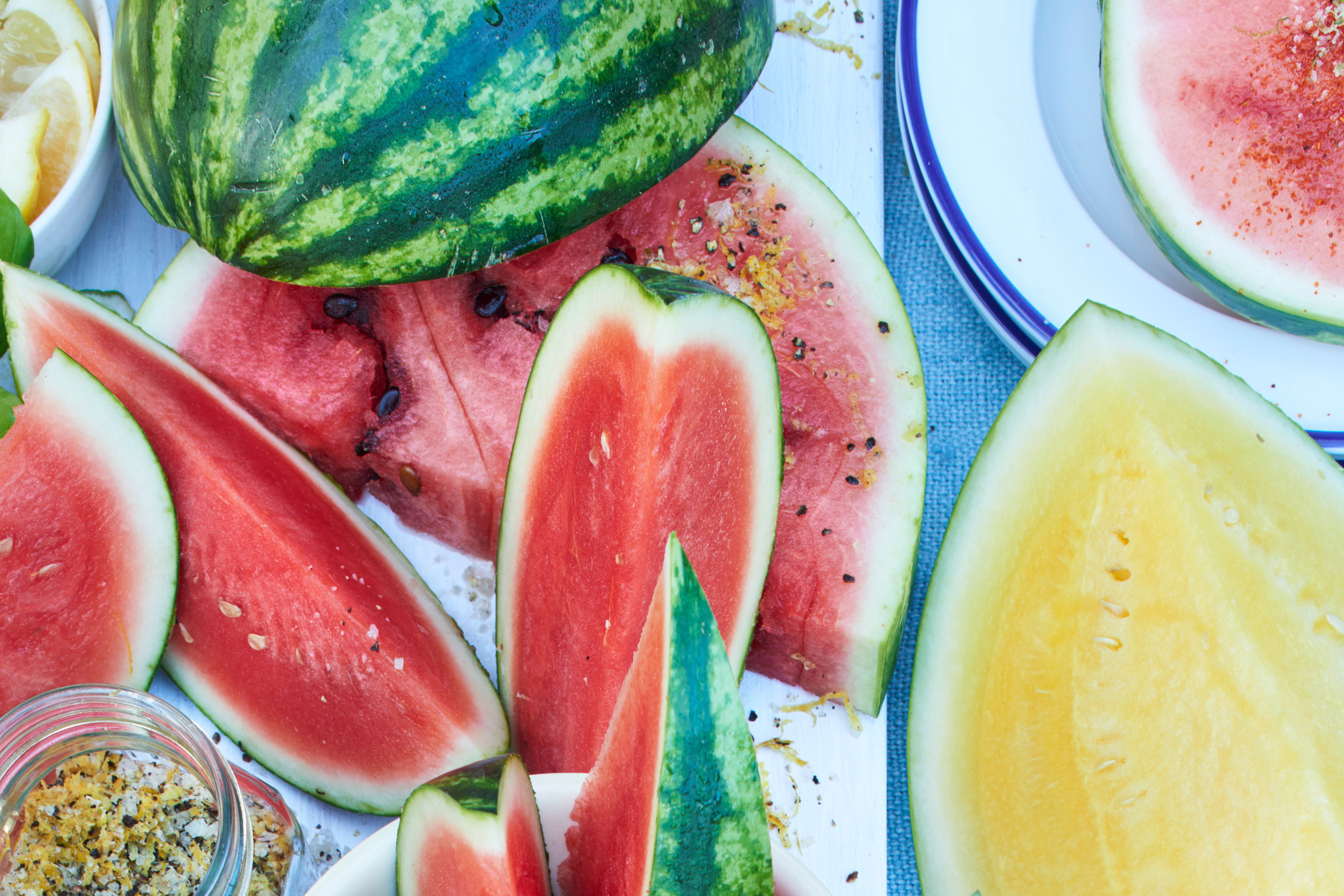
Watermelon looks like the chillest fruit in the produce aisle. It is huge, green, cheerful, and basically shaped like summer wearing a helmet. But before you slice into that juicy red center, there is one small kitchen step that deserves a standing ovation: washing the watermelon.
Yes, even though you do not eat the rind. Yes, even though the inside looks protected. And yes, even if the watermelon came from a beautiful grocery display that looked like it was arranged by someone with a degree in fruit architecture. A watermelon rind can carry dirt, bacteria, and residue from the field, truck, store shelf, shopping cart, and your own countertop. Once a knife cuts through the rind, anything sitting on the outside can hitch a ride straight into the flesh.
The good news? Washing a watermelon properly is easy. You do not need fancy produce sprays, soap, bleach, vinegar rituals, or a tiny spa day for your melon. You need clean running water, a clean produce brush, clean hands, and a few smart habits. This guide explains how to wash a watermelon for peak freshness, better food safety, and the kind of crisp, sweet slices that disappear before the barbecue burgers even hit the table.
Why You Should Wash a Watermelon Before Cutting It
The main keyword here is simple: wash watermelon before cutting. A watermelon grows close to the ground, gets harvested, packed, shipped, displayed, touched, rolled, lifted, thumped, and occasionally judged by strangers who claim they can hear ripeness through percussion. Its rind is tough, but it is not magically sterile.
When you slice an unwashed watermelon, the knife blade moves from the outer rind into the edible fruit. If the rind has dirt or harmful microorganisms on it, the knife can drag some of that contamination inward. That is especially important because watermelon is usually eaten raw. There is no cooking step later to help reduce germs.
Washing does not make produce completely germ-free, but it helps remove visible dirt and can reduce bacteria on the surface. For a fruit that is mostly water, sugar, and summer happiness, that small prevention step is worth the minute it takes.
The Best Way to Wash a Watermelon
Here is the simple, food-safety-friendly method for cleaning a watermelon before slicing. Think of it as a pre-cutting routine: clean hands, clean fruit, clean tools, clean storage. Your watermelon does not need drama. It needs a rinse and a scrub.
Step 1: Wash Your Hands First
Before you touch the watermelon, wash your hands with soap and warm water for at least 20 seconds. Get between your fingers, around your nails, and the backs of your hands. This may feel obvious, but hands are the original kitchen multitaskers, and they touch everything from refrigerator handles to phones to mystery crumbs on the counter.
Clean hands prevent you from adding new germs to the rind after you wash it. If you are preparing watermelon for kids, older adults, pregnant guests, or anyone with a weakened immune system, this step matters even more.
Step 2: Clean the Sink, Counter, Knife, and Cutting Board
A clean watermelon sitting in a dirty sink is like taking a shower and then rolling in the driveway. Before rinsing the fruit, make sure the sink is clean. Wash your cutting board, knife, and countertop with hot, soapy water. Keep raw meat, seafood, poultry, and their juices far away from your fruit-prep area.
If possible, use a separate cutting board for fresh produce. If you only have one board, clean and dry it thoroughly before using it for watermelon. Cross-contamination is not invited to the picnic.
Step 3: Rinse the Watermelon Under Cool Running Water
Place the whole watermelon under cool running tap water. Do not soak it in a sink full of water. Running water is better because it helps carry loosened dirt away instead of letting the melon sit in a bath of whatever just came off the rind.
Rotate the watermelon as you rinse so the entire surface gets washed, including the stem end and blossom end. Those little dimples and rough patches can hold extra dirt, so do not treat them like decorative details. Give them attention.
Step 4: Scrub the Rind With a Clean Produce Brush
Because watermelon has a firm rind, use a clean produce brush while rinsing. Scrub gently but thoroughly. You are not sanding a deck; you are loosening soil and debris. Move around the whole melon in circles or long strokes, making sure you cover every side.
A produce brush should be used only for produce, not dishes, shoes, grill grates, or whatever else has been living in the utility closet. After using it, wash the brush with hot, soapy water and let it air-dry.
Step 5: Do Not Use Soap, Detergent, or Bleach
This is where many people overachieve in the wrong direction. Do not wash watermelon with dish soap, hand soap, detergent, bleach, or household cleaners. Fresh produce is porous, and cleaners are not meant to be eaten. Even if you rinse well, residue can remain or be absorbed.
Plain cool running water plus scrubbing is the recommended home method. Commercial produce washes are also unnecessary for basic watermelon prep. Save the soap for your hands, not your melon.
Step 6: Dry the Watermelon Before Cutting
After washing and scrubbing, dry the watermelon with a clean paper towel or clean cloth towel. Drying helps remove leftover moisture and any loosened particles still sitting on the surface. It also makes the melon less slippery, which is excellent news for anyone who prefers their knives and fingers to maintain a respectful distance.
If using a cloth towel, make sure it is freshly laundered. A towel that has been hanging near the sink all day may not be the hero this story needs.
When Should You Wash a Watermelon?
The best time to wash a watermelon is right before you cut it. Washing produce too far ahead of time can leave extra moisture on the surface, and moisture can encourage spoilage if the fruit is not dried and stored properly.
If your watermelon is muddy or gritty when you bring it home, you can wipe off loose dirt with a dry paper towel before storage. But for the full rinse-and-scrub routine, wait until slicing time. That gives you the best balance of cleanliness and freshness.
How to Choose a Watermelon That Stays Fresh Longer
Peak freshness starts before the rinse. Choose a watermelon with a firm, intact rind. Avoid melons with deep cracks, soft spots, mold, leaking liquid, or a sour smell. A creamy yellow field spot is usually a good sign that the melon rested on the ground long enough to ripen. A heavy feel for its size can also suggest juicy flesh.
Surface scratches are usually not a big deal, but deep damage is different. If the rind is cracked or decaying, bacteria may have had an easier path into the fruit. When in doubt, choose another melon. There are plenty of watermelons in the bin, and no fruit is worth a stomachache.
How to Cut Watermelon After Washing
Once the watermelon is clean and dry, move it to a clean cutting board. Use a sharp knife. A dull knife makes cutting harder and increases the chance that the melon will wobble like it is auditioning for a slapstick comedy.
Simple Cutting Method
First, slice off a small piece from one end to create a stable base. Stand the watermelon on that flat end, then cut it in half from top to bottom. From there, you can cut wedges, sticks, cubes, or triangles, depending on whether your audience is adults, children, or people who believe watermelon tastes better when shaped like a tiny surfboard.
If you are cutting cubes, remove the rind after halving or quartering the melon, then slice the flesh into even pieces. Keep the pieces on a clean surface and avoid letting the edible fruit touch the unwashed outer rind, sink, or counter.
How to Store Cut Watermelon for Freshness
Once watermelon is cut, it becomes more perishable. Refrigerate cut watermelon within two hours, or within one hour if it has been sitting outside in hot weather above 90 degrees Fahrenheit. Store it in a clean, covered container at 40 degrees Fahrenheit or colder.
For the best flavor and texture, eat cut watermelon within three to four days. It may remain safe longer when properly refrigerated, but quality drops as the fruit releases juice and loses crispness. If the pieces become slimy, fizzy, sour-smelling, mushy, or unusually dull in color, throw them away. Watermelon should smell fresh and sweet, not like it is trying to become a science project.
Common Watermelon Washing Mistakes
Mistake 1: Skipping the Wash Because You Do Not Eat the Rind
This is the classic watermelon mistake. The rind may not be eaten, but the knife touches it first. Washing the rind helps reduce what the knife can transfer into the fruit.
Mistake 2: Using Soap or Produce Cleaner
More cleaning power is not always better. Soap and detergent are not recommended for fruits and vegetables. Plain running water and a clean brush are enough for home watermelon washing.
Mistake 3: Washing the Melon, Then Using a Dirty Cutting Board
A clean rind cannot save a dirty board. Wash and dry your prep tools before cutting. If raw chicken used that board earlier, the watermelon deserves a different stage.
Mistake 4: Cutting Too Far in Advance
Watermelon is at its best soon after cutting. Pre-cutting can be convenient, but the fruit loses juice and crispness over time. If preparing ahead for a party, cut it the same day when possible and keep it chilled.
Mistake 5: Leaving Cut Watermelon Out Too Long
Watermelon at a picnic is charming. Watermelon sitting in the sun for half the afternoon is less charming. Keep cut pieces cold, serve small batches, and refill the platter from the refrigerator or cooler.
Should You Use Vinegar to Wash Watermelon?
Some home cooks like using vinegar rinses for produce. While vinegar may help loosen some residues, it is not required for washing watermelon. The standard recommendation for home use is cool running water and scrubbing with a clean produce brush. If you choose to use vinegar, rinse the watermelon thoroughly afterward so the rind does not carry a lingering vinegar smell into the cutting process.
For most kitchens, simple is better. Running water, friction from brushing, and good drying do the job without adding flavor confusion. Watermelon should taste like watermelon, not like it briefly considered becoming a pickle.
How Washing Helps Preserve Peak Freshness
Food safety is the main reason to wash watermelon, but freshness benefits too. Removing dirt and debris gives you a cleaner cutting surface, and drying the rind helps keep excess water from spreading around the cutting board. Clean cuts and clean storage help the fruit maintain its bright flavor, crisp bite, and refreshing texture.
Freshness also depends on temperature. Whole watermelon can often sit at room temperature for a short period before cutting, but once sliced, it belongs in the refrigerator. Cold storage slows quality loss and helps keep the fruit pleasant to eat.
Best Uses for Freshly Washed Watermelon
Once your watermelon is washed, dried, cut, and chilled, the possibilities are deliciously excessive. Serve cold wedges with a sprinkle of flaky salt. Cube it for fruit salad with berries, mint, and lime. Blend it into agua fresca. Add it to a salad with feta and cucumber. Freeze cubes for smoothies. Or eat it straight from the container while standing in front of the open refrigerator, pretending you are “just checking something.”
Freshly washed and properly stored watermelon is especially useful for meal prep because it is hydrating, naturally sweet, and easy to portion. Keep it in clear containers so you can see it. Hidden watermelon is forgotten watermelon, and forgotten watermelon is a tragedy in Tupperware form.
A Practical Watermelon Washing Checklist
Use this quick checklist whenever you prepare a watermelon:
- Wash hands with soap and water for at least 20 seconds.
- Clean the sink, counter, knife, and cutting board.
- Rinse the whole watermelon under cool running water.
- Scrub the rind with a clean produce brush.
- Avoid soap, bleach, detergent, and unnecessary produce washes.
- Dry the watermelon with a clean towel before cutting.
- Refrigerate cut watermelon promptly in a covered container.
Experience-Based Tips for Washing Watermelon Like a Pro
In everyday kitchens, the best watermelon routine is the one people will actually follow. The fanciest food-safety advice in the world is useless if it feels like assembling furniture with missing screws. That is why the best approach is simple: place the watermelon in a clean sink, rinse it, scrub it, dry it, and cut it on a clean board. Once this becomes habit, it feels as natural as washing an apple.
One useful experience-based tip is to wash the watermelon before you get distracted by the rest of the meal. At cookouts, watermelon is often the “easy thing” people save for last. Then guests arrive, someone needs ice, the grill flares up, a child asks where the bathroom is, and suddenly the melon gets sliced in a hurry. Washing it first, before the chaos begins, keeps the process calm and safe.
Another practical trick is to place a towel under the cutting board. Watermelon is juicy, round, and determined to escape. A towel helps stabilize the board and catches some runoff. After washing and drying the rind, the fruit is easier to grip, and a stable setup makes cutting cleaner. This is especially helpful with large watermelons, which can feel less like fruit and more like recreational sports equipment.
For peak freshness, cut only what you need when possible. A half watermelon stored with the rind intact usually holds its texture better than a mountain of tiny cubes. If you are serving a small household, wash the whole melon, cut it in half, cube one half, and tightly cover the other half before refrigerating. That way, tomorrow’s watermelon still tastes bright instead of watery and tired.
For parties, chill the whole watermelon before washing and cutting. Cold watermelon cuts more cleanly, tastes better, and holds up longer on a platter. After cutting, serve part of it and keep the rest in the refrigerator or cooler. Refill the serving bowl as needed. This keeps the fruit crisp and helps avoid the sad, warm watermelon situation that happens when a giant bowl sits outside too long.
A final freshness habit is to store cut watermelon in shallow containers rather than one deep, overflowing tub. Shallow layers reduce crushing, make pieces easier to grab, and keep juice from pooling too heavily at the bottom. If extra juice collects, drain some before serving. The fruit will look fresher, taste cleaner, and feel less like it has been swimming laps overnight.
Conclusion
Learning how to wash a watermelon for peak freshness is not complicated, but it makes a real difference. A clean rind helps reduce the chance that dirt or bacteria will travel from the outside of the melon to the juicy flesh inside. The best method is wonderfully low-tech: wash your hands, rinse the watermelon under cool running water, scrub it with a clean produce brush, dry it well, and cut it with clean tools.
Skip the soap. Skip the bleach. Skip the overthinking. Watermelon prep should be safe, simple, and satisfying. With the right washing and storage habits, every slice tastes colder, cleaner, sweeter, and more like the official fruit of summer vacation.