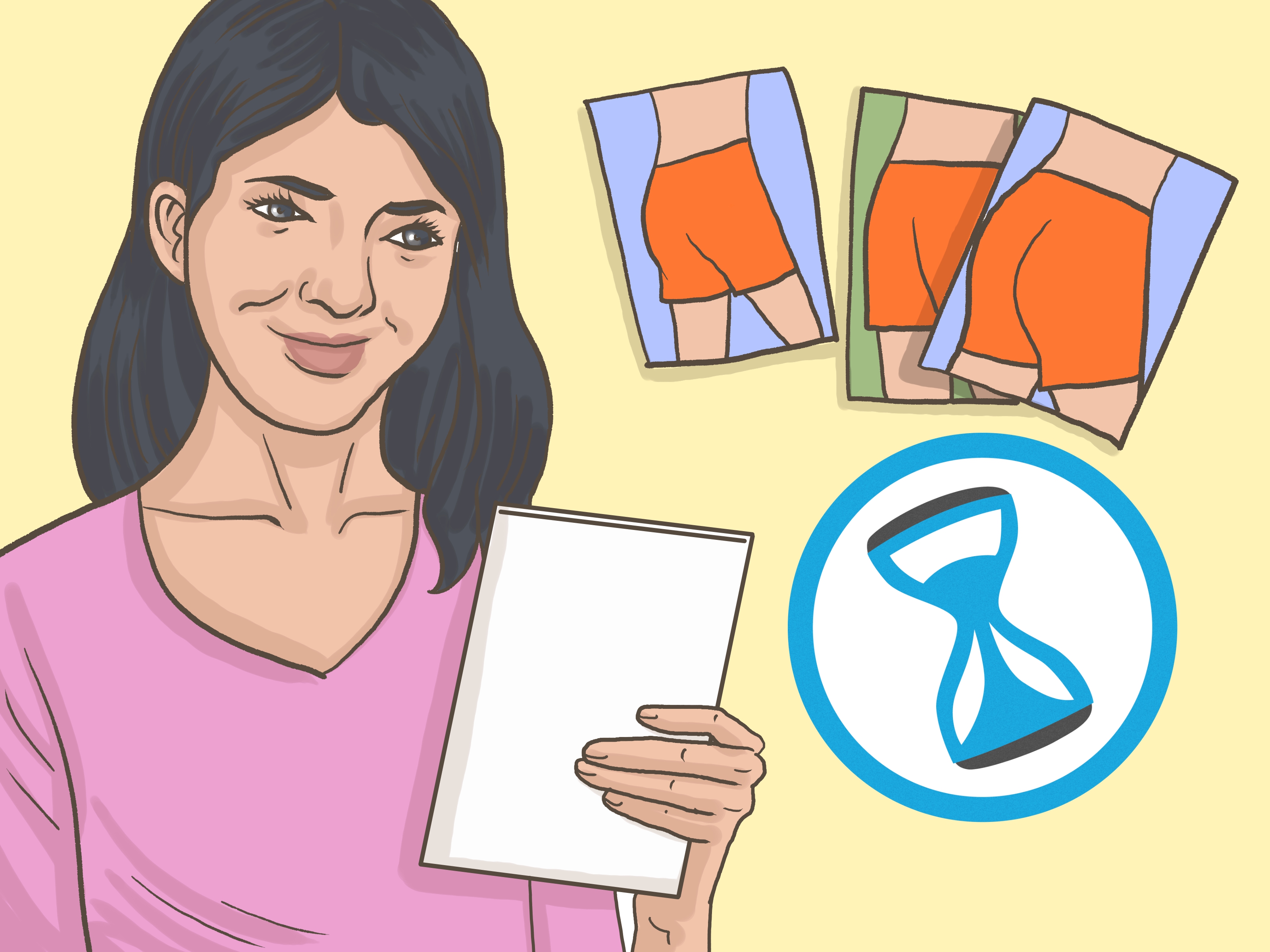
If your goal is a firmer, more lifted backside, the fastest path is not a secret “butt toner” gadget or a magical 3-minute routine. It is a smart mix of glute-focused strength training, enough total-body activity to support fat loss, and recovery that actually lets the muscles grow. Your glutes are the biggest muscle group in the body, and exercises like squats, lunges, deadlifts, bridges, hip thrusts, and step-ups are repeatedly recommended by fitness experts and medical sources for building them up.
There is one more truth worth saying up front: you cannot “spot reduce” fat from only one area. Exercise can strengthen and shape your butt, but visible toning also depends on overall body-fat reduction, which comes from a training plan plus sensible eating habits. That is the boring part of the story, but it is also the part that works.
The 14 Steps
-
Step 1: Stop treating sitting like a sport
Long hours in a chair can leave your glutes underused, which is one reason many trainers talk about “dead butt syndrome.” If you sit all day, stand up often, walk between tasks, and give your hips a few minutes of movement before your workout. Think of this as switching your glutes from sleep mode to working mode.
-
Step 2: Warm up like you mean it
A few minutes of easy cardio and dynamic movement prepares your hips, knees, and glutes for real work. A brisk walk, bodyweight squats, leg swings, or marching in place can help you train harder with less stiffness. A warm body usually moves better than a cold one, and your butt will notice the difference.
-
Step 3: Make squats your foundation
Squats belong in almost every lower-body routine because they train the glutes, quads, and hamstrings together. Go as deep as you can with good form, keep your chest up, and push through your midfoot and heels as you stand. Squats are not fancy, but they are effective in a way that never goes out of style.
-
Step 4: Add hip thrusts for direct glute work
Hip thrusts are one of the best moves for glute growth because they load the hips in a way that strongly targets the gluteus maximus. Verywell Fit and WebMD both describe hip thrusts as a powerful glute builder, and adding a barbell, dumbbell, or resistance band can increase the challenge. If squats are the dependable family sedan, hip thrusts are the turbo button.
-
Step 5: Use lunges to shape both sides evenly
Reverse lunges, walking lunges, curtsy lunges, and split squats force each leg to work on its own, which helps balance out weak spots and improve symmetry. ACE notes that lunges are especially useful for glute activation, and they can light up the outer glutes more than people expect. Also, lunges have the nice side effect of making stairs feel personally offensive.
-
Step 6: Step up, literally
Step-ups are simple, but simple does not mean easy. They train the glutes while challenging balance and single-leg control, which is great for the gluteus medius and the overall shape of the hips. WebMD specifically points out that step-ups strengthen and tone the buttocks, and ACE lists them among the best movers for glute activation.
-
Step 7: Don’t ignore the hinge pattern
Romanian deadlifts, conventional deadlifts, and other hip-hinge movements teach your glutes to extend the hips powerfully. These exercises also train the hamstrings and back of the body, which gives the butt a firmer, more athletic look when done consistently. NASM includes deadlift patterns among the key glute builders for a reason: they work.
-
Step 8: Hit the side glutes, not just the main engine
The gluteus medius and minimus help stabilize your pelvis and keep your lower body moving cleanly. ACE reports that quadruped hip extensions, step-ups, and lunges can create strong glute medius activation, sometimes more than squats. Side-lying leg lifts, clamshells, and hip abduction moves are worth adding if you want your hips to look more rounded from every angle.
-
Step 9: Use glute bridges as your activation button
Glute bridges are a useful bridge between warm-up and hard lifting. WebMD notes that bridges are often used for activation, while hip thrusts are better for pure strengthening. That means bridges are perfect before your main lifts, especially when your glutes are being a little dramatic and refusing to wake up.
-
Step 10: Add resistance, then add a little more
Bodyweight work is a great start, but your glutes adapt quickly. Once the movements feel easy, increase the load with dumbbells, barbells, bands, or slower tempo reps. NASM recommends practical ranges such as 3 sets of 8 to 12 reps for many glute exercises, which is a solid starting point for people chasing both strength and shape.
-
Step 11: Train your butt two to three times a week
Muscles need repeated stimulus, but they also need recovery. ACSM recommends 1 to 2 rest days per week during high training volume, and that principle fits glute training beautifully: work the muscles hard, then let them rebuild. For most people, two or three focused lower-body sessions weekly is enough to make real progress without turning every day into a squat-themed soap opera.
-
Step 12: Walk, move, and burn more overall calories
If the soft layer over the glutes is hiding your results, total-body activity matters. Mayo Clinic and MedlinePlus both note that exercise supports healthy weight management, and that activity plus sensible eating is the best route to fat loss. Brisk walking, cycling, swimming, dancing, and short interval sessions can all support the look you want.
-
Step 13: Feed the muscles, or they will stay petty
Your glutes are muscles, and muscles need protein to maintain and grow. Harvard’s Nutrition Source explains that protein is an essential macronutrient, and many sources of lean protein can fit into a healthy plan. Pair that with enough fluids, because hydration helps exercise capacity and prevents the kind of workout that ends early because you feel like a raisin in sneakers.
-
Step 14: Track form, not just numbers
It is tempting to chase heavier weights every session, but clean reps beat ugly reps. Watch for knees collapsing inward, a lower back that is doing the butt’s job, and a range of motion that shrinks when the load gets ambitious. Better form improves the chances that the glutes are doing the work and helps you keep training without unnecessary aches.
A Fast-Track Butt-Toning Workout Plan
To make the 14 steps practical, here is a simple weekly structure: one day for squats and lunges, one day for hip thrusts and hinges, and one day for step-ups, bridges, and side-glute work. Keep the workout short enough that you can repeat it consistently, because consistency beats heroic one-day efforts every time. A plan that you can follow for months is better than a monster session you quit after week two.
On each strength day, use a warm-up, then do 3 to 4 exercises for 3 sets each. Rest long enough to keep form sharp, and finish with a short walk or easy cycling session if fat loss is part of the goal. The combination of resistance training and regular movement is the real cheat code here, not any single “best butt exercise.”
Common Mistakes That Slow Results
The biggest mistake is doing endless random workouts with no progression. The second biggest is expecting visible change while ignoring food, sleep, and rest. The third is training the glutes only with bodyweight forever, then wondering why the routine feels easy but the mirror has no interest in applauding. Progressive overload, enough recovery, and a reasonable nutrition plan matter as much as the exercises themselves.
Another common issue is skipping movements that train the hips from different angles. Squats are excellent, but side-glute work, hinges, and single-leg movements help build a fuller look and better lower-body stability. Variety is not about doing everything at once; it is about using a few smart patterns that cover all the important angles.
What Real-World Experience Usually Teaches
People who start glute training for the first time often expect a dramatic change after a week or two. What usually happens instead is more subtle: the exercises start to feel smoother, stairs stop feeling like a personal attack, and jeans begin to fit differently even before the scale does anything exciting. That is normal. Muscle changes appear gradually, and they are easiest to notice when you keep repeating the basics instead of chasing novelty.
Experience also teaches that form matters more than ego. A bodyweight glute bridge performed with good squeeze, proper breathing, and consistent reps often does more for a beginner than a sloppy heavy lift that turns the lower back into the main character. The glutes respond well to deliberate training, especially when the movement is controlled and you can actually feel the target muscles working. That “mind-muscle” connection sounds trendy, but in real life it is just another way of saying, “Don’t rush the rep like you are late for a flight.”
Another lesson that keeps showing up is that there is no replacement for patience. A lot of people can do a hard glute workout once; fewer can do it three times a week, sleep enough, walk more, and keep protein steady for long enough to see the result. The people who succeed usually build a routine they do not hate. They choose exercises they can repeat, schedule rest days before their body starts drafting complaints, and accept that the fastest route is still built on boring repetition.
Diet experience matters too. Many lifters discover that they do not need extreme eating plans; they need enough protein, enough fiber, and a calorie intake that matches their goal. If the main goal is to look tighter, overall fat loss helps reveal the muscle underneath. If the main goal is to look fuller and rounder, then eating too little can make progress crawl. The trick is to support training instead of starving it. That means lean protein, vegetables, whole grains, and a routine that does not collapse the moment life gets busy.
Most importantly, real experience says to respect your own body. If a movement hurts in a sharp or joint-level way, swap it. If your hips feel tight, spend time on mobility. If one leg is clearly weaker, give it extra attention. Good glute training is not about punishing your body until it submits; it is about teaching it to move with more strength, control, and balance over time. That is how you get results that last longer than motivation.
Conclusion
If you want to tone your butt fast, the winning formula is straightforward: build the glutes with squats, hip thrusts, lunges, step-ups, hinges, bridges, and side-glute work; move enough to support fat loss; eat enough protein; and recover well enough to do it again. That is the real shortcut. It is not flashy, but it is reliable. And in fitness, reliable is sexy.
Note: Consistency, clean form, and recovery are what make the results show up.