Learning how to get a girlfriend as a teen can feel like trying to solve a math problem while the teacher is speaking another language. You may wonder what to say, how to know whether she likes you, or whether everyone else received a secret dating handbook that somehow missed your backpack.
Here is the good news: getting a girlfriend is not about becoming the loudest person in the room, memorizing “smooth” lines, or pretending to be someone who owns three sports cars and a yacht. You do not need a yacht. You probably do not even need a car.
The healthiest way to get a girlfriend as a teen is to build genuine connections, communicate respectfully, take care of yourself, and be brave enough to ask someone out without making her feel pressured. A good relationship is not something you win like a trophy at an arcade. It is something two people choose because they enjoy, respect, and trust each other.
Start With the Right Goal: Build a Connection, Not a Collection
Before you focus on getting a girlfriend, adjust the goal slightly. Instead of thinking, “How do I get any girlfriend?” think, “How do I meet someone I genuinely like and treat her well?” That mindset changes everything.
A girlfriend is a person, not proof that you are cool, attractive, popular, or officially approved by the universe. Dating someone just to avoid feeling lonely or to impress friends usually creates pressure for both people. The best teen relationships begin when two people enjoy spending time together and feel comfortable being themselves.
Ask yourself a few honest questions:
- Do I actually like this person, or do I just like the idea of having a girlfriend?
- Can I respect her interests, friends, opinions, and boundaries?
- Am I ready to hear “no” without being rude, angry, or dramatic?
- Can I keep up with school, family responsibilities, friendships, and my own goals?
You do not need to become perfect before dating. Nobody is perfect. Some people cannot even keep their phone battery above 10 percent. But you should be ready to treat another person with kindness and maturity.
Become Someone You Would Want to Date
Confidence is attractive, but confidence is not the same as acting like you are starring in a movie about yourself. Real confidence comes from knowing that you can be yourself, handle awkward moments, and survive a little rejection without turning into a sad playlist with legs.
Take Care of the Basics
This may sound obvious, but basic self-care goes a long way. Shower regularly, wear clean clothes, brush your teeth, and use deodorant. You do not need designer outfits or a haircut that requires a team of engineers. Looking neat shows that you respect yourself and the people around you.
Also, develop interests. Join a club, play a sport, learn an instrument, volunteer, make art, code a game, cook something besides instant noodles, or become the person who can explain a confusing class assignment without sounding like a robot. Interests give you confidence and make conversations easier.
Keep Your Own Life
A relationship should add to your life, not replace it. Keep your friends, hobbies, school goals, and family connections. A healthy girlfriend will not expect you to stop being your own person, and you should not expect that from her either.
Having your own life also makes dating less stressful. When your entire happiness depends on one person replying to your text, every delayed message can feel like a national emergency. Stay busy, stay grounded, and remember that a relationship is one part of life, not the entire pizza.
Meet Girls in Natural, Low-Pressure Places
The easiest way to meet someone is usually through shared activities. School, clubs, sports teams, volunteer projects, music groups, gaming communities with real-life friends, school events, and mutual friend groups can all create opportunities to talk naturally.
Why does this work? Because you already have something to talk about. You do not need to walk up to someone you barely know and invent a dramatic speech. You can start with what is happening around you.
For example:
- “How did you understand that homework assignment? I feel like the instructions were written by a wizard.”
- “You were really good at the presentation. How did you come up with that idea?”
- “Are you going to the school game on Friday?”
- “I saw you like that band too. What is your favorite song by them?”
These are simple conversation starters, not magic spells. The point is to be curious, friendly, and normal. Yes, “normal” is doing a lot of work here, but you can handle it.
Learn How to Start a Real Conversation
A good conversation is not an interview, a comedy audition, or a competition to see who can talk the longest. It is a back-and-forth exchange where both people get to share.
Start with open-ended questions that cannot be answered with only “yes” or “no.” Ask about hobbies, classes, music, movies, pets, sports, travel dreams, or funny school moments. Then listen to the answer.
Listening is one of the most underrated dating skills. If she says she loves drawing, do not immediately launch into a twenty-minute story about your cousin’s pencil collection. Ask what she likes to draw, what artists inspire her, or whether she has a favorite project.
At the same time, share things about yourself. Conversations should not feel like a police interview where you ask question after question while revealing nothing. Give her something to respond to.
For instance, instead of saying, “What music do you like?” try, “I have been listening to a lot of indie music lately. What kind of music are you into?” That feels more natural because you are both contributing.
Look for Interest Without Overthinking Every Signal
It is normal to wonder whether a girl likes you. She may start conversations, ask questions about you, laugh at your jokes, remember small details, make time to talk, or suggest hanging out. Those can be positive signs.
But one smile, one friendly text, or one shared laugh does not automatically mean she wants to date. People can be friendly because they are friendly. The safest approach is to notice patterns rather than treating every interaction like a detective show.
Look for mutual effort. Does she also initiate conversations? Does she seem interested in learning about you? Does she respond warmly and continue the conversation? Does she seem comfortable around you?
Even then, you cannot know for certain until you ask. That is why respectful honesty beats endless guessing.
How to Ask a Girl Out Without Making It Weird
Asking someone out can feel terrifying, but it does not need to be complicated. The best approach is clear, casual, and low-pressure.
Try something simple:
- “I like talking with you. Would you want to get ice cream after school sometime?”
- “I am going to the game on Friday with some friends. Do you want to come with us?”
- “Would you like to hang out this weekend? Maybe we could grab snacks and walk around the park.”
- “I think you are really fun to talk to. Would you want to go on a date sometime?”
Notice what these examples have in common: they are direct, respectful, and easy to answer. Avoid making a huge public scene, especially if you do not know how she feels. Asking someone out in front of a crowd can make her feel pressured to say yes, and pressure is not romantic.
Give her room to answer honestly. A simple line such as, “No pressure at all, I just thought it would be fun,” can make the moment more comfortable.
Plan a First Date That Feels Easy
A first date does not need to cost a fortune. You are teenagers, not contestants on a luxury dating show. The goal is to talk, laugh, and see whether you enjoy each other’s company.
Good teen-friendly first-date ideas include getting ice cream, visiting a coffee shop, going to a school event, attending a local game, walking through a public park, browsing a bookstore, going bowling, visiting a museum, or meeting with friends in a group setting.
Choose a public place, especially when you are still getting to know each other. Follow your family’s rules about transportation, curfews, and where you are allowed to go. Being responsible is more attractive than pretending rules do not exist.
During the date, focus on being present. Put your phone away. Ask questions. Share stories. Be polite to workers and other people around you. How you treat strangers says a lot about your character.
Text Like a Person, Not a Notification Machine
Texting can help you get to know someone, but it can also create stress when people expect instant replies. Do not panic if she takes a while to respond. She may be doing homework, eating dinner, practicing a sport, sleeping, or living a life that does not revolve around her phone.
Send messages with a purpose. Share something funny, ask about her day, follow up on something she mentioned, or make plans. Avoid sending ten messages in a row because she has not answered in five minutes.
A healthy texting rhythm feels mutual. Both people get to initiate, both people get space, and neither person is expected to provide a minute-by-minute report of their location.
Never demand passwords, track her location, pressure her to send private photos, or get angry because she talks to other friends. Those are not signs of love. They are signs of control.
Respect Boundaries, Consent, and Privacy
Respect is the foundation of any healthy teen relationship. That includes respecting emotional boundaries, physical boundaries, personal space, time with friends, family rules, and digital privacy.
Consent means both people freely agree to what is happening. It is ongoing, specific, and never something you should assume. If someone seems uncomfortable, hesitant, silent, scared, or pressured, stop and check in. A relationship should never involve guilt, threats, begging, manipulation, or pressure.
Respect also matters online. Do not share private messages, screenshots, rumors, photos, or embarrassing details with friends. A girlfriend should be able to trust that you will not turn her personal life into group-chat entertainment.
Remember: a person can change their mind at any time. “No,” “not yet,” “I am not comfortable,” and “I need space” are all complete answers. Respecting those words does not make you less confident. It makes you safe, mature, and trustworthy.
How to Handle Rejection Without Losing Your Cool
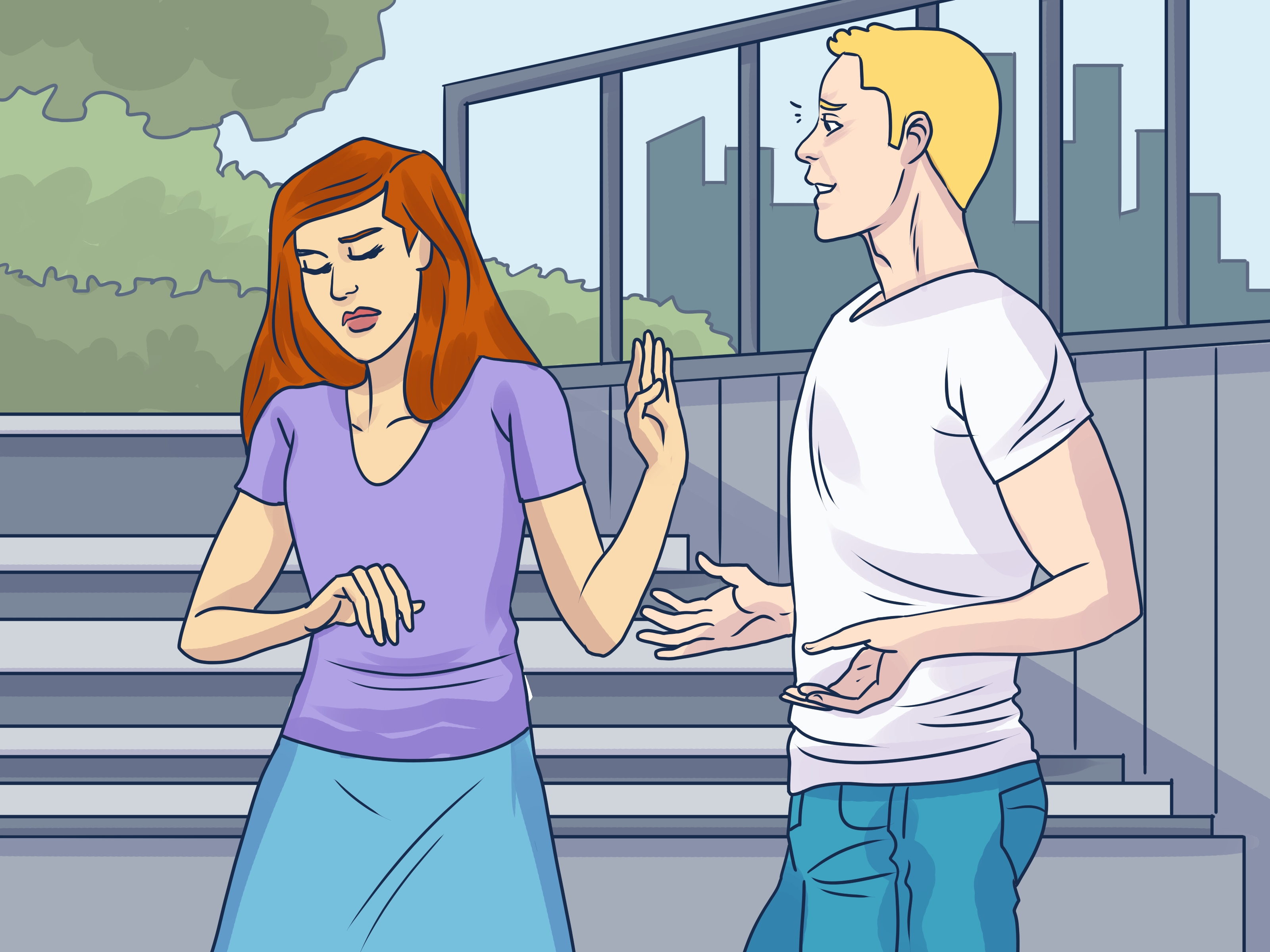
Sometimes, the answer will be no. That can sting. Rejection is never fun, even when you act like you are totally fine while your brain plays sad violin music in the background.
Still, how you handle rejection matters. A mature response can be as simple as:
“Thanks for being honest. I understand.”
Do not argue, ask repeatedly, insult her, spread rumors, or demand an explanation. She does not owe anyone a relationship. You are allowed to feel disappointed, but you are responsible for what you do with that feeling.
Take a little space, talk with a trusted friend, focus on your hobbies, and let yourself move forward. Rejection does not mean you are unattractive, boring, or doomed to become a cave hermit with twelve cats. It usually means that one specific connection was not the right match.
Watch for Red Flags in Any Teen Relationship
Getting a girlfriend should make your life feel safer and happier, not more stressful or fearful. Be cautious if someone insults you constantly, pressures you to do things you do not want to do, tries to isolate you from friends, demands access to your phone, threatens you, monitors your location, or makes you feel afraid.
You should also check your own behavior. Are you becoming jealous, controlling, angry, or overly dependent? Are you demanding replies, checking up on her, or treating her friendships as a threat? Those habits can damage a relationship and should be addressed honestly.
Talk to a trusted adult, school counselor, coach, parent, guardian, or another safe person if a relationship feels unhealthy, controlling, or scary. Asking for help is not embarrassing. It is one of the strongest things you can do.
Common Mistakes to Avoid When Trying to Get a Girlfriend
- Trying too hard to impress her: Being fake is exhausting. Let her see the real version of you.
- Using pickup lines copied from social media: Most sound better on the internet than in a hallway between second and third period.
- Making her jealous on purpose: Jealousy is not a relationship strategy. It is a shortcut to confusion.
- Ignoring her friends: Be respectful to the people she cares about. You do not have to become best friends with everyone, but basic kindness matters.
- Moving too fast: A good connection does not need to be rushed. Let trust develop naturally.
- Giving up on yourself after rejection: Dating is one part of growing up, not a final exam on your worth.
Conclusion: The Best Way to Get a Girlfriend as a Teen
The best way to get a girlfriend as a teen is not to chase a label. Focus on becoming confident, kind, interesting, and respectful. Meet people through shared interests, start genuine conversations, look for mutual effort, and ask someone out clearly without pressure.
When you treat girls as complete people with their own opinions, goals, boundaries, and choices, you are already doing something many people take years to learn. A healthy relationship should feel like friendship plus trust, laughter, respect, and a little courage.
And if you do not get a girlfriend immediately, do not panic. You are still growing, learning, and figuring out who you are. The right relationship is not built by rushing. It is built by being ready when a real connection appears.
Teen Dating Experiences: What Real Situations Can Teach You
One common teen dating experience starts with a simple friendship. Maybe you sit near someone in class, work together on a project, or keep running into each other at club meetings. At first, the conversations are short: homework, teachers, music, weekend plans. Over time, you realize that talking to her feels easy. You do not need to perform. You can be funny without trying to be the funniest person alive, and you can be honest without sharing your entire life story on day one.
That is often how the strongest teen relationships begin: not with a giant romantic gesture, but with comfort. A student named Marcus might notice that he and Ava always talk after robotics club. Instead of sending her a dramatic paragraph at midnight, he asks whether she wants to get smoothies after the next meeting. She says yes. They hang out, laugh about a failed robot design, and discover they both love the same movie series. The lesson is simple: low-pressure plans can create more real connection than a giant performance.
Another experience involves misreading signals. Maybe a girl is friendly, laughs at your jokes, and talks with you often. You assume she likes you romantically, so you ask her out. She kindly says she would rather stay friends. It hurts, especially because you built the moment up in your head. But you respond respectfully: “That is okay. Thanks for being honest.” A week later, things feel less awkward because you did not make the friendship uncomfortable. The lesson here is that friendliness is not a promise, and rejection does not have to ruin every connection.
Some teens learn that texting can create unnecessary stress. Imagine Noah starts dating someone and begins worrying whenever she does not reply quickly. He sends more messages, then asks why she is ignoring him. She feels overwhelmed because she was simply at practice and could not use her phone. After talking about it, Noah realizes that caring about someone does not mean expecting access to them every second of the day. The relationship improves when both people agree that delayed replies are normal.
Another valuable lesson comes from boundaries. A teen may feel pressured to do something because they think having a boyfriend or girlfriend means they have to agree with everything. But healthy dating means both people can say, “I am not comfortable with that,” without being mocked, guilted, or punished. A supportive partner respects the answer and does not turn boundaries into an argument.
Finally, many teens learn that a relationship should not make them disappear. You can have a girlfriend and still play basketball, spend time with friends, work on your art, study for exams, and enjoy family time. The best relationships do not shrink your world. They make your world feel warmer while leaving room for you to keep becoming yourself.
Note: Dating should always feel voluntary, respectful, age-appropriate, and safe. Talk with a trusted adult, counselor, coach, or guardian if you feel pressured, controlled, threatened, or unsafe.